
Pet-Safe Houseplants: Non-Toxic Options for Your Furry Friends
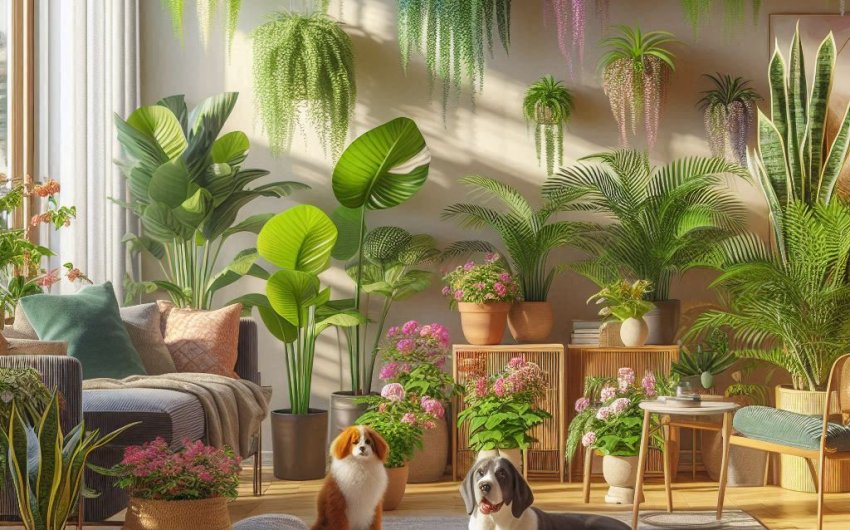
Creating a green oasis indoors while ensuring the well-being of your beloved pets requires careful selection of pet-safe houseplants. Many popular indoor plants are surprisingly toxic to cats and dogs, but a wealth of beautiful and non-toxic options exist. By choosing wisely, you can enjoy lush greenery without the worry of accidental poisoning, providing a harmonious environment for all your furry family members.
Why is it Important to Choose Pet-Safe Houseplants?
The simple act of bringing a plant into your home can pose a hidden danger to your furry companions. Understanding why pet-safe houseplants are so important helps protect your animals.
Curiosity and Boredom:
- Natural Instincts: Dogs and cats are naturally curious. They explore their world with their mouths, sniffing, licking, and sometimes nibbling on new objects, including plants.
- Play and Stimulation: For many pets, a new plant offers an interesting texture or a moving leaf that can become a toy. If a pet is bored or not getting enough mental and physical stimulation, they are more likely to investigate and chew on household items, including plants. Providing stimulating pet toys can help reduce this behavior.
Toxicity Levels Vary:
- From Mild to Fatal: The danger level of toxic plants ranges widely. Some plants cause only mild stomach upset, while others can lead to severe organ damage, neurological issues, or even death, even from a small ingestion.
- Specific Toxins: Different plants contain different toxic compounds. For example, lilies are deadly to cats, causing kidney failure, while plants with calcium oxalates (like Philodendron) cause intense mouth irritation but are rarely fatal. Knowing which toxins affect pets helps in an emergency.
Difficult to Predict Pet Behavior:
- Individual Differences: Some pets may never touch a plant, while others are habitual chewers. You can't always predict how your pet will react to a new plant.
- "Safe" Doesn't Mean "Ignored": Even if a plant is safe, a pet might still chew it out of boredom, causing damage to the plant or mild digestive upset from consuming fibrous material.
Veterinary Costs and Stress:
Advertisement- Emergency Care: A trip to the emergency vet for suspected poisoning can be very expensive, involving diagnostics, treatments, and potentially overnight stays.
- Emotional Toll: Seeing your pet ill and in distress is incredibly stressful for pet owners. Preventing poisoning in the first place saves both financial and emotional strain.
Hidden Dangers:
- Pollen and Water: For certain highly toxic plants, like lilies for cats, even exposure to pollen on their fur (which they later groom off) or drinking water from a vase containing the plant can be enough to cause severe poisoning.
- Bulbs and Roots: The most toxic part of some plants, like tulips or daffodils, is the bulb, which might be irresistible to a digging dog.
Choosing pet-safe houseplants removes these risks entirely, allowing you to enjoy your indoor garden with peace of mind, knowing your furry companions are safe.
What Are the Best Flowering Pet-Safe Houseplants?
Adding a pop of color with flowering plants can brighten any room, and thankfully, several beautiful options are entirely safe for your pets.
African Violet (Saintpaulia species):
- Why it's safe: Completely non-toxic to cats and dogs.
- Description: Small, fuzzy-leaved plants that produce clusters of vibrant purple, pink, white, or variegated flowers almost year-round.
- Care: Prefer bright, indirect light and consistent moisture. Avoid getting water on their leaves.
- Ideal for: Tabletops, shelves, or windowsills where they can add a delicate touch of color.
Christmas Cactus (Schlumbergera bridgesii or truncata):
- Why it's safe: Non-toxic to cats and dogs.
- Description: A popular holiday plant with segmented, flat stems and beautiful, tubular flowers that bloom in shades of red, pink, white, or purple, typically in winter.
- Care: Prefers bright, indirect light and slightly drier conditions between waterings.
- Ideal for: Hanging baskets or elevated surfaces where its arching stems can drape.
Orchids (Phalaenopsis species, Moth Orchid):
- Why it's safe: Most common orchid varieties, especially the Phalaenopsis (Moth Orchid), are non-toxic.
- Description: Elegant plants known for their long-lasting, exotic blooms in a wide array of colors and patterns.
- Care: Require bright, indirect light, good air circulation, and specific watering techniques (often a weekly soak).
- Ideal for: Adding a sophisticated, artistic touch to any room.
Gloxinia (Sinningia speciosa):
- Why it's safe: Non-toxic to pets.
- Description: Closely related to African Violets, Gloxinia produces large, velvety, bell-shaped flowers in striking colors like red, purple, pink, and white, often with contrasting edges.
- Care: Needs bright, indirect light and high humidity. Keep soil consistently moist but not waterlogged.
- Ideal for: A focal point on a coffee table or shelf due to its impressive blooms.
Roses (Rosa species):
- Why it's safe: The flowers and leaves are non-toxic, though the thorns can cause physical injury if ingested or stepped on.
- Description: While often grown outdoors, miniature roses can thrive indoors with proper care, offering classic beauty and fragrance.
- Care: Require plenty of direct sunlight, consistent watering, and good air circulation to prevent fungal issues.
- Ideal for: A sunny windowsill or a protected spot where pets won't encounter thorns.
Gerbera Daisy (Gerbera jamesonii):
- Why it's safe: Non-toxic to cats and dogs.
- Description: Cheerful, vibrant daisies with large, colorful blooms in shades of red, orange, yellow, pink, and white.
- Care: Needs bright, direct sunlight and consistent moisture.
- Ideal for: Adding a pop of bright color to a sunny spot.
Friendship Plant (Pilea involucrata):
- Why it's safe: Non-toxic to pets.
- Description: A low-growing plant with beautifully textured, crinkled leaves that have dark veins and a reddish underside. Can produce small, pinkish flowers.
- Care: Prefers bright, indirect light and high humidity. Keep soil consistently moist.
- Ideal for: Terrariums or as a small accent plant on a desk.
Which Foliage-Based Houseplants are Safe for Pets?
For those who love lush green leaves, there's a wide array of pet-safe houseplants that offer diverse textures, patterns, and sizes without any risk to your animals.
Spider Plant (Chlorophytum comosum):
- Why it's safe: One of the most popular and reliably non-toxic options for pets.
- Description: Features long, arching, variegated leaves and produces "spiderettes" or plantlets that hang down.
- Care: Adaptable to various light conditions, from low to bright indirect. Easy to care for and propagate.
- Ideal for: Hanging baskets, shelves, or as a tabletop plant, making it a great choice for both beginners and experienced plant parents.
Boston Fern (Nephrolepis exaltata 'Bostoniensis'):
- Why it's safe: Completely non-toxic to cats and dogs.
- Description: A classic fern with graceful, arching, bright green fronds that give a lush, airy feel.
- Care: Prefers high humidity, consistent moisture, and indirect light.
- Ideal for: Hanging baskets or pedestals where its fronds can cascade down, adding a touch of classic elegance.
Prayer Plant (Maranta leuconeura):
- Why it's safe: Non-toxic to pets.
- Description: Known for its striking foliage with various patterns of green, red, and cream, and its unique habit of folding its leaves upwards at night, resembling hands in prayer.
- Care: Requires bright, indirect light and high humidity. Keep soil consistently moist.
- Ideal for: Adding visual interest to a tabletop or shelf.
Areca Palm (Dypsis lutescens):
- Why it's safe: Non-toxic to cats and dogs.
- Description: A popular choice for its feathery, arching fronds that give a tropical feel to any room. Can grow quite tall.
- Care: Needs bright, indirect light and consistently moist soil.
- Ideal for: Adding height and a lush, exotic look to larger spaces. Look for Areca Palm plants online.
Money Tree (Pachira aquatica):
- Why it's safe: Non-toxic to cats and dogs.
- Description: Often sold with braided trunks, this plant features palmate (hand-shaped) leaves and is believed to bring good luck.
- Care: Prefers bright, indirect light and allows soil to dry slightly between waterings.
- Ideal for: A statement piece in a living room or office.
Haworthia (Haworthia species, often called Zebra Plant):
- Why it's safe: Non-toxic to pets.
- Description: A small succulent that resembles a miniature aloe vera but is safe. Features thick, pointy leaves, often with white bands or dots.
- Care: Very low maintenance, preferring bright, indirect light and infrequent watering (like other succulents).
- Ideal for: Small spaces, desks, or windowsills.
Cast Iron Plant (Aspidistra elatior):
- Why it's safe: Non-toxic to cats and dogs.
- Description: Lives up to its name, being incredibly hardy and tolerant of neglect. Features tough, dark green, glossy leaves.
- Care: Thrives in low light conditions and can tolerate inconsistent watering.
- Ideal for: Dimly lit corners or for those who don't have a green thumb but still want greenery.
Bird's Nest Fern (Asplenium nidus):
- Why it's safe: Non-toxic to pets.
- Description: Features broad, wavy, bright green fronds that emerge from a central "nest" resembling a bird's nest.
- Care: Prefers medium to low indirect light and high humidity. Keep soil consistently moist.
- Ideal for: Adding a unique texture and form to a bathroom or terrarium.
Polka Dot Plant (Hypoestes phyllostachya):
- Why it's safe: Non-toxic to pets.
- Description: A small, bushy plant with striking variegated leaves, splattered with pink, red, or white dots.
- Care: Needs bright, indirect light to maintain its vibrant color and prefers consistently moist soil.
- Ideal for: Adding a pop of color to a desktop or small shelf.
Aluminium Plant (Pilea cadierei):
- Why it's safe: Non-toxic to pets.
- Description: Features beautiful, textured leaves with silvery markings, giving it a metallic appearance.
- Care: Prefers bright, indirect light and consistently moist soil.
- Ideal for: Tabletops or mixed plant arrangements.
Banana Tree (Musa spp.):
- Why it's safe: Non-toxic to cats and dogs.
- Description: Can grow into a sizeable indoor plant with large, lush green leaves, giving a true tropical vibe.
- Care: Needs lots of bright light, high humidity, and consistent watering.
- Ideal for: A spacious room as a dramatic statement plant. Look for Dwarf Cavendish banana plants for indoor growing.
What Succulents and Cacti are Safe for Pets?
Succulents and cacti are popular for their low maintenance needs and unique forms. While many are toxic, some varieties are safe, allowing you to enjoy these drought-tolerant beauties.
Haworthia (Haworthia species):
- Why it's safe: Non-toxic to both cats and dogs.
- Description: Resembles miniature aloe plants with rosette formations of thick, fleshy, often spiky or banded leaves. Varieties include Haworthia fasciata (Zebra Plant) and Haworthia cooperi.
- Care: Very easy to care for, requiring bright, indirect light and infrequent watering, allowing the soil to dry completely between waterings.
- Ideal for: Small spaces, rock gardens, or as part of a succulent arrangement.
Christmas Cactus (Schlumbergera bridgesii or truncata):
- Why it's safe: Non-toxic to cats and dogs, though excessive ingestion of fibrous material might cause mild gastrointestinal upset.
- Description: Not a true cactus, but a jungle succulent. It has segmented, flat, green stems and produces beautiful, tubular flowers in various colors during the winter holidays.
- Care: Prefers bright, indirect light and slightly more water than desert cacti.
- Ideal for: Hanging baskets or elevated shelves where its trailing stems and colorful blooms can be admired.
Hoya (Hoya carnosa, Wax Plant):
- Why it's safe: Non-toxic to cats and dogs.
- Description: A popular vining succulent with thick, waxy leaves and clusters of star-shaped, often fragrant flowers that drip nectar.
- Care: Prefers bright, indirect light and allows soil to dry out between waterings. Can be trained to climb or trail.
- Ideal for: Hanging baskets or shelves where its vines can cascade. Look for Hoya plants from reputable sellers.
Echeveria (Echeveria species):
- Why it's safe: Non-toxic to cats and dogs.
- Description: Forms beautiful, tightly packed rosettes of fleshy leaves in a stunning array of colors, from green to blue, pink, and even purple.
- Care: Needs bright, direct sunlight and infrequent watering, as it's prone to rot if overwatered.
- Ideal for: Sunny windowsills, succulent arrangements, or decorative pots.
Opuntia (Prickly Pear Cactus - spineless varieties):
- Why it's safe: The plant itself is non-toxic, but the spines are a significant physical hazard. Look for truly spineless Opuntia varieties if keeping indoors with pets.
- Description: Flat, paddle-like stems. Some varieties are specifically cultivated to be spineless or nearly spineless.
- Care: Requires very bright, direct light and infrequent watering.
- Ideal for: Sunniest spots, but ensure pets cannot access it, even spineless varieties can have small, irritating glochids (tiny barbed bristles).
Burro's Tail (Sedum morganianum):
- Why it's safe: Non-toxic to cats and dogs.
- Description: A distinctive trailing succulent with thick, overlapping, blue-green leaves that resemble donkey tails.
- Care: Prefers bright, indirect to direct light and infrequent watering. Its delicate leaves can fall off easily if handled.
- Ideal for: Hanging baskets where its unique form can be showcased.
Panda Plant (Kalanchoe tomentosa):
- Why it's safe: Non-toxic to cats and dogs (unlike other Kalanchoe species which are toxic).
- Description: Fuzzy, silvery-green leaves with distinctive brown tips, giving it a soft, velvety texture.
- Care: Requires bright light and infrequent watering, similar to other succulents.
- Ideal for: Small pots on a shelf or windowsill.
It's important to remember that while these succulents are chemically non-toxic, any plant material can cause mild stomach upset if consumed in large quantities, simply due to the fiber. Always monitor your pets, even around safe plants.
How Can I Create a Pet-Friendly Indoor Garden?
Designing your indoor garden with your pets in mind involves more than just selecting pet-safe houseplants; it's about creating a harmonious and secure environment.
Prioritize Pet Safety in Plant Selection:
- Research Thoroughly: Before buying any new plant, always double-check its toxicity to pets using reliable sources like the ASPCA (American Society for the Prevention of Cruelty to Animals) plant list or by contacting your veterinarian. Don't rely solely on garden center labels.
- When in Doubt, Leave it Out: If you can't confirm a plant's safety, it's best to err on the side of caution and avoid it.
- Focus on Certified Safe Lists: Stick to known pet-safe houseplants that are well-documented as non-toxic.
Strategic Placement of Plants:
- Out of Reach: Even with safe plants, if your pet is prone to destructive chewing, consider placing plants on high shelves, in hanging planters, or within closed terrariums. This helps protect both the plant and your pet from ingesting too much fibrous material, which can still cause mild stomach upset.
- Avoid High-Traffic Areas: Keep plants away from areas where your pets frequently run, jump, or play, reducing the chance of accidental knock-overs.
- Secure Heavy Pots: Use heavy, stable pots for larger plants to prevent them from tipping over if your pet bumps into them. Consider using plant stands with wide bases.
Provide Safe Chewing Alternatives:
- Cat Grass: Offer easily accessible cat grass (made from oat, wheat, or barley grass) in a designated spot. This can redirect your cat's chewing instincts to a safe, enjoyable option.
- Chew Toys: Ensure your pets have a variety of engaging and durable pet chew toys to satisfy their natural urge to chew. For cats, toys that mimic prey movement are often effective.
- Catnip: For cats, providing access to catnip toys or even growing your own catnip plant can be a great distraction.
Deterrents for Persistent Chewers:
- Bitter Sprays: For plants that are technically safe but your pet won't leave alone, consider applying a pet-safe bitter spray to the leaves. Most pets dislike the taste.
- Textural Barriers: Place uncomfortable materials on top of the soil in pots, like decorative pebbles, pinecones, or crinkled aluminum foil, to discourage digging or chewing at the base.
- Citrus Scents: Cats generally dislike citrus. Placing fresh citrus peels around the base of plants might deter them.
Be Mindful of Pest Control and Fertilizers:
- Pet-Safe Products: If you use insecticides or fertilizers, ensure they are certified safe for use around pets. Many chemical products are highly toxic if ingested.
- Organic Solutions: Opt for organic pest control methods like neem oil spray or simple soap and water solutions.
- Follow Directions: Always read labels carefully and follow instructions for dilution and application. Consider top-dressing with worm castings as a pet-safe fertilizer.
Observe Your Pets:
- Monitor Behavior: Pay attention to how your pets interact with new plants. If they show excessive interest in a particular plant, even a safe one, consider moving it or implementing deterrents.
- Symptoms of Upset: Even with non-toxic plants, large ingestions can cause mild stomach upset. Watch for vomiting, diarrhea, or changes in appetite, and consult your vet if concerned.
By carefully selecting pet-safe houseplants and implementing thoughtful prevention strategies, you can enjoy a beautiful, green indoor space that is truly safe and welcoming for all members of your family, furry ones included.