
Fragrant and Beautiful: Caring for Gardenia Houseplants
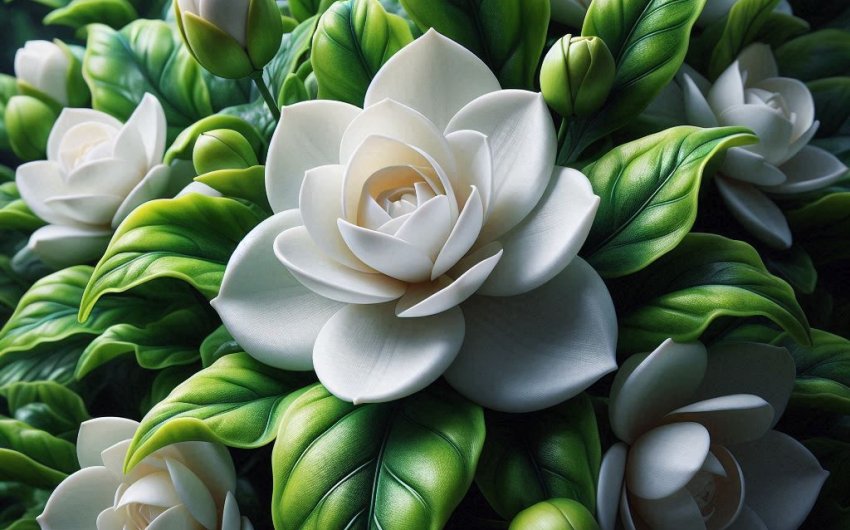
The allure of the gardenia houseplant is undeniable. With its glossy, dark green leaves and exquisite, often pure white blooms, it brings a touch of classic elegance to any indoor space. But it's the intoxicating fragrance that truly captures the heart, filling a room with a sweet, luxurious perfume that's unlike almost any other flower. It evokes images of warm southern nights and romantic gardens.
However, many gardeners consider the gardenia houseplant to be a bit of a challenge. These beauties have a reputation for being finicky, dropping buds, and developing yellow leaves if their specific needs aren't met. It's true that gardenias require a bit more attention than some other houseplants, but with the right knowledge and a consistent care routine, you can absolutely enjoy their stunning beauty and captivating scent indoors. This guide will unlock the "secrets" to successfully caring for gardenia houseplants, helping you nurture these fragrant beauties from imagination to a vibrant, blooming reality in your home.
What Are the Ideal Conditions for Gardenia Houseplants?
Gardenias are native to tropical and subtropical regions, which means they thrive in conditions that mimic their natural habitat. Providing these ideal conditions is the most important step in ensuring your gardenia houseplant remains healthy and blooms profusely. Think of it as creating a mini-paradise just for them.
How Much Light Do Gardenias Need?
Light is one of the most critical factors for gardenias. They are sun-loving plants, but they prefer a specific type of sun.
Gardenias need bright, indirect light for at least 6-8 hours a day. An east-facing window is often ideal because it provides gentle morning sun, which is strong enough to encourage blooming but not so intense that it scorches the leaves. A west-facing window can work too, but you might need to filter the afternoon sun with a sheer curtain to prevent leaf burn, especially in hot climates. South-facing windows can also be too intense without protection.
If your gardenia isn't getting enough light, you'll notice it. The leaves might look dull, growth will be leggy (stretched out), and, most importantly, it won't produce many flower buds. If natural light isn't enough, consider supplementing with a grow light. A LED grow light can provide the intensity and spectrum of light gardenias need to thrive indoors, especially during darker winter months.
Rotate your plant regularly (every week or two) to ensure all sides get even light exposure and to promote balanced growth.
What Temperature and Humidity Do Gardenias Prefer?
Temperature and humidity are interconnected for gardenias and are often where indoor growers run into trouble. They are tropical plants, so they like warmth and high moisture in the air.
Temperature: Gardenias prefer consistent temperatures.
- Daytime: Around 65-70°F (18-21°C) is ideal.
- Nighttime: Slightly cooler temperatures, around 60-65°F (15-18°C), can actually help encourage bud set.
- Avoid extremes: Keep your gardenia away from sudden temperature fluctuations, such as drafts from open windows, external doors, or heat/AC vents. These sudden changes can cause bud drop and leaf yellowing.
Humidity: This is where many indoor gardenias struggle. They need high humidity, typically above 60%. Our homes are often much drier, especially in winter when heating systems are running.
- Misting: Daily misting with a fine mist sprayer can help, but the effect is temporary.
- Pebble Trays: Place the plant's pot on a tray filled with pebbles and water. Make sure the bottom of the pot doesn't sit directly in the water, as this can lead to root rot. As the water evaporates, it increases humidity around the plant.
- Humidifier: The most effective way to provide consistent high humidity is to use a room humidifier near your gardenia. A small humidifier for plants can make a huge difference, especially during dry seasons.
- Grouping Plants: Grouping your gardenia with other houseplants can create a localized humid microclimate, as plants release moisture through their leaves.
Low humidity often leads to dry, crispy leaf edges, spider mites, and bud drop.
What Type of Soil is Best for Gardenias?
Gardenias are quite particular about their soil. They are acid-loving plants, meaning they thrive in soil with a low pH.
- Acidic Soil: The ideal soil pH for gardenias is between 5.0 and 6.0. If the pH is too high (alkaline), the plant can't properly absorb essential nutrients, especially iron, which leads to chlorosis (yellowing of leaves with green veins).
- Well-Draining: The soil must also be well-draining to prevent soggy roots and root rot. Yet, it also needs to retain enough moisture.
- Rich in Organic Matter: Gardenias appreciate rich, fertile soil.
Look for a potting mix specifically formulated for acid-loving plants, such as azaleas, camellias, or rhododendrons. You can also create your own mix by combining:
- Standard potting mix
- Peat moss (acidifies and retains moisture)
- Perlite or coarse sand (improves drainage)
- Composted pine bark or compost (adds organic matter and helps maintain acidity)
Avoid using standard garden soil, as it's often too heavy and not acidic enough for container-grown gardenias. A potting mix for acid-loving plants is a great starting point.
How Do I Water and Fertilize Gardenia Houseplants?
Once you've set up the ideal environment, consistent watering and proper fertilization are the next pillars of successful gardenia care. These aspects directly impact the plant's ability to thrive, bloom, and maintain its lush green foliage.
What are the Watering Needs of Gardenias?
Getting the watering right for gardenias can be tricky, as they don't like to be too wet or too dry. Consistency is key.
- Consistent Moisture: Gardenias prefer consistently moist soil, but never soggy. The soil should feel slightly damp, like a wrung-out sponge.
- Check Before Watering: Don't water on a schedule. Instead, check the soil moisture. Stick your finger about 1-2 inches deep into the soil. If it feels dry, it's time to water. If it still feels moist, wait.
- Water Thoroughly: When you do water, water deeply until you see water draining out of the bottom of the pot. This ensures the entire root ball gets hydrated.
- Drainage: Always ensure your pot has drainage holes. Sitting in standing water is a fast track to root rot for gardenias. Remove any excess water that collects in the saucer after about 30 minutes.
- Type of Water: If possible, use rainwater or distilled water. Tap water, especially if it's "hard" (high in minerals like calcium), can gradually increase the soil pH over time, making it less acidic and leading to nutrient deficiencies. If you must use tap water, let it sit out for 24 hours to allow chlorine to dissipate.
Underwatering leads to wilting and crispy leaves. Overwatering, on the other hand, is more insidious, causing root rot, yellowing leaves, and eventual plant collapse. It's often better to err on the side of slightly dry than too wet.
What Type of Fertilizer is Best for Gardenias?
Because gardenias are acid-loving plants and heavy feeders, they need regular fertilization, especially during their active growing and blooming periods.
- Acid-Forming Fertilizer: Use a fertilizer specifically formulated for acid-loving plants (like azaleas, camellias, or blueberries). These fertilizers typically contain micronutrients like iron, which gardenias are prone to deficiency in if the soil pH is too high. Look for a gardenia fertilizer or an acid-loving plant food.
- Micronutrients: Gardenias are particularly susceptible to iron deficiency (leading to classic chlorosis: yellow leaves with green veins) if the soil pH isn't acidic enough. If you see this, a chelated iron supplement can provide a quick fix. You can get a liquid iron supplement for plants.
- Fertilizing Schedule: Fertilize every 2-4 weeks during the active growing season (spring and summer), when the plant is producing new leaves and buds. Reduce or stop fertilizing in fall and winter when growth slows down.
- Dilution: Always dilute the fertilizer according to the package instructions. Over-fertilizing can burn the roots and harm the plant. It's better to under-fertilize slightly than to over-fertilize.
Remember, fertilizer isn't a substitute for proper soil pH. If your soil pH is too high, the plant simply can't access the nutrients, no matter how much fertilizer you apply. Address the pH first.
When and How Should I Prune and Repot My Gardenia?
Pruning and repotting are essential maintenance tasks that help keep your gardenia houseplant healthy, shapely, and productive over the long term. Doing them at the right time and in the right way prevents stress and encourages new growth and blooms.
When is the Best Time to Prune Gardenias?
Pruning gardenias is important for maintaining their shape, encouraging bushier growth, and promoting more blooms.
- After Flowering: The best time to prune your gardenia is immediately after it finishes its main bloom cycle. Gardenias typically form their flower buds on old wood (stems that grew the previous year). Pruning too late in the season (late summer or fall) can remove the very wood that would produce next year's flowers, reducing your bloom potential.
- Light Pruning: For general maintenance, light pruning involves simply snipping off spent flowers (deadheading) to encourage more blooms and to prevent the plant from putting energy into seed production. You can also pinch back leggy stems to encourage bushier growth.
- Shaping and Size Control: If your gardenia is getting too large or leggy, you can do more significant shaping. Cut back stems to just above a leaf node (where a leaf or branch attaches to the stem) or a branching point.
- Remove Dead/Damaged Wood: Always remove any dead, diseased, or damaged branches as soon as you notice them, regardless of the time of year. Use sharp, clean pruning shears to make clean cuts. A good pair of houseplant pruning snips will make this easy.
Avoid heavy pruning right before or during blooming, as this will sacrifice current flowers.
When and How Do I Repot a Gardenia?
Repotting is necessary when your gardenia outgrows its current pot, typically every 1-2 years. Look for signs like roots growing out of the drainage holes or the plant drying out much faster than usual.
- Timing: The best time to repot is in early spring, just before new growth begins, but after its main blooming period (if it's an early bloomer). This gives the plant time to recover from the stress of repotting before it puts energy into flowering.
- Choosing a New Pot: Select a pot that is only one size larger (e.g., from a 6-inch to an 8-inch pot). Going too large can lead to excess soil staying wet for too long, increasing the risk of root rot. Ensure the new pot has ample drainage holes. A ceramic plant pot with drainage can be both functional and attractive.
- Repotting Steps:
- Carefully remove the gardenia from its current pot. You might need to gently tap the sides or run a knife around the edge.
- Inspect the roots. If they are tightly circling the root ball, gently tease them apart. Remove any dead or mushy roots (signs of rot).
- Add a layer of fresh, acidic potting mix to the bottom of the new pot.
- Center the gardenia in the new pot, ensuring the top of the root ball is at the same level as it was in the old pot.
- Fill around the root ball with more fresh potting mix, gently tamping it down to remove large air pockets. Leave about an inch of space from the rim of the pot for watering.
- Water thoroughly after repotting until water drains from the bottom.
After repotting, place the plant in a bright, indirect light spot and hold off on fertilizing for a few weeks to allow it to recover from the shock.
What Are Common Problems with Gardenia Houseplants and How Do I Fix Them?
Despite your best efforts, gardenia houseplants can sometimes develop issues. Understanding these common problems – particularly yellowing leaves and bud drop – and knowing how to troubleshoot them is key to keeping your fragrant beauty thriving.
Why Are My Gardenia Leaves Turning Yellow?
Yellowing leaves (chlorosis) are a very common complaint with gardenias and usually point to a nutrient deficiency or a problem with soil pH that prevents nutrient uptake.
- Cause 1: Iron Deficiency (Chlorosis): This is the most frequent culprit. Gardenias need acidic soil to absorb iron. If the soil pH is too high (alkaline), iron becomes unavailable, even if it's present in the soil. The classic symptom is yellow leaves with prominent green veins. This is called interveinal chlorosis.
- Solution:
- Check Soil pH: Use a soil pH meter to confirm your soil's acidity.
- Lower pH: If pH is too high, use an acid-forming fertilizer. You can also water with a very dilute solution of white vinegar (1-2 tablespoons per gallon of water) once a month, or use a specific soil acidifier product like chelated iron or aluminum sulfate, following package directions.
- Supplement Iron: Apply a chelated iron supplement as a foliar spray or soil drench for a quicker fix.
- Solution:
- Cause 2: Nutrient Deficiencies (other than iron): A lack of other essential nutrients, like nitrogen or magnesium, can also cause general yellowing or yellowing of older leaves.
- Solution: Ensure you are consistently using a balanced, acid-forming fertilizer for gardenias during the growing season.
- Cause 3: Watering Issues: Both overwatering (leading to root rot) and severe underwatering can cause leaves to yellow and drop.
- Solution: Review your watering practices. Ensure good drainage.
- Cause 4: Temperature/Humidity Stress: Sudden changes in temperature or consistently low humidity can stress the plant, leading to leaf yellowing and drop.
- Solution: Maintain stable temperatures and high humidity around the plant.
Why Are My Gardenia Buds Dropping Off?
Bud drop is incredibly frustrating – all that anticipation for beautiful blooms, only to have them fall before opening. This is usually a sign of environmental stress.
- Cause 1: Low Humidity: This is the most common reason for bud drop. Dry air causes the delicate buds to dry out and fall off before they can open.
- Solution: Increase humidity around the plant using a humidifier, pebble tray, or frequent misting.
- Cause 2: Temperature Fluctuations: Sudden drafts (hot or cold), placing the plant too close to a heat/AC vent, or drastic temperature changes between day and night can shock the plant and cause buds to drop.
- Solution: Keep temperatures stable and consistent.
- Cause 3: Underwatering/Overwatering: Inconsistent watering, where the soil goes from bone dry to soaking wet, or is constantly soggy, can stress the plant and lead to bud abortion.
- Solution: Maintain consistent, even soil moisture.
- Cause 4: Insufficient Light: Not enough light can prevent buds from developing properly or opening.
- Solution: Ensure your gardenia gets bright, indirect light for 6-8 hours daily.
- Cause 5: Pests: Sap-sucking pests, like spider mites or aphids, can weaken the plant, causing it to drop buds.
- Solution: Inspect your plant regularly for pests. Treat with insecticidal soap or neem oil spray if detected.
How Do I Deal with Pests on Gardenias?
Gardenias can be susceptible to a few common houseplant pests, especially when conditions aren't ideal.
- Spider Mites: These tiny pests thrive in dry, warm conditions. Look for fine webbing on the undersides of leaves and small yellow or brown stippling on the foliage.
- Solution: Increase humidity (their natural enemy). Rinse leaves thoroughly with water. Apply insecticidal soap or neem oil every 5-7 days until they are gone.
- Aphids: Small, soft-bodied insects often found on new growth and flower buds, sucking sap.
- Solution: Spray with a strong stream of water to dislodge them. Use insecticidal soap or neem oil.
- Mealybugs: Look like small, white, cottony masses on stems and leaf axils.
- Solution: Dab them with a cotton swab dipped in rubbing alcohol. For heavier infestations, use insecticidal soap or neem oil.
Regular inspection is your best defense. Check the undersides of leaves and new growth regularly. Catching infestations early makes them much easier to control. Isolate any new plants you bring home for a few weeks to ensure they aren't carrying pests that could spread to your gardenia.