
Types of Houseplants: A Categorized Guide
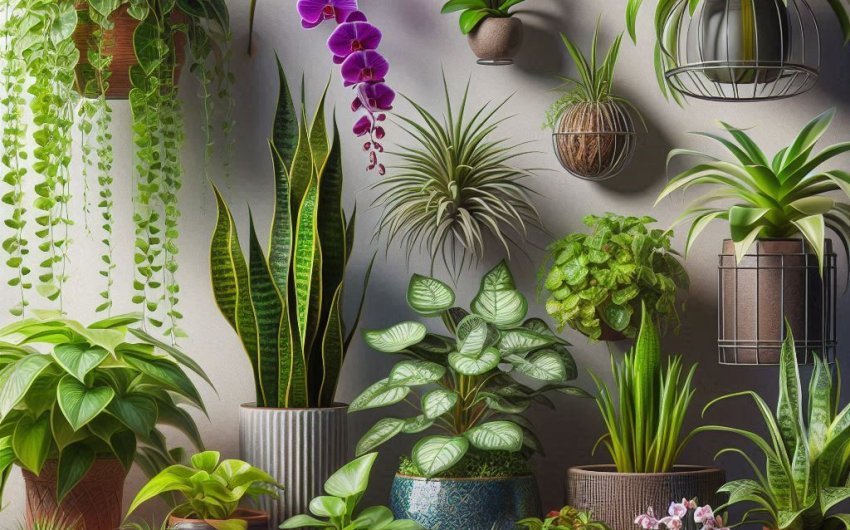
The verdant world of houseplants offers a captivating way to bring the beauty and tranquility of nature indoors, transforming sterile spaces into vibrant, living environments. With an astonishing diversity in size, shape, foliage, and flowering habits, navigating the vast array of options can feel overwhelming for both novice and experienced plant parents alike. Understanding the different types of houseplants by their characteristics and care needs is key to selecting the perfect green companions for your home and lifestyle. This categorized guide will demystify the indoor plant kingdom, helping you choose the right specimens to thrive in your specific conditions and enhance your indoor jungle.
Why Categorize Houseplants?
Categorizing houseplants isn't just for academic purposes; it's a practical approach that simplifies selection and care, leading to more successful and happier plants.
How Does Categorization Help Plant Owners?
- Simplified Selection: Instead of being overwhelmed by hundreds of individual species, you can narrow down your choices based on general categories that fit your home's light conditions or your care preferences (e.g., "I need a low-light plant" or "I want a drought-tolerant plant").
- Predictable Care: Plants within the same category often share similar basic care requirements. Once you understand the needs of a "succulent," you have a good starting point for caring for many different succulent species.
- Troubleshooting: Knowing the category can often help in diagnosing problems. If your desert cactus is rotting, you immediately suspect overwatering, as it's typical for its category.
- Designing Your Space: Categorization helps you choose plants that complement each other in terms of form, size, and texture, creating cohesive and aesthetically pleasing arrangements.
What Are Common Categories of Houseplants by Light Needs?
Light is arguably the most crucial factor for houseplant health. Categorizing by light needs is often the first step in choosing the right plant for the right spot in your home.
Low-Light Houseplants
These resilient plants can tolerate and even thrive in conditions where natural light is limited, making them perfect for rooms with north-facing windows, offices, or darker corners.
- Characteristics: Often have dark green leaves to maximize light absorption. They typically grow slowly in low light.
- Care Tip: While tolerant, "low light" does not mean "no light." They still need some ambient light. Overwatering is a major risk in low light.
- Examples:
- ZZ Plant (Zamioculcas zamiifolia): Extremely tolerant of neglect and very low light. Has thick, waxy, upright leaves. A ZZ Plant is almost indestructible.
- Snake Plant (Sansevieria trifasciata): Iconic upright, sword-like leaves. Tolerates very low light and infrequent watering.
- Pothos (Epipremnum aureum): Versatile vining plant with heart-shaped leaves, available in various variegations. Tolerates a wide range of light, including low.
- Peace Lily (Spathiphyllum): Known for its elegant white "flowers" (modified leaves or spathes). Prefers low to medium indirect light.
- Cast Iron Plant (Aspidistra elatior): Lives up to its name, incredibly hardy and tolerant of deep shade.
Medium-Light Houseplants
This is a broad category encompassing many popular houseplants that prefer bright, indirect light. They should be placed near a window but not in the direct path of the sun's harsh rays.
- Characteristics: Often have varied foliage colors and patterns, and some may flower regularly.
- Care Tip: Rotate these plants regularly to ensure even growth. Avoid placing them in direct sun, which can scorch their leaves.
- Examples:
- Monstera deliciosa (Swiss Cheese Plant): Large, dramatic leaves with natural fenestrations (holes/splits). Prefers bright, indirect light.
- Philodendron (various species): Many varieties, from vining types like Philodendron hederaceum (Heartleaf Philodendron) to upright Philodendron selloum (Split-Leaf Philodendron). Most prefer medium to bright indirect light.
- Fiddle Leaf Fig (Ficus lyrata): While often challenging, it truly thrives in bright, indirect light with some morning direct sun. Gets leggy in low light. A Fiddle Leaf Fig plant is a bold statement.
- Prayer Plant (Maranta leuconeura): Beautiful patterned leaves that fold up at night. Prefers medium light and high humidity.
- Spider Plant (Chlorophytum comosum): Easy-care classic with arching, striped leaves and "plantlets" that dangle. Tolerates various light conditions but thrives in medium light.
High-Light / Sun-Loving Houseplants
These plants crave abundant light, including several hours of direct sunlight. They typically originate from deserts or tropical areas with intense sun.
- Characteristics: Often have thick, fleshy leaves (succulents), or come from arid regions. Many are also flowering plants.
- Care Tip: Place in front of south-facing or unobstructed west-facing windows. Be mindful of scorching afternoon sun for some.
- Examples:
- Cacti (various species): All cacti need bright, direct sun to prevent etiolation (stretching due to lack of light).
- Succulents (e.g., Echeveria, Sedum, Crassula): Require lots of direct sun to maintain their compact shape and vibrant colors. A succulent variety pack offers a good start.
- Bird of Paradise (Strelitzia reginae): Large, dramatic foliage and crane-like flowers (if light is sufficient). Needs at least 6 hours of direct sun.
- Aloe Vera (Aloe barbadensis miller): Medicinal plant that loves bright, direct light.
- Jasmine: Many jasmine varieties that can be grown indoors prefer bright, direct light to encourage flowering.
What Are Common Categories of Houseplants by Growth Habit?
The way a plant grows influences where and how you display it, from tabletop accents to dramatic ceiling hangers.
Upright / Bushy Houseplants
These plants grow vertically or in a compact, bushy form, making them ideal for floor space, tabletops, or windowsills where height or mass is desired.
- Characteristics: Strong central stems or multiple stems forming a dense bush.
- Care Tip: May need occasional pruning to maintain shape or encourage bushiness.
- Examples:
- Fiddle Leaf Fig (Ficus lyrata): Can grow into a small indoor tree.
- Rubber Plant (Ficus elastica): Classic upright plant with glossy, large leaves.
- ZZ Plant (Zamioculcas zamiifolia): Upright, architectural form.
- Snake Plant (Sansevieria trifasciata): Strict upright growth.
- Areca Palm (Dypsis lutescens): Grows into a bushy clump of feathery fronds. A large Areca Palm can fill a corner.
Trailing / Vining Houseplants
Perfect for hanging baskets, shelves, or cascading down furniture, these plants add a lush, flowing element to your decor.
- Characteristics: Long, flexible stems that can grow downwards or be trained to climb.
- Care Tip: Can be pruned to encourage bushiness or rooted into new plants from cuttings.
- Examples:
- Pothos (Epipremnum aureum): Extremely popular and easy to grow.
- Philodendron (Heartleaf Philodendron): Similar to Pothos but often with solid green or slightly different leaf shapes.
- Spider Plant (Chlorophytum comosum): Produces long stolons with baby plantlets.
- String of Pearls (Senecio rowleyanus): Unique succulent with spherical leaves on long strings. Needs bright light.
- Hoyas (Wax Plant): Many varieties with waxy, sometimes patterned leaves and fragrant, star-shaped flowers. A beautiful Hoya plant makes a great hanging plant.
Clumping / Spreading Houseplants
These plants spread outwards, either through rhizomes or by producing offsets, often forming dense clumps or groundcover.
- Characteristics: Grow wider rather than strictly tall or long.
- Care Tip: May need division over time to prevent overcrowding.
- Examples:
- Peace Lily (Spathiphyllum): Forms a clumping mound of foliage.
- Boston Fern (Nephrolepis exaltata 'Bostoniensis'): Classic feathery fern that spreads into a dense mound.
- African Violet (Saintpaulia): Small, compact rosettes.
- Alocasia (Elephant Ear Plant): Grow from tubers, forming large, dramatic leaves in clumps.
- Calathea / Maranta (Prayer Plant): Form beautiful, colorful clumps of foliage. A Calathea plant is known for its stunning leaf patterns.
What Are Common Categories of Houseplants by Water Needs?
How often a plant needs watering is a significant consideration for many gardeners. This categorization helps match plants to your watering habits.
Drought-Tolerant Houseplants
These plants can go for extended periods without water, storing it in their leaves, stems, or roots. They are perfect for infrequent waterers or those who travel often.
- Characteristics: Often have thick, fleshy leaves, waxy coatings, or succulent stems.
- Care Tip: Overwatering is their biggest enemy. Always allow the soil to dry out completely between waterings.
- Examples:
- Cacti: All cacti fall into this category.
- Succulents (e.g., Aloe, Jade Plant, Echeveria, ZZ Plant, Snake Plant): Store water in their leaves or stems.
- Ponytail Palm (Beaucarnea recurvata): Stores water in its swollen trunk.
- Haworthia: Small, architectural succulents that are very drought-tolerant. A Haworthia plant is a great desk plant.
Moderately Water-Needy Houseplants
The majority of common houseplants fall into this category. They prefer consistently moist soil but do not like to sit in soggy conditions.
- Characteristics: Wide range of foliage types, often from tropical or subtropical regions.
- Care Tip: Allow the top inch or two of soil to dry out before watering thoroughly.
- Examples:
- Pothos, Philodendron (Heartleaf), Monstera deliciosa: Many popular vines.
- Rubber Plant (Ficus elastica), Fiddle Leaf Fig (Ficus lyrata): Larger foliage plants.
- Spider Plant (Chlorophytum comosum), Peace Lily (Spathiphyllum): Common leafy greens.
- Dracaena (various species): Upright, cane-forming plants. A Dracaena plant is very popular.
High-Water / Moisture-Loving Houseplants
These plants need consistently moist (but not waterlogged) soil and often high humidity. They are not for the forgetful waterer.
- Characteristics: Often have delicate, thin leaves or come from rainforest understory environments.
- Care Tip: Never let the soil dry out completely. May require daily watering in warm weather or a self-watering pot. High humidity is often crucial.
- Examples:
- Ferns (e.g., Boston Fern, Maidenhair Fern): Prefer consistently moist soil and high humidity.
- Calathea / Maranta (Prayer Plant): Sensitive to drying out and low humidity.
- Alocasia (Elephant Ear Plant): Needs consistent moisture during growing season.
- Polka Dot Plant (Hypoestes phyllostachya): Small, colorful foliage plant that wilts dramatically if too dry.
What Are Common Categories of Houseplants by Key Feature?
Some houseplants are chosen for a specific standout characteristic, whether it's their blooms, unique foliage, or ability to purify air.
Flowering Houseplants
These plants are grown primarily for their beautiful blooms, adding seasonal or continuous color to your indoor space.
- Characteristics: Require specific light and care to encourage flowering.
- Care Tip: Often need consistent light, proper fertilization (higher in phosphorus), and sometimes specific temperature fluctuations to bloom.
- Examples:
- Orchids (Phalaenopsis is most common): Elegant, long-lasting blooms. A Phalaenopsis Orchid is a classic.
- African Violet (Saintpaulia): Small, continuous bloomer with fuzzy leaves.
- Christmas Cactus (Schlumbergera): Blooms around holidays.
- Peace Lily (Spathiphyllum): Known for its white spathes.
- Anthurium (Flamingo Flower): Bright, waxy, heart-shaped spathes.
Foliage Houseplants (Primary)
The vast majority of houseplants are grown for their attractive leaves, which come in an endless variety of shapes, sizes, colors, and patterns.
- Characteristics: Focus is on the aesthetic appeal of the leaves rather than flowers.
- Care Tip: Ensure proper light to maintain vibrant coloration, especially for variegated varieties.
- Examples:
- Monstera, Fiddle Leaf Fig, Rubber Plant: Large, dramatic foliage.
- Pothos, Philodendron, ZZ Plant, Snake Plant: Easy-care staples with appealing leaves.
- Calathea, Coleus (indoor varieties), Croton (Codiaeum), Rex Begonia: Known for incredibly colorful or patterned foliage. A Calathea Medallion is a stunner.
Air Purifying Houseplants
Certain houseplants are particularly effective at removing common indoor air pollutants (like formaldehyde, benzene, xylene) according to studies like NASA's Clean Air Study.
- Characteristics: Possess specific abilities to metabolize airborne toxins.
- Care Tip: While they purify air, they still need proper care to stay healthy themselves.
- Examples:
- Snake Plant (Sansevieria trifasciata): Excellent for filtering benzene, formaldehyde, trichloroethylene, xylene, and toluene.
- Pothos (Epipremnum aureum): Filters formaldehyde, carbon monoxide, and benzene.
- Spider Plant (Chlorophytum comosum): Great for formaldehyde and xylene.
- Peace Lily (Spathiphyllum): Filters ammonia, benzene, formaldehyde, and trichloroethylene.
- Boston Fern (Nephrolepis exaltata 'Bostoniensis'): Good for formaldehyde and xylene.
What Are Other Less Common but Interesting Categories?
Expanding beyond the most common classifications, there are other intriguing types of houseplants that offer unique challenges and rewards.
Terrarium Plants
Small, humidity-loving plants that thrive in enclosed or semi-enclosed environments, creating miniature ecosystems.
- Characteristics: Often delicate, slow-growing, and require high humidity.
- Care Tip: Maintain high humidity and consistent moisture.
- Examples:
- Fittonia (Nerve Plant): Colorful foliage that loves humidity.
- Mosses: Provide green groundcover.
- Small Ferns (e.g., Lemon Button Fern): Miniature varieties that stay compact.
- Creeping Fig (Ficus pumila): A tiny vining plant. A Terrarium Plant Kit can offer a good selection.
Carnivorous Plants
Fascinating plants that derive some or most of their nutrients from trapping and consuming insects.
- Characteristics: Unique trapping mechanisms (pitchers, sticky leaves, snap traps). Require specific care, often distilled water and high humidity.
- Care Tip: Do not use tap water. Provide high humidity and insect prey (or feed them).
- Examples:
- Venus Flytrap (Dionaea muscipula): Iconic snapping traps.
- Pitcher Plant (Sarracenia, Nepenthes): Produces pitcher-shaped leaves to trap insects.
- Sundew (Drosera): Sticky tentacles to ensnare prey. A Venus Flytrap plant is a popular beginner choice.
Aquatic/Semi-Aquatic Houseplants
Plants that can grow with their roots partially or fully submerged in water.
- Characteristics: Adapted to wet conditions. Can be grown in clear vases or indoor ponds.
- Care Tip: Maintain clean water.
- Examples:
- Lucky Bamboo (Dracaena sanderiana): Often grown in water in decorative arrangements.
- Pothos/Philodendron cuttings: Can be rooted and live long-term in water.
- Peace Lily: Can be grown hydroponically.
By understanding these diverse types of houseplants and their specific needs, you're empowered to make informed choices that will lead to a thriving and aesthetically pleasing indoor garden, customized perfectly for your home and your unique gardening style.