
Climbing and Trailing Houseplants: Add Vertical Interest
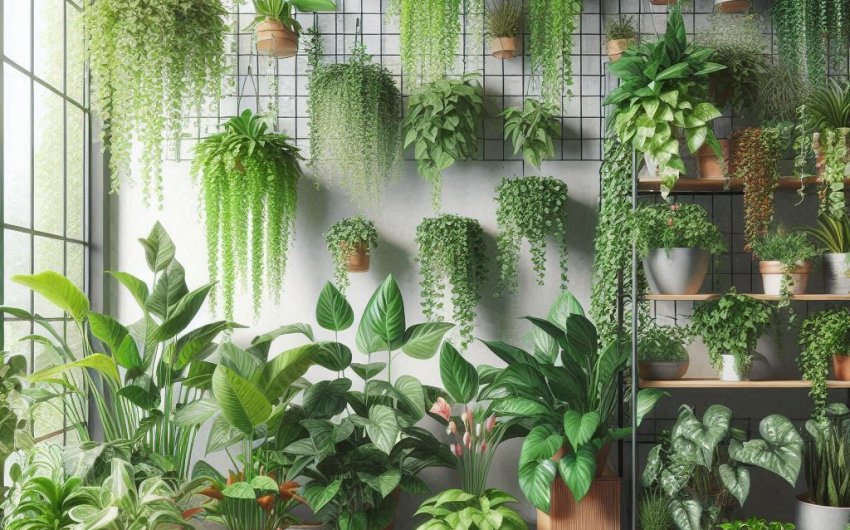
Incorporating climbing and trailing houseplants into your indoor decor is an exceptional way to elevate your green space, literally. These versatile plants offer a unique dimension, allowing you to add vertical interest and transform flat surfaces into dynamic living art. Whether you envision lush curtains of foliage cascading from shelves or vibrant vines ascending a moss pole, these aerial beauties bring an extraordinary sense of depth and movement, making every corner feel more alive and engaging. Their diverse forms and relatively easy care make them a fantastic choice for both novice and experienced plant enthusiasts looking to enhance their home's natural aesthetic.
Why choose climbing and trailing houseplants to add vertical interest?
Climbing and trailing houseplants offer a dynamic visual appeal that ground-level plants simply cannot match. They leverage vertical space, turning otherwise empty walls, ceilings, and forgotten corners into vibrant displays of living art. This ability to add vertical interest is precisely what makes them so desirable in home decor.
How do climbing and trailing plants naturally behave?
To understand why these plants are so effective vertically, it helps to look at how they grow in their natural environments, typically in tropical rainforests:
- Climbing (Vining): Many of these plants are vines by nature, often starting on the forest floor and then actively seeking out vertical supports like tree trunks to grow upwards. They use various methods to climb:
- Aerial Roots: Many plants, like Pothos and Philodendrons, develop aerial roots along their stems. These roots don't primarily absorb water or nutrients from the soil; instead, they cling to rough surfaces, providing stability as the plant ascends. In a home, they'll latch onto moss poles, trellises, or even textured walls.
- Tendrils: Some plants produce specialized slender growths called tendrils that coil around supports they touch, effectively pulling the plant upwards. Examples are less common among the most popular houseplants but found in some edible vines.
- Twining Stems: Other climbers have stems that naturally spiral and twist around a support. This is common with some hoya varieties.
- Trailing (Cascading): When a climbing plant doesn't find a vertical support to ascend, or when its natural habitat involves growing over rocks or along the ground, its stems will naturally trail or cascade downwards. This creates a beautiful waterfall effect of foliage. In a home, this means they're perfect for hanging baskets, high shelves, or mantels where their vines can spill freely. The same plant can often be both a climber and a trailer, depending on whether it's given support.
What are the design benefits of using plants that add vertical interest?
- Maximizing Space: In smaller homes or apartments, floor space is precious. Climbing and trailing plants allow you to incorporate lush greenery without taking up valuable floor or counter space. They utilize walls, ceilings, and the unused areas above furniture.
- Creating Depth and Dimension: Flat walls can feel monotonous. A plant trailing down a wall or climbing upwards adds immediate depth and a sense of dynamism. This three-dimensional quality makes a room feel more alive and visually complex.
- Drawing the Eye Upwards: Vertical elements naturally guide the eye upwards, which can make ceilings appear higher and rooms feel more expansive. This is particularly effective in rooms with lower ceilings.
- Softening Architectural Lines: The organic, flowing lines of vining plants can soften the harsh angles and straight lines of modern architecture or furniture, creating a more natural and inviting atmosphere.
- Creating Living Walls and Green Screens: With enough plants and the right support systems, you can create stunning "living walls" or use trailing plants as natural privacy screens in front of windows.
- Adding Dynamic Texture and Movement: Unlike static potted plants, vining plants offer a sense of movement as their stems grow and cascade. The varied textures of their leaves—from smooth and glossy to textured or velvety—further enhance visual interest.
- Unique Focal Points: A well-placed climbing plant on a tall moss pole or a dramatic trailing plant spilling from a high shelf can become an instant focal point in a room, drawing attention and admiration.
By choosing climbing and trailing houseplants, you're not just adding greenery; you're incorporating active design elements that dramatically enhance the aesthetic and feel of your indoor spaces, truly allowing you to add vertical interest.
What are the best climbing and trailing houseplants for various light conditions?
Choosing the right climbing and trailing houseplants means matching the plant to your home's unique light conditions. While many popular varieties are quite adaptable, understanding their preferences will help them truly add vertical interest and flourish.
Which climbing and trailing plants thrive in low to medium light?
These plants are incredibly versatile and forgiving, making them excellent choices for beginners or those with less sunny spaces.
Pothos (Epipremnum aureum): Often called "Devil's Ivy" because it's so hard to kill, Pothos is perhaps the most popular trailing houseplant. It thrives in low to medium indirect light, though its variegation (colored patterns on leaves) will be more pronounced in brighter light. Its long, trailing vines with heart-shaped leaves can reach impressive lengths. Popular varieties include 'Golden' (green with yellow variegation), 'Marble Queen' (green with white variegation), and 'Neon' (bright chartreuse). You can find a Pothos plant at almost any plant store.
Heartleaf Philodendron (Philodendron hederaceum): Very similar to Pothos in care and appearance, the Heartleaf Philodendron features smaller, glossy, heart-shaped green leaves. It's incredibly tolerant of low light conditions, making it perfect for dim corners or shelves. Its vining habit makes it excellent for trailing or climbing a small moss pole. A classic Heartleaf Philodendron is always a good choice.
ZZ Plant (Zamioculcas zamiifolia): While not strictly a vining plant, the ZZ Plant sends out long, arching stems with waxy, dark green leaves. While it doesn't trail or climb in the traditional sense, its impressive height and spread can add vertical interest to a floor or shelf space. It's one of the most drought-tolerant and low-light adaptable plants available. The 'Raven' variety is striking with its dark purple-black foliage. A ZZ Plant thrives on neglect.
Hoya (Hoya carnosa and others): Many Hoya varieties are excellent low to medium light climbers and trailers. Their thick, waxy leaves come in various shapes and patterns, and many produce beautiful, fragrant, star-shaped flowers. They are drought-tolerant and prefer to dry out between waterings. 'Hoya carnosa' (also known as Wax Plant) and 'Hoya pubicalyx' are common choices. Find a lovely Hoya plant to add unique texture.
Prayer Plant (Maranta leuconeura): Known for its striking foliage patterns (green, red, pink, and silver) and habit of folding its leaves up at night, the Prayer Plant is a beautiful low-growing, trailing plant. It thrives in medium to low indirect light and appreciates higher humidity. Its cascading habit makes it wonderful for shelves or hanging baskets. Get a vibrant Prayer Plant for its unique daily movement.
Which climbing and trailing plants prefer bright, indirect light?
These plants will show their best growth and most vibrant colors with plenty of bright, indirect light.
Monstera Deliciosa: While typically grown for its impressive, fenestrated leaves that grow upwards on a moss pole or trellis, the Monstera Deliciosa is inherently a vining plant. Its mature leaves develop those iconic splits (fenestrations) in good light. It needs bright, indirect light to produce its best foliage and robust growth. A Monstera Deliciosa plant creates a tropical statement.
Swiss Cheese Plant (Monstera adansonii): This smaller relative of Monstera deliciosa is a fantastic trailing or climbing plant. Its leaves have distinct holes or "fenestrations," even when young. It thrives in bright, indirect light but can tolerate medium light. It looks great in a hanging basket or climbing a small totem. Find your own Monstera adansonii for its unique perforated leaves.
Syngonium (Arrowhead Plant) (Syngonium podophyllum): As it matures, the Arrowhead Plant transitions from a bushy shape to a vining one, sending out long stems. Its arrowhead-shaped leaves come in a wide range of colors (green, pink, white, red, cream) and variegations. It does best in bright, indirect light, which encourages vibrant leaf color. Popular varieties include 'Neon Robusta' (pink), 'White Butterfly' (white and green), and 'Imperial White' (highly variegated). Get a colorful Syngonium plant to watch it change shape.
Scindapsus Pictus (Satin Pothos): Though often mistaken for Pothos, Satin Pothos (Scindapsus pictus) has thicker, velvety leaves with beautiful silver variegation. It's a fantastic trailing plant that prefers bright, indirect light to maintain its vibrant silver patterns. Varieties like 'Exotica' and 'Argyraeus' are very popular. A Satin Pothos adds a touch of shimmer.
String of Pearls (Senecio rowleyanus): Famous for its distinctive bead-like foliage that cascades gracefully, String of Pearls is a beautiful trailing succulent. It needs very bright, indirect light to thrive and avoid becoming leggy. It's crucial to be mindful of its watering needs, as succulents are prone to rot from overwatering. Grow a unique String of Pearls plant for a delicate look.
Burro's Tail (Sedum morganianum): Another popular trailing succulent, Burro's Tail has thick, overlapping, tear-drop shaped leaves that form long, rope-like stems. It thrives in bright, indirect light and needs well-draining soil and infrequent watering. Its unique texture is truly captivating. Add a textured Burro's Tail plant to your collection.
By selecting the right climbing and trailing houseplants for your light conditions, you'll ensure they grow strong and healthy, ready to provide that stunning vertical interest you desire.
How can I support and display climbing and trailing houseplants?
Once you've chosen your climbing and trailing houseplants, the next step is deciding how to support and display them to truly add vertical interest to your space. The right support can encourage robust growth, showcase their unique habits, and transform them into living works of art.
What are the best ways to support climbing plants?
For plants that naturally want to climb, providing a suitable structure is key to their health and aesthetic appeal.
- Moss Poles (Coir Poles): These are perhaps the most popular and effective supports for tropical climbers like Monsteras, Philodendrons, and Pothos. A moss pole is typically a wooden or plastic stake wrapped in sphagnum moss or coir (coconut fiber). The plant's aerial roots can latch onto the moist moss, allowing the plant to climb upwards and encouraging larger, more mature foliage. You can periodically mist the moss pole to encourage root adhesion. As the plant grows taller, you can extend the pole by adding another section on top.
- Trellises: Indoor plant trellises come in various materials (bamboo, wood, metal, plastic) and shapes (obelisk, fan, grid). They are great for plants that twine or have small aerial roots that can grip. Use soft ties, like garden velcro ties, to gently attach the growing stems to the trellis as they grow upwards.
- Stakes and Cages: For less aggressive climbers or plants that just need a little support to stay upright, simple bamboo stakes or small plant cages can be effective. This is good for supporting new growth or for plants that might otherwise flop.
- Wall Clips/Hooks: For a truly integrated look, you can train vining plants directly onto a wall using small, adhesive plant wall clips. This allows you to create living patterns or frame artwork with foliage. Ensure the plant is healthy and growing strongly before attempting this.
- Natural Branches or Driftwood: For a more rustic or natural aesthetic, you can use cleaned, sturdy driftwood or branches as climbing structures. Secure them firmly in the pot or to a weighted base.
What are creative ways to display trailing plants?
Trailing plants offer a natural elegance as they cascade downwards, and their display options are numerous.
- Hanging Baskets: The most classic way to display trailing plants. Macrame plant hangers add a bohemian touch, while simple ceramic or plastic hanging pots can suit modern aesthetics. Hang them from the ceiling, curtain rods, or sturdy wall hooks. Ensure the hanger and hook can support the weight of the pot, plant, and wet soil.
- High Shelves and Bookcases: Let vines spill over the edges of high shelves, mantels, or bookcases. This draws the eye upwards and creates a lush, layered look. You can intersperse them with books and other decor items.
- Top of Furniture: Place trailing plants on top of tall cabinets, wardrobes, or refrigerators. Just ensure they get enough light in that spot.
- Windowsills (High): If you have a high windowsill, it's a perfect spot for smaller trailing plants to get light and cascade down.
- Repurposed Items: Get creative! Use an old birdcage, an antique stand, or even a tiered fruit basket to display multiple small trailing plants.
- Wall-Mounted Planters: Some wall-mounted planters are designed specifically for trailing plants, allowing the foliage to drape beautifully.
Tips for success when displaying vertically:
- Consider Light Source: When placing a plant on a shelf or high up, remember that light typically comes from windows. Ensure the plant still receives adequate light, even from above. You might need to rotate the pot periodically so all sides of the plant get light.
- Watering Logistics: Watering plants in high places can be a challenge. Use a long-spout watering can and be mindful of drips. Consider taking hanging plants down to water them in a sink or tub, allowing them to drain completely before rehanging.
- Pruning for Bushiness: For many trailing plants, regular pruning of the tips will encourage bushier growth nearer the pot, preventing them from becoming too leggy and sparse at the top. You can often root these cuttings to create new plants!
- Safety First: When hanging plants, use secure hooks and anchors. Ensure shelves are sturdy enough to bear the weight.
By thoughtfully selecting and utilizing these various support and display methods, you can empower your climbing and trailing houseplants to truly flourish and magnificently add vertical interest throughout your home, turning ordinary spaces into extraordinary green havens.
What are the key care considerations for climbing and trailing houseplants?
While generally easy to grow, climbing and trailing houseplants have specific care needs that, when met, ensure their vibrant health and impressive growth as they add vertical interest to your home. Understanding these nuances will help you nurture them into thriving green waterfalls or majestic climbers.
How should I water climbing and trailing plants?
Watering is crucial, and it depends on the plant's specific needs, which often correlate with its light requirements.
- Check Before Watering: Always check the soil moisture before watering. Stick your finger 1-2 inches deep into the soil. Most vining plants prefer to dry out somewhat between waterings. For plants like Pothos and Philodendron, wait until the top few inches are dry. For succulents like String of Pearls or Burro's Tail, allow the soil to dry out almost completely.
- Water Thoroughly: When you do water, soak the soil until water drains from the bottom of the pot. This encourages deep root growth.
- Empty Saucer/No Standing Water: Never let the pot sit in standing water. For hanging baskets, take them down and let them drain completely in a sink or tub before rehanging. This prevents root rot.
- Reduce Watering in Winter: In fall and winter, when light levels are lower and plant growth slows, reduce the frequency of watering significantly.
What kind of light do they need?
As discussed, light is paramount for growth and variegation.
- Match Light to Plant: Ensure your chosen plant receives its preferred light level. Low-light tolerant plants will survive in dimmer spots, but most will produce more vigorous growth and better variegation in bright, indirect light.
- Rotate Regularly: If a plant is near a window, rotate it periodically (e.g., every week or two) so all sides receive adequate light. This encourages even growth and prevents the plant from growing lopsidedly towards the light source.
- Supplemental Lighting: For very dim areas, consider using a small grow light to give your plant the boost it needs. This is especially helpful in winter months.
Do they need fertilizer?
- During Growing Season: Fertilize only during the active growing season (typically spring and summer) when the plant is actively putting out new leaves and vines.
- Dilute and Infrequent: Use a balanced liquid houseplant fertilizer at half or quarter strength, applied every 2-4 weeks or less frequently than recommended on the label. Over-fertilizing can lead to nutrient burn or leggy, weak growth.
- Water First: Always water the plant thoroughly before applying fertilizer to prevent root burn.
What about humidity and temperature?
Most climbing and trailing houseplants are tropical and appreciate warmer, more humid conditions.
- Humidity: While they generally adapt to average household humidity, they will thrive with higher levels. Consider using a humidity tray, grouping plants together, or using a room humidifier, especially during dry winter months.
- Temperature: Maintain consistent indoor temperatures, ideally between 65-80°F (18-27°C). Avoid placing them near cold drafts, open windows in winter, or heating/AC vents, which can cause sudden temperature fluctuations.
How often should I prune climbing and trailing plants?
Pruning is essential for maintaining plant health, shape, and encouraging bushiness.
- Encourage Bushiness: If your vining plant is becoming long and sparse ("leggy"), prune back the tips of the vines. This encourages the plant to branch out closer to the base, resulting in a fuller appearance.
- Remove Damaged or Dead Growth: Regularly remove any yellow, brown, or dead leaves or stems to direct the plant's energy towards healthy growth.
- Size Control: Prune to maintain the desired length and shape. Don't be afraid to cut back long vines; many of these plants respond well to pruning.
- Propagate Cuttings: The cuttings you prune from most vining plants (like Pothos, Philodendron, Hoya) can often be rooted in water or soil to create new plants, expanding your collection!
When should I repot them?
- When Root-Bound: Repot when the plant becomes root-bound, meaning roots are growing out of the drainage holes or circling tightly around the inside of the pot.
- Appropriate Pot Size: Only go up one pot size (e.g., from a 6-inch to an 8-inch pot). Too large a pot can hold excess moisture, increasing the risk of root rot.
- Fresh Potting Mix: Use fresh, well-draining potting mix when repotting.
By diligently applying these care practices, your climbing and trailing houseplants will flourish, becoming magnificent features that truly add vertical interest and bring vibrant life to every corner of your home.