
Grow Your Own Houseplants: Starting from Seeds
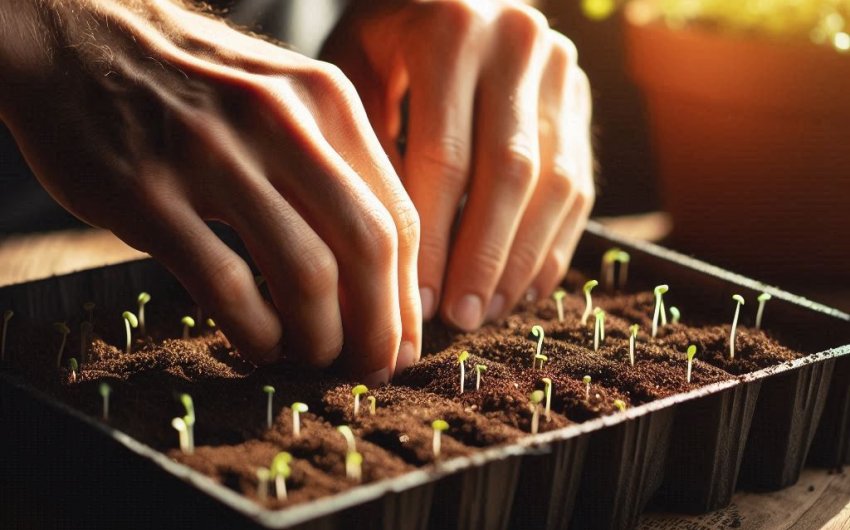
There's a unique satisfaction that comes with watching a plant flourish under your care, transforming from a tiny sprout into a vibrant display of foliage. While propagating houseplants from cuttings is a popular method, an even more rewarding journey begins with a humble seed. Imagine the thrill of seeing the first delicate green shoot emerge from the soil, knowing you nurtured it from its very beginning. Learning to grow your own houseplants from seeds might seem a bit daunting at first, but it opens up a world of possibilities, offering rare varieties, cost savings, and a deeper connection to your botanical companions. Get ready to embark on an exciting indoor gardening adventure, transforming tiny seeds into thriving indoor greenery.
Why Grow Houseplants from Seeds?
While buying a mature houseplant is convenient, starting from seed offers a host of unique benefits that can deepen your gardening experience and expand your collection.
What are the Benefits of Seed Starting?
- Cost-Effective: This is perhaps the most immediate and obvious advantage. A packet of seeds typically costs a fraction of the price of a single mature houseplant. You can get dozens, sometimes hundreds, of potential plants for the price of one store-bought specimen. This is especially true for popular or rare varieties that can be quite expensive as established plants.
- Wider Variety and Access to Rarities: Garden centers and nurseries only stock what's popular and easy to mass-produce. Seed catalogs and online retailers, however, offer an incredible diversity of houseplant species, including many unusual, rare, or hard-to-find varieties that you simply won't see anywhere else. If you're looking for a unique philodendron, an exotic fern, or a specific type of palm, seeds might be your only option.
- Learning and Deeper Connection: There's an immense sense of accomplishment and a deeper connection to your plants when you've nurtured them from a tiny seed. You learn about their complete life cycle, their specific germination needs, and witness every stage of their development firsthand. This builds gardening skills and patience.
- Healthier Plants (Often): Plants grown from seed in your own controlled environment can often be healthier than those bought from stores. They haven't been subjected to shipping stress, pest exposure in crowded nurseries, or inconsistent watering regimes. They adapt to your home's environment from day one.
- Pest and Disease Free Start: Seeds are generally free of pests and diseases that might be present on nursery plants. This gives your new houseplants a clean, healthy start without the risk of introducing unwanted hitchhikers into your home.
- Gifting Potential: What better gift for a fellow plant lover than a houseplant you grew from seed yourself? It's a thoughtful, personal, and sustainable present.
- The Thrill of Germination: There's a genuine thrill and wonder in watching a tiny sprout emerge from seemingly lifeless soil. It's a reminder of nature's power and resilience, right there in your home.
What Challenges Should I Be Aware Of?
While rewarding, starting houseplants from seed does come with its own set of challenges, especially compared to just buying a mature plant.
- Patience is Key: Many houseplant seeds, especially those for larger or slower-growing species (like palms or some monsteras), can take weeks, months, or even over a year to germinate. Even after germination, growth can be slow. This is not a fast gratification hobby.
- Specific Requirements: Houseplant seeds often have specific germination requirements (e.g., stratification, scarification, specific temperatures, light/dark needs). Ignoring these can lead to germination failure.
- Lower Germination Rates: Not all seeds in a packet will germinate, especially for certain exotic or older seeds. Expect some failures.
- Seed Viability: The freshness of seeds plays a big role. Older seeds may have significantly reduced germination rates. Always try to buy fresh seeds from reputable suppliers.
- Specialized Equipment (Sometimes): While you can start simply, providing optimal conditions for many houseplant seeds often requires a seed starting mat, grow lights, and humidity domes. This can be an initial investment.
- Transplanting Delicate Seedlings: Young seedlings are very fragile and susceptible to "damping off" disease (a fungal infection) or shock during transplanting.
- Genetic Variation: Plants grown from seed may not be identical to the "parent" plant, especially if the parent was a hybrid or a specific cultivar (cultivated variety). This can be a pro or a con depending on what you're looking for!
Despite the challenges, the deep satisfaction and unique benefits of growing your own houseplants from seed make it a highly worthwhile endeavor for any dedicated plant enthusiast.
What Supplies Do I Need for Starting Houseplant Seeds?
Gathering the right supplies before you begin will make the seed-starting process smoother and increase your chances of success. You don't need to break the bank, but a few key items are essential.
Essential Basic Supplies
- Houseplant Seeds: Obviously! Purchase from reputable seed companies known for fresh, viable seeds. Look for seeds specifically for indoor plants or those that can be adapted to indoor growing.
- Seed Starting Mix: This is different from regular potting soil.
- Characteristics: It's typically soilless, very fine, sterile, and drains extremely well. It's often a mix of peat moss or coir, perlite, and vermiculite.
- Why: Sterile to prevent "damping off" disease (a common killer of seedlings), fine enough for tiny seeds to root, and lightweight for delicate roots.
- Tool: A bag of Espoma Organic Seed Starting Mix is a good choice.
- Seed Starting Trays or Pots:
- Options:
- Plastic Seed Trays: With or without individual cells. Look for those with clear humidity domes.
- Peat Pots or Biodegradable Pots: Can be planted directly into a larger pot, reducing transplant shock.
- Recycled Containers: Clean yogurt cups, milk jugs (cut in half), or egg cartons (though cardboard can mold) can work in a pinch, but ensure they have drainage holes.
- Why: Provides a small, controlled environment for germination.
- Tool: A seed starting tray with a dome is highly recommended.
- Options:
- Humidity Dome or Plastic Wrap:
- Purpose: Creates a miniature greenhouse effect, trapping warmth and humidity, which is crucial for the germination of many houseplant seeds.
- Tool: Comes with many seed starting kits, or use clear plastic wrap over your trays.
- Watering Can with Fine Spout or Spray Bottle:
- Purpose: Allows you to water gently without disturbing tiny seeds or delicate seedlings.
- Tool: A small indoor watering can with a long, thin spout or a clean spray bottle.
- Labels and a Permanent Marker:
- Purpose: Essential for keeping track of what you planted where, especially if you're starting multiple varieties.
- Tool: Plastic plant labels.
Recommended Optional Supplies (For Better Success)
- Heating Mat:
- Purpose: Provides consistent, gentle bottom heat, which significantly improves germination rates for many houseplant seeds, especially tropical ones.
- Tool: A seedling heat mat.
- Grow Lights:
- Purpose: Once seeds sprout, they need strong, consistent light to prevent them from becoming leggy (stretched and weak). Windowsills often don't provide enough light, especially in winter.
- Options: Fluorescent shop lights (T5 or T8), LED grow lights.
- Tool: A small LED grow light fixture that can be adjusted in height.
- Vermiculite:
- Purpose: Can be sprinkled thinly over tiny seeds after sowing to provide a lightweight, moist covering. Also helps retain moisture and nutrients.
- Small Fan:
- Purpose: Improves air circulation around seedlings, which helps prevent damping off disease and encourages stronger stems.
- Tool: A small, oscillating clip-on fan.
- Tweezers and Dibber:
- Purpose: For handling tiny seeds and making planting holes.
- Tool: A small gardening dibber tool or even a pencil.
- Perlite: While in seed starting mix, an extra bag of perlite is useful for amending future potting mixes when potting up seedlings.
- Potting Soil (for Later): You'll eventually need regular indoor potting mix for potting up your seedlings once they outgrow their seed starting trays.
Having these supplies ready will set you up for a successful seed-starting journey, providing everything your nascent houseplants need to thrive from the very beginning.
Preparing Seeds for Germination (Pre-Treatment)
Some houseplant seeds have built-in dormancy mechanisms to ensure they germinate only when conditions are absolutely ideal. Understanding and performing proper pre-treatment can significantly increase your germination rates and speed up the process. Always check your specific seed packet for instructions, as requirements vary widely.
What is Scarification?
Scarification is the process of weakening, breaking, or softening the hard outer seed coat to allow water and oxygen to penetrate and reach the embryo inside. Many seeds, especially those from tropical or arid environments, have very tough seed coats.
- Methods:
- Mechanical Scarification:
- Rubbing with Sandpaper: Gently rub the seed against a piece of fine-grit sandpaper, a nail file, or an emery board until you see a slight color change or dullness in the seed coat. Be careful not to go too deep and damage the embryo.
- Nicking: Carefully nick the seed coat with a sharp knife, a razor blade, or nail clippers. Make sure to only nick the outer layer, avoiding the embryo (often visible as a small bump or eye).
- Chemical Scarification (Not Common for Home Use): Involves using acids, but this is usually done by professionals and is too dangerous for home gardeners.
- Mechanical Scarification:
- Why it's Important: Without scarification, water simply can't get into the seed, and it won't germinate, even if all other conditions are perfect.
- Seeds that Often Need Scarification: Many large, hard seeds like those of palms, some legumes (e.g., Bird of Paradise), or larger tropical tree seeds.
What is Stratification?
Stratification is the process of exposing seeds to specific temperature conditions (cold or warm) for a period of time to break dormancy. This mimics the natural conditions the seeds would experience in their native habitat (e.g., going through winter).
- Cold Stratification:
- Purpose: Mimics the cold, moist conditions of winter. This is common for temperate plants but sometimes necessary for houseplant seeds that come from regions with cooler seasons.
- Method: Mix seeds with a moist, sterile medium like sand, vermiculite, or peat moss. Place the mixture in a sealed plastic bag or container and store it in the refrigerator (not freezer) for a specified period (often 4-12 weeks, depending on the seed). Keep the medium moist but not soggy.
- Warm Stratification:
- Purpose: Mimics a period of warm, moist conditions before a cold period (or just extended warmth). Less common for houseplants but can be required.
- Method: Mix seeds with moist medium and keep them at room temperature for a period before moving to cold stratification, or sometimes just a period of warm moist storage is sufficient.
- Why it's Important: Many seeds require a specific chilling period to trigger germination. Without it, they simply won't sprout.
- Seeds that Often Need Stratification: Some camellias, certain ferns, and some other temperate-origin houseplants.
What is Soaking?
Soaking seeds in warm water is a simple and effective pre-treatment for many houseplant seeds.
- Purpose: Softens the seed coat and hydrates the embryo, signaling that conditions are favorable for germination.
- Method: Place seeds in a small bowl of warm (not hot!) water. Let them soak for 12-48 hours. For very hard seeds, you can change the water daily. You might see some seeds swell; these are often ready to plant.
- Why it's Important: Helps break dormancy and speeds up germination, especially after scarification.
- Seeds that Often Benefit: Many tropical seeds, seeds with somewhat hard coats, or seeds that have been stored for a while.
Light Requirements (and Lack Thereof)
Beyond pre-treatment, the light conditions during germination are crucial.
- Light-Dependent Germination: Some seeds require light to germinate. These seeds are usually very small and should be sown on the surface of the soil, gently pressed in, but not covered.
- Examples: Many begonia varieties, some ferns, certain types of succulent seeds.
- Dark-Dependent Germination: Other seeds require darkness to germinate. These should be covered with a thin layer of seed starting mix or vermiculite, typically 1/8 to 1/4 inch deep.
- Examples: Many larger seeds, or those from plants that grow in shadier forest environments.
- General Rule: A good rule of thumb for seeds with unknown light requirements is to cover them with about twice their own thickness of soil. Very tiny seeds often need light to germinate.
- Always Check the Packet: The seed packet will usually specify if the seeds need light or darkness for germination.
By paying attention to these pre-treatment and light requirements, you significantly increase your chances of successfully germinating even the most challenging houseplant seeds, setting the stage for thriving new plants.
Step-by-Step Guide to Starting Houseplant Seeds
Once you've gathered your supplies and pre-treated your seeds, the actual planting process is relatively straightforward. Patience and consistent care are your best allies.
Step 1: Prepare Your Seed Starting Mix
- Moisten Thoroughly: Before adding it to trays, moisten your seed starting mix. Place it in a bucket or tub and slowly add warm water, mixing until it's evenly damp, like a wrung-out sponge. It should clump together when squeezed but not drip water. This prevents dry spots and ensures even moisture after planting.
Step 2: Fill Your Seed Trays/Pots
- Fill Evenly: Fill your chosen seed trays or pots with the moistened seed starting mix. Gently tap the tray on your work surface a few times to settle the mix and remove large air pockets.
- Don't Compact Too Much: Don't press the mix down too firmly, as this can impede drainage and root growth. Just a gentle settling is enough.
Step 3: Sow Your Seeds
- Consult Seed Packet: Double-check the seed packet for specific planting depth and spacing.
- For Small Seeds (Light Required for Germination):
- Sprinkle evenly over the surface of the moistened mix.
- Gently press them down with your finger or a flat object to ensure good contact with the soil.
- Do NOT cover them with soil. A very thin layer of vermiculite can be added for moisture retention if desired.
- For Larger Seeds (Darkness Required for Germination):
- Create small indentations in the soil using a pencil or dibber tool.
- Place 1-3 seeds per cell/pot (this allows for lower germination rates and thinning later).
- Cover seeds with a layer of seed starting mix, typically about twice the thickness of the seed.
- Label Everything: Immediately label each tray or pot with the plant name and date of sowing. This prevents confusion later!
Step 4: Water Gently After Sowing
- Mist or Bottom Water: Use a fine-mist spray bottle to gently water the surface, or (even better) bottom water your trays.
- Bottom Watering: Place the seed tray in a larger tray filled with about an inch of warm water. The seed starting mix will absorb water from the bottom up. Once the top surface looks moist, remove the tray from the water.
- Avoid Overhead Flooding: Do not use a strong stream of water from a regular watering can, as this can dislodge tiny seeds or create craters.
Step 5: Create a Humid Environment
- Cover with Dome/Plastic: Place the clear plastic humidity dome over your seed tray or cover the entire tray tightly with plastic wrap.
- Why: This creates a mini-greenhouse effect, maintaining consistent high humidity and warmth, which are crucial for germination.
- Ventilation: If your dome has vents, keep them closed until seeds sprout. If using plastic wrap, you might need to lift it briefly once a day to allow for some air exchange and prevent excessive condensation.
Step 6: Provide Optimal Conditions (Warmth and Light)
- Warmth:
- Heating Mat: Place your covered seed trays on a seedling heat mat. Most houseplant seeds, especially tropical ones, germinate best with soil temperatures between 70-85°F (21-29°C).
- Warm Location: If no heat mat, find the warmest spot in your home – top of a refrigerator, near a heater (but not too close!), or a warm windowsill.
- Light (Before Germination):
- If seeds require light for germination, place the covered tray under grow lights or in a brightly lit location.
- If seeds require darkness, keep them in a dark, warm place until germination begins.
Step 7: Monitor and Maintain
- Patience: This is the hardest part! Germination times vary wildly, from a few days to many months. Don't give up too soon.
- Check Moisture Daily: Lift the dome and check the soil moisture. If the top looks dry, mist gently or bottom water. Don't let the soil dry out completely during germination.
- Watch for Sprouts: Check daily for signs of tiny green sprouts.
Step 8: After Germination (The First True Leaves)
Once seedlings emerge:
- Remove Humidity Dome: As soon as most seeds have germinated, gradually remove the humidity dome or plastic wrap. Start by propping it open for a few hours, then extend the time until it's off completely. This reduces the risk of damping off disease and hardens off the seedlings.
- Provide Strong Light (Crucial!): Immediately move seedlings under strong light.
- Grow Lights are Best: Position grow lights just a few inches above the seedlings (2-4 inches for fluorescent/LEDs, adjust for intensity). Keep them on for 12-16 hours a day. Adjust height as seedlings grow to prevent legginess.
- Window Sill (Use with Caution): A bright, south-facing windowsill might work, but often isn't enough, especially in winter. Rotate trays daily to ensure even light exposure.
- Lower Temperature (Slightly): Once germinated, most seedlings prefer slightly cooler temperatures (60-70°F / 15-21°C) to prevent legginess and encourage stronger growth. You can remove the heat mat.
- Air Circulation: A small fan gently blowing across the seedlings (not directly on them) for a few hours a day helps strengthen stems and prevents fungal issues like damping off.
Following these steps carefully will significantly improve your chances of successfully growing your own houseplants from seeds, paving the way for a lush, vibrant indoor jungle.
Caring for Your Seedlings and Potting Up
Once your seeds have germinated and developed their first true leaves, they enter a crucial growth phase that requires careful attention before they are ready for their first "big" pot.
What are Cotyledons vs. True Leaves?
- Cotyledons (Seed Leaves): These are the very first leaves that emerge from a germinating seed. They often look different from the mature leaves of the plant. Their purpose is to provide initial energy for the seedling until the true leaves develop and photosynthesis can begin in earnest.
- True Leaves: These are the leaves that emerge after the cotyledons. They will look like tiny versions of the mature plant's leaves.
- Why it Matters: Seedlings are ready for their first "potting up" (moving to a larger container) when they have developed at least two sets of true leaves. This indicates they have established a rudimentary root system and are capable of producing their own food through photosynthesis.
Why is Thinning Important?
If you planted multiple seeds per cell or pot, you'll likely have more seedlings than you need or want. Thinning is essential.
- Purpose: Ensures each remaining seedling has enough space, light, and nutrients to grow into a strong, healthy plant. Overcrowding leads to weak, leggy, and unproductive seedlings.
- Method: Once seedlings have developed their first set of true leaves, select the strongest, healthiest seedling in each cell/pot.
- Cut, Don't Pull: Carefully snip off the weaker seedlings at the soil line using small, sharp scissors. Do NOT pull them out, as this can disturb the roots of the remaining, desired seedling.
- When: Perform thinning when seedlings have 1-2 sets of true leaves.
How Do I Pot Up (Transplant) My Seedlings?
Potting up is the process of moving seedlings from their seed starting tray into slightly larger, individual pots.
- Timing: Pot up when seedlings have at least two sets of true leaves and are robust enough to handle the move.
- Preparation:
- New Pots: Choose pots that are only slightly larger than the seed starting cells (e.g., 2-4 inch pots). Don't jump to a huge pot, as this can lead to overwatering. Ensure they have drainage holes!
- Potting Mix: Use a good quality, well-draining indoor potting mix that is slightly coarser than seed starting mix. For many houseplants, a general potting mix is fine, but for species that prefer excellent drainage (e.g., some aroids, cacti, or succulents), you might want to amend your potting mix with extra perlite or orchid bark (see our guide on succulent soil if applicable).
- Moisten Soil: Lightly moisten the new potting mix before use.
- The Process:
- Prepare New Pot: Put a small amount of new potting mix in the bottom of the larger pot.
- Remove Seedling Carefully: Gently loosen the soil around the seedling in the seed tray. Use a small tool (like a popsicle stick, butter knife, or specialized seedling tool) to lift the seedling, trying to keep as much of the root ball intact as possible. Handle seedlings by their leaves, not their delicate stems.
- Place in New Pot: Center the seedling in the new pot. Ensure the seedling is at the same depth as it was in the seed tray.
- Fill and Firm: Gently fill around the seedling with the new potting mix, lightly firming it down. Leave about an inch of space from the top of the pot.
- Water Gently: Water thoroughly with a gentle stream to settle the soil around the roots.
- After Transplanting:
- Avoid Direct Sun: Place newly potted seedlings in a slightly shadier spot for a few days to help them recover from transplant shock.
- Monitor Moisture: Keep the soil consistently moist but not soggy.
Ongoing Care for Young Houseplants
- Light: Continue to provide strong, consistent light. Gradually acclimate them to brighter conditions if they've been under grow lights, especially if they're moving to a very sunny window.
- Watering: As plants grow, their water needs will increase. Always check the soil moisture before watering. Allow the top inch or two of soil to dry out between waterings.
- Humidity: Many houseplants, especially tropical ones, appreciate higher humidity. Grouping plants together, using a pebble tray, or a small humidifier can help.
- Fertilizing (Start Gently): Once your seedlings are established in their new pots and show active new growth (usually a few weeks after potting up), you can begin a very dilute fertilization regimen. Start with 1/4 to 1/2 strength of a balanced liquid houseplant fertilizer. Increase as the plant grows larger.
- Pest Watch: Keep a close eye on your young plants for any signs of pests. It's much easier to deal with an infestation early.
Growing your own houseplants from seeds is a rewarding journey that requires patience, attention, and a little knowledge. By understanding the unique needs of each seed, providing optimal growing conditions, and offering consistent care, you'll be well on your way to cultivating a vibrant indoor garden entirely from scratch, enjoying the profound satisfaction of nurturing life from its very inception.