
Common Houseplant Pests: Identification and Treatment
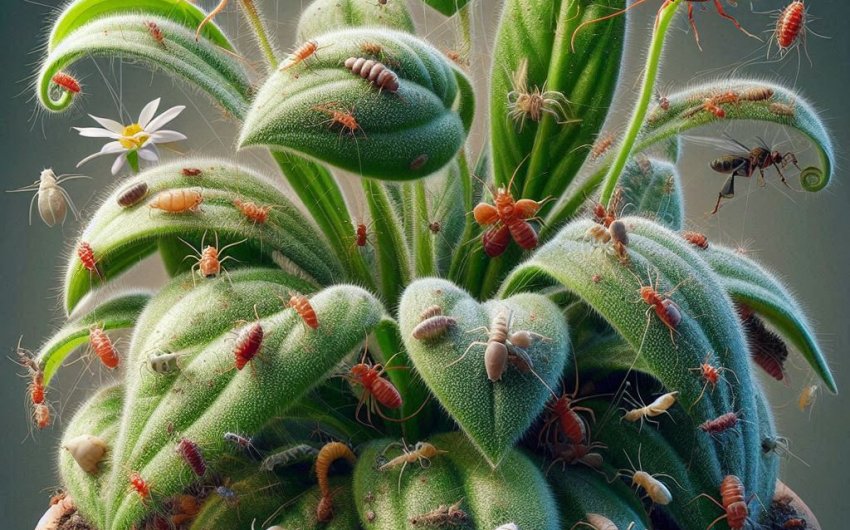
Discovering tiny, uninvited guests crawling on your beloved green companions can be a frustrating and unsettling experience for any plant parent. Houseplant pests are a common nuisance, capable of weakening plants, causing unsightly damage, and, if left unchecked, even leading to their demise. While it might feel like an overwhelming challenge, understanding who these tiny invaders are and how to effectively manage them is crucial for maintaining a thriving indoor jungle.
The key to successful pest identification and treatment lies in vigilance and a proactive approach. Learning to spot the early signs of an infestation, accurately identifying the culprit, and knowing which organic and non-toxic methods to employ will empower you to protect your plants and restore their vitality. Dive into this essential guide to the most common houseplant pests, equipping yourself with the knowledge to keep your leafy friends healthy and pest-free.
Why Are My Houseplants Attracting Pests?
It's a common and frustrating question: Why are my houseplants attracting pests when I try to care for them so well? Understanding the underlying reasons can help you prevent future infestations and build a more resilient collection. Pests are opportunists; they are often drawn to plants that are stressed or to environments that are conducive to their survival.
1. Plant Stress and Weakness:
- Underlying Issues: Pests are often attracted to plants that are already weakened or stressed. A plant that isn't getting enough light, is being overwatered or underwatered, or is suffering from nutrient deficiencies is like a beacon for pests.
- Improper Watering: Both too much (leading to root rot and weak growth) and too little water (causing dehydration) stress plants.
- Inadequate Light: Plants in low light become leggy and weak.
- Nutrient Deficiencies/Excesses: An imbalanced diet makes plants vulnerable.
- Sudden Environmental Changes: Moving a plant, drastic temperature swings, or low humidity can stress a plant.
- Sap Chemistry: Stressed plants can actually change their sap chemistry, making it more appealing or easier for sap-sucking insects (like aphids, mealybugs, and scale) to feed.
2. Low Humidity:
- Many common houseplant pests, particularly spider mites, thrive in dry, low-humidity environments. Homes heated in winter or air-conditioned in summer often have very low humidity, creating ideal breeding grounds for these tiny arachnids. Providing adequate humidity can naturally deter them.
3. Lack of Air Circulation:
- Stagnant, still air around houseplants can create a microclimate that encourages some pests, like fungus gnats, and makes plants generally less resilient. Good air circulation helps strengthen plant stems and dries foliage, reducing conditions favorable to pests and some diseases.
4. Introducing Infested Plants:
- This is one of the most common ways pests enter your home. A new plant bought from a nursery or received as a gift might already be carrying hitchhikers. These pests then quickly spread to your other plants.
- Always quarantine new plants for at least 2-4 weeks. Keep them separate from your existing collection and inspect them daily for any signs of pests before introducing them.
5. Contaminated Potting Mix:
- Sometimes, store-bought potting mixes can contain insect eggs or larvae, especially fungus gnat larvae. While not usually harmful to established plants, they can be a nuisance and an indicator of overly moist soil.
- Using outdoor soil indoors is a big no-no, as it's almost guaranteed to introduce pests, diseases, and weed seeds.
6. Bringing Plants Indoors from Outdoors:
- If you move houseplants outdoors for the summer, they are highly likely to pick up pests (aphids, spider mites, mealybugs, slugs, etc.) from the outdoor environment. Always give them a thorough inspection and preventative treatment before bringing them back inside for the fall.
7. Neglect and Lack of Vigilance:
- Pests rarely appear overnight in massive numbers. They usually start small. If you don't regularly inspect your plants (top and bottom of leaves, stems, soil surface), small infestations can quickly explode into major problems.
- Regular inspection is the ultimate preventative measure. Make it a habit to check your plants closely every time you water them. A small plant magnifying glass can help spot tiny pests early.
By addressing these root causes and cultivating strong, healthy plants in an optimal environment, you can significantly reduce the likelihood of houseplant pests becoming a problem and make your pest control strategies far more effective.
What Are Common Sap-Sucking Houseplant Pests?
Sap-sucking houseplant pests are among the most common and damaging invaders. They feed by piercing plant tissues and extracting nutrient-rich sap, weakening the plant, distorting growth, and sometimes spreading diseases. Recognizing their signs and understanding their control is crucial for protecting your indoor plants.
1. Aphids: Small, Pear-Shaped Invaders
- Appearance: Small (1/16 - 1/8 inch), soft-bodied, pear-shaped insects. They can be green, black, white, brown, or pink. Often found in clusters on new growth, buds, and the undersides of leaves. Some have wings.
- Damage:
- Distorted new growth: Leaves can curl, crinkle, or become stunted.
- Yellowing leaves.
- Sticky residue (honeydew): A clear, sugary excretion.
- Sooty mold: Black, sooty fungus that grows on honeydew.
- How They Spread: Can be introduced on new plants, through open windows, or even carried in on clothing. They reproduce very rapidly.
- Treatment:
- Manual Removal: For light infestations, wipe them off with a damp cloth or a strong spray of water from a sink sprayer.
- Insecticidal Soap: Mix 1-2 teaspoons of mild dish soap per gallon of water (or use a ready-made insecticidal soap spray). Spray all affected areas thoroughly, especially undersides of leaves. Repeat every 5-7 days until gone.
- Neem Oil: Disrupts aphid feeding and reproduction. Apply as a spray following product directions. A bottle of neem oil for plants can be diluted.
2. Mealybugs: Cottony White Pests
- Appearance: Small (1/16 - 1/4 inch), oval, soft-bodied insects covered in a white, cottony, waxy substance. They often cluster in leaf axils (where leaves meet stems), along stems, and on the undersides of leaves.
- Damage:
- Sticky honeydew and sooty mold.
- Stunted growth.
- Yellowing leaves and leaf drop.
- Plant decline and death in severe cases.
- How They Spread: Introduced on new plants. Can be hard to spot until populations grow.
- Treatment:
- Alcohol Swabs: For light infestations, dip a cotton swab or Q-tip in rubbing alcohol (70% isopropyl alcohol) and directly dab each mealybug. The alcohol dissolves their waxy coating. Repeat often.
- Insecticidal Soap/Neem Oil: Thoroughly spray the entire plant, getting into all crevices. Repeat every 5-7 days for several weeks, as eggs hatch.
- Systemic Pesticides (Last Resort): For very severe or persistent infestations, a systemic houseplant pesticide might be considered, but these are chemical solutions and less eco-friendly.
3. Scale Insects: Bumps on Stems and Leaves
- Appearance: Tiny, immobile, oval-shaped bumps (1/16 - 1/8 inch) on stems and leaves. They can be brown, black, or white and look like small barnacles. They are protected by a waxy or hard shell.
- Damage:
- Sticky honeydew and sooty mold.
- Yellowing leaves, stunted growth.
- Branch dieback.
- How They Spread: Hard to spot when young. Adults are immobile but hatchlings (crawlers) are mobile and can spread.
- Treatment:
- Manual Removal: For light infestations, scrape them off with a fingernail, old toothbrush, or cotton swab dipped in rubbing alcohol.
- Horticultural Oil (Neem Oil/Dormant Oil): These smother the scale, especially the younger "crawler" stage. Apply thoroughly, coating all surfaces of the plant. Repeat every 7-10 days for several weeks to catch hatching crawlers. A horticultural oil spray can be effective. The waxy shell of adult scale makes them harder to penetrate.
- Systemic Pesticides (Last Resort): Often needed for severe scale infestations due to their protective shell.
4. Spider Mites: Tiny Weavers
- Appearance: Extremely tiny (barely visible to the naked eye), often reddish-brown or green. Look for fine webbing on leaves, stems, and between leaves, especially in leaf axils.
- Damage:
- Stippling: Tiny yellow or white dots on leaves where they feed.
- Bronzing/Yellowing: Leaves turn dull, bronze, or yellow, eventually drying out and dropping.
- Overall decline.
- How They Spread: Thrive in dry, warm conditions. Can be introduced on new plants or blow in from outside.
- Treatment:
- Increase Humidity: Spider mites hate humidity. Increase humidity around the plant with pebble trays or a humidifier.
- Strong Water Spray: Rinse the plant thoroughly with a strong spray of water (daily or every other day) to dislodge mites and webs.
- Insecticidal Soap/Neem Oil: Thoroughly spray all parts of the plant, especially the undersides of leaves and in crevices, where mites hide. Repeat every 3-5 days for several weeks, as their life cycle is very short.
- Wiping Leaves: Regularly wipe down leaves with a damp cloth or a cloth dipped in diluted insecticidal soap.
Regular inspection, especially of new plants, is crucial for catching these sap-sucking houseplant pests early, before they cause significant damage to your beloved indoor greenery.
What Are Common Chewing or Flying Houseplant Pests?
While sap-sucking pests are common, other houseplant pests can cause damage by chewing on leaves or flying around, becoming a nuisance. Identifying these distinct types of invaders is key to choosing the correct pest control strategies.
1. Fungus Gnats: Annoying Little Flies
- Appearance: Small (1/8 inch), dark-bodied flies that resemble tiny mosquitoes. They mostly fly around the soil surface and lights, or crawl on leaves. Their larvae are tiny, clearish-white worms with black heads, found in the top layers of moist soil.
- Damage:
- Adults: Primarily a nuisance, though they can spread fungal spores.
- Larvae: Feed on decaying organic matter in the soil, but in large numbers or if the plant is stressed, they can nibble on delicate feeder roots, especially on seedlings or very young plants.
- How They Spread: Often introduced with new potting mix, overwatering, or by bringing in outdoor plants. They thrive in consistently moist soil.
- Treatment:
- Dry Out Soil: The best control is to let the top 1-2 inches of soil dry out completely between waterings. This kills the larvae and prevents egg-laying. This is the most crucial step.
- Sticky Traps: Place yellow sticky traps for fungus gnats near the plant to catch flying adults, reducing reproduction.
- Biological Control (Bt-israelensis): For persistent infestations, use Bacillus thuringiensis subspecies israelensis (Bt-i). This is a naturally occurring bacterium specific to gnat larvae. Add it to your watering can according to package directions. It's often found in products like Mosquito Bits or Mosquito Dunks. A bottle of Bt-i for fungus gnats can be added to your watering routine.
- Top Dressing: Cover the soil with a 1/2 inch layer of sand, perlite, or diatomaceous earth to create a dry barrier that prevents adults from laying eggs in the soil.
- Hydrogen Peroxide Drench: Mix 1 part 3% hydrogen peroxide with 4 parts water. Water the plant with this solution; it will fizz as it kills larvae. Use sparingly as it can temporarily harm beneficial microbes.
2. Thrips: Tiny, Slender Invaders
- Appearance: Very tiny (1/25 inch), slender, winged insects that can be black, brown, or yellowish. They move very quickly. Look for silvery streaks or stippling on leaves and tiny black specks of their excrement.
- Damage:
- Silvery/Bronze Streaks: Leaves develop a silvery or bronze sheen from their feeding.
- Distorted or stunted new growth.
- Deformed flowers and buds.
- Black specks of frass (excrement).
- How They Spread: Can fly in through open windows, on new plants, or cut flowers.
- Treatment:
- Water Spray: A strong spray of water can dislodge them.
- Insecticidal Soap/Neem Oil: Thorough and repeated applications are needed, as they hide and reproduce quickly. Spray all leaf surfaces.
- Blue Sticky Traps: Thrips are attracted to blue, so blue sticky traps can help monitor and catch adults.
3. Whiteflies: Tiny White Moths
- Appearance: Small (1/12 inch), white, winged insects that look like tiny moths. They usually congregate on the undersides of leaves and fly up in a cloud when disturbed. Their nymph (immature) stage looks like tiny, flat, oval, scale-like insects.
- Damage:
- Yellowing leaves and stunted growth.
- Sticky honeydew and sooty mold.
- Overall plant weakness.
- How They Spread: Rapid reproduction, can fly in from outdoors or come on new plants.
- Treatment:
- Vacuuming: Gently vacuum up adult whiteflies from leaves (carefully so as not to harm the plant).
- Washing Leaves: Wipe down the undersides of leaves regularly to remove eggs and nymphs.
- Insecticidal Soap/Neem Oil: Thorough and repeated applications are critical, targeting the undersides of leaves where they hide. Apply every 3-5 days for several weeks to break the life cycle.
- Yellow Sticky Traps: Effective for catching adult whiteflies.
4. Earwigs, Slugs, Caterpillars (If Outdoors/Transient):
While less common purely indoors, if you move plants outside or have very open windows, these can sometimes be temporary visitors.
- Damage: Irregular holes chewed in leaves or along leaf edges. Slugs leave a slime trail.
- Treatment:
- Hand Picking: Best method. Inspect plants at night (slugs/earwigs are nocturnal).
- Beer Traps (Slugs): Shallow dishes of beer can lure and drown slugs.
- Diatomaceous Earth: A fine powder that works as a physical barrier and desiccates insects. Sprinkle on soil surface (be careful not to inhale). A bag of diatomaceous earth food grade can be used.
Regular inspection, targeted treatments, and maintaining a healthy plant environment are key to managing these chewing or flying houseplant pests and keeping your indoor garden thriving.
What Are Effective Organic and Non-Toxic Pest Treatments?
When tackling houseplant pests, it's always best to start with the safest, least toxic options first. Many effective organic and non-toxic pest treatments can help you reclaim your plants without resorting to harsh chemicals that might harm you, your pets, or the beneficial insects (if you also have an outdoor garden).
1. Manual Removal & Cultural Practices (First Line of Defense):
- Quarantine New Plants: Always isolate new plants for 2-4 weeks before introducing them to your collection. Inspect them thoroughly during this time.
- Isolation: As soon as you spot pests, immediately isolate the affected plant to prevent spread.
- Wipe Down Leaves: For almost any pest (especially sap-suckers like aphids, mealybugs, and spider mites), regularly wiping down leaves (top and bottom) with a damp cloth is incredibly effective. This physically removes pests and their eggs. A good quality microfiber plant cleaning cloth can be very gentle.
- Strong Water Spray: For aphids and spider mites, a strong, steady stream of water from a sink sprayer or hose can dislodge many pests. Repeat every few days. Just ensure the plant isn't getting waterlogged in its pot.
- Pruning: Remove heavily infested leaves, stems, or branches. Dispose of them in a sealed bag in the trash, not compost.
- Increase Humidity: For spider mites, increasing humidity (pebble trays, humidifier) makes the environment less favorable for them.
- Improve Air Circulation: A small fan can help deter some flying pests and reduce conditions for fungal growth.
2. Rubbing Alcohol: For Mealybugs & Scale
- How it Works: Isopropyl alcohol (70%) dissolves the waxy coating that protects mealybugs and soft scale insects, effectively killing them on contact.
- Application: Dip a cotton swab or Q-tip in 70% rubbing alcohol and directly dab each visible mealybug or scale insect. For scale, you might need to gently scrape them off after dabbing.
- Caution: Test on a small, inconspicuous leaf first to ensure it doesn't damage your specific plant. Avoid direct sun immediately after application as it can increase risk of leaf burn. Do not use strong rubbing alcohol on sensitive plants.
3. Insecticidal Soap: For Soft-Bodied Pests
- How it Works: Insecticidal soaps are fatty acid salts that break down the outer membrane of soft-bodied insects, causing them to dehydrate. They work on contact and have low residual toxicity once dry.
- Effective Against: Aphids, spider mites, mealybugs, whiteflies, thrips.
- Application: You can buy a ready-to-use insecticidal soap spray or make your own with 1-2 teaspoons of mild liquid dish soap (avoid degreasers or antibacterial soaps) mixed with 1 gallon of water. Spray all affected plant surfaces thoroughly, especially the undersides of leaves. Repeat every 5-7 days for several weeks to catch newly hatched pests.
- Caution: Always test on a small area first. Avoid spraying in direct sunlight to prevent leaf burn.
4. Neem Oil: Multi-Purpose Organic Pesticide
- How it Works: Neem oil is a botanical extract that acts as an antifeedant (pests stop eating), growth regulator (disrupts life cycle), and repellent. It also has some fungicidal properties.
- Effective Against: A wide range of pests including aphids, spider mites, mealybugs, whiteflies, thrips, and scale (especially crawler stage).
- Application: Use a product that contains cold-pressed neem oil and follow mixing instructions carefully. Mix with water and a tiny bit of mild soap (as an emulsifier). Spray thoroughly, coating all plant surfaces. Repeat every 7-10 days until pests are controlled. A bottle of organic cold-pressed neem oil is a versatile tool.
- Caution: Test on a small area first. Do not apply in direct hot sun, or when temperatures are below freezing.
5. Diatomaceous Earth (DE): For Crawling Pests
- How it Works: Food-grade diatomaceous earth is a fine powder made from fossilized diatoms. It works by physically scratching the waxy outer layer of crawling insects, causing them to dehydrate.
- Effective Against: Fungus gnats (larvae in soil), thrips (crawling stage), ants, cockroaches (if they are also a problem indoors).
- Application: Sprinkle a thin layer on the top of the potting mix to create a barrier for fungus gnat larvae. Avoid inhaling the dust. A small bag of food-grade diatomaceous earth can be found.
6. Sticky Traps: For Monitoring and Catching Flying Pests
- How they work: Brightly colored sticky cards (yellow for fungus gnats and whiteflies, blue for thrips) attract flying adult pests, trapping them on the sticky surface.
- Benefits: Excellent for monitoring pest populations (helps you know if you have a problem and if treatments are working) and can significantly reduce the adult population of flying insects.
- Application: Place yellow sticky traps for houseplants near affected plants.
By understanding and utilizing these organic and non-toxic pest treatments, you can create a safe, healthy environment for your houseplants and effectively keep unwanted invaders at bay. Remember, consistency and vigilance are your greatest allies.