
Philodendron: How to Grow This Lush, Heart-Leafed Beauty
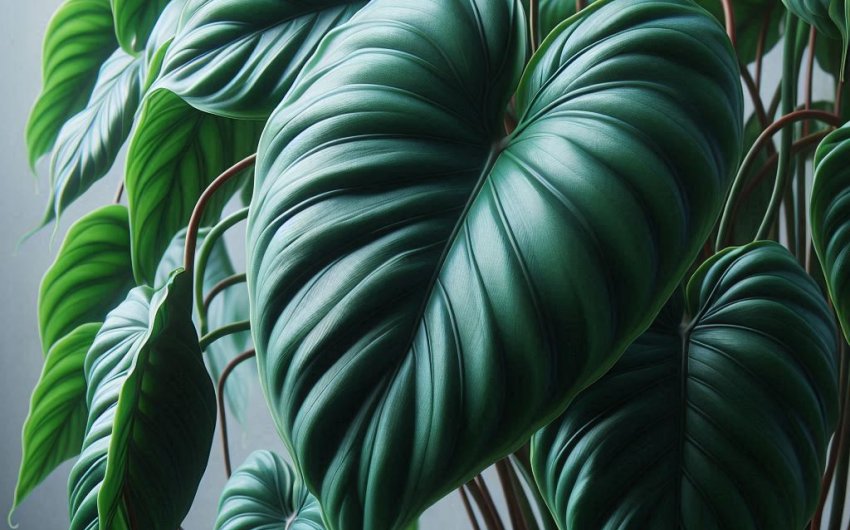
Learning Philodendron: how to grow this lush, heart-leafed beauty is a rewarding experience for any plant enthusiast, from beginner to expert. With its iconic heart-shaped leaves and easy-care nature, the common heartleaf philodendron (Philodendron hederaceum) has become a beloved staple in homes worldwide. This comprehensive guide delves into every aspect of cultivating this vibrant vining plant, ensuring it thrives and brings a touch of tropical elegance to your indoor space.
What Makes Philodendrons So Popular?
Philodendrons, especially the heartleaf variety, have earned their place as one of the most popular houseplants for many excellent reasons. Their combination of aesthetic appeal, relatively easy care, and versatility makes them a favorite among plant lovers.
- Striking Foliage: The most recognizable feature is their lush, often glossy, heart-shaped leaves. These leaves can range in color from vibrant green to deep emerald, sometimes with bronze or reddish new growth, adding a beautiful visual texture to any room.
- Easy Care and Forgiving Nature: Philodendrons are incredibly tolerant plants. They can forgive occasional neglect, bounce back from minor watering mistakes, and adapt to a range of indoor conditions. This makes them perfect for beginners or those with busy lifestyles.
- Versatile Growth Habit: They can be grown in various ways. As a vining plant, they look stunning cascading from a hanging basket or shelf. They can also be trained to climb a moss pole or trellis, adding vertical interest to a space.
- Air Purifying Qualities: Like many houseplants, philodendrons contribute to improved indoor air quality by filtering out certain toxins, making your living environment healthier.
- Readily Available and Affordable: Heartleaf philodendrons are widely available in most nurseries, garden centers, and even supermarkets. They are generally affordable, making it easy to start or expand your plant collection.
- Propagate Easily: They are very simple to propagate from stem cuttings, allowing you to easily expand your collection or share with friends.
- Adds a Tropical Feel: Originating from tropical rainforests, their dense foliage and vining nature bring a lush, jungle-like feel to any indoor setting, creating a calming and inviting atmosphere.
These combined qualities solidify the Philodendron: how to grow this lush, heart-leafed beauty as an excellent choice for almost any indoor gardener.
What Kind of Light Do Philodendrons Need?
Light is a crucial factor for a thriving philodendron, directly impacting its growth rate, leaf color, and overall vigor. Getting the light right is a cornerstone of learning Philodendron: how to grow this lush, heart-leafed beauty.
Ideal Light Conditions
Mimicking their natural rainforest understory habitat is key to providing optimal light for philodendrons.
- Bright, Indirect Light: This is the sweet spot for most philodendrons. Place them near a window that receives bright, filtered light throughout the day. A north- or east-facing window is often ideal, or a south- or west-facing window slightly set back (a few feet away) or with sheer curtains to diffuse intense light.
- Avoid Direct, Harsh Sun: Direct, unfiltered afternoon sun can be too intense for philodendron leaves, causing them to scorch, turn yellow, or develop brown spots. The leaves might also appear bleached or faded.
- No Low Light: While philodendrons can tolerate lower light conditions, they will not thrive. Their growth will become leggy (long stems with sparse leaves), new leaves will be smaller, and their vibrant green color may fade.
- Rotate for Even Growth: Rotate your philodendron every few weeks to ensure all sides receive adequate light. This promotes even growth and prevents the plant from leaning heavily towards the light source.
Signs of Incorrect Light
Your philodendron will often tell you if its light conditions are not quite right.
- Signs of Too Much Light:
- Scorched or Yellowing Leaves: Leaves developing crispy brown patches or turning yellow, especially on the side facing the window.
- Faded Color: The vibrant green color of the leaves appears dull or bleached.
- Stunted Growth: While sometimes due to other issues, too much light can stress a plant, slowing down new growth.
- Signs of Too Little Light:
- Leggy Growth: Long, stretched-out stems with wide gaps between leaves.
- Small New Leaves: New leaves emerging significantly smaller than older ones.
- Pale Green or Yellowing: Overall paleness or yellowing of leaves, indicating insufficient chlorophyll production.
- Slow or No Growth: The plant appears to be at a standstill.
- Supplemental Lighting: If you live in an area with low natural light, or during shorter winter days, consider supplementing with a full-spectrum LED grow light. Position it appropriately, typically 12-24 inches from the foliage, for 10-14 hours a day.
Providing the correct light is the most impactful way to ensure your Philodendron: how to grow this lush, heart-leafed beauty truly lives up to its name.
How Often Should I Water My Philodendron?
Watering is where many plant owners, especially beginners, run into trouble with philodendrons. While they appreciate consistent moisture, they are extremely sensitive to overwatering, which can quickly lead to root rot.
The "Slightly Dry" Rule
Instead of watering on a strict schedule, always check your philodendron's soil moisture.
- Allow Top Layer to Dry: The general rule of thumb for philodendrons is to allow the top 1-2 inches (2.5-5 cm) of soil to dry out before watering again.
- Finger Test: Stick your finger into the soil. If it feels dry at that depth, it's time to water. If it still feels moist or sticks to your finger, hold off.
- Lift the Pot: Get a feel for the weight of your potted plant when it's dry versus freshly watered. When it feels significantly lighter, it's a good indicator it's time for a drink.
- Moisture Meter: A plant moisture meter can provide an accurate reading. For a philodendron, aim for the middle range ("moist") before watering again.
Watering Technique
How you water is just as important as when you water.
- Water Thoroughly: When it's time to water, pour water slowly and evenly over the entire surface of the soil until it begins to drain out of the bottom drainage holes. This ensures the entire root ball is saturated.
- Ensure Drainage: Crucially, always use a pot with drainage holes. Never let your philodendron sit in standing water. If your decorative pot doesn't have drainage, use a plastic nursery pot inside it and remove the plant to water it thoroughly, allowing excess water to drain completely before placing it back. Standing water can quickly lead to root rot.
- Reduce in Winter: During fall and winter months, when light levels are lower and the plant's growth naturally slows down, philodendrons will require significantly less water. Adjust your watering frequency accordingly, allowing the soil to dry out more between waterings.
Signs of Watering Issues
Your philodendron will often show clear signs if its watering needs are not being met.
- Signs of Overwatering:
- Yellowing Leaves: Especially older, lower leaves turning yellow and eventually dropping off.
- Mushy or Drooping Leaves: Leaves that feel soft, squishy, or appear to be wilting despite wet soil.
- Blackening Stems: Stems turning soft and black at the soil line, indicating root rot.
- Foul Odor: A sour or musty smell coming from the soil.
- Fungus Gnats: Small, flying insects hovering around the soil surface, indicating consistently wet conditions.
- Signs of Underwatering:
- Drooping Leaves: Leaves appear limp and soft, but the soil is bone dry.
- Crispy Edges/Browning: Leaf edges or tips turning brown and crispy.
- Stunted Growth: Very slow or no new growth.
By diligently checking soil moisture and employing proper watering techniques, you'll master this crucial aspect of Philodendron: how to grow this lush, heart-leafed beauty.
What is the Best Soil and Pot for Philodendrons?
The right soil mix and pot are foundational for a healthy philodendron, providing the necessary drainage and aeration while retaining adequate moisture. These elements are key to preventing common problems like root rot.
Potting Mix Requirements
Philodendrons thrive in a well-draining, airy, and slightly acidic potting mix that mimics the rich, organic matter of their jungle floor habitat.
- Good Drainage: This is paramount. The mix must allow excess water to drain quickly to prevent soggy conditions around the roots.
- Good Aeration: The soil needs to have enough air pockets to allow oxygen to reach the roots, which is vital for their health.
- Retains Some Moisture: While draining well, the mix should still be able to hold onto some moisture and nutrients for the plant to absorb.
- Ideal DIY Mix: A good general-purpose mix for philodendrons often combines:
- Standard Potting Mix: About 50-60% of a good quality indoor potting mix as a base.
- Perlite or Pumice: About 20-30% to improve drainage and aeration. Perlite for plants is readily available.
- Orchid Bark or Coir Chunks: About 10-20% adds chunkiness, improving aeration and providing an anchor for roots. Orchid bark mix works well.
- Avoid Garden Soil: Never use soil from your garden outdoors, as it's too dense, can contain pests, and isn't sterile.
Pot Type and Size
The material and size of the pot impact drainage, moisture retention, and overall plant health.
- Drainage Holes are ESSENTIAL: No matter the material, your pot absolutely must have drainage holes at the bottom. Without them, water will collect and lead to root rot.
- Pot Material:
- Plastic Pots:
- Pros: Lightweight, affordable, retains moisture longer (meaning less frequent watering).
- Cons: Can lead to overwatering if not careful with watering frequency.
- Recommendation: A good practical choice for many philodendrons.
- Terracotta (Unglazed Clay) Pots:
- Pros: Porous material allows moisture to evaporate through the sides, helping the soil dry out faster. Excellent for preventing overwatering.
- Cons: Soil dries faster, so you might need to water slightly more frequently. Can be heavier.
- Recommendation: A great choice, especially if you tend to overwater. Terracotta pots with drainage are classic.
- Ceramic/Glazed Pots:
- Pros: Attractive, come in many styles.
- Cons: Non-porous, so they retain moisture similar to plastic. Can be heavy. Must have drainage holes.
- Recommendation: Aesthetically pleasing, but requires careful watering.
- Plastic Pots:
- Pot Size:
- Not Too Large: Philodendrons generally prefer to be slightly root-bound. Avoid putting a small plant in an excessively large pot. An oversized pot holds too much soil and moisture, which stays wet for too long, increasing the risk of root rot.
- Repotting: Only repot when your philodendron is truly root-bound (roots circling the pot, growing out of drainage holes, or plant drying out very quickly). When repotting, only go up one pot size (e.g., from a 6-inch to an 8-inch pot). Repotting is typically done in spring or early summer.
By carefully selecting your potting mix and pot, you provide the optimal foundation for root health, a vital component in learning Philodendron: how to grow this lush, heart-leafed beauty.
How Do Temperature and Humidity Affect Philodendrons?
Philodendrons originate from tropical rainforests, so they thrive in warm, humid conditions. Understanding and providing appropriate temperature and humidity levels are key to their lush growth and vibrancy indoors.
Temperature Needs
Philodendrons prefer consistently warm temperatures, mirroring their native tropical environment.
- Ideal Range: Maintain indoor temperatures between 65-80°F (18-27°C). They are quite tolerant within this range.
- Avoid Cold Drafts: Do not place philodendrons near cold drafts from windows, doors, or air conditioning vents, especially in winter. Sudden drops in temperature can stress the plant, causing leaves to yellow, drop, or growth to cease.
- Avoid Hot Drafts: Similarly, keep them away from heat vents or radiators, which can cause excessive drying of leaves and stress the plant.
- Minimum Temperature: Philodendrons do not tolerate temperatures below 55°F (13°C) for extended periods.
Humidity Requirements
High humidity is a significant factor in the natural habitat of philodendrons, and providing sufficient moisture in the air will lead to happier, healthier plants with larger, more vibrant leaves.
- High Humidity Preference: Philodendrons thrive in humidity levels of 60% or higher. Typical indoor humidity, especially in heated or air-conditioned homes, is often much lower (20-40%).
- Signs of Low Humidity:
- Brown, Crispy Leaf Tips or Edges: This is a common sign of insufficient humidity.
- Stunted Growth: Lack of sufficient humidity can slow down new growth.
- Dull Leaves: Leaves may appear less vibrant or glossy.
- Ways to Increase Humidity:
- Humidifier: The most effective way to provide consistent humidity is to use a plant humidifier near your philodendron.
- Pebble Trays: Place the potted plant on a tray filled with pebbles and a layer of water, ensuring the pot sits above the water line. As the water evaporates, it creates a more humid microclimate around the plant.
- Grouping Plants: Grouping several plants together can slightly increase the local humidity as they release moisture through transpiration.
- Misting (Limited Effect): While commonly suggested, misting only provides a very temporary humidity boost. It can be useful to clean leaves and provide a brief refresh, but it's not a substitute for consistent humidity. Use a fine mist spray bottle with distilled water to avoid water spots.
By providing consistent warm temperatures and ensuring adequate humidity, you mimic the philodendron's native environment, allowing your Philodendron: how to grow this lush, heart-leafed beauty to truly flourish.
What Other Care Tips Help Philodendrons Thrive?
Beyond the critical elements of light, watering, soil, temperature, and humidity, a few additional care practices contribute significantly to the long-term health, appearance, and vigor of your philodendron. These tips help address common challenges and enhance growth.
Fertilizing
Philodendrons are not heavy feeders, but they benefit from occasional fertilization during their active growing season.
- During Growing Season Only: Fertilize your philodendron every 2-4 weeks during the spring and summer (active growing season). Reduce or stop fertilization entirely during fall and winter (dormant period).
- Balanced Liquid Fertilizer: Use a balanced liquid houseplant fertilizer (e.g., 20-20-20 or 10-10-10) or one formulated for foliage plants.
- Dilution: Always dilute the fertilizer to half or even quarter strength. Over-fertilizing is much worse than under-fertilizing and can lead to nutrient burn or salt buildup in the soil.
- Water Before Fertilizing: Always water your plant thoroughly before applying liquid fertilizer to moist soil. Applying fertilizer to dry soil can burn the roots.
- Signs of Nutrient Deficiency: Slow growth, pale leaves (especially older ones), or leaves that are significantly smaller than usual.
- Signs of Over-Fertilization: Brown, crispy leaf tips or edges, stunted growth, or a crusty white buildup on the soil surface.
Pruning and Training
Regular pruning helps maintain the plant's shape, encourages bushier growth, and keeps it healthy. Training allows you to direct its vining habit.
- Pruning for Bushiness: If your philodendron is becoming leggy (long stems with sparse leaves), you can prune it back. Cut just after a leaf node (where a leaf or aerial root attaches to the stem). This encourages branching and creates a fuller plant. Use clean, sharp pruning snips.
- Removing Damaged Leaves: Trim away any yellowing, brown, or otherwise damaged leaves at the base of the stem to improve the plant's appearance and redirect energy.
- Training Vining Growth:
- Hanging Basket: Allow the vines to cascade naturally from a hanging planter or shelf.
- Climbing Support: Provide a moss pole, coir pole, or trellis for the aerial roots to cling to. Gently tie the stems to the support until the aerial roots attach. This encourages larger leaf growth.
Pest and Disease Management
Philodendrons are generally pest-resistant, but like all houseplants, they can occasionally encounter common issues.
- Common Pests: Watch out for mealybugs (small white, cottony masses), aphids (tiny green or black bugs on new growth), spider mites (fine webbing, tiny red dots), or scale (small brown bumps).
- Regular Inspection: Inspect your plant regularly, especially the undersides of leaves and leaf axils, when you water.
- Treatment:
- Rubbing Alcohol: For small infestations, dab pests directly with a cotton swab dipped in 70% isopropyl rubbing alcohol.
- Insecticidal Soap: For larger infestations, spray all plant surfaces thoroughly with insecticidal soap spray. Repeat every 5-7 days for several weeks.
- Neem Oil: A natural repellent and insecticide. Use a diluted Neem oil solution as a preventative or treatment.
- Diseases: Philodendrons are generally disease-resistant. Most issues like root rot are related to overwatering. Ensure good airflow to prevent fungal spots.
Cleaning Leaves
Dust accumulates on leaves, blocking light absorption and making the plant look dull.
- Wipe Leaves: Regularly wipe down the leaves with a damp cloth to remove dust. This also gives you a chance to inspect for pests.
- Shiny Leaves (Optional): Some people use a very diluted solution of milk and water or a specialized leaf shine product for extra gloss, but often a clean, damp cloth is sufficient.
By implementing these comprehensive care tips, your Philodendron: how to grow this lush, heart-leafed beauty will thrive, displaying its full vibrant potential for years to come.