
Spider Plant: Easy Care Tips for This Classic Houseplant
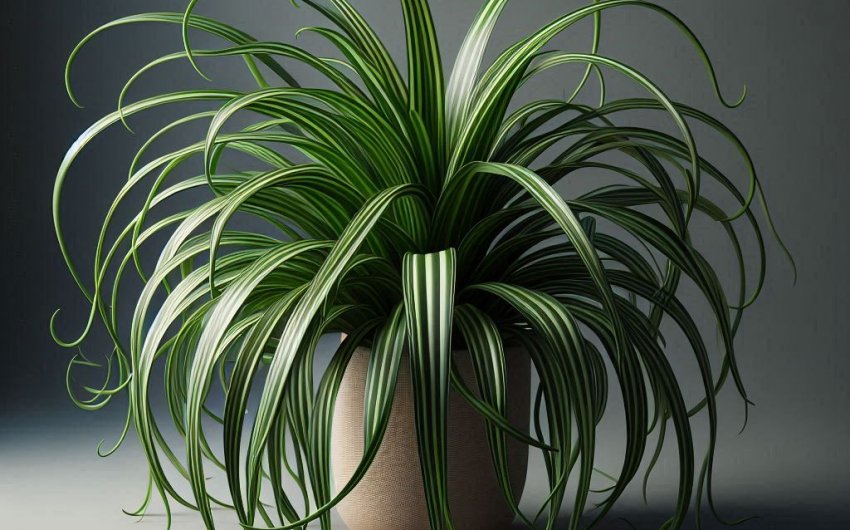
Unlocking the secrets to spider plant easy care tips allows anyone, from novice gardeners to seasoned plant enthusiasts, to effortlessly grow this iconic and rewarding houseplant. Renowned for its graceful arching foliage and charming "spiderettes," the spider plant (Chlorophytum comosum) is incredibly forgiving, making it a perfect choice for adding a touch of vibrant green to any indoor space. By understanding a few simple needs, you can ensure your spider plant thrives, producing numerous babies ready to share or expand your plant collection.
What are the ideal light conditions for spider plants?
Light is one of the most important factors for the health and appearance of your spider plant. While they are known for being adaptable, providing them with the right amount of light will ensure their variegated patterns are vibrant and they produce plenty of "spiderettes" or plantlets.
Bright, Indirect Light is Best
The absolute ideal light condition for a spider plant is bright, indirect light. This means placing your plant in a spot where it receives plenty of ambient light throughout the day, but direct sunbeams do not hit its leaves for extended periods.
Benefits of Bright, Indirect Light:
- Vibrant Coloration: The characteristic white or yellow stripes on variegated spider plants will be more distinct and vibrant in bright, indirect light. In low light, these patterns can fade, and the plant might appear more uniformly green.
- Robust Growth: Sufficient light fuels photosynthesis, leading to healthy, vigorous growth and lush foliage.
- Abundant Spiderettes: Spider plants are known for their baby plantlets. Bright, indirect light encourages the plant to produce these "spiders" more readily.
- Compact Form: The plant will maintain a more compact and bushy form, rather than stretching out in search of light (becoming "leggy").
Ideal Locations in Your Home:
- East-facing window: This is often perfect as it provides gentle morning sun, which is less intense and generally well-tolerated by spider plants.
- Several feet back from a south or west-facing window: If you have very bright, direct light, place your spider plant a few feet away from the window, or use a sheer curtain to diffuse the intense afternoon sun.
- Near a north-facing window: This can work if the light is consistently bright, but very dim north-facing windows might not provide enough light.
Avoid Direct Sunlight
While spider plants can tolerate a little direct morning sun, prolonged exposure to intense, direct sunlight can be harmful, especially the strong afternoon sun from a south or west-facing window.
- Symptoms of Too Much Direct Sun:
- Scorched or bleached leaves: The green and white/yellow stripes can turn pale, crispy, or even completely white or brown in patches.
- Burnt tips: Leaf tips may become brown and crispy, even if watering is adequate.
- Overall stress: The plant might look generally dull and unhealthy.
Insufficient Light Conditions
On the other hand, placing a spider plant in very low light conditions will also lead to problems, even though they are often described as "low-light tolerant." They can survive, but they won't thrive.
- Symptoms of Too Little Light:
- Fading variegation: The stripes will become less noticeable, and the leaves will appear predominantly green.
- Leggy growth: Stems and leaves will stretch out in an attempt to find more light, resulting in a sparse and elongated appearance.
- Few or no spiderettes: The plant won't have enough energy to produce its characteristic baby plants.
- Slowed growth: Overall growth will be stunted.
Adapting to Your Home's Unique Light
Every home has different light levels, and the intensity can change with the seasons. Observe your spider plant closely. If you notice any of the symptoms above, adjust its location. You might consider rotating your plant every week or two to ensure all sides receive even light exposure, promoting uniform growth and vibrant coloration. Understanding light needs is a top priority for spider plant easy care tips.
How much water and humidity do spider plants need?
Watering and humidity are vital aspects of spider plant easy care tips. While these plants are forgiving, providing the right amount of moisture in their soil and air significantly impacts their health, growth, and the dreaded brown leaf tips that many owners experience.
Watering: The "Almost Dry" Rule
Spider plants prefer consistently moist soil, but they absolutely hate being waterlogged. Their thick, fleshy roots can store water, making them somewhat forgiving of occasional neglect, but sitting in soggy soil will lead to root rot.
- The Best Approach: Water your spider plant thoroughly when the top 1-2 inches of soil feel dry to the touch.
- Stick your finger into the soil. If it's still damp below the surface, wait.
- If the pot feels light, that's often a good sign it needs water.
- Thoroughly, Not Lightly: When you water, water deeply until you see water draining from the bottom of the pot. This ensures the entire root ball is saturated.
- Drainage is Key: Always use a pot with a drainage hole. Never let your spider plant sit in standing water in a saucer, as this is a direct path to root rot. Discard any excess water after about 30 minutes.
- Seasonal Adjustments:
- Growing Season (Spring and Summer): During active growth, the plant will use more water, so you'll likely water more frequently.
- Dormant Season (Fall and Winter): Growth slows down in cooler, darker months. Reduce watering frequency, allowing the soil to dry out a bit more between waterings.
- Symptoms of Incorrect Watering:
- Overwatering (most common killer): Yellowing leaves (especially lower ones), mushy stems, stunted growth, foul odor from soil, black and mushy roots when unpotted.
- Underwatering: Drooping, dull leaves that may curl, slow growth, crispy texture. While they tolerate some dry periods, prolonged drought will cause stress.
Humidity: Preventing Brown Tips
While not as demanding as some tropical plants, spider plants appreciate moderate to high humidity. Low humidity is a very common cause of brown leaf tips on spider plants.
- Ideal Humidity: They thrive in environments with humidity levels between 40% and 60%. Most homes, especially in winter with heating or summer with air conditioning, tend to have much lower humidity (20-30%).
- Why Low Humidity Causes Brown Tips: The leaf tips are the furthest point from the root system. In dry air, water evaporates from these tips faster than the roots can supply it, leading to the cells drying out and dying.
- How to Increase Humidity:
- Pebble Tray: Place your potted spider plant on a pebble tray filled with water. Ensure the bottom of the pot does not sit in the water. As the water evaporates from the pebbles, it creates a more humid microclimate around the plant.
- Grouping Plants: Cluster your spider plant with other houseplants. As plants naturally release moisture through their leaves (transpiration), grouping them together can collectively raise the local humidity.
- Humidifier: For more consistent and effective humidity, especially in very dry environments, consider using a room humidifier. A humidifier for plants can make a significant difference for all your houseplants.
- Misting (Limited Effect): While misting provides a temporary boost of humidity, its effects are short-lived as the water quickly evaporates. It can also encourage fungal issues if leaves stay wet without good air circulation. If you do mist, use distilled or filtered water to prevent mineral buildup on leaves.
Water Quality: Fluoride Sensitivity
Spider plants can be sensitive to fluoride and chlorine found in tap water, which can also contribute to brown leaf tips.
- Symptoms: Brown leaf tips, often with a yellow band where the brown meets the green. This can look similar to low humidity.
- Solution:
- Let water sit: Fill your watering can and let it sit uncovered for 24-48 hours. This allows chlorine to dissipate. Fluoride, however, does not dissipate.
- Use filtered or distilled water: If brown tips persist despite adequate humidity and proper watering, consider using filtered water or distilled water.
- Collect rainwater: A natural, fluoride-free option.
By mastering these watering habits and providing adequate humidity, you'll overcome many common spider plant challenges, making these spider plant easy care tips truly effective for a lush, tip-burn-free plant.
What is the best potting mix and how often should I repot?
The right potting mix and knowing when to repot are crucial for the long-term health and growth of your spider plant. These elements provide the necessary support, drainage, and nutrients that define spider plant easy care tips.
Potting Mix: Well-Draining and Aerated
Spider plants thrive in a well-draining, aerated, and slightly acidic to neutral potting mix. Good drainage is paramount to prevent root rot, their most common killer.
Characteristics of an Ideal Mix:
- Excellent Drainage: Water should flow through readily, not sit stagnant.
- Good Aeration: Plenty of air pockets for healthy root respiration.
- Moisture Retention: Holds enough moisture to keep roots hydrated between waterings.
- Nutrient Content: Provides initial nutrients for growth.
Recommended DIY Mix:
- All-Purpose Potting Mix: Start with a high-quality indoor potting mix as your base (about 60-70%).
- Perlite or Pumice: Add 20-30% perlite for plants or pumice. These lightweight, porous materials improve drainage and aeration dramatically.
- Coarse Sand (Optional): A small amount (around 10%) of horticultural coarse sand can further improve drainage, especially if your base mix is heavy. Avoid play sand, which can compact.
- Pre-made Options: Many general-purpose houseplant potting mixes will work, but if they seem heavy or dense, always amend them with extra perlite to ensure adequate drainage. Avoid using garden soil, as it can be too dense and may introduce pests or diseases.
Repotting: When and How Often?
Spider plants are vigorous growers and often develop a robust root system (they are known for their fleshy, sometimes thick, tuberous roots). They generally need to be repotted every 1-2 years, or when they show signs of being root-bound.
Signs Your Spider Plant Needs Repotting:
- Roots growing out of drainage holes: This is the most obvious sign.
- Roots circling the inside of the pot: You'll see this when you gently lift the plant from its pot.
- Plant drying out too quickly: If you find yourself watering much more frequently than before, it might be because the pot is mostly roots and very little soil.
- Stunted growth: Despite proper care, the plant's growth slows down or stops.
- Pot appears bulging or cracked: Especially with plastic pots, the roots can exert enough pressure to distort or even break the container.
When to Repot: The best time to repot is during the active growing season, typically spring or early summer. This allows the plant to quickly recover from the stress of repotting and put out new growth.
How to Repot:
- Choose the Right Size Pot: Select a new pot that is only 1-2 inches larger in diameter than the current one. Going too large can lead to excess soil remaining wet for too long, increasing the risk of root rot.
- Prepare the Pot: Ensure the new pot has adequate drainage holes. Place a small layer of fresh potting mix at the bottom.
- Remove the Plant: Gently remove the spider plant from its current pot. You may need to run a knife around the rim or gently squeeze the sides of a plastic pot.
- Inspect Roots: Gently loosen any tightly circling roots at the bottom. You can trim off any roots that appear mushy or rotten, but generally, spider plants don't require heavy root pruning during repotting.
- Place the Plant: Center the plant in the new pot, ensuring the top of the root ball is at the same level as it was in the old pot (or slightly below the rim of the new pot).
- Add Soil: Fill around the root ball with fresh potting mix, gently firming it down to remove large air pockets. Leave about an inch of space from the rim for watering.
- Water Thoroughly: Water the newly repotted plant thoroughly until water drains from the bottom. This helps settle the soil around the roots.
- Post-Repotting Care: Keep the plant in bright, indirect light and avoid fertilizing for about 4-6 weeks to allow it to recover.
By using the correct potting mix and repotting when necessary, you ensure your spider plant's root system has the healthy environment it needs to flourish, underpinning these crucial spider plant easy care tips.
What are the fertilization and maintenance routines for spider plants?
Once your spider plant has found its ideal spot with proper light, water, and soil, a simple fertilization and regular maintenance routine will keep it looking its best and producing those coveted "spiderettes." These practices are key components of spider plant easy care tips.
Fertilization: Moderate and Seasonal
Spider plants are not heavy feeders, but they do benefit from regular fertilization during their active growing season.
- Type of Fertilizer: Use a balanced liquid houseplant fertilizer (e.g., 10-10-10 or 20-20-20) or one formulated for foliage plants.
- Frequency:
- Active Growing Season (Spring and Summer): Fertilize every 2-4 weeks.
- Dormant Season (Fall and Winter): Reduce or completely stop fertilizing. Growth slows down in cooler, darker months, and the plant won't be able to utilize excess nutrients, which can lead to salt buildup and root burn.
- Dilution: Always dilute liquid fertilizer to half-strength or even quarter-strength, especially if you water frequently. It's better to under-fertilize slightly than to over-fertilize.
- Application: Apply fertilizer to moist soil, never dry soil, as this can cause severe root burn. Water the plant thoroughly a few hours before fertilizing.
- Signs of Deficiency: Pale growth, smaller leaves, reduced production of spiderettes.
- Signs of Over-fertilization: Crispy brown leaf tips (often more severe and distinct than fluoride/low humidity burn), white crust buildup on the soil surface or pot rim. If you suspect over-fertilization, flush the soil with plain water several times to leach out excess salts.
Maintenance and Grooming
Regular grooming keeps your spider plant looking tidy and healthy.
- Remove Dead or Yellowing Leaves: As the plant grows, older leaves at the base may naturally yellow and die. Trim these off with clean, sharp pruning shears or scissors. This directs the plant's energy to new, healthy growth.
- Trim Brown Tips: If your plant develops brown leaf tips (often due to low humidity or water quality), you can trim them off. Use clean scissors and cut along the natural shape of the leaf, just into the green tissue. This is purely for aesthetics and doesn't fix the underlying cause.
- Dust Leaves: Over time, dust can accumulate on the broad leaves, blocking light and hindering photosynthesis. Gently wipe leaves with a soft, damp cloth or give the plant a gentle shower occasionally.
- "Haircuts" for Bushiness: If your spider plant becomes too leggy or sparse, you can give it a "haircut." Trim back some of the longer stems or outer leaves to encourage bushier growth from the center.
- Harvesting Spiderettes: The long stolons (stems) that grow out from the main plant eventually produce small white flowers, which then develop into "spiderettes" or plantlets.
- You can leave them on the mother plant for a cascading effect.
- Or, you can snip them off and propagate them to create new plants (see next section). This doesn't harm the mother plant and encourages it to produce more.
Troubleshooting Common Problems (and What They Mean)
A quick guide to diagnosing common issues:
| Symptom | Possible Cause(s) | Solution |
|---|---|---|
| Brown Leaf Tips | Low humidity, fluoride/chlorine in water, underwatering, over-fertilization | Increase humidity, use filtered water, adjust watering/fertilizing. |
| Yellowing Leaves | Overwatering (lower leaves), insufficient light, nutrient deficiency | Adjust watering, move to brighter spot, fertilize (if in season). |
| Crispy, Bleached Spots | Direct, intense sunlight | Move to brighter indirect light. |
| Stunted Growth | Low light, root-bound, nutrient deficiency, pest infestation | Repot, improve light/fertilize, check for pests. |
| Leggy Growth | Insufficient light | Move to brighter indirect light. |
| No Spiderettes | Immature plant, insufficient light, lack of nutrients, stressed | Ensure plant is mature, provide bright indirect light, fertilize during growing season. |
| Wilting Leaves | Underwatering (soil very dry), overwatering (root rot) | Check soil moisture: water if dry, unpot/inspect roots if wet. |
By incorporating these simple fertilization and maintenance routines, you'll ensure your spider plant remains a vibrant and prolific centerpiece in your home, solidifying these spider plant easy care tips as truly effective.
How can I propagate spider plants from spiderettes?
One of the most exciting and rewarding aspects of owning a spider plant is its incredible ease of propagation. The charming "spiderettes" (or plantlets) that dangle from the mother plant are essentially ready-made clones, making it simple to multiply your collection or share with friends. Learning this propagation method is a highlight of spider plant easy care tips.
What are "Spiderettes"?
Spiderettes are small, miniature versions of the parent plant that grow on long, arching stems (called stolons) that emerge from the main plant. These plantlets are genetically identical to the mother plant and are nature's way of allowing the spider plant to spread. They develop tiny roots, often visible as small bumps or short aerial roots, even while still attached to the mother plant.
When to Propagate Spiderettes:
Propagate spiderettes when they meet a few key criteria:
- Size: They should be at least 2-3 inches in size.
- Root Development: Look for small nubs or tiny, visible roots starting to form at the base of the plantlet. This indicates they are ready to seek out moisture and nutrients independently.
- Maturity: The spiderette should appear well-formed and healthy.
The active growing season (spring and summer) is the best time for propagation, as the warm temperatures and increased light will encourage faster rooting and growth.
Propagation Method: Water or Soil?
You have two main easy options for propagating spiderettes: in water or directly in soil. Both are highly successful.
Option 1: Water Propagation (Highly Visible and Fun)
This method is popular because you can watch the roots develop.
- Prepare the Spiderette: Carefully snip the spiderette from the stolon, leaving about an inch of stem attached to the base of the plantlet.
- Prepare the Water Vessel: Choose a small glass, jar, or propagation station.
- Place in Water: Place the base of the spiderette (where the roots will grow) into the water. Ensure the leaves are above the waterline to prevent rot.
- Location: Place the jar in a spot with bright, indirect light.
- Change Water: Change the water every few days or weekly to keep it fresh and oxygenated, preventing mold or algae growth.
- Wait for Roots: Within 1-3 weeks, you should start to see white roots emerging from the base. Let the roots grow to be at least 1-2 inches long before potting.
- Potting Up: Once roots are established, plant the spiderette into a small pot (3-4 inches) filled with a well-draining potting mix (as described in the "Potting Mix" section). Water thoroughly.
Option 2: Soil Propagation (More Natural)
This method involves planting directly into soil and is often preferred for a seamless transition.
- Prepare the Spiderette (Option A: Still Attached to Mother):
- Fill a small pot (3-4 inches) with well-draining potting mix.
- Place the small pot next to the mother plant.
- Bend the stolon down and gently press the base of the spiderette onto the soil surface in the new pot, ensuring the tiny roots or nubs are touching the soil. You can use a floral U-pin or a paperclip to hold it in place.
- Keep the soil in the small pot consistently moist. The spiderette will continue to receive nutrients from the mother plant while it develops its own roots.
- Once the spiderette shows new leaf growth and feels firmly rooted (gently tug it), you can snip it from the mother plant.
- Prepare the Spiderette (Option B: Snip First):
- Snip the spiderette from the stolon, leaving about an inch of stem.
- Directly plant the base of the spiderette into a small pot (3-4 inches) filled with well-draining potting mix. Ensure the root nubs are buried.
- Water thoroughly immediately after planting.
- Care for New Cuttings:
- Place the potted spiderette in a spot with bright, indirect light.
- Keep the soil consistently moist (but not soggy) for the first few weeks as roots establish. You can even cover the pot with a clear plastic bag temporarily to create a mini-greenhouse effect and boost humidity, but ensure daily ventilation.
- Once you see new leaf growth, it indicates that rooting has been successful. You can then care for it as a regular spider plant.
Tips for Successful Propagation:
- Healthy Mother Plant: Cuttings from a healthy, thriving mother plant will have the best success rate.
- No Fertilizer Yet: Do not fertilize newly rooted spiderettes until they show significant new growth (typically 4-6 weeks after potting).
- Patience: While often quick, sometimes it can take a few weeks for roots to fully develop.
- Sterile Tools: Always use clean, sharp scissors or pruners to take cuttings to prevent disease transmission.
Propagating spider plants is an incredibly gratifying experience, allowing you to easily expand your collection or share the joy of these classic houseplants, perfectly embodying the spirit of spider plant easy care tips.