
Aloe Vera: Growing a Healing Plant Indoors
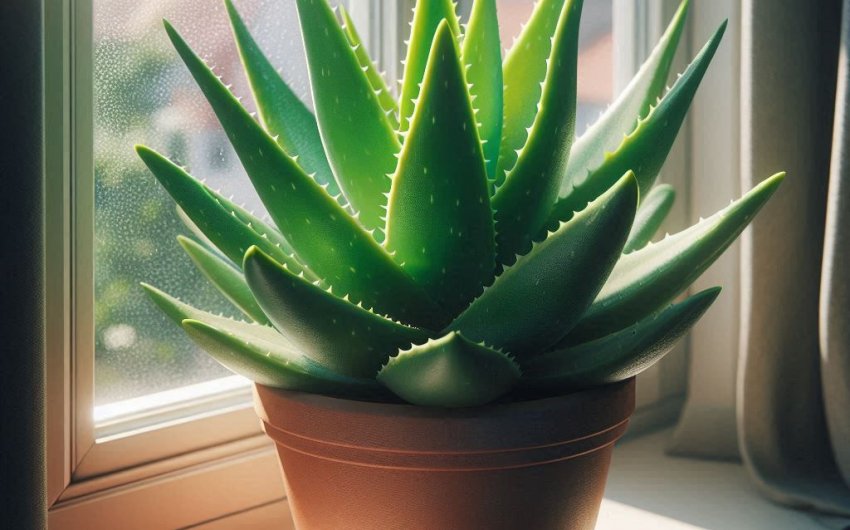
Bringing the timeless benefits of nature into your living space is incredibly rewarding, especially with a plant renowned for its soothing properties. Cultivating Aloe Vera: Growing a Healing Plant Indoors offers both aesthetic appeal and a readily available natural remedy for minor skin irritations. This comprehensive guide will walk you through the precise care requirements, from optimal light to propagation techniques, ensuring your succulent thrives and provides a continuous supply of its celebrated gel.
What kind of light does an Aloe Vera plant need?
Understanding the optimal light conditions is paramount when it comes to growing a healing plant indoors like Aloe Vera. As succulents, they are native to arid regions and have adapted to thrive in abundant sunlight, making proper light exposure a critical factor for their health and growth.
How much sun does an Aloe Vera plant require?
Aloe Vera plants need bright, direct sunlight for at least 6 hours a day. Think of their natural desert or semi-desert habitat; they are accustomed to intense sun.
- Ideal placement: A south- or west-facing window is usually the best spot indoors, providing the most direct and intense light.
- Summer sun: During summer, if possible, moving your Aloe Vera outdoors to a sunny location will greatly benefit its growth, but ensure a gradual transition to avoid sunburn.
- Rotate periodically: To encourage even growth and prevent the plant from leaning towards the light, rotate your Aloe Vera plant every few weeks.
What are the impacts of insufficient sunlight?
This is a common issue for indoor Aloe Vera plants that don't get enough light.
- Leggy, stretched growth: The plant will stretch towards the nearest light source, resulting in long, thin, weak stems and leaves that are spaced far apart. This is known as etiolation.
- Pale or yellowish leaves: The vibrant green color can fade, and the leaves may appear pale or sickly yellow.
- Weak, flimsy leaves: The leaves may not be as plump and firm as they should be, indicating a lack of energy production from photosynthesis.
- Reduced gel potency: While not directly visible, a light-starved plant will likely produce less robust gel, potentially reducing its healing properties.
- Lack of offsets ("pups"): A plant not receiving enough light will rarely produce the offsets necessary for propagation.
What are the impacts of too much direct, intense sun (especially sudden exposure)?
While they love sun, a sudden change from low light to intense direct sun can cause problems:
- Sunburn: Leaves can turn brown, red, or orange, or develop white, bleached patches. This is more common when moving an indoor Aloe to direct outdoor sun too quickly.
- Solution: Acclimate the plant gradually when moving it to a much brighter spot, especially outdoors. Start with a few hours of morning sun, then gradually increase exposure over a week or two.
Providing ample bright, direct sunlight is the cornerstone of successfully growing a healing plant indoors like Aloe Vera.
How often should you water an Aloe Vera plant?
Mastering the art of watering is perhaps the most crucial skill when it comes to growing a healing plant indoors like Aloe Vera. As a succulent, Aloe Vera stores water in its fleshy leaves, making it highly susceptible to overwatering, which is the leading cause of its demise.
What is the ideal watering approach for Aloe Vera?
The golden rule for watering Aloe Vera is to water deeply, but infrequently. Allow the soil to dry out completely between waterings.
- "Dry out" phase: Wait until the soil is completely dry to the touch, not just the surface. For smaller pots, this might mean the top 2-3 inches. For larger pots, you might need to go deeper.
- "Then drench" phase: When you do water, water thoroughly until you see water draining freely from the bottom of the pot. This ensures the entire root ball gets moisture.
- Empty saucers immediately: It is absolutely essential to discard any excess water from the saucer within 15-30 minutes. Allowing the plant to sit in standing water will lead to root rot.
How do you know when to water?
- The Finger Test: This is the most reliable method. Stick your finger 2-3 inches deep into the soil. If it feels completely dry, it's time to water. If it feels even slightly damp, wait.
- Pot Weight: Over time, you'll learn to judge the weight of your pot. A dry pot feels significantly lighter than a well-watered one.
- Moisture Meter: A plant moisture meter can provide an objective reading of moisture levels.
- Visual cues from the plant (less reliable, but indicative): Slightly shriveled or curling leaves can indicate extreme thirst, but by this point, the plant is already stressed. Aim to water before it reaches this stage.
What are the signs of overwatering?
Overwatering is the primary cause of Aloe Vera death.
- Mushy, brown, or black leaves: The leaves will become soft, limp, and discolored, often starting at the base and moving upwards.
- Rotting at the base: The crown (where the leaves meet the roots) may feel soft and mushy, indicating stem rot.
- Foul odor from the soil: A strong, unpleasant smell often accompanies root rot.
- Yellowing leaves: Can be an early sign of overwatering.
- Fungus gnats: Small flying insects attracted to constantly wet soil.
What are the signs of underwatering?
- Thin, flat, or shriveled leaves: The fleshy leaves will become noticeably thinner and may curl or shrivel as the plant uses up its stored water.
- Reddish or brownish tint: Leaves might take on a reddish-brown color, particularly on the tips.
- Slowed growth: The plant won't put out new leaves.
Factors influencing watering frequency:
- Season: Water significantly less in winter (often once a month or even less) when light is low and growth slows. Water more frequently in summer during active growth.
- Pot size: Smaller pots dry faster.
- Pot material: Porous terracotta pots dry faster than plastic or glazed pots.
- Light/Temperature/Humidity: Higher light, warmer temperatures, and lower humidity increase water needs.
Consistent and careful watering, always checking the soil first, is paramount for a thriving Aloe Vera plant.
What kind of soil and container do Aloe Vera plants need?
The correct soil and container are fundamental to the success of growing a healing plant indoors like Aloe Vera. Mimicking their natural habitat requires providing excellent drainage and aeration to prevent the dreaded issue of root rot.
What is the ideal soil mix for Aloe Vera?
Aloe Vera, being a succulent, thrives in a fast-draining, gritty, and airy soil mix. This type of soil allows water to pass through quickly, preventing sogginess, while still providing some moisture and essential nutrients.
- Characteristics:
- Excellent drainage: The most critical feature. Water should not sit in the pot.
- Good aeration: Plenty of air pockets for the roots to breathe.
- Low organic matter: Not too rich in organic material that retains too much moisture.
- Recommended mix components:
- Cactus/Succulent Potting Mix (50-60%): Start with a commercially available cactus and succulent potting mix. These are formulated for quick drainage.
- Perlite or Pumice (20-30%): Add extra perlite or pumice to further enhance drainage and aeration. Look for perlite for plants or pumice for succulents.
- Coarse Sand or Gritty Material (10-20%): Horticultural grit or coarse sand (not play sand) can also improve drainage and add weight for stability.
- Avoid: Heavy garden soil, standard potting mixes (they retain too much water), or mixes with too much peat moss unless balanced with grit.
What is the best container for Aloe Vera?
The container choice is almost as important as the soil mix itself.
- Drainage Holes are ESSENTIAL: Your pot must have at least one large drainage hole (preferably several) to allow excess water to escape freely. Without drainage, root rot is almost guaranteed.
- Material:
- Terracotta pots: These are highly recommended for Aloe Vera. Porous terracotta pots allow moisture to evaporate through their sides, which helps the soil dry out faster, preventing root rot. They also provide good airflow to the roots.
- Plastic/Glazed Ceramic: While possible, these retain moisture much longer. If you use them, be extra vigilant with your watering schedule and ensure ample drainage.
- Size:
- Not too big: Aloe Vera plants prefer to be a bit "root-bound" (their roots filling the pot). Using a pot that is too large for the plant can lead to problems because the excess soil will retain too much moisture, increasing the risk of root rot.
- Match root ball: Choose a pot that is only slightly larger than the plant's current root ball. If your Aloe Vera has many "pups" (offsets), you might need a wider pot rather than a deeper one.
- Wide and shallow is better: A pot that is wider than it is deep is often ideal for Aloe Vera, accommodating its shallow, spreading root system and allowing pups to emerge.
By prioritizing excellent drainage through both soil and container choice, you establish the perfect foundation for a healthy and thriving Aloe Vera plant.
How do you fertilize an Aloe Vera plant?
While essential for growth, fertilization for Aloe Vera, when growing a healing plant indoors, is quite different from other houseplants. These succulents are not heavy feeders, and over-fertilizing can easily do more harm than good.
When should you fertilize an Aloe Vera plant?
- Sparingly and seasonally: Fertilize only during the active growing season, which is typically spring and early summer (roughly April through July).
- Reduced frequency: Limit fertilization to once or twice during this entire period. Some growers fertilize only once a year.
- Dormant season: Do not fertilize in late summer, fall, or winter. During these months, light levels are lower, growth slows down, and the plant's metabolic rate decreases significantly. Fertilizing during dormancy can lead to a harmful buildup of salts in the soil, which can burn the roots.
What type of fertilizer is best for Aloe Vera?
- Low N-P-K ratio: Use a balanced liquid houseplant fertilizer with a low N-P-K (Nitrogen-Phosphorus-Potassium) ratio, such as 10-40-10 (higher phosphorus for root health) or a general 5-10-5.
- Cactus/Succulent specific: A fertilizer specifically formulated for cacti and succulents is often ideal as it's designed for their lower nutrient needs. You can find a cactus and succulent fertilizer.
- Organic options: Some gardeners prefer very diluted fish emulsion or seaweed extract, which provide nutrients gently and improve soil health.
How much and how often should you fertilize?
- Extreme dilution is key: Always dilute your liquid fertilizer to half or even quarter strength (1/2 to 1/4 of what the product label recommends). For Aloe Vera, some even recommend using 1/8th strength. Over-dilution is always better than over-fertilization.
- Frequency: Maximum once or twice during the entire spring/early summer active growing season.
- Always water first: Never fertilize a dry Aloe Vera plant. Always water the plant thoroughly a few hours before applying fertilizer. This ensures the roots are hydrated and the soil is moist, significantly reducing the risk of root burn from concentrated salts.
What are the signs of over-fertilization?
- Brown or crispy leaf tips and edges: This is the most common symptom, similar to underwatering or too much sun. However, it will often be accompanied by a visible white, crusty salt buildup on the soil surface or around the pot rim.
- Stunted or unhealthy growth: The plant may stop growing or look generally unwell despite being "fed."
- Wilting: The plant may appear wilted even if the soil is moist, because excess salts impair water absorption.
If you suspect over-fertilization, you should immediately flush the soil thoroughly with plain water to wash out excess salts. Water slowly and consistently until water drains freely from the bottom for several minutes, repeating this process a few times over the course of an hour or two.
By fertilizing very sparingly and always diluting the solution, you provide just enough nourishment to support your Aloe Vera's growth without risking harmful salt buildup.
How do you propagate an Aloe Vera plant?
Propagating an Aloe Vera plant is one of the most rewarding aspects of growing a healing plant indoors. Not only does it allow you to expand your collection for free, but it also helps maintain the health of the mother plant by providing space for its pups (offsets) to grow. This is a vital part of its long-term care.
What is the primary method of propagation?
The most common and easiest method for propagating Aloe Vera is by separating offsets, often called "pups," from the base of the mother plant. Aloe Vera naturally produces these baby plants around its base.
How do you propagate Aloe Vera offsets (pups)?
- Identify mature pups: Look for pups that are at least 3-4 inches tall and have developed a few leaves of their own. It's best if they already have some roots visible or can be easily separated with roots attached. Waiting until they are a decent size (about 1/5th to 1/3rd the size of the mother) increases their chances of survival.
- Prepare your tools: You'll need a sharp, sterile knife or pruning shears for plants. Sterilize your tools with rubbing alcohol to prevent disease transmission.
- Gently remove the mother plant: Carefully take the mother plant out of its pot. Lay it on its side.
- Separate the pup:
- Gently tease away the soil from around the base of the pup you want to separate.
- Locate the connection point between the pup and the mother plant's root system.
- Using your sterile knife or shears, make a clean cut to sever the pup from the mother plant. Try to retain as many of the pup's roots as possible.
- If the pup is large and has a clear root system, you can sometimes gently twist and pull it away.
- Allow to "callus" (cure): This is a crucial step for succulents.
- Place the separated pup (with its cut end) in a dry, airy spot, out of direct sunlight, for 2-5 days.
- This allows the cut surface to dry out and form a protective callus. This prevents rot when you plant it.
- Plant the pup:
- Choose a small pot (e.g., 4-6 inches) with excellent drainage holes.
- Fill the pot with a well-draining cactus and succulent potting mix.
- Plant the callused pup just deep enough so it stands upright. Its root system (or where it will emerge) should be buried.
- Water sparingly:
- Do not water immediately after planting. Wait about a week to allow the pup to settle.
- After that, water very lightly (just enough to slightly dampen the soil) once every 2-3 weeks, or when the soil is completely dry. Overwatering at this stage is very easy and can lead to rot.
- Provide bright, indirect light: Place the newly potted pup in a spot with bright, indirect light as it establishes its root system. Once new growth appears, you can gradually move it to a brighter spot.
Can you propagate Aloe Vera from leaves?
While it's technically possible, propagating Aloe Vera from a single leaf cutting is very difficult and has a low success rate. The best method remains using offsets.
By carefully separating and planting pups, you can easily expand your collection of this wonderful healing plant indoors.
How do you harvest and use Aloe Vera gel?
One of the most appealing aspects of growing a healing plant indoors like Aloe Vera is the readily available natural remedy it provides. Knowing how to harvest and use Aloe Vera gel correctly ensures you maximize its therapeutic benefits while keeping your plant healthy.
When is the best time to harvest Aloe Vera leaves?
- Mature leaves: Only harvest from mature, established Aloe Vera plants, ideally those that are at least 1-2 years old and have plump, healthy leaves. Younger plants need their energy for growth.
- Outer leaves: Always harvest from the outermost, lowest leaves of the plant. These are the oldest and most mature, containing the highest concentration of gel.
- As needed: Harvest only as much as you need, as the gel is best used fresh. The plant will continue to produce more leaves.
How do you harvest Aloe Vera leaves?
- Choose a healthy leaf: Select a plump, green leaf from the outer ring of the plant.
- Use a clean, sharp knife: A sharp, sterile knife or pruning shears for plants is essential for a clean cut.
- Cut at the base: Make a clean cut as close to the main stem of the plant as possible, at the very base of the leaf. This encourages healing and new growth.
- Allow to "bleed": After cutting, you'll notice a yellow sap or latex draining from the cut end of the leaf. This is called aloin. It's a natural laxative and can be irritating to skin for some people.
- Method: Stand the cut leaf upright in a cup or bowl for 10-15 minutes to allow the yellow aloin to drain out. Discard the drained liquid. This step is crucial if you plan to use the gel internally or have sensitive skin.
How do you extract and prepare the gel?
- Wash the leaf: Rinse the harvested leaf under cool water.
- Trim edges: Use a knife to carefully trim off the serrated (spiky) edges of the leaf.
- Peel one side: Lay the leaf flat on a cutting board. Carefully slide your knife just under the green skin of one side, peeling it away to expose the clear gel. You can also use a vegetable peeler.
- Scoop out gel: Use a spoon or a blunt knife to gently scoop out the clear, translucent gel from the leaf.
- Store: Place the fresh gel in an airtight container (like a small glass jar with lid) and store it in the refrigerator.
How to use fresh Aloe Vera gel?
Fresh Aloe Vera gel is primarily used topically for its soothing and healing properties:
- Minor burns: Apply directly to minor burns (like sunburns) to soothe pain and aid healing.
- Skin irritations: Use for insect bites, minor cuts, scrapes, rashes, or eczema.
- Moisturizer: Can be used as a natural, lightweight skin moisturizer.
- Hair mask: Some use it as a hydrating hair mask.
| Use Type | Benefit | Application Method |
|---|---|---|
| Sunburn | Cooling, anti-inflammatory, promotes healing | Apply fresh gel directly to affected skin |
| Minor Cuts/Scrapes | Antiseptic, promotes healing, reduces scarring | Apply fresh gel directly to clean wound |
| Moisturizer | Hydrating, soothing | Massage small amount into clean skin |
| Insect Bites | Reduces itching and inflammation | Apply directly to bite |
Important Considerations:
- Patch test: Always perform a small patch test on your skin first to check for any allergic reaction.
- External use primarily: While some consume Aloe Vera juice, it's generally recommended to stick to external use of fresh gel from your houseplant, unless you are very knowledgeable about safe internal use and have properly processed it to remove all aloin. Commercial Aloe Vera juices are specially prepared.
- Shelf life: Fresh Aloe gel lasts about 1 week in the refrigerator. You can blend it and freeze it in ice cube trays for longer storage (up to 6 months).
By understanding these harvesting and usage techniques, your Aloe Vera plant truly becomes a valuable healing plant indoors, always ready to provide its natural benefits.