
ZZ Plant Care: Low Light, Low Maintenance, Big Rewards
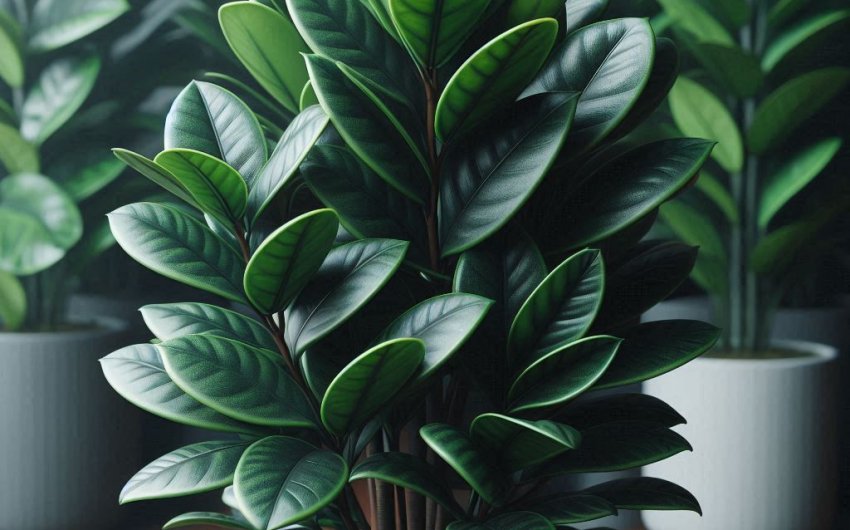
The ZZ plant, scientifically known as Zamioculcas zamiifolia, has earned its reputation as a remarkably resilient and stylish houseplant, perfect for anyone seeking low light, low maintenance, big rewards. Its glossy, deep green foliage and upright growth habit make it a striking addition to any indoor space, while its forgiving nature makes it an ideal choice for beginners and busy plant parents alike. This guide will explore everything you need to know to help your ZZ plant flourish with minimal effort.
What makes the ZZ plant so popular for beginners and busy people?
The ZZ plant's immense popularity stems from its incredible adaptability and hardy nature, making it a dream come true for both novice plant enthusiasts and those with demanding schedules. Unlike many other houseplants that require precise conditions and constant attention, the ZZ plant truly thrives on neglect, proving that sometimes, less is indeed more when it comes to plant care.
Its ability to tolerate a wide range of light conditions, from very low light to bright, indirect light, is a major factor. This flexibility means you can place it in almost any room in your home or office, even in dimly lit corners where other plants might struggle to survive. This makes it an excellent choice for apartments with limited natural light or for adding a touch of green to a workspace without direct sun exposure.
Another key to its popularity is its exceptional drought tolerance. The ZZ plant stores water in its thick rhizomes – specialized underground stems that resemble potatoes – and in its fleshy leaf stems. This unique adaptation allows it to go for long periods without water, forgiving even the most forgetful plant owners. Overwatering is far more detrimental to a ZZ plant than underwatering, making its care routine refreshingly simple. You can go weeks, or even months, between waterings, depending on the light and temperature in your home.
Beyond its resilience, the ZZ plant offers significant aesthetic appeal. Its leaves are naturally shiny and an attractive deep green, adding a touch of elegance and sophistication to any decor. The upright, architectural growth habit gives it a modern, clean look that complements various interior styles. Plus, it's known for its ability to purify indoor air, removing certain toxins and contributing to a healthier living environment. All these characteristics combine to make the ZZ plant a truly rewarding plant that requires minimal fuss for maximum impact.
How much light does a ZZ plant really need?
The ZZ plant is famously adaptable when it comes to light, making it one of the most versatile houseplants for various indoor environments. While it's known for tolerating low light, understanding its preferences can help it thrive even more.
Can a ZZ plant survive in very low light?
Yes, a ZZ plant can certainly survive in very low light conditions, which is one of its most celebrated qualities. It's one of the few plants that can truly tolerate rooms with minimal natural light, such as a windowless office or a hallway far from a window. In such conditions, the plant's growth will be slower, and its leaves might not develop the same vibrant sheen as those in brighter spots. However, it will generally remain healthy and green. This makes it an excellent choice for adding greenery to notoriously dim areas where other plants would quickly decline.
What is the ideal light for a ZZ plant?
While it tolerates low light, the ideal light for a ZZ plant is bright, indirect light. This means a spot near a window that receives plenty of natural light but no direct sunbeams hitting the leaves. A few feet away from an east- or north-facing window is often perfect. In these conditions, you'll notice more vigorous growth, larger and glossier leaves, and potentially even a more upright and robust structure. This level of light encourages the plant to photosynthesize efficiently without the risk of scorching its leaves.
What kind of light should I avoid for my ZZ plant?
Direct, intense sunlight should be avoided for ZZ plants, especially the harsh afternoon sun. While they can handle a little bit of direct morning sun, prolonged exposure to strong direct light can cause the leaves to scorch or turn yellow and brittle. If you see signs of browning or yellowing on the parts of the leaves exposed to sun, it's a clear indication that your plant is getting too much direct light and needs to be moved to a shadier spot. The plant's deep green, waxy leaves are not designed to withstand intense UV radiation, which can lead to sunburn and irreversible damage.
Here's a quick reference table for ZZ plant light requirements:
| Light Level | Description | Plant Response | Recommendation |
|---|---|---|---|
| Very Low Light | Far from a window, windowless room, office cubicle. | Survival, very slow growth, possibly less vibrant leaves. | Tolerated, but not ideal for long-term vigorous growth. |
| Low Light | Several feet from a north-facing window, shaded corner. | Slow but steady growth, good color. | Very good, generally where they perform best with minimal fuss. |
| Bright Indirect | Near east-facing window, a few feet from south/west-facing. | Optimal growth, largest and glossiest leaves, more robust plant. | Ideal for best plant health and appearance. |
| Direct Sun | Unfiltered sunbeams hitting leaves, especially afternoon sun. | Leaves may scorch, turn yellow/brown, stunted growth. | Avoid entirely, causes damage. |
Experimenting with different spots in your home can help you find the perfect balance for your specific ZZ plant and its environment. Remember that "low light" for a ZZ plant is still more light than a completely dark closet; it just means it doesn't need to be right next to a bright window.
How often should I water my ZZ plant?
Watering is perhaps the most critical aspect of ZZ plant care, and it's where most beginners make mistakes, usually by overwatering. The ZZ plant is extremely drought-tolerant due to its water-storing rhizomes, making it far more forgiving of underwatering than overwatering.
What is the golden rule for watering ZZ plants?
The golden rule for watering ZZ plants is to allow the soil to dry out completely between waterings. This isn't just about the top inch or two; you need to let the entire pot's soil become dry. You can check this by sticking your finger deep into the soil (about 2-3 inches down) or by lifting the pot to feel its weight – a dry pot will be significantly lighter than a wet one. For larger pots, a moisture meter can be a helpful tool.
Once the soil is completely dry, water thoroughly until you see water draining from the bottom of the pot. This ensures that the entire root ball gets adequately hydrated. Discard any excess water that collects in the saucer to prevent the plant from sitting in standing water, which can lead to root rot.
How often does "completely dry" translate to in practice?
The frequency of watering will vary significantly based on several factors:
- Light Level: ZZ plants in brighter, indirect light will use water more quickly than those in very low light.
- Temperature: Warmer temperatures increase evaporation, so you'll water more frequently in hot rooms than in cool ones.
- Humidity: Higher humidity slows down evaporation from the soil.
- Pot Size and Material: Smaller pots dry out faster than larger ones. Terra cotta pots are porous and allow water to evaporate more quickly than plastic or glazed ceramic pots.
- Season: During the active growing season (spring and summer), the plant will require more frequent watering than in its dormant period (fall and winter).
Generally, you might find yourself watering every 2-4 weeks during the growing season and perhaps every 4-8 weeks, or even less, during the dormant months. Some ZZ plants can go a month or two without water, especially in low light. When in doubt, it's always better to underwater than to overwater.
What are the signs of overwatering and underwatering?
Knowing the signs of both over and underwatering can help you adjust your watering routine:
Signs of Overwatering:
- Yellowing leaves: Especially lower leaves, which can then turn black and mushy.
- Mushy stems or base: The stems feel soft and squishy, particularly near the soil line.
- Foul smell from soil: Indicates rotting roots.
- Dropping leaves: Leaves may fall off, often appearing discolored.
- Stunted growth: Despite frequent watering, the plant looks unwell.
Signs of Underwatering:
- Wrinkled or shriveled leaves/stems: The stems or leaves may look thin, wrinkled, or puckered.
- Curling leaves: Leaves may curl inward to conserve moisture.
- Crispy leaf edges: Although less common with ZZ plants than with other plants, extreme dryness can lead to this.
- Extremely light pot: The pot feels unusually light when lifted.
If you suspect overwatering, immediately stop watering, allow the soil to dry out completely, and potentially unpot the plant to inspect the rhizomes for rot. If you see mushy, black roots, trim them off with sterile scissors. Repot in fresh, well-draining soil. If you suspect underwatering, a thorough watering until water drains from the bottom should rehydrate the plant. The leaves and stems should plump up again within a few days. Always remember: the ZZ plant is built for drought, not for drowning.
What is the best soil and pot for a ZZ plant?
Choosing the right soil and pot is fundamental to the long-term health of your ZZ plant. These choices directly impact drainage, which is crucial for preventing the dreaded root rot.
What kind of soil should I use?
The key characteristic for ZZ plant soil is excellent drainage. They absolutely cannot tolerate sitting in soggy soil. A standard potting mix designed for houseplants is a good starting point, but it's even better to amend it to improve drainage further.
Here's an ideal soil mix:
- 50% quality potting mix: Look for a mix that is light and airy.
- 25% perlite: Perlite is a volcanic glass that helps aerate the soil and improves drainage by creating small air pockets.
- 25% coarse sand or bark chips: Coarse sand or small bark chips (like orchid bark) also significantly enhance drainage and prevent compaction.
Avoid using heavy garden soil, which can compact and retain too much moisture, especially in a pot. The goal is a mix that allows water to pass through relatively quickly while still retaining some moisture and nutrients.
What type of pot is best for a ZZ plant?
The most important feature for any pot holding a ZZ plant is drainage holes. Without them, water will sit at the bottom, leading to root rot regardless of how well-draining your soil is.
As for material:
- Terra Cotta Pots: Unglazed terra cotta pots are an excellent choice because their porous nature allows excess moisture to evaporate through the sides of the pot. This helps the soil dry out more quickly and reduces the risk of overwatering, which is perfect for ZZ plants.
- Plastic or Glazed Ceramic Pots: These materials are non-porous and retain moisture more effectively. If you choose a plastic pot or glazed ceramic pot, be extra vigilant about your watering schedule and ensure the drainage hole isn't blocked. They are often lighter and can be more decorative, but require careful monitoring.
What size pot should I use?
ZZ plants generally prefer to be a bit root-bound, meaning their roots are snugly filling the pot. Avoid potting them in a container that is too large, as a big pot holds more soil and thus more moisture, which increases the risk of overwatering and root rot.
When repotting, only go up one pot size (e.g., from a 6-inch pot to an 8-inch pot). Repotting is typically only necessary every 2-3 years, or when you see the rhizomes starting to press against the sides of the pot, or roots emerging from the drainage holes. The best time to repot is during the active growing season in spring or early summer.
When you do repot, gently remove the plant, inspect the rhizomes for any signs of rot (mushy, black spots), and remove any affected parts with sterile scissors. Then, place it in the new pot with fresh, well-draining soil, ensuring the top of the rhizomes is just below the soil surface.
Do ZZ plants need fertilizer or specific humidity?
ZZ plants are renowned for their low maintenance nature, and this extends to their feeding and humidity requirements. They are not heavy feeders, and their natural habitat means they are well-adapted to environments that don't offer consistently high humidity.
Do ZZ plants need fertilizer?
ZZ plants are not heavy feeders and can thrive for long periods without any additional nutrients. However, providing a very light feeding during their active growing season (spring and summer) can encourage more robust growth.
Here's how to approach fertilizing:
- Frequency: Fertilize sparingly. Once or twice during the entire growing season (spring through early fall) is usually sufficient. Avoid fertilizing in fall and winter when the plant's growth naturally slows down.
- Type of Fertilizer: Use a balanced liquid houseplant fertilizer, diluted to half or even quarter strength. A common balanced formula might be 10-10-10 or 20-20-20. Brands like Miracle-Gro Indoor Plant Food or Dyna-Gro Grow are often recommended.
- Application: Always apply fertilizer to moist soil. Fertilizing dry soil can burn the roots of the plant.
Over-fertilizing is far more detrimental than under-fertilizing for a ZZ plant. Excess salts from fertilizer can build up in the soil, leading to leaf tip burn, yellowing, and overall plant stress. If you see white crusting on the soil surface, it might be a sign of salt buildup, which indicates you're fertilizing too much or not flushing the soil when watering.
What about humidity?
ZZ plants are incredibly tolerant of typical indoor household humidity levels. They originate from dry grasslands and forests in Eastern Africa, where they experience periods of drought. This means they are not like tropical plants that crave consistently high humidity.
- Average Room Humidity: Standard indoor humidity, typically ranging from 30% to 50%, is perfectly fine for ZZ plants. You do not need to mist them or use a pebble tray.
- Low Humidity Tolerance: They can even tolerate lower humidity levels without showing signs of distress.
- Avoid High Humidity & Poor Airflow: While some plants enjoy high humidity, consistently high humidity combined with poor airflow can actually be detrimental to ZZ plants, as it can contribute to fungal issues or leaf spots.
In summary, you don't need to worry about humidity for your ZZ plant. It's one less thing to monitor, perfectly aligning with its low maintenance reputation. Focus on proper watering and light, and your ZZ plant will be perfectly happy.
Are ZZ plants toxic to pets and humans?
Yes, it's important to be aware that ZZ plants contain calcium oxalate crystals, making them toxic if ingested. This is a crucial piece of information for any plant owner, especially those with curious pets or young children.
What parts of the ZZ plant are toxic?
All parts of the ZZ plant contain calcium oxalate crystals, including the leaves, stems, and especially the underground rhizomes. These crystals are microscopic, needle-shaped structures that can cause irritation and inflammation if they come into contact with mucous membranes.
What are the symptoms of exposure or ingestion?
If a pet or human chews on or ingests parts of a ZZ plant, the calcium oxalate crystals can cause immediate and uncomfortable symptoms.
For humans, symptoms typically include:
- Burning sensation and irritation in the mouth, tongue, and throat.
- Swelling of the lips, tongue, and throat.
- Difficulty swallowing.
- Nausea and vomiting (less common but possible).
For pets, particularly dogs and cats, symptoms can include:
- Oral irritation, pawing at the mouth.
- Drooling excessively.
- Vomiting.
- Difficulty swallowing.
- Decreased appetite.
The good news is that typically, the immediate discomfort prevents pets or children from ingesting large amounts, and serious, life-threatening reactions are rare. However, it's always best to err on the side of caution.
How can I keep my ZZ plant safe from pets and children?
To ensure the safety of your household members, follow these precautions:
- Placement: Position your ZZ plant in a location that is out of reach of pets and young children. This might mean placing it on a high shelf, a tall plant stand, or in a room that is inaccessible to them.
- Educate: If you have older children, explain to them that the plant is not for eating or playing with.
- Supervise: Always supervise pets and children when they are near your plants.
- Clean Up: When pruning or repotting, ensure all plant debris is immediately cleaned up and disposed of safely, as even small pieces can pose a risk.
- Pet Deterrents: For persistent chewers, consider using a bitter-tasting pet repellent spray on the leaves (ensure it's safe for plants and pets).
- Wear Gloves: When handling your ZZ plant, especially during repotting or pruning, it's a good idea to wear garden gloves to prevent skin irritation, particularly if you have sensitive skin.
If you suspect ingestion, seek immediate medical or veterinary attention. For humans, contact a poison control center. For pets, contact your veterinarian or a pet poison helpline. While the ZZ plant is a fantastic, low maintenance houseplant, its toxicity is an important factor to consider for responsible plant ownership.
What are the different types of ZZ plants?
While the classic Zamioculcas zamiifolia with its glossy green leaves is the most common, several interesting cultivars and closely related varieties have emerged, offering subtle or striking variations in leaf color and size. These variations provide even more options for incorporating ZZ plants into your decor.
Here are some popular types of ZZ plants:
1. The Classic ZZ Plant (Zamioculcas zamiifolia)
This is the original and most widespread type, known for its:
- Deep green, glossy leaves: Waxy and reflective, giving it a polished look.
- Upright, slightly arching stems: Growing from potato-like rhizomes underground.
- Resilience: The standard bearer for low light, low maintenance care.
- Common size: Typically grows to 2-3 feet tall indoors, though can get larger in ideal conditions.
This is the ZZ plant you'll most commonly find in nurseries and plant stores, perfect for starting your collection.
2. 'Raven' ZZ Plant (Zamioculcas zamiifolia 'Raven')
Perhaps the most famous and sought-after cultivar, the 'Raven' ZZ plant is characterized by its dramatic dark foliage.
- New growth: Emerges a vibrant lime green.
- Mature foliage: Gradually darkens to an incredibly deep, almost black, purple-green. This transition is fascinating to watch.
- Contrast: The stark contrast between the new green growth and the mature dark leaves is truly striking.
- Care: Shares the same robust, low-maintenance care requirements as the classic ZZ.
- Availability: Becoming more widely available but can still be pricier than the standard green ZZ.
If you're looking for a plant with a moody, sophisticated aesthetic, the 'Raven' is an excellent choice.
3. 'Zenzi' ZZ Plant (Zamioculcas zamiifolia 'Zenzi')
'Zenzi' is a compact, dwarf variety of the ZZ plant, perfect for smaller spaces or tabletops.
- Compact size: Stays much smaller than the classic ZZ, usually reaching only 1-2 feet tall.
- Denser foliage: Has a more bushy, compact growth habit with shorter, thicker stems and smaller, more tightly packed leaves.
- Curled leaflets: Often has a slightly more curled or rounded appearance to its leaflets, giving it a unique texture.
- Care: Same easy care as other ZZ varieties, just in a smaller package.
'Zenzi' is ideal for desks, bookshelves, or as part of a plant collection where space is at a premium.
4. 'Variegated' ZZ Plant (Zamioculcas zamiifolia 'Variegata')
This is a much rarer and highly prized variety, known for its unique leaf patterns.
- Cream, white, or yellow variegation: The deep green leaves are splashed or streaked with irregular patches of lighter colors.
- Slow growth: Variegated plants often grow slower than their non-variegated counterparts due to less chlorophyll.
- Higher light needs: While still tolerant, variegated ZZs often appreciate slightly brighter indirect light to maintain their variegation. Too low light can cause the variegation to fade.
- Rarity: Difficult to find and typically more expensive due to its unique appearance and slower propagation.
A variegated ZZ plant is a true collector's item and a stunning statement piece.
5. 'Dwarf' or 'Small' ZZ Plant
While 'Zenzi' is a specific cultivar, some nurseries might simply label smaller, compact varieties as 'Dwarf ZZ'. These plants share the same characteristics of generally staying under 2 feet tall, with denser foliage, making them suitable for similar uses as 'Zenzi'.
Choosing among these types allows you to select a ZZ plant that not only fits your space and care needs but also complements your personal style with its unique coloring and form. Regardless of the type, you can count on them to deliver big rewards for very low maintenance.
How do I propagate a ZZ plant?
Propagating a ZZ plant is a rewarding, albeit slow, process that allows you to create new plants from your existing one. While they are famously slow growers, their resilience means that with patience, you can successfully multiply your ZZ collection. The most common and effective methods involve using leaf cuttings or stem cuttings.
1. Propagating from Leaf Cuttings
This method is the slowest but requires minimal material and can yield multiple new plants from a single leaf.
Steps:
- Select a healthy leaf: Choose a plump, mature, healthy leaf from your ZZ plant. Gently twist or cut it off cleanly at the base, where it meets the main stem.
- Allow to callus: This is a crucial step to prevent rot. Leave the leaf cutting in a dry, airy place for 1-3 days, or until the cut end forms a dry, hard callus.
- Plant in soil: Once callused, insert the cut end of the leaf about 1/4 to 1/2 inch deep into a pot filled with a well-draining, moist potting mix (a mix of potting soil and perlite is ideal). You can plant several leaves in one pot, spacing them out.
- Water lightly: Water sparingly, just enough to keep the soil slightly damp, not wet. Overwatering will lead to rot.
- Provide warmth and indirect light: Place the pot in a warm spot with bright, indirect light.
- Patience is key: This is where the "slow" part comes in. It can take several months (3-9 months or even longer) for rhizomes and new shoots to form underground. You won't see much above ground until new growth finally emerges. You can gently check for rhizome formation after a few months by carefully digging up a leaf.
2. Propagating from Stem Cuttings
This method is generally faster than leaf cuttings for producing new top growth, as the stem already contains more stored energy.
Steps:
- Select a healthy stem: Choose a healthy, mature stem (a petiole with several leaflets attached) from your ZZ plant. Cut it cleanly using sharp, sterile scissors or a knife. Make the cut at the very base of the stem, near the soil line, or just above a node.
- Allow to callus: Just like with leaf cuttings, allow the cut end of the stem to callus over for 1-3 days in a dry, airy place. This prevents rot.
- Root in water (optional but popular): Many people find success rooting ZZ plant stems in water.
- Place the callused stem in a glass or jar filled with fresh water, ensuring only the bottom 1-2 inches of the stem are submerged.
- Place in bright, indirect light.
- Change the water every few days to prevent bacterial growth.
- Roots and rhizomes can take several weeks to a few months to form.
- Plant in soil: Once a good root system and small rhizomes (they look like little potato-like bumps) have developed, transfer the cutting to a pot filled with well-draining potting mix. If rooting directly in soil, plant the callused stem about 2-3 inches deep into the soil.
- Water and care: Water lightly initially and then follow the regular ZZ plant watering schedule (allow to dry out completely between waterings). Provide bright, indirect light.
- Wait for new growth: Even with a rooted stem cutting, new foliage growth above ground can take a few weeks to several months to appear.
3. Division (for mature plants)
For large, mature ZZ plants, division is the fastest way to get new plants, as you're splitting an existing healthy root system.
Steps:
- Unpot the plant: Gently remove the entire ZZ plant from its pot.
- Untangle rhizomes: Carefully shake off excess soil to expose the rhizomes. Identify natural divisions where the rhizomes can be separated without causing too much damage.
- Divide: Using a clean, sharp knife or your hands, gently pull or cut the clump into smaller sections, ensuring each section has at least one healthy stem and a good portion of rhizomes and roots.
- Repot: Plant each new section into its own pot filled with fresh, well-draining potting mix, following the guidelines for pot size and soil.
- Water lightly: Water the newly potted divisions lightly. The plant may experience a bit of transplant shock, but should recover.
Regardless of the method, patience is the most important tool when propagating ZZ plants. Their slow growth means it will take time to see significant results, but the reward is more of these incredibly low maintenance beauties.
How do I manage common ZZ plant problems?
While ZZ plants are famously robust, they aren't entirely immune to issues. Most problems with ZZ plants stem from improper watering, but understanding the common signs and solutions can help you quickly address them and keep your plant thriving with low maintenance.
Here's a breakdown of typical ZZ plant problems and how to fix them:
1. Yellowing Leaves
This is by far the most common complaint and almost always points to overwatering.
- Cause: Too much water, leading to root rot. The roots suffocate and can't deliver water and nutrients to the leaves.
- Solution:
- Immediately stop watering.
- Check the soil moisture level deeply. If wet, unpot the plant to inspect the rhizomes.
- If rhizomes are mushy and black, cut off the affected parts with sterile scissors. Allow the healthy rhizomes to air dry for a day or two before repotting in fresh, well-draining soil.
- Adjust your watering schedule: only water when the soil is completely dry from top to bottom.
- Ensure the pot has adequate drainage holes.
2. Drooping Stems or Leaves
Drooping can indicate either overwatering or severe underwatering, though it's more often related to water issues.
- Cause (Overwatering): If stems are soft, mushy, and yellowing, it's root rot from overwatering.
- Solution: Refer to the "Yellowing Leaves" solution above.
- Cause (Underwatering): If stems and leaves look shriveled, thin, and the soil is bone dry, it's thirsty. The plant is using its stored water.
- Solution: Water thoroughly until water drains from the bottom. The plant should plump up within a day or two. Adjust your watering frequency to ensure it doesn't go too long without water.
3. Brown, Crispy Leaf Tips or Edges
This is less common for ZZ plants compared to other houseplants but can still occur.
- Cause: Usually a sign of very low humidity combined with infrequent watering, or sometimes chemical burn from over-fertilization or tap water with high chlorine/fluoride.
- Solution:
- Ensure you are watering deeply enough when you do water.
- While ZZs tolerate low humidity, extremely dry air might cause this. Usually, no action is needed unless combined with other symptoms.
- If over-fertilizing is suspected, flush the soil with plenty of clean water, or repot with fresh soil. Consider using filtered water or letting tap water sit out overnight.
4. Stunted or No New Growth
This is typically a sign that the plant is not getting enough light or nutrients, or its pot is too small.
- Cause:
- Very low light: In extremely dim conditions, growth will be minimal.
- Nutrient deficiency: If it hasn't been fertilized in a very long time, or the soil nutrients are depleted.
- Root-bound: The plant might be too root-bound and needs repotting.
- Solution:
- Move the plant to a brighter spot with bright, indirect light.
- Apply a diluted balanced liquid fertilizer during the growing season (spring/summer), once or twice.
- Check if the plant is root-bound by gently pulling it out of its pot. If the rhizomes are circling tightly, it's time to repot into a slightly larger pot with fresh soil.
5. Pests
ZZ plants are remarkably pest-resistant due to their waxy leaves. However, they can occasionally suffer from common houseplant pests.
- Common Pests: Spider mites, mealybugs, or scale are the most likely culprits.
- Signs: Small webs (spider mites), fuzzy white spots (mealybugs), or tiny brown bumps (scale) on stems and under leaves.
- Solution:
- Isolate the infected plant to prevent spread.
- Wipe down leaves and stems with a damp cloth or a cotton swab dipped in rubbing alcohol for individual pests like mealybugs/scale.
- For more widespread infestations, spray the plant with neem oil spray or an insecticidal soap. Repeat applications may be necessary.
6. Rhizome Rot
This is the most severe problem and is almost exclusively due to persistent overwatering.
- Cause: Standing water in the pot, soil that never dries out, or a pot without drainage holes.
- Symptoms: Mushy, black, foul-smelling rhizomes (the potato-like structures underground). The entire plant may collapse.
- Solution:
- Immediate action is crucial. Unpot the plant.
- Cut away all black, mushy, or smelly parts of the rhizomes with a sterile knife. You want to see firm, light-colored tissue.
- Allow the healthy remaining rhizomes to air dry for several days until cuts callus over.
- Repot in a smaller pot with fresh, extremely well-draining soil mix (heavy on perlite).
- Adjust watering to be very infrequent and only when the soil is bone dry.
By understanding these common issues and their solutions, you can easily maintain your ZZ plant, ensuring it continues to provide low light, low maintenance, big rewards in your home. Remember, the ZZ plant is a survivor; most problems can be corrected with timely adjustments to its care.