
Best Practices for Preventing Lawn Stress from Drought
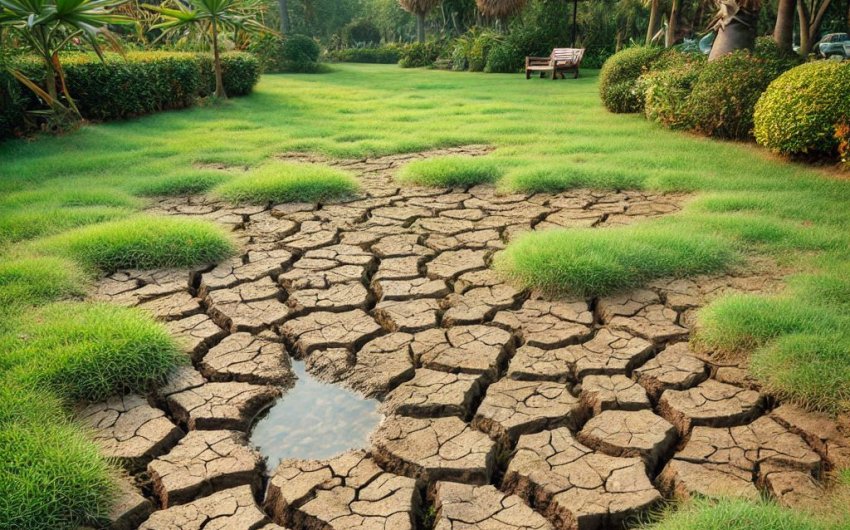
As unpredictable weather patterns become more common, ensuring your lawn remains vibrant amidst dry spells is a growing concern for many homeowners. Learning the best practices for preventing lawn stress from drought is paramount, shifting the focus from reactive watering to proactive strategies that build a resilient, healthy turf capable of withstanding prolonged periods without rain. This comprehensive guide will equip you with the knowledge and techniques to cultivate a drought-resistant lawn, ensuring its beauty endures through challenging conditions.
What happens to a lawn during drought stress?
Understanding the physiological changes your grass undergoes during drought is the first step in implementing the best practices for preventing lawn stress from drought. When water becomes scarce, turfgrass initiates a series of responses to conserve moisture and survive, leading to visible changes in its appearance and health.
What are the early signs of drought stress?
Before your lawn turns completely brown, it will exhibit several subtle indicators that it's experiencing a lack of water:
- Footprints remain: When you walk across the lawn, your footprints will remain visible for an extended period, rather than the grass blades springing back up quickly. This is because the grass blades have lost turgor pressure (their internal water pressure) and are becoming limp.
- Dull, grayish-green or bluish tint: The vibrant green color of healthy grass will fade, taking on a dull, grayish, or even bluish cast. This is often more noticeable in areas that are slightly elevated or on slopes where water drains quickly.
- Curling or folded leaves: Grass blades may curl inward or fold along their length to reduce the surface area exposed to the sun, thereby minimizing water loss through transpiration.
- Wilting: While more severe, the grass may visibly droop or flatten, indicating a significant lack of water.
What physiological changes occur in grass during drought?
- Reduced Transpiration: Plants primarily lose water through tiny pores on their leaves called stomata. During drought, grass closes its stomata to conserve water. While this helps prevent water loss, it also reduces the intake of carbon dioxide, which is essential for photosynthesis (the process by which plants make food).
- Decreased Photosynthesis: With stomata closed, photosynthesis slows down or stops. This means the grass is not producing enough sugars to sustain its growth and energy needs.
- Root Growth Alterations:
- Initial Deepening: In the very early stages of drought, grass may try to send roots deeper into the soil to seek out available moisture. This is a survival mechanism.
- Root Dieback: However, if drought persists, the shallower, more active feeder roots near the surface will begin to die back, as the plant sacrifices less critical parts to preserve the crown (the growing point).
- Dormancy: As a survival mechanism, many cool-season grasses (like fescue, bluegrass) and some warm-season grasses (like Bermuda) enter a state of dormancy. They stop active growth, turn brown, and essentially "shut down" until moisture returns. While dormant, they are still alive, but very vulnerable.
- Cellular Damage: Prolonged severe drought can lead to irreversible cellular damage, causing grass blades and roots to die completely, especially if the grass is not well-established or properly cared for beforehand.
Understanding these signs and processes helps you recognize drought stress early and implement effective strategies to minimize its impact on your lawn.
What are the best grass types for drought resistance?
Choosing the right turfgrass variety is a foundational step in the best practices for preventing lawn stress from drought. Not all grasses are created equal when it comes to their ability to withstand prolonged periods without water. Selecting a drought-resistant species can significantly reduce your lawn's water needs and improve its resilience.
What characteristics define a drought-resistant grass?
- Deep root systems: Grasses with extensive, deep root systems can access water stored deeper in the soil profile, making them less reliant on frequent surface watering.
- Genetic tolerance to desiccation: Some grass species are naturally more efficient at conserving water within their cells and can tolerate higher levels of cellular dehydration without dying.
- Ability to enter dormancy: Many drought-resistant grasses have the ability to go dormant (turn brown) during prolonged dry spells and then green up again once moisture returns. This is a survival mechanism, not necessarily a sign of death.
- Heat tolerance: Often, drought tolerance goes hand-in-hand with heat tolerance, as dry conditions usually coincide with high temperatures.
- Efficient water use: Some grasses have leaf structures or physiological adaptations that reduce water loss through transpiration.
What are the recommended grass types for drought resistance?
The best choices will depend on your climate zone (cool-season vs. warm-season grasses):
Warm-Season Grasses (thrive in hot summers, can go dormant in cold winters):
- Bermudagrass (Cynodon dactylon):
- Drought Tolerance: Excellent. It's renowned for its ability to go dormant in drought and quickly recover with water. It has a deep root system.
- Pros: Very heat tolerant, tolerant of high traffic, establishes quickly.
- Cons: Aggressively spreads, can be invasive, goes dormant (turns brown) in winter.
- Zoysiagrass (Zoysia japonica):
- Drought Tolerance: Excellent once established. Forms a very dense, tough turf.
- Pros: Very low water needs, low mowing frequency, good wear tolerance.
- Cons: Slow to establish, goes dormant in winter.
- Buffalograss (Bouteloua dactyloides):
- Drought Tolerance: Exceptional. This is a native prairie grass well-adapted to arid conditions.
- Pros: Extremely low water and fertilizer needs, low growth (less mowing), very cold tolerant for a warm-season grass.
- Cons: Can be sparse, not as dense as other turfgrasses, less shade tolerant.
- St. Augustinegrass (Stenotaphrum secundatum):
- Drought Tolerance: Good, especially improved cultivars. Can enter dormancy.
- Pros: Forms a dense, attractive lawn, tolerates some shade.
- Cons: Can be prone to thatch, less cold tolerant than Bermuda/Zoysia.
Cool-Season Grasses (thrive in cool/moderate temperatures, can go dormant in summer heat/drought):
- Tall Fescue (Festuca arundinacea):
- Drought Tolerance: Very good for a cool-season grass due to its relatively deep root system.
- Pros: Tolerates a wide range of conditions, good wear tolerance, maintains color better than bluegrass in drought.
- Cons: Can be coarse-textured, some varieties may clump.
- Fine Fescues (e.g., Creeping Red Fescue, Chewings Fescue, Hard Fescue):
- Drought Tolerance: Good, especially for low-input areas. They have fine blades and low water requirements.
- Pros: Tolerate shade, low maintenance, often used in mixes.
- Cons: Not as durable for high-traffic areas, can look sparse.
- Kentucky Bluegrass (Poa pratensis):
- Drought Tolerance: Moderate. It has rhizomes that allow it to recover from dormancy, but it typically enters dormancy quickly in drought.
- Pros: Beautiful, dense turf, excellent recuperative abilities.
- Cons: High water and nutrient requirements, prone to summer dormancy.
When selecting seed, look for blends specifically marketed as "drought-tolerant lawn seed" or "low-water lawn mix," which often combine superior cultivars of these grasses. Choosing the right grass is the most sustainable way to reduce your lawn's vulnerability to dry spells.
What are the best watering practices for drought prevention?
Perhaps the most direct way to implement the best practices for preventing lawn stress from drought is by adopting intelligent watering habits. Counterintuitively, watering less frequently but more deeply is key to building a drought-resistant lawn.
Why is deep and infrequent watering superior?
- Encourages deep roots: When you water deeply, the moisture penetrates several inches into the soil. Grass roots will naturally grow downwards, following the water. A deep, extensive root system allows the grass to access water stored deeper in the soil profile, making it much more resilient during dry spells.
- Prevents shallow roots: Frequent, shallow watering (e.g., 10-15 minutes every day) keeps only the top inch or two of soil moist. This trains grass roots to stay near the surface, making them highly vulnerable to drying out as soon as the topsoil evaporates.
- Reduces water waste: Deep watering means less water is lost to surface evaporation or runoff compared to short, frequent applications.
- Deters weeds: Many weed seeds germinate and thrive in consistently moist topsoil. Allowing the surface to dry out between deep waterings can help suppress some weed growth.
- Discourages disease: Keeping the grass blades and upper soil dry between waterings reduces the risk of fungal diseases that thrive in constantly moist conditions.
How much water does your lawn need?
- General rule: Most lawns need about 1 inch of water per week, either from rain or irrigation, during the active growing season.
- Test for depth:
- Place a rain gauge or an empty tuna can in your sprinkler's spray pattern.
- Run the sprinkler for a set amount of time (e.g., 20-30 minutes).
- Measure the water collected in the gauge/can. This tells you how long it takes to apply a certain amount of water.
- Then, use a screwdriver or soil probe to check how deep the water has penetrated. For most turfgrass, aim for 4-6 inches of penetration. Adjust your watering duration accordingly to reach this depth.
When is the best time to water?
- Early morning (4 AM - 9 AM): This is the ideal time.
- Minimizes evaporation: Cooler temperatures and less wind mean more water reaches the roots, not the air.
- Allows blades to dry: The grass blades have time to dry before nightfall, which is crucial for preventing fungal diseases.
- Avoid:
- Midday: Too much water is lost to evaporation.
- Evening/Night: Leaves stay wet for too long, creating ideal conditions for fungal growth.
How often should you water?
- Only when the lawn needs it: Don't water on a fixed schedule. Use visual cues:
- Dull, grayish-green color.
- Footprints remain after walking.
- Grass blades curl or fold.
- Typical frequency: Depending on your climate, grass type, and soil, this might mean watering once or twice a week during dry periods, rather than every day. Sandy soils will need more frequent watering than clay soils, but still deeply.
By mastering the art of deep and infrequent watering, you train your lawn to become more self-sufficient and resilient, a core component of the best practices for preventing lawn stress from drought.
How do you improve soil health for drought resistance?
The health and composition of your soil are foundational to the best practices for preventing lawn stress from drought. A vibrant, well-structured soil can dramatically improve your lawn's ability to retain moisture and sustain itself during dry periods.
Why is soil organic matter crucial for drought resistance?
- Water retention: Organic matter acts like a sponge, significantly increasing the soil's capacity to hold water. This is especially vital in sandy soils, which typically drain too quickly. In clay soils, it improves structure, allowing better drainage and also water retention within the aggregates.
- Nutrient holding capacity: It also enhances the soil's ability to hold onto essential nutrients, preventing them from leaching away, especially in fast-draining soils.
- Improved soil structure: Organic matter helps bind soil particles into stable aggregates, creating a crumbly texture with an ideal balance of air and water pores. This improves both drainage (preventing waterlogging) and aeration (providing oxygen to roots).
- Feeds beneficial microbes: Organic matter is the primary food source for a healthy population of beneficial soil microorganisms. These microbes play a vital role in nutrient cycling and overall soil health, contributing to robust root systems.
What are the best practices for improving soil health?
- Add Compost (Topdressing):
- Method: Apply a thin layer (1/4 to 1/2 inch) of high-quality, screened lawn compost over your entire lawn annually, ideally in spring or fall.
- Benefits: This gradually incorporates organic matter into the soil, improving its structure and water-holding capabilities over time. It also provides a slow release of nutrients.
- Leave Grass Clippings (Grasscycling):
- Method: When you mow, leave your grass clippings on the lawn. Use a mulching mower if possible, which chops them into fine pieces.
- Benefits: Clippings quickly break down, returning valuable organic matter and nutrients to the soil. This is a continuous and free source of soil enrichment.
- Core Aeration:
- Method: Perform core aeration (removing small plugs of soil) during your grass's active growing season (fall for cool-season, late spring/early summer for warm-season). A lawn aerator can be rented.
- Benefits: Relieves soil compaction, allowing water, air, and nutrients (including topdressing) to penetrate deeper. This encourages deeper root growth, a key factor in drought resistance.
- Use Organic Fertilizers:
- Method: Instead of or in addition to synthetic fertilizers, consider using organic lawn food.
- Benefits: Organic fertilizers feed the soil microbes, contributing to the long-term health and structure of the soil, which in turn improves its drought resilience.
- Minimize Soil Compaction:
- Avoid heavy foot traffic or vehicle use on your lawn, especially when the soil is wet. Compaction reduces pore space, hindering water infiltration and root growth.
By consistently enriching your soil with organic matter and improving its structure, you create a robust underground environment that actively helps your lawn withstand drought conditions, truly reflecting the best practices for preventing lawn stress from drought.
How do mowing practices impact drought resilience?
The way you mow your lawn might seem like a simple task, but it has a surprisingly significant impact on your turf's ability to withstand dry periods. Adopting specific mowing practices is a crucial element in the best practices for preventing lawn stress from drought.
Why is mowing height important for drought resilience?
- Shades the soil: Taller grass blades create a natural canopy over the soil surface. This shade reduces direct sun exposure on the soil, leading to less water evaporation and keeping the soil cooler.
- Encourages deeper roots: When grass blades are longer, the plant has more surface area for photosynthesis, allowing it to produce more energy. This excess energy is often directed below ground, promoting the growth of a deeper, more extensive root system. As discussed, deep roots are paramount for accessing deeper moisture reserves during drought.
- Reduces stress on the plant: When you mow too short (scalping), you remove too much of the plant's photosynthetic capability. This severely stresses the grass, forcing it to expend energy on recovering its foliage rather than on root development or overall resilience. Stressed grass is far more susceptible to drought damage.
What are the best mowing practices for drought resilience?
- Mow at the highest recommended height for your grass type:
- General rule: Never remove more than one-third of the grass blade length in a single mowing.
- Cool-season grasses (e.g., fescue, bluegrass): Aim for 2.5 to 3.5 inches, or even up to 4 inches during hot, dry periods.
- Warm-season grasses (e.g., Bermuda, Zoysia, St. Augustine): Aim for 2 to 3 inches, but check specific recommendations for your cultivar. Some St. Augustine varieties benefit from 3-4 inches.
- Tip: Raise your lawn mower deck during summer drought conditions.
- Leave grass clippings on the lawn (Grasscycling):
- Benefits: As clippings decompose, they return valuable nutrients and organic matter to the soil. This organic matter improves the soil's water-holding capacity and overall health, directly benefiting drought resilience.
- Method: Use a mulching mower or simply remove the bagger. Clippings are mostly water and decompose quickly, they do not cause thatch if mowed frequently enough.
- Ensure sharp mower blades:
- Why: Dull blades tear and rip grass blades, leaving jagged edges that turn brown and lose water more rapidly. Tearing also stresses the plant, making it more vulnerable to drought and disease.
- Maintenance: Sharpen your lawn mower blades at least once per season, or more frequently if you have a large lawn.
- Mow less frequently during drought:
- If your lawn is already showing signs of drought stress, reduce mowing frequency. Mowing itself is a stressor.
- Allow the grass to conserve energy for survival until conditions improve or you can provide supplemental water.
By consistently applying these thoughtful mowing practices, you empower your lawn to build a stronger root system and better manage moisture, effectively demonstrating the best practices for preventing lawn stress from drought.
What role do appropriate fertilization and pest management play in drought resilience?
Beyond water and soil, strategic fertilization and proactive pest management are often overlooked but crucial components of the best practices for preventing lawn stress from drought. A well-fed, pest-free lawn is inherently stronger and more capable of enduring periods of dry weather.
How does fertilization impact drought resistance?
- Balanced Nutrients for Strong Roots:
- Avoid excessive nitrogen: While nitrogen promotes green, lush top growth, too much of it (especially from quick-release synthetic fertilizers) can lead to weak, sappy growth that prioritizes foliage over root development. This type of growth is highly susceptible to drought stress.
- Focus on phosphorus and potassium: These nutrients are vital for root development, water regulation within the plant, and overall stress tolerance. A soil test will reveal if your lawn needs these.
- Micronutrients: Ensure your soil has adequate micronutrients like iron, manganese, and zinc, which are crucial for various plant functions and resilience.
- Slow-Release Fertilizers:
- Benefits: Opt for slow-release lawn fertilizers. These provide a steady, consistent supply of nutrients over an extended period, preventing sudden growth flushes that can weaken the grass. They also reduce nutrient leaching in sandy soils.
- Proper Timing:
- Cool-season grasses: Fertilize heavily in the fall to support root growth that will help it through winter and early summer dry spells. A lighter spring application is fine. Avoid heavy summer fertilization during potential drought.
- Warm-season grasses: Fertilize in late spring/early summer when they are actively growing.
- Avoid fertilizing during drought: Never fertilize a lawn that is already drought-stressed. It can burn the already compromised grass. Wait until conditions improve.
- Soil Test: A soil testing kit is essential to determine exact nutrient needs, preventing over or under-application.
How does pest management enhance drought resistance?
- Stress Multiplier: Pest infestations (like grubs, chinch bugs, or spider mites) severely weaken grass by feeding on roots or sucking sap from blades. A lawn already struggling with pests will have significantly reduced energy reserves and an impaired ability to absorb water, making it far more vulnerable to drought damage.
- Root-Feeding Pests: Grubs, for instance, specifically damage the root system, which is precisely what the lawn needs to be strong during a drought.
- Sap-Sucking Pests: Chinch bugs and spider mites (which thrive in hot, dry conditions) suck moisture from grass blades, directly exacerbating dehydration symptoms.
What are the best practices for pest management for drought resilience?
- Monitor Regularly: Inspect your lawn frequently for early signs of pest activity, especially in early summer.
- Integrated Pest Management (IPM): Use a holistic approach that includes:
- Cultural Controls: Ensure healthy lawn practices (proper watering, mowing, fertilization) to create a naturally strong, resilient turf that can often outcompete or withstand minor pest pressures.
- Biological Controls: Encourage beneficial insects that prey on lawn pests.
- Targeted Treatments: Only use pesticides when necessary and choose specific, targeted options. An insecticide for grubs or insecticide for chinch bugs should be applied according to label directions.
- Address Damage Promptly: If you detect a pest problem, treat it quickly to minimize damage and allow the lawn to recover its strength before drought hits.
By strategically fertilizing to build strong roots and diligently managing pests, you equip your lawn with the internal resilience needed to significantly reduce its stress and damage from drought, embodying the best practices for preventing lawn stress from drought.