
How to Remove Winter Weeds and Prepare Your Lawn for Spring?
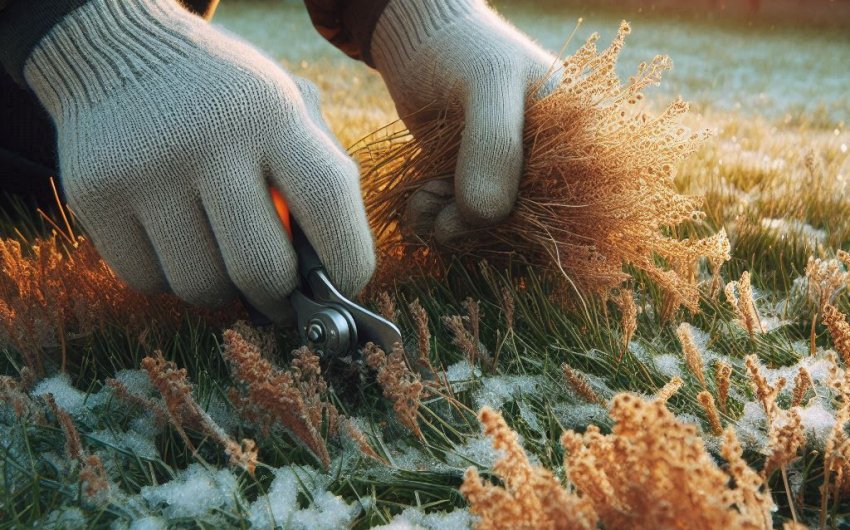
As winter loosens its grip, many gardeners look forward to the vibrant growth of spring. However, this anticipation often comes with the unwelcome sight of resilient winter weeds that have silently taken root in the colder months. Learning how to remove winter weeds and prepare your lawn for spring is a crucial step in ensuring a healthy, lush turf throughout the warmer seasons. A proactive approach now can save you significant time and effort battling pervasive weeds later in the year.
What Are Winter Weeds and Why Are They a Problem?
Before you can effectively remove them, it's important to know who you're dealing with. Winter weeds are generally cool-season annuals or perennials that thrive in colder temperatures when your desirable turfgrass is dormant or growing slowly.
Understanding Winter Weeds
- Cool-Season Weeds: These weeds germinate in late summer or early fall, grow throughout the cool autumn and winter months, and then produce seeds and die back as temperatures rise in late spring or early summer.
- Opportunistic: They take advantage of thin spots in your lawn, compacted soil, or areas where turfgrass is dormant, seizing the opportunity to fill the void.
- Prolific Seeders: Many winter weeds produce an incredible number of seeds, ensuring a fresh crop for the following cool season if not controlled.
Common Winter Weeds in Lawns
| Weed Name | Identification | Growth Habit | Problem |
|---|---|---|---|
| Henbit | Square stems, purplish-pink flowers in whorls, hairy, rounded leaves. | Annual | Sprawling, can form dense mats, rapid seed production |
| Chickweed | Small, delicate leaves (often heart-shaped), tiny white flowers, sprawling. | Annual/Perennial | Fast-spreading, low-growing, suffocates grass. |
| Annual Bluegrass | Light green, fine-textured grass, boat-shaped leaf tips, prolific seed heads. | Annual | Unsightly color, dies in summer leaving bare spots. |
| Common Violets | Heart-shaped, glossy leaves, purple/white flowers, deeply rooted. | Perennial | Very persistent, spreads by seeds and rhizomes. |
| Clover | Three-lobed leaves (sometimes four!), white or pinkish flowers. | Perennial | Spreads aggressively, can smother desirable grass. |
| Dandelion | Deeply lobed leaves in a rosette, bright yellow flowers, fluffy seed heads. | Perennial | Deep taproot, prolific seeds. |
| Wild Garlic/Onion | Thin, hollow (garlic) or flat (onion) leaves, distinct pungent smell. | Perennial (Bulbs) | Hard to kill, spreads by underground bulbs. |
Why Removing Them Now is Crucial
- Prevent Seeding: The primary reason is to remove them before they can produce and scatter thousands of new seeds. Many winter weeds will go to seed in early to mid-spring.
- Reduce Competition: They compete with your desirable turfgrass for water and nutrients as your lawn awakens from dormancy.
- Improve Aesthetics: A lawn free of winter weeds looks much cleaner and healthier going into the active growing season.
- Easier Control: They are often easier to remove manually or chemically in late winter/early spring before they become too established or too large.
How to Manually Remove Winter Weeds?
For smaller infestations, a hands-on approach is often the most effective and chemical-free way to remove winter weeds.
Hand-Pulling
- Best for: Isolated weeds, smaller areas, young weeds.
- Technique:
- Moist Soil: Work when the soil is moist (after rain or watering). This makes it much easier to pull weeds, especially those with taproots, and ensures you get the entire root system.
- Gloves: Always wear Gardening Gloves to protect your hands from thorns, irritants, and dirt.
- Get the Root: Crucially, ensure you remove the entire root system for perennial weeds (dandelion, clover, wild violet). For annuals like henbit or chickweed, getting the crown (where stems meet roots) is often enough.
- Dispose Properly: Do not leave pulled weeds on the lawn, especially if they have started to set seed. Bag them or compost them in a hot compost pile that can kill seeds.
- Pros: Chemical-free, immediate satisfaction, precise removal without harming desirable grass.
- Cons: Time-consuming for large areas, back-breaking work.
Using Weeding Tools
- Dandelion Weeder: A Dandelion Weeder Tool or a weeding fork can help leverage deep taproots out of the soil.
- Hoe: For larger areas of annual weeds in garden beds (not typically for lawns), a hoe can quickly slice through weeds at the soil line.
How to Chemically Treat Winter Weeds?
For widespread winter weed infestations, chemical control using herbicides is often necessary. Timing and product selection are critical.
Choosing the Right Herbicide
- Selective Broadleaf Herbicides: These are designed to kill broadleaf weeds without harming your turfgrass. Look for products containing a combination of active ingredients like 2,4-D, MCPP (Mecoprop), and Dicamba.
- Specific for Grassy Weeds (like Annual Bluegrass): For annual bluegrass, a different approach is often needed. Pre-emergent herbicides (applied in fall) are best, but for existing plants, you might need a specialized product like Tenacity (mesotrione) or a selective post-emergent specifically targeting grassy weeds safe for your turf.
- Wild Onion/Garlic: These are particularly tough. Look for specific products containing active ingredients like Metsulfuron-methyl or Fluroxypyr, and always use a Non-Ionic Surfactant to help the herbicide penetrate their waxy leaves.
- Turfgrass Compatibility: ALWAYS read the product label to ensure the herbicide is safe for your specific type of desirable turfgrass (e.g., Bermuda, Fescue, Zoysia). The wrong product can severely damage or kill your lawn.
Application Tips
- Timing: Apply herbicides in late winter or early spring (February-March in many regions) when winter weeds are actively growing but before spring temperatures get too hot (generally below 85°F or 29°C) and before they go to seed. Warm, calm days are best.
- No Mowing: Do not mow your lawn for 2-3 days before and after herbicide application. This allows sufficient leaf surface for absorption and gives the chemical time to work.
- Moisture: Apply to moist soil if possible, but dry foliage (no dew or rain) is best for absorption.
- Application Method:
- Spot Treatment: For isolated weeds, use a Handheld Garden Sprayer for targeted application.
- Broad Application: For widespread infestations, use a Hose-End Sprayer or Backpack Sprayer for even coverage.
- Follow Label Directions: Strictly adhere to the product label's instructions for mixing ratios, application rates, and safety precautions. Wear appropriate Safety Gloves and eye protection.
- Multiple Applications: Some stubborn perennial weeds may require repeat applications for complete control.
How to Prepare Your Lawn for Spring Growth?
Once you've tackled the winter weeds, it's time to transition your focus to nurturing your desirable turfgrass for robust spring growth.
1. Rake and Clear Debris
- Remove Winter Debris: Rake up any fallen leaves, twigs, and other debris that accumulated over winter. This prevents smothering new grass growth and removes potential hiding spots for pests and diseases.
- Break Up Matted Grass: Lightly rake matted or flattened areas to help the grass stand upright and improve air circulation.
2. Aerate (If Needed)
- Relieve Compaction: If your soil is compacted (common in clay soils or high-traffic areas), late winter/early spring (when temperatures are moderate and the grass is starting to grow) is a good time to core aerate. This creates small holes in the soil, improving air, water, and nutrient penetration.
- Benefits: Reduces standing water, promotes deeper root growth, and helps nutrients reach the roots.
- Tool: Rent a Core Aerator Machine or hire a professional.
3. Dethatch (If Thatch Layer is Too Thick)
- Check Thatch: Thatch is a layer of organic matter (dead grass, stems) that accumulates between the soil surface and green blades. A layer thicker than 0.5 inches (1.2 cm) can prevent water and nutrients from reaching the roots and harbor pests/diseases.
- Timing: Best done when your grass is actively growing and can recover quickly (early spring for warm-season grasses, late spring for cool-season grasses, after the threat of frost).
- Tool: Use a Lawn Dethatcher Tool or power rake.
4. Fertilize Appropriately
- Soil Test: If you haven't recently, perform a Lawn Soil Test Kit to determine your soil's specific nutrient needs and pH.
- Timing:
- Cool-Season Grasses (Fescue, Bluegrass, Ryegrass): First fertilization in early spring (March-April) as grass begins to green up. A slow-release nitrogen fertilizer is ideal.
- Warm-Season Grasses (Bermuda, Zoysia, St. Augustine): Wait until late spring or early summer when soil temperatures are consistently warm and the grass is actively growing. Fertilizing too early can stress the grass.
- Type: Use a high-quality Spring Lawn Fertilizer that matches your turf needs.
5. Overseed (If Needed)
- Fill Bare/Thin Spots: Spring is a good time to overseed warm-season grasses or fill in small bare spots in cool-season lawns, though fall is generally preferred for cool-season grass establishment.
- Timing: Overseed after aeration and dethatching.
- Seed Selection: Choose high-quality grass seed appropriate for your climate and sun conditions. Use a Lawn Seed Spreader for even coverage.
- Post-Seeding Care: Keep newly seeded areas consistently moist until germination. Avoid applying herbicides to new seed.
6. Adjust Mowing Height
- First Spring Cut: As your lawn begins to grow, make your first spring mow at a slightly lower height than your usual. This removes old, dormant blades and stimulates new growth.
- Gradually Raise: Then, raise your mower deck to the optimal height for your grass type for subsequent mows. Mowing high promotes deeper roots and a more resilient lawn. Always use a Sharp Mower Blade.
By diligently working to remove winter weeds and prepare your lawn for spring, you're laying the groundwork for a robust, healthy, and beautiful lawn that will be the envy of the neighborhood throughout the growing season.