
How to Repair Lawns with Erosion from Sloping Landscapes?
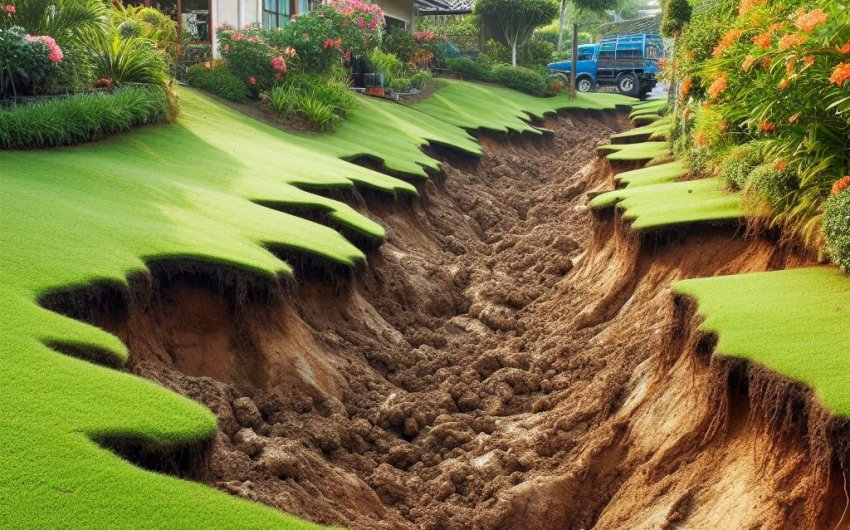
A beautiful, lush lawn can be the pride of any homeowner, but sloping landscapes present a unique and frustrating challenge: erosion. When rainwater cascades down a slope, it can wash away precious topsoil, nutrients, and even grass seeds, leaving behind unsightly bare patches, ruts, and an unhealthy turf. Learning how to repair lawns with erosion from sloping landscapes isn't just about aesthetics; it's about protecting your property, promoting healthy growth, and preventing further damage. This comprehensive guide will walk you through the steps to stabilize your sloped lawn and restore its verdant beauty.
What Causes Lawn Erosion on Slopes?
Lawn erosion on sloping landscapes is primarily driven by the force of moving water. Several factors can exacerbate this issue.
- Runoff Velocity: The steeper the slope, the faster water flows, and the greater its ability to pick up and carry away soil particles.
- Lack of Vegetation: Bare soil or thin, unhealthy turf provides no resistance to flowing water, making it highly susceptible to erosion. Grass roots are crucial for holding soil in place.
- Soil Compaction: Compacted soil has poor infiltration rates, meaning water runs off rather than soaking in. This increases runoff volume and velocity.
- Heavy Rainfall: Intense, prolonged rain events can overwhelm the soil's absorption capacity, leading to significant surface runoff and erosion.
- Improper Drainage: If water from impervious surfaces (driveways, roofs) is directed onto a slope without proper channeling, it can worsen erosion.
- Inappropriate Grass Type: Some grass types are better suited for slopes than others due to their root systems or growth habits.
- Poor Mowing Practices: Mowing too short can weaken the grass and leave the soil more exposed.
Understanding these underlying causes is the first step in formulating an effective plan for how to repair lawns with erosion from sloping landscapes.
How Do I Prepare an Eroded Slope for Repair?
Before you can successfully repair your lawn, proper preparation of the eroded slope is essential. This ensures that new grass has the best chance to establish and thrive.
1. Assess the Damage
- Identify Problem Areas: Walk your slope and identify where erosion is most severe. Are there ruts, gullies, or just general thinning of the grass?
- Source of Water: Try to determine where the runoff water is coming from (e.g., roof downspouts, neighboring properties, a compacted area above the slope). Addressing the source is key to long-term prevention.
- Slope Severity: Estimate the steepness of the slope. Very steep slopes might require more aggressive solutions than just regrading and reseeding.
2. Clear Debris
- Remove Loose Material: Rake away any loose rocks, sticks, dead grass, or other debris that could impede new growth or exacerbate erosion.
- Weed Removal: Remove any weeds by hand, especially aggressive ones, as they will compete with your new grass.
3. Repair Ruts and Gullies
- Fill with Topsoil: For shallow ruts, simply fill them with a good quality topsoil or a mix of topsoil and compost.
- Compact Gently: Lightly tamp down the filled areas to prevent future settling, but don't over-compact, as this will hinder drainage.
- Terracing (for deeper ruts/steeper slopes): For deep gullies or very steep slopes, consider creating small, shallow terraces across the slope using logs, stones, or landscape timbers. This slows water flow and holds soil in place. This might be a more involved project, sometimes requiring professional help.
4. Amend the Soil
- Improve Drainage and Structure: Sloping areas often suffer from compacted soil. Once the bare areas are prepared, break up the compacted surface. You can use a hard rake, a broadfork, or even a specialized tool to loosen the top few inches of soil.
- Incorporate Organic Matter: Mix in a few inches of high-quality compost into the loosened soil. Compost improves soil structure, enhances drainage and water retention, and provides essential nutrients for new grass growth.
- Test Soil pH (Optional but Recommended): Use a soil pH test kit to ensure the pH is suitable for your chosen grass type (typically between 6.0 and 7.0 for most turfgrasses). Amend with lime if too acidic, or sulfur if too alkaline, following test recommendations.
What Are the Best Grasses for Sloping Lawns?
Choosing the right type of grass is fundamental to how to repair lawns with erosion from sloping landscapes. Some grass species are naturally better suited for slopes due to their strong root systems and growth habits.
Warm-Season Grasses (for warmer climates)
- Bermudagrass:
- Pros: Extremely drought-tolerant and heat-tolerant. Spreads aggressively via rhizomes and stolons, forming a dense, durable turf that's excellent for erosion control. Recovers quickly from damage.
- Cons: Goes dormant (turns brown) in winter. Requires full sun and frequent mowing.
- Zoysiagrass:
- Pros: Very dense, durable turf with an extensive root system, excellent for erosion. Drought-tolerant once established.
- Cons: Slow to establish. Also goes dormant in winter.
- St. Augustinegrass:
- Pros: Spreads by thick stolons, forming a dense mat that resists erosion. Tolerates some shade.
- Cons: Not very cold-hardy. Susceptible to chinch bugs.
- Bahiagrass:
- Pros: Deep, extensive root system. Very drought-tolerant. Good for sandy soils and low-maintenance areas.
- Cons: Coarser texture than other turfgrasses.
Cool-Season Grasses (for cooler climates)
- Tall Fescue:
- Pros: Deep, strong root system provides excellent erosion control and drought tolerance. Tolerates some shade. More tolerant of traffic than other cool-season grasses.
- Cons: Can be clump-forming; newer varieties are better spreading.
- Fine Fescues (Creeping Red Fescue, Chewings Fescue):
- Pros: Tolerates shade and low fertility. Creeping varieties form a dense sod, good for erosion. Requires less mowing.
- Cons: Not as traffic tolerant as tall fescue or Kentucky bluegrass.
- Kentucky Bluegrass:
- Pros: Spreads aggressively by rhizomes, forming a very dense, self-repairing sod that's excellent for erosion.
- Cons: Requires more water and fertilizer than fescues. Does not tolerate shade well.
Tip: For best results, consider a turfgrass blend that combines the strengths of different grass types suitable for your climate. For example, a blend of Kentucky bluegrass (for density) and tall fescue (for deep roots and drought tolerance) can work well in cool-season zones.
What Methods are Best for Seeding and Protecting New Grass on a Slope?
Getting grass seeds to germinate and establish on a slope without washing away is a primary challenge when learning how to repair lawns with erosion from sloping landscapes. Special techniques are required.
1. Choose the Right Time
- Fall for Cool-Season Grasses: Early fall (late August to mid-October, depending on region) is ideal. Soil is still warm, encouraging germination, but air temperatures are cooler, reducing stress.
- Late Spring/Early Summer for Warm-Season Grasses: Once soil temperatures consistently reach 65-70°F (18-21°C) and the risk of frost is gone.
2. Seeding Techniques
- Hydroseeding (Professional): For very large or steep slopes, hydroseeding is highly effective. A slurry of seed, mulch, fertilizer, and water is sprayed onto the slope, creating excellent contact and adhesion.
- Hand Spreading and Raking: For smaller areas, broadcast your chosen grass seed evenly over the prepared soil. Lightly rake the seed into the top 1/4 inch of soil.
- Seed Mixers/Spreaders: For larger DIY areas, a handheld broadcast spreader can help with even distribution.
3. Critical Protection Strategies
- Erosion Control Blankets/Mats: This is often the most effective DIY method for establishing grass on slopes. These biodegradable blankets (made from straw, coir, or wood fiber) hold seeds and soil in place, prevent runoff, and retain moisture.
- Lay Down Blanket: Roll the blanket down the slope, ensuring good contact with the soil. Overlap edges slightly.
- Secure with Staples: Use biodegradable landscape staples to firmly secure the blanket to the soil. Space staples every 1-2 feet.
- Water Through: Water thoroughly after installation; water will penetrate the blanket.
- Straw Mulch (Light Layer): If not using an erosion blanket, apply a very thin layer of straw (not hay, which contains weed seeds) over the seeded area. This provides light coverage to prevent seed washout and retain moisture. You should still be able to see about 50% of the soil through the straw.
- Watering New Seed:
- Frequent, Light Watering: New grass seed requires consistent moisture. Water lightly but frequently (2-3 times a day) to keep the top inch of soil moist until germination.
- Reduce Frequency Gradually: Once seeds sprout, gradually reduce watering frequency but increase duration to encourage deeper root growth.
- Avoid Washout: Use a gentle sprinkler setting to avoid washing away seeds. An oscillating sprinkler can work well.
What Landscaping Techniques Can Help Prevent Future Erosion?
Repairing an eroded lawn is one thing, but preventing future erosion from sloping landscapes is paramount for long-term success. Integrating specific landscaping techniques can significantly stabilize your slope.
1. Diversion Techniques
- French Drains: Install a French drain across the top of the slope or along key pathways to intercept and divert excessive runoff water away from the sloped lawn. This involves a trench filled with gravel and a perforated pipe.
- Catch Basins and Piping: If water is channeling from a specific point (e.g., a downspout), install a catch basin to collect the water and pipe it safely away to a storm drain or a less erosive area.
- Rain Gardens: Create a depressed garden bed at the bottom of the slope to capture and absorb runoff water, allowing it to slowly infiltrate the soil rather than pooling or causing erosion elsewhere.
2. Terracing and Retaining Walls
- Terracing: For steeper slopes, constructing level terraces with retaining walls (made from stone, timber, concrete blocks, or gabion baskets) creates flat, plantable areas. This drastically slows down water flow and prevents erosion on the individual tiers.
- Retaining Walls: A well-built retaining wall at the bottom or strategically along the slope can physically hold back soil and prevent downward movement. This is a more substantial construction project, often requiring professional help.
3. Plantings for Stabilization (Beyond Turfgrass)
While turfgrass is good, combining it with other plants significantly enhances erosion control.
- Groundcovers: Plant dense, spreading groundcovers on difficult-to-mow or highly erosive sections of the slope. Their extensive root systems form a protective mat.
- Examples: Creeping Juniper, Vinca minor (Periwinkle), Ivy (use carefully as it can be invasive), Sedum varieties, Phlox subulata (Creeping Phlox).
- Shrubs and Perennials: Strategically plant shrubs and perennials with strong, fibrous root systems along the slope. Their roots bind the soil, and their foliage provides cover, slowing down rainfall impact.
- Examples: Dwarf Dogwood, Sumac, Wintercreeper Euonymus, Daylilies, ornamental grasses like Fountain Grass or Little Bluestem.
- Deep-Rooted Trees: For very large slopes, planting deep-rooted trees can stabilize deeper soil layers over time. Ensure they are placed where their roots won't interfere with foundations or utilities.
4. Improve Soil Health
- Regular Topdressing: Annually topdress your lawn with a thin layer of compost (1/4 to 1/2 inch). This continuously improves soil structure, organic matter content, and drainage, making the soil more resistant to erosion.
- Aeration: Regular core aeration, especially for compacted lawns, improves water infiltration, reducing runoff.
- Avoid Compaction: Minimize foot traffic or heavy equipment use on slopes, especially when the soil is wet.
What is the Ongoing Maintenance for an Eroding Slope?
Once your lawn has been repaired, ongoing maintenance is vital for how to repair lawns with erosion from sloping landscapes effectively and ensure it stays healthy and resilient.
1. Smart Mowing Practices
- Mow High: Always set your mower to the highest recommended height for your grass type (usually 2.5-3 inches or more). Taller grass shades the soil, retains moisture, and promotes deeper, stronger root growth, which is critical for erosion control.
- Mow Across the Slope (If Safe): If your mower is safe to operate across the slope, mowing perpendicular to the fall line can create small "ridges" that further slow down water flow. Use extreme caution on steep slopes. For very steep slopes, a string trimmer might be a safer option.
- Leave Clippings: Leave grass clippings on the lawn. They return nutrients to the soil and act as a natural mulch, protecting the soil surface.
2. Strategic Fertilization
- Soil Test First: Always perform a soil test to understand your lawn's specific nutrient needs. Over-fertilizing, especially with nitrogen, can lead to excessive top growth and weaker roots.
- Balanced Nutrients: Use a balanced fertilizer that promotes root development.
- Timing: Fertilize during your grass type's active growing season, avoiding applications just before heavy rain or during dormancy.
3. Integrated Pest and Disease Management
- Healthy Turf is Resistant: A healthy, vigorous lawn is more resilient to pests and diseases.
- Monitor Regularly: Inspect your lawn for any signs of pest infestations or disease outbreaks. Address issues promptly to prevent weakening of the turf.
4. Repair Small Issues Promptly
- Catch Early: If you notice new small ruts or bare spots forming, address them immediately. Don't let them grow into larger erosion problems.
- Patching: Rake the area, add a little fresh topsoil and compost, reseed, and cover with straw or an erosion control patch. Water consistently until established.
By understanding the root causes of erosion and diligently applying these repair and prevention strategies, you can transform your challenging sloping landscape into a resilient, healthy, and beautiful lawn, effectively learning how to repair lawns with erosion from sloping landscapes for the long term.