
Tips for Preventing Lawn Damage from Extreme Temperature Fluctuations
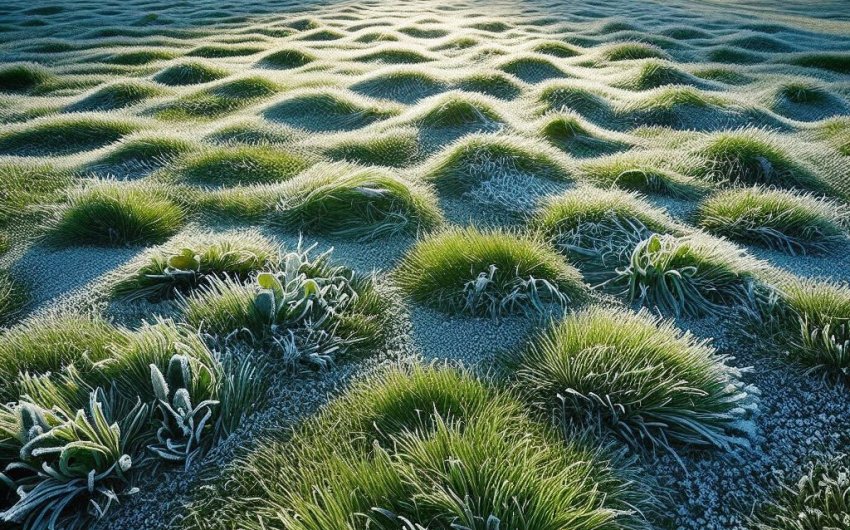
Modern weather patterns often present homeowners with a challenging scenario: sudden, dramatic shifts in temperature that can severely stress and damage lawns. From unexpected late-season freezes to early heatwaves, these extreme temperature fluctuations can leave your green turf looking brown, patchy, or even dead. Fortunately, by implementing proactive care strategies and adjusting your routine, you can significantly reduce the risk of lawn damage from extreme temperature fluctuations, helping your grass weather the unpredictable and stay vibrant year-round.
Why Are Extreme Temperature Fluctuations Harmful to Lawns?
Lawns, like all living organisms, thrive within a relatively stable range of environmental conditions. Extreme temperature fluctuations force grass plants into a state of constant stress, disrupting their normal physiological processes and making them highly vulnerable to various forms of damage. Understanding the specific ways these rapid changes impact your turf is the first step in protecting it.
What Happens to Grass During Rapid Temperature Swings?
When temperatures swing wildly—for instance, a warm spell followed by a sudden deep freeze, or a cold snap abruptly turning into a heatwave—grass plants struggle to adapt.
- Physiological Confusion: Grass has evolved to respond to seasonal cues (gradual changes in temperature and day length). Rapid shifts disrupt these natural processes, causing confusion for the plant's internal systems.
- Warm-Up: A sudden warm spell in winter can cause dormant grass to "wake up" prematurely, drawing water and nutrients.
- Sudden Freeze: If that warm spell is followed by a sharp freeze, the re-activated grass is unprepared for the cold. Cell membranes, which are more rigid in cold-adapted dormant grass, become brittle and rupture when water inside them freezes quickly. This causes immediate tissue death.
- Dehydration and Desiccation: Even without freezing, rapid temperature swings can lead to moisture stress.
- Winter Desiccation: Warm, windy winter days with no snow cover can dry out grass blades, causing winter desiccation or "winter burn," especially if the ground is frozen and roots can't absorb water.
- Summer Stress: A sudden jump to high temperatures can cause grass to rapidly lose moisture through transpiration, leading to quick dehydration and browning if watering isn't adjusted.
- Nutrient Imbalance: Root systems are less efficient at absorbing nutrients in fluctuating or extreme soil temperatures. This can lead to temporary nutrient deficiencies, further weakening the grass.
- Increased Susceptibility to Pests and Diseases: Stressed grass is like a weakened immune system. When the plant is struggling to adapt to temperature swings, it becomes highly vulnerable to opportunistic lawn diseases (like snow mold after a thaw-freeze cycle) and insect infestations.
What Specific Types of Lawn Damage Occur from Temperature Extremes?
Lawn damage from extreme temperature fluctuations can manifest in several ways, each with distinct symptoms.
- Winter Kill/Crown Freeze:
- Cause: Most commonly seen in cool-season grasses during mild winter spells followed by sudden, severe cold. Dormant grass begins to de-harden, losing its cold tolerance, then freezes rapidly.
- Symptoms: Large, irregular brown or dead patches that only become apparent in spring when the surrounding grass greens up.
- Winter Desiccation/Winter Burn:
- Cause: Occurs when grass blades lose moisture faster than roots can absorb it, typically on warm, sunny, windy winter days with frozen soil.
- Symptoms: Brown, crispy grass blades, often more pronounced on elevated areas or south-facing slopes. The crowns of the grass may still be alive, allowing for spring recovery.
- Heaving:
- Cause: Repeated freeze-thaw cycles. Water in the soil expands as it freezes, pushing the soil and grass crowns upwards. When it thaws, the soil settles back down, but the grass crowns may remain exposed, leading to root damage and desiccation.
- Symptoms: Grass patches lifted out of the soil, exposing roots. Often visible in areas with poor drainage or clay soil.
- Fungal Diseases (e.g., Snow Mold, Brown Patch):
- Cause: Thaw-freeze cycles with persistent moisture create ideal conditions for fungal growth. Snow mold can develop under lingering snow cover after a brief thaw. Brown Patch can flare up if cool nights suddenly give way to very hot, humid days.
- Symptoms: Circular patches of matted, discolored grass, often with visible fungal growth.
- Drought Stress/Heat Stress:
- Cause: A sudden rise in temperature without adequate irrigation, or prolonged periods of heat.
- Symptoms: Grass turns dull bluish-green, then wilts, curls, and eventually browns. It may go dormant to conserve energy.
- Weakened Root Systems: Over time, constant stress from temperature swings can lead to shallow, weak root systems, making the lawn less resilient to any future adverse conditions.
Understanding these impacts highlights the importance of proactive measures to protect your lawn from the unpredictable nature of extreme temperature fluctuations.
What Proactive Steps Can I Take to Prepare My Lawn?
The best defense against lawn damage from extreme temperature fluctuations is a strong offense. Implementing proactive care strategies throughout the year, especially in the fall, can significantly enhance your lawn's resilience and ability to withstand sudden weather shifts.
How Does Proper Fall Fertilization Help?
Fall fertilization is arguably the single most important proactive step to prepare your lawn for winter and minimize lawn damage from extreme temperature fluctuations.
- Nutrient Storage: In the fall, cool-season grasses (and to a lesser extent, warm-season grasses preparing for dormancy) focus energy on root development and storing carbohydrates. A fall fertilizer provides the nutrients needed for this crucial storage.
- Winter Hardiness: Proper fall feeding builds strong, healthy root systems that are more resilient to freezing temperatures and subsequent thawing. It helps the grass "harden off" for winter.
- Spring Green-Up: Stored nutrients from fall fertilization provide a strong energy reserve for a quicker, more vigorous green-up in spring, making the lawn less susceptible to late-season freezes.
- Fertilizer Type: Use a "winterizer" fertilizer, which typically has a higher potassium (K) content. Potassium enhances cold hardiness and disease resistance. Nitrogen (N) is also important for root growth, but avoid excessive amounts that would promote too much top growth too late in the season. A good winterizer lawn fertilizer will have the right balance.
- Timing: For cool-season grasses, apply late fall, after top growth has slowed but before the ground freezes solid. For warm-season grasses, a late summer/early fall feeding might be appropriate, but avoid fertilizing too late in fall as they prepare for dormancy.
How Does Strategic Mowing Prepare My Lawn?
Adjusting your mowing practices in the fall is critical for winter preparedness and to prevent lawn damage from extreme temperature fluctuations.
- Gradual Lowering in Fall: For cool-season grasses, gradually lower your mowing height over a few mowings in the fall.
- Why: A shorter final cut (around 2-2.5 inches or 5-6 cm) for winter helps prevent snow mold by reducing the amount of blade material to mat down under snow. It also allows sunlight to penetrate to the crown, which can help with winter diseases.
- How: Reduce the height by about 0.5 inch (1.25 cm) with each mow over 2-3 mowings.
- Avoid Scalping: Even with a shorter final cut, never scalp the lawn.
- Last Mow Before Winter: Mow the lawn one final time before persistent freezing temperatures or heavy snowfall arrive.
- Raise Mower in Spring: In early spring, gradually raise your mowing height to the recommended 2.5-3.5 inches (6-9 cm) as the grass starts actively growing. This promotes deeper roots for the upcoming summer heat.
What Role Does Proper Watering Play in Resilience?
While often associated with heat, strategic watering also plays a role in preparing your lawn for temperature extremes, especially freezes.
- Deep Watering Before a Freeze (if dry): If you're expecting a hard freeze and the soil is dry, water your lawn deeply a day or two beforehand.
- Why: Moist soil retains heat better than dry soil. A well-hydrated lawn is also less prone to desiccation damage. The moisture in the soil can act as an insulator, slightly moderating soil temperature around the grass crowns.
- Avoid Wetness on Blades: Ensure the grass blades themselves have time to dry before temperatures drop below freezing to prevent ice formation on the blades, which can damage them.
- Avoid Overwatering: Too much water, especially in compacted soil, can lead to ice lenses forming in the soil, contributing to heaving. Ensure good drainage.
How Does Aeration and Dethatching Help?
Aeration and dethatching improve overall turf health, making it more resilient to stress from temperature fluctuations.
- Aeration: (Best done in fall for cool-season, late spring/early summer for warm-season grasses).
- Benefits: Relieves soil compaction, allowing water, air, and nutrients to penetrate deeper. This fosters a robust, deep root system that can better withstand both freezing and heat stress. A core aerator is most effective.
- Dethatching: (Best done in fall for cool-season, late spring/early summer for warm-season grasses).
- Benefits: Removes excessive thatch (a layer of dead organic matter). A thick thatch layer can trap moisture, promote disease, and prevent nutrients from reaching the soil, weakening the grass. Reducing it allows for better air circulation and nutrient delivery, increasing resilience. A dethatching rake works for small areas.
By consistently applying these proactive measures, you're building a stronger, more resilient lawn capable of withstanding the challenges posed by extreme temperature fluctuations.
How Do I Protect My Lawn During and After a Temperature Fluctuation?
Even with the best preventative care, sometimes extreme temperature fluctuations hit suddenly. Knowing how to react during and immediately after these events can significantly limit lawn damage and aid in recovery.
What Immediate Actions Should I Take During a Cold Snap?
If a sudden cold snap or unexpected hard freeze is forecasted, especially after a mild period, immediate actions can help protect your lawn.
- Deep Watering (if soil is dry and not yet frozen): If the ground is dry, water your lawn deeply a day or two before the freeze is expected.
- Why: Moist soil retains heat better than dry soil. The thermal mass of water in the soil acts as a buffer, moderating soil temperatures around the grass crowns.
- Caution: Ensure the watering is done early enough in the day for the grass blades to dry before freezing temperatures arrive. Do not water if the ground is already frozen.
- Avoid Foot Traffic: Minimize walking or driving on the lawn when temperatures are at or below freezing, especially if there's frost or ice.
- Why: Frozen grass blades are brittle. Walking on them can break the cell walls, causing damage that will appear as brown footprints in the spring.
How Do I Respond to Sudden Heatwaves?
When temperatures abruptly spike to extreme highs, particularly after a cooler period, your lawn needs specific attention to avoid heat stress and browning.
- Increase Watering Frequency and/or Duration:
- Adapt: Your regular watering schedule might not be enough. Monitor your lawn closely for signs of wilting (bluish-green color, folded blades, visible footprints).
- Water Deeply: Continue to water deeply to encourage deep roots, but you might need to increase the frequency to 3-4 times a week, or lengthen individual watering sessions.
- Timing: Always water in the early morning to reduce evaporation and allow blades to dry before night.
- Raise Mowing Height: If you haven't already, raise your mower to the highest recommended setting for your grass type (e.g., 3-4 inches or 7.5-10 cm for cool-season grasses).
- Why: Taller grass blades provide more shade to the soil, keeping it cooler and reducing moisture evaporation. They also allow for more extensive root systems.
- Consider Temporary Dormancy: If water restrictions are in place or a heatwave is prolonged, allowing your cool-season lawn to go dormant (turn brown) is a survival mechanism. It will typically green up when cooler, wetter conditions return. Do not try to force it to stay green during severe drought/heat if it's struggling; this will deplete its energy reserves and potentially kill it.
What About Dealing with Freeze-Thaw Cycles (Heaving)?
Freeze-thaw cycles are particularly damaging due to soil heaving.
- Tamp Down Heaved Areas: If you notice patches of grass lifted out of the soil (heaving), gently walk over them or lightly press them down with the back of a rake or a roller.
- Why: This pushes the grass crowns back into contact with the soil, preventing root desiccation and re-establishing crucial soil-to-root contact.
- Timing: Do this early in the spring, as soon as the ground thaws but before active growth begins.
How Do I Manage Post-Stress Recovery and Damage?
After a period of extreme temperature fluctuations, your lawn will need support to recover from any damage.
- Assess Damage in Spring: Wait until spring to fully assess the extent of winter damage. Dead patches will remain brown while dormant grass greens up.
- Repair Bare Spots: For dead patches, you'll need to reseed or patch with sod.
- Preparation: Rake out dead grass and debris, loosen the soil, and ensure good seed-to-soil contact.
- Timing: Early spring or fall are best for seeding.
- Watering: Keep newly seeded areas consistently moist until established. A patch and repair lawn seed can simplify this.
- Light Spring Fertilization (Optional): For cool-season grasses, a light, balanced spring feeding can help recovery, but prioritize fall fertilization. For warm-season grasses, resume regular spring/summer feeding once actively growing.
- Monitor for Disease: Stressed lawns are vulnerable. Keep an eye out for signs of fungal diseases (e.g., snow mold, red thread, brown patch) and address them promptly with cultural controls first.
- Limit Traffic: Minimize foot traffic on a recovering lawn to allow it to fully recuperate.
By knowing how to respond effectively during and after periods of extreme temperature fluctuations, you can significantly reduce the severity of lawn damage and help your turf bounce back to a healthy, green state.