
Preventing Soil Erosion on Sloped Lawns
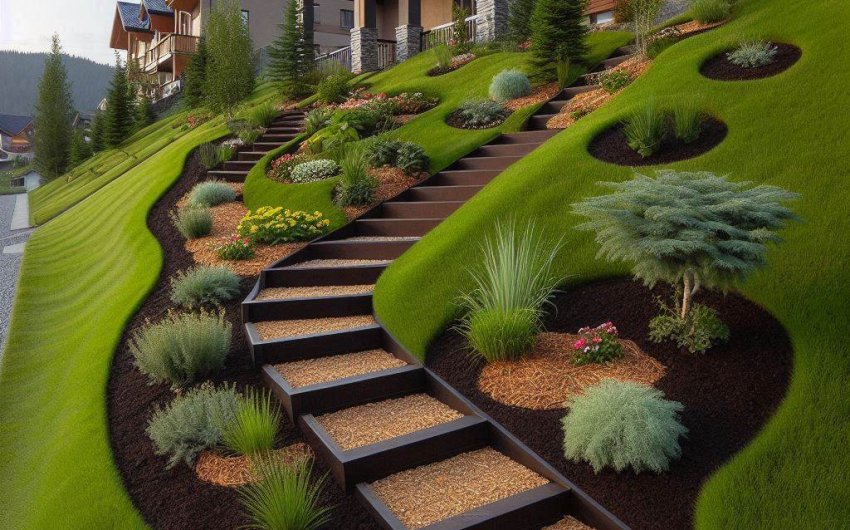
Soil erosion is a common issue on sloped lawns. When it rains, water flows down the slope, taking soil, nutrients, and grass with it. This can create unsightly patches, weaken plants, and eventually lead to bare spots. Preventing erosion on a sloped lawn requires a mix of ground cover plants, soil-friendly landscaping, and proper water management. Here are effective techniques to keep soil in place and create a lush, green lawn on your slope.
Why Soil Erosion Happens on Sloped Lawns
Soil erosion is the process where topsoil is worn away due to wind, rain, or runoff. When a lawn is sloped, gravity pulls water downhill, speeding up erosion. Without stabilization measures, soil moves down the slope, leading to uneven ground and weakened root systems.
Factors that Increase Soil Erosion
- Heavy Rainfall: High volumes of rain accelerate soil movement down slopes.
- Poor Vegetation Cover: Bare areas are more vulnerable to erosion as there’s no root structure to hold the soil in place.
- Steep Slopes: The steeper the slope, the faster water flows, making it harder to keep soil in place.
- Compacted Soil: Compacted soil doesn’t absorb water well, leading to increased runoff.
Understanding these factors can help you choose the best strategies to prevent soil erosion.
1. Plant Ground Cover for Stabilization
Ground cover plants are one of the best solutions for soil erosion on slopes. These low-growing plants spread across the soil, creating a network of roots that stabilize the ground.
- Good Ground Covers: Creeping thyme, sedum, and ivy work well on slopes.
- Benefits: Ground covers reduce erosion by holding soil and slowing water flow.
A ground cover seed mix is an excellent choice for filling bare spots quickly and creating a dense, erosion-resistant layer.
2. Use Mulch to Retain Soil
Mulching helps protect the soil by absorbing the impact of rain and keeping the surface cool and moist. Mulch also reduces water runoff, making it a helpful addition for erosion control.
- Types of Mulch: Wood chips, straw, and pine needles are great options for slopes.
- Application Tips: Spread a 2-3 inch layer of mulch over the soil surface, particularly in bare or eroded areas.
Using bark mulch can protect soil and reduce erosion on your slope.
3. Build Terraces to Control Runoff
For steeper slopes, terracing is a structural solution that divides the slope into a series of flat sections. This prevents water from rushing straight downhill and allows it to soak into each level.
- Materials for Terracing: Use materials like stone, wood, or concrete to build terraces.
- Benefits: Terraces slow down water flow and make the slope easier to plant and maintain.
Installing landscape timbers can help you create sturdy terraces that prevent soil erosion effectively.
4. Create Swales for Better Water Management
Swales are shallow, grassy ditches that direct water away from erosion-prone areas and allow it to soak slowly into the ground. These are especially useful at the top or middle of a slope.
- Where to Place Swales: Install swales along the contour of the slope to catch and redirect water.
- Planting Tip: Line swales with grass or ground cover to prevent them from eroding.
Using a garden spade can help you dig swales easily and shape them for effective water control.
5. Install Erosion Control Blankets
Erosion control blankets are made of biodegradable materials that hold the soil while vegetation takes root. They’re especially helpful for newly planted areas on steep slopes.
- How to Use: Lay the blanket over the slope and secure it with stakes.
- Benefits: These blankets provide a temporary solution that prevents erosion until plants are established.
A biodegradable erosion control blanket can give your slope the stability it needs during the planting phase.
6. Add Retaining Walls for Support
Retaining walls are built to hold back soil and provide a strong barrier against erosion. They’re an effective, long-term solution, especially for high or steep slopes.
- Materials: Use stone, brick, or treated wood to construct retaining walls.
- Wall Height: Small walls work well on gentle slopes, while taller walls are needed for steeper areas.
A set of stone wall blocks can create a durable retaining wall that keeps soil in place on sloped lawns.
7. Plant Deep-Rooted Grasses
Grass with deep roots holds the soil more effectively than shallow-rooted varieties. Deep-rooted grass types stabilize the slope and reduce soil erosion by creating a dense root network.
- Good Choices: Ryegrass and fescue are popular choices for slopes.
- Seeding Tips: Use a seed spreader for even distribution, ensuring grass fills every inch of the slope.
Using a grass seed mix designed for erosion control will help your lawn grow strong and prevent soil movement.
8. Use Straw Wattles to Direct Water Flow
Straw wattles are long tubes filled with straw or other organic materials that slow down water flow, making them ideal for sloped lawns. Placed horizontally across the slope, they help capture sediment and prevent erosion.
- How to Install: Place wattles along the slope, securing them with stakes.
- Benefits: Straw wattles break up water flow, reducing the amount of soil that washes away.
A straw wattle is a useful erosion control tool that’s easy to install and move as needed.
9. Fertilize to Encourage Strong Root Systems
Healthy grass and plants with strong roots are less likely to suffer from erosion. Fertilizing your slope regularly ensures that plants have the nutrients they need to grow deep roots that hold soil in place.
- Type of Fertilizer: Choose an organic, slow-release fertilizer to support continuous growth.
- Application Timing: Apply fertilizer in early spring and late fall for best results.
Using a natural lawn fertilizer will strengthen roots and promote erosion resistance on sloped lawns.
10. Add a Layer of Gravel for Drainage
Gravel can help improve drainage on your slope, keeping water from pooling and preventing erosion. Gravel absorbs the initial impact of rainfall, preventing soil displacement.
- Where to Apply Gravel: Use gravel in areas that receive heavy runoff or at the base of the slope.
- Size Matters: Larger gravel pieces are better for controlling erosion, as they stay in place.
A bag of decorative gravel can be both functional and attractive, improving drainage while protecting your lawn from erosion.
11. Plant Shrubs and Small Trees for Stability
Shrubs and small trees can provide long-lasting stability on sloped areas. Their strong roots grow deep and wide, helping to hold the soil and reduce erosion.
- Good Shrub Choices: Juniper, elderberry, and sumac are excellent options for slopes.
- Placement: Space shrubs evenly across the slope to create a balanced appearance and prevent soil from moving.
Planting drought-tolerant shrubs ensures they’ll thrive on your slope without needing constant watering.
12. Use Perennial Flowers for Added Color and Stability
Adding perennials to your slope not only reduces erosion but also brings color and visual appeal. Perennials come back every year, establishing a strong root system that holds soil in place.
- Best Perennials for Slopes: Daylilies, yarrow, and black-eyed Susan are hardy choices.
- Planting Tips: Cluster perennials in groups for better soil coverage and erosion control.
Consider using a perennial flower mix that’s tailored for erosion control and slope planting.
13. Install a Drip Irrigation System
Drip irrigation provides water directly to the roots, minimizing runoff that can lead to erosion. This system is ideal for slopes, as it reduces water waste and prevents soil from becoming overly saturated.
- System Components: Use emitters, tubing, and a water timer to set up your system.
- Watering Benefits: Drip irrigation keeps the soil moist without creating excess runoff.
Using a drip irrigation kit can help you provide controlled watering that reduces erosion on slopes.
14. Add a Border of Rocks at the Bottom of the Slope
Placing a rock border at the base of your slope can act as a buffer for water runoff, trapping sediment and keeping soil in place. Rocks are a natural, effective way to reduce erosion.
- Rock Size: Use larger rocks, as they are less likely to shift with heavy rain.
- Arrangement Tips: Place rocks tightly together to create a solid barrier.
A set of landscape rocks at the bottom of your slope can add both function and beauty to your yard.
15. Use Coir Logs for Temporary Erosion Control
Coir logs are made of coconut fibers and act as temporary erosion control barriers on slopes. They biodegrade over time, making them environmentally friendly.
- How to Install: Position coir logs along the slope, especially in areas with high runoff.
- Benefits: Coir logs stabilize soil and give grass and plants time to grow.
Installing a coir erosion control log on your slope can help prevent soil loss while plants become established.
16. Regularly Inspect and Maintain Your Slope
Even with erosion control measures in place, regular inspection and maintenance are essential to catch any issues before they worsen. This helps ensure that soil remains stable and plants stay healthy.
- Check After Heavy Rain: Look for signs of erosion or pooling water after each storm.
- Reapply Mulch and Gravel: Refresh mulch, gravel, and other materials as needed to keep them effective.
Using a garden rake can help you quickly spread and reposition mulch, gravel, or other materials that may shift over time.
17. Use Wildflowers to Cover Bare Patches
Planting wildflowers on bare patches not only prevents erosion but also adds color and variety to your lawn. Wildflowers grow well on slopes and require minimal maintenance.
- Wildflower Mix: Choose a blend that is suited to your climate and soil type.
- Planting Season: Early spring or fall is ideal for planting wildflowers on slopes.
Using a wildflower seed mix can help fill in bare areas and stabilize soil with minimal effort.
18. Avoid Heavy Foot Traffic on Slopes
Excessive foot traffic compacts soil and increases erosion, especially on slopes. If you frequently walk on sloped areas, consider adding stepping stones or pathways to minimize damage.
- Path Placement: Direct foot traffic along designated paths to protect the rest of the slope.
- Material Choice: Use stone, gravel, or pavers for a stable, erosion-resistant surface.
A set of garden stepping stones can reduce soil compaction and preserve the integrity of your sloped lawn.
19. Encourage Earthworms and Beneficial Soil Organisms
Earthworms and other beneficial soil organisms improve soil structure by breaking down organic matter and creating air pockets, which help reduce runoff. Healthy soil is less prone to erosion.
- How to Encourage Earthworms: Avoid pesticides, and add compost to the soil regularly.
- Soil Benefits: Earthworms improve drainage and create healthier soil that holds together better.
Adding earthworm castings can enrich your soil and encourage natural erosion control on your slope.