
The Complete Guide to Controlling Crabgrass in Lawns
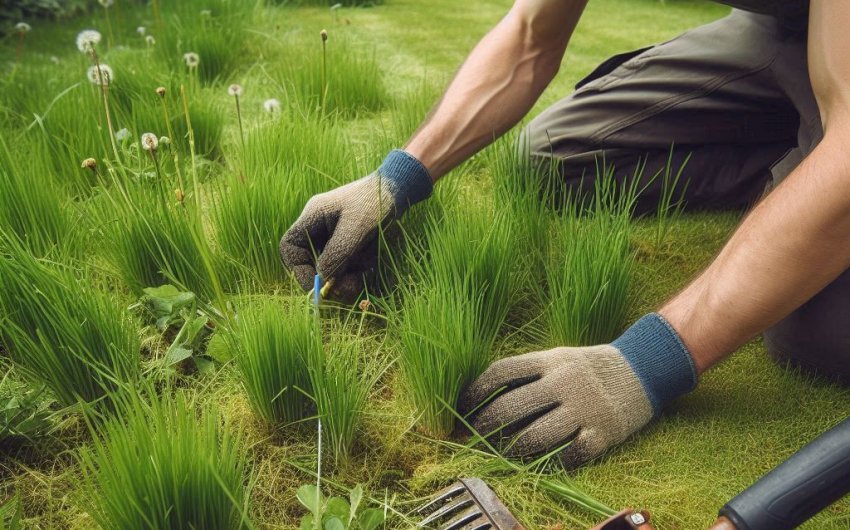
Crabgrass is a common lawn weed that can quickly take over if left unchecked. Its wide, sprawling blades spread across the ground, crowding out desirable grass types and creating an uneven, patchy appearance. Fortunately, with the right approach, you can control crabgrass and keep your lawn healthy and lush. In this guide, we’ll explore practical strategies for identifying, preventing, and removing crabgrass effectively.
What is Crabgrass?
Crabgrass, scientifically known as Digitaria, is an annual weed that thrives in warm weather. It germinates in late spring and quickly spreads, especially in areas with poor lawn health. Unlike most grasses, crabgrass is coarse, low-growing, and spreads out from a central root, making it easy to identify. Understanding the lifecycle of crabgrass can help you control it at every stage.
Why Crabgrass Thrives in Lawns
- Warm Temperatures: Crabgrass grows rapidly in warm, sunny conditions.
- Thin Lawn Coverage: Bare spots or weak areas provide room for crabgrass to take root.
- Poor Soil Health: Compacted, low-fertility soil gives crabgrass an advantage over lawn grass.
- Incorrect Mowing Height: Cutting grass too short weakens it, allowing crabgrass to invade.
Identifying Crabgrass in Your Lawn
Identifying crabgrass early on is crucial for effective control. Crabgrass has distinctive features that set it apart from other grass types.
- Broad, Flat Blades: Crabgrass blades are wider than those of most turfgrass and have a rough texture.
- Spreading Growth Pattern: Crabgrass forms low-lying, spreading mats with a central root.
- Seed Heads: As it matures, crabgrass develops finger-like seed heads that contribute to its rapid spread.
If you spot these characteristics in your lawn, you’re likely dealing with crabgrass. Identifying it early gives you a chance to address the problem before it spreads.
1. Mow at the Right Height
Mowing your lawn at the correct height can prevent crabgrass from taking hold. Taller grass shades the soil, making it harder for crabgrass seeds to germinate.
- Ideal Height: Keep grass around 2.5 to 3 inches, depending on the grass type.
- Avoid Scalping: Cutting too low weakens your grass and exposes soil, inviting crabgrass to spread.
Using a lawn mower with height adjustment allows you to maintain the ideal mowing height for strong, crabgrass-resistant turf.
2. Aerate Your Lawn for Healthy Soil
Compacted soil limits grass growth and encourages weeds like crabgrass. Aerating breaks up compacted soil, allowing air, water, and nutrients to reach grass roots more effectively.
- Best Time to Aerate: Early spring or fall, when grass is actively growing.
- Aeration Tips: Use a core aerator to remove small plugs of soil, creating space for grass roots.
A lawn aerator tool can help relieve compaction and improve grass health, reducing the likelihood of crabgrass infestation.
3. Water Deeply but Infrequently
Crabgrass thrives in shallow, frequently watered lawns. Deep, infrequent watering encourages deeper root growth in grass, making it more resilient to drought and weed invasion.
- Watering Frequency: Water your lawn deeply once or twice a week.
- Timing: Water early in the morning to reduce evaporation and let grass dry out during the day.
Using a sprinkler timer can help you establish a consistent watering schedule that supports healthy grass and discourages crabgrass.
4. Apply a Pre-Emergent Herbicide
Pre-emergent herbicides work by preventing crabgrass seeds from germinating. Applying a pre-emergent in early spring can stop crabgrass before it starts.
- When to Apply: Apply pre-emergent herbicides when soil temperatures reach 55°F.
- Application Tips: Follow the instructions carefully to ensure even coverage across your lawn.
A pre-emergent herbicide can provide an effective barrier against crabgrass germination, giving your lawn a strong start in spring.
5. Use a Post-Emergent Herbicide for Established Crabgrass
For crabgrass that has already sprouted, post-emergent herbicides are necessary. These herbicides kill existing crabgrass without harming your turfgrass.
- Target Timing: Use post-emergent herbicides in late spring or early summer when crabgrass is young.
- Spot Treatment: Focus on affected areas to prevent harm to healthy grass.
A post-emergent herbicide targets mature crabgrass, helping you clear out existing patches without damaging the lawn.
6. Reseed Bare Spots to Prevent Crabgrass
Crabgrass often invades bare or thin areas in the lawn. Reseeding these spots gives your lawn a chance to grow thicker and crowd out weeds.
- Best Time to Reseed: Early fall or spring are ideal for overseeding.
- Grass Type: Choose a grass seed that matches your existing lawn for even coverage.
Using a grass seed spreader makes it easy to distribute seed evenly, helping your lawn fill in bare areas and reduce weed invasion.
7. Fertilize for Strong Grass Growth
A well-fed lawn is better equipped to resist crabgrass. Applying the right fertilizer gives grass the nutrients it needs to grow dense and strong.
- Choose a Balanced Fertilizer: Look for an organic, slow-release fertilizer to support steady growth.
- Application Timing: Fertilize in early spring and fall for optimal results.
A natural lawn fertilizer can promote healthy grass growth without overstimulating crabgrass, creating a lawn that’s more resilient to weeds.
8. Maintain a Consistent Lawn Care Routine
Consistency in lawn care makes a big difference in preventing crabgrass. Regular maintenance keeps grass healthy and less susceptible to weed invasion.
- Mowing Frequency: Mow once a week during the growing season, adjusting height as needed.
- Watering and Fertilizing: Stick to a schedule to keep grass well-nourished and hydrated.
Using a lawn care kit can simplify your routine, ensuring your lawn has everything it needs to thrive and resist crabgrass.
9. Hand-Pull Crabgrass Before It Spreads
For small infestations, hand-pulling crabgrass is effective and minimizes the need for herbicides. Make sure to pull up the entire plant, including the root.
- Best Time to Pull: Pull crabgrass early in the morning when the soil is moist.
- Preventative Tip: Remove crabgrass before it goes to seed to stop future spread.
Using a weed removal tool makes it easier to extract crabgrass roots without disturbing the surrounding grass.
10. Apply Mulch in Garden Beds
Crabgrass can spread into garden beds if left unchecked. Applying mulch creates a barrier that discourages crabgrass growth and improves moisture retention.
- Type of Mulch: Use wood chips or shredded bark for best results.
- Application Depth: Spread mulch 2-3 inches deep to suppress crabgrass effectively.
Using bark mulch helps control weeds in garden areas and prevents crabgrass from spreading.
11. Use Corn Gluten Meal as a Natural Pre-Emergent
Corn gluten meal is a natural product that acts as a pre-emergent herbicide, preventing crabgrass seeds from sprouting. It’s an eco-friendly option for organic lawn care enthusiasts.
- When to Apply: Apply in early spring when soil temperatures reach 55°F.
- Application Rate: Follow package instructions for proper coverage.
A corn gluten meal pre-emergent can be a safe, natural alternative to traditional herbicides, helping keep your lawn weed-free.
12. Encourage Thick Grass with Regular Overseeding
Thick grass is the best defense against crabgrass. Overseeding your lawn ensures a dense cover that prevents weeds from taking over.
- Timing: Overseed in early fall or spring to fill in any thin spots.
- Seed Choice: Select grass varieties that are well-suited to your climate.
Using a seed spreader makes it easy to apply grass seed evenly, helping you grow a fuller, healthier lawn.
13. Trim Edges to Prevent Crabgrass Spread
Crabgrass often creeps in from lawn edges, especially near driveways and sidewalks. Trimming edges helps reduce the spread of crabgrass and keeps your lawn neat.
- How to Trim: Use an edger to maintain clean lines along hard surfaces.
- Frequency: Trim edges every two weeks during peak growing season.
A lawn edger helps you maintain a clear boundary between your lawn and hardscape, reducing the chances of crabgrass spreading.
14. Maintain Soil pH for Optimal Grass Growth
Crabgrass prefers acidic or poorly balanced soil. Testing and adjusting soil pH ensures your grass has the best conditions for growth.
- Ideal pH Range: Most grasses prefer a pH of 6.0 to 7.0.
- Adjusting Soil pH: Use lime to raise pH and sulfur to lower it as needed.
A soil pH test kit can help you monitor soil acidity and make adjustments for a crabgrass-resistant lawn.
15. Control Crabgrass in Shady Areas
Shady areas can be prone to crabgrass if not properly managed. Adding shade-tolerant ground cover or shade-friendly grass types can help prevent crabgrass in these spots.
- Ground Cover Choices: Use shade-loving plants like creeping thyme or clover.
- Benefits: Shade-tolerant plants thrive where traditional grass struggles, reducing bare spots that attract crabgrass.
Using a shade-friendly ground cover can create a dense layer of protection in shady areas.
16. Apply Organic Weed Killer for Eco-Friendly Control
For those who prefer chemical-free methods, organic weed killers offer a safe alternative for crabgrass control. These products use natural ingredients that are safe for pets and the environment.
- Ingredients: Look for vinegar, citric acid, or essential oils in organic formulas.
- Spot Treatment: Apply directly to crabgrass for best results.
An organic weed killer helps you manage crabgrass without synthetic chemicals, keeping your lawn safe and healthy.
17. Set Up a Regular Lawn Inspection Routine
Monitoring your lawn regularly can help you catch crabgrass early and treat it before it spreads. Inspect your lawn at least once a week during the growing season.
- What to Look For: Check for new patches of crabgrass, bare spots, and soil compaction.
- Prompt Action: Remove or treat crabgrass as soon as you notice it to prevent further spread.
Using a garden magnifying glass can help you spot crabgrass early, ensuring timely control measures.
18. Create a Crabgrass-Free Buffer Zone
Creating a buffer zone around the edges of your lawn can help reduce crabgrass invasion from adjacent areas like sidewalks or driveways. Fill these zones with mulch, gravel, or other non-lawn materials.
- Benefits: A buffer zone keeps crabgrass seeds from reaching your lawn.
- Materials: Use bark, gravel, or decorative stones for a practical and attractive solution.
Using decorative gravel for your buffer zone adds both function and curb appeal to your lawn’s borders.
19. Clean Lawn Equipment to Prevent Seed Spread
Crabgrass seeds can stick to lawn equipment and spread to different areas of your yard. Cleaning equipment after each use can reduce this risk.
- Tools to Clean: Clean lawn mowers, trimmers, and other tools that come into contact with grass.
- Cleaning Tips: Wipe down equipment and remove any plant debris after use.
A garden cleaning brush can make it easy to remove crabgrass seeds and prevent unwanted spread in your yard.