
How to Fix and Prevent Brown Patch in Your Lawn?
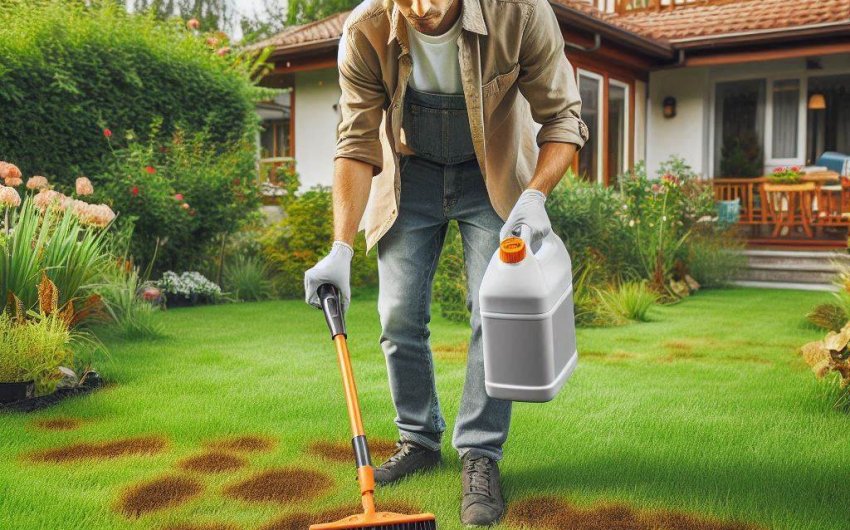
Brown patch is a common lawn disease that shows up as unsightly brown, dead areas on what was once lush, green grass. Caused by a fungus called Rhizoctonia solani, brown patch spreads quickly under certain conditions, particularly during hot, humid weather. Left untreated, it can damage large areas of your lawn, making it appear thin and patchy. Fortunately, with a few proactive steps and regular care, you can prevent brown patch from becoming a recurring issue. Here’s how to fix brown patch and keep your lawn healthy.
What Causes Brown Patch?
Brown patch thrives in warm, humid weather, especially when nighttime temperatures stay above 65°F. The fungus loves moisture, and high humidity or overwatering can create an ideal environment for it to grow. Over-fertilizing your lawn or cutting the grass too short can also contribute to brown patch by weakening the grass and making it more vulnerable to disease.
Conditions that Encourage Brown Patch
- High Humidity: Excess moisture encourages fungal growth.
- Warm Temperatures: The fungus thrives in temperatures above 65°F, especially in the 70°F-90°F range.
- Overwatering: Wet soil and grass provide the perfect breeding ground for fungus.
- Nitrogen-Rich Fertilizer: Excessive nitrogen weakens grass, making it susceptible to disease.
- Mowing Too Short: Scalped grass has a harder time fending off diseases.
By understanding these factors, you can take steps to prevent brown patch from developing in the first place.
Identifying Brown Patch in Your Lawn
Early detection of brown patch can help you prevent it from spreading. Here are some signs to look out for:
- Circular Brown Spots: Brown patch typically appears as circular areas of dead, brown grass. These patches can range in size, from a few inches to several feet in diameter.
- Dark Rings: In some cases, you might see a darker “smoke ring” around the patch, indicating active fungal growth.
- Irregular Shapes: The patches may form irregular shapes, especially if they merge with nearby patches.
- Thin or Weak Grass: Affected grass may appear thin, weak, and easy to pull out.
Once you spot these symptoms, it’s time to take action to treat and control brown patch.
1. Mow at the Right Height
Mowing your lawn correctly can help prevent and manage brown patch. Keeping the grass slightly taller allows it to develop deeper roots, which can improve its resilience to disease.
- Mowing Height: Keep grass at around 3-4 inches, depending on the grass type.
- Avoid Scalping: Scalped grass is stressed and more prone to brown patch, so avoid cutting more than one-third of the blade length at a time.
A lawn mower with adjustable height can help you maintain the right cutting height, promoting healthier grass that resists disease.
2. Water Early in the Morning
Watering plays a major role in controlling brown patch. Watering early allows grass blades to dry quickly, reducing the humidity that fungi thrive in.
- Best Time to Water: Water your lawn between 5 a.m. and 9 a.m.
- Frequency: Water deeply but infrequently, allowing the soil to dry slightly between watering sessions.
A sprinkler timer can help you automate early morning watering, ensuring your lawn gets the moisture it needs without creating excess humidity.
3. Reduce Fertilizer Use
Too much nitrogen can promote quick, lush growth that’s susceptible to disease. Reducing or adjusting your fertilizing schedule can make a difference in preventing brown patch.
- Type of Fertilizer: Use a balanced, slow-release fertilizer to avoid excess nitrogen.
- Application Timing: Fertilize in spring and fall, when grass is growing actively, but avoid midsummer applications when temperatures are high.
A slow-release lawn fertilizer provides nutrients without encouraging weak, overgrown grass that’s prone to fungus.
4. Aerate the Lawn for Better Airflow
Aerating your lawn improves soil structure, allowing for better water drainage and air circulation. This reduces the moist conditions that encourage fungal growth.
- When to Aerate: Aerate in spring or fall when the grass is actively growing.
- How to Aerate: Use a core aerator to create small holes throughout the lawn, which helps reduce compaction.
Using a lawn aerator will help relieve compaction, allowing roots to access oxygen and preventing moisture buildup.
5. Apply Fungicides if Needed
For severe brown patch outbreaks, fungicides can be effective. Choose a fungicide specifically labeled for brown patch and apply it according to the manufacturer’s instructions.
- Application Timing: Apply fungicide early in the season at the first signs of brown patch.
- Reapply as Needed: Follow up with additional applications based on product recommendations and current lawn conditions.
A lawn fungicide designed for brown patch control can help you stop the disease before it spreads across your lawn.
6. Use Compost for Soil Health
Healthy soil is less prone to fungal infections. Adding compost improves soil structure, enhances nutrient levels, and supports beneficial microbes that fight against fungal spores.
- How to Apply: Spread a thin layer of compost over the lawn in early spring and fall.
- Benefits: Compost adds organic matter that helps the soil retain moisture while promoting drainage.
Applying organic compost can strengthen your lawn, making it less susceptible to diseases like brown patch.
7. Keep Grass Blades Dry
Keeping grass dry between watering sessions reduces the humidity that brown patch fungi thrive in. Focus on reducing moisture on the grass blades whenever possible.
- Avoid Evening Watering: Watering in the evening keeps grass damp overnight, encouraging fungal growth.
- Control Humidity: Prune back shrubs or trees around your lawn to increase sunlight and airflow.
Using a pruning shear to trim overgrown plants can allow more sunlight to reach your grass, drying it out and discouraging fungus.
8. Improve Soil Drainage
Poor drainage can lead to waterlogged soil, making it easier for brown patch to develop. Improving drainage keeps your lawn drier and healthier.
- How to Improve Drainage: Add organic matter like compost or sand to improve water absorption.
- Check for Puddles: Watch for standing water after rainfall; these areas may need aeration or soil adjustment.
Adding a layer of sand or organic matter can improve soil drainage, preventing waterlogged conditions that lead to brown patch.
9. Seed with Disease-Resistant Grass Varieties
Certain grass types are more resistant to brown patch than others. Choosing disease-resistant grass varieties for your lawn can reduce the chances of fungal infections.
- Best Choices: Ryegrass, fescue, and Kentucky bluegrass are known for better disease resistance.
- Seeding Tips: Overseed your lawn in early fall to establish a thicker, healthier lawn.
A disease-resistant grass seed mix will help prevent brown patch from taking over your lawn by creating a strong, dense turf.
10. Rake and Remove Dead Grass
Dead grass and clippings can harbor fungal spores. Raking and removing debris after mowing or aerating helps reduce the spread of brown patch.
- When to Rake: Regularly rake in the fall to remove leaves and dead grass.
- Avoid Overcrowding: Remove thick layers of clippings to keep airflow consistent.
Using a leaf rake can help you quickly remove dead grass and clippings, reducing fungal spores and improving air circulation.
11. Avoid High-Nitrogen Fertilizers
Too much nitrogen encourages rapid, weak growth that’s more susceptible to brown patch. Avoid fertilizers that are too rich in nitrogen, especially in the heat of summer.
- Balanced Fertilizers: Look for products with an even balance of nitrogen, phosphorus, and potassium.
- Fertilizing Frequency: Use a balanced fertilizer once or twice a year, ideally in spring and fall.
Using a balanced lawn fertilizer will provide essential nutrients without overloading the grass, keeping it strong and disease-resistant.
12. Overseed Thin Areas
Bare or thin areas in your lawn are more susceptible to brown patch and other fungal diseases. Overseeding strengthens these weak spots and fills them in, making it harder for fungi to spread.
- Best Time to Overseed: Late summer or early fall, when temperatures are moderate.
- Grass Selection: Choose disease-resistant varieties to promote a strong, healthy lawn.
Using a grass seed spreader helps ensure even coverage, filling in thin areas with fresh, resilient grass.
13. Rotate Fungicides to Avoid Resistance
If you’re using chemical fungicides to control brown patch, rotating different types can prevent the fungus from building resistance.
- Rotate Regularly: Switch between fungicides with different active ingredients.
- Application Guidelines: Follow all product instructions to avoid over-application.
A fungicide rotation schedule can help you manage and organize treatments, ensuring the effectiveness of each application.
14. Test Your Soil pH
Soil pH affects nutrient availability and grass health. Most grasses prefer a pH between 6.0 and 7.0. Testing and adjusting the pH of your lawn soil can improve grass strength, making it more resistant to brown patch.
- How to Test: Use a soil test kit to check the pH of your lawn.
- Adjusting pH: Add lime to raise pH or sulfur to lower it as needed.
Using a soil pH test kit will help you monitor and maintain the ideal conditions for a healthy, brown-patch-resistant lawn.
15. Apply Topdressing to Improve Soil Structure
Topdressing your lawn with a mix of soil and compost improves soil health, making it easier for grass to access nutrients. Healthier soil reduces the likelihood of fungal diseases.
- Best Time to Topdress: Apply topdressing in early spring or fall.
- Materials to Use: Mix compost with soil for a nutrient-rich topdressing.
A lawn topdressing spreader allows for an even layer of topdressing across your lawn, helping it thrive and resist diseases like brown patch.
16. Manage Lawn Traffic to Reduce Stress
High foot traffic compacts soil and stresses grass, making it more susceptible to brown patch. Managing traffic areas in your lawn helps reduce the chance of disease.
- Pathways: Create pathways with stones or mulch in high-traffic areas.
- Designated Play Areas: Set up designated play zones to keep the rest of the lawn healthy.
Using garden stepping stones helps direct traffic away from sensitive areas, protecting grass from compaction and disease.
17. Avoid Watering in Late Afternoon
Watering in the late afternoon keeps grass wet overnight, creating ideal conditions for brown patch fungi. Water early in the morning to reduce evening moisture levels.
- Timing: Water your lawn early in the day for optimal absorption and drying.
- Frequency: Water deeply but sparingly to keep grass healthy without creating excess moisture.
A sprinkler timer can automate your watering schedule, ensuring moisture is controlled and your lawn stays healthy.
18. Prune Trees and Shrubs for More Sunlight
Shaded areas are more likely to stay damp, promoting brown patch growth. Pruning trees and shrubs around your lawn improves sunlight exposure and helps the grass dry out.
- Pruning Frequency: Trim back overhanging branches as needed to maintain sunlight exposure.
- Improving Airflow: Create enough space between plants to promote airflow across the lawn.
Using a reliable pair of pruning shears helps you keep plants in check, enhancing sunlight and reducing fungal risk.
19. Apply Organic Fungicides for a Chemical-Free Approach
Organic fungicides made from natural ingredients can help manage brown patch without synthetic chemicals. Look for products with neem oil or baking soda, which are safe for the environment.
- Application: Spray on affected areas, following the manufacturer’s instructions.
- Repeat as Needed: Reapply organic fungicides every few weeks to keep brown patch under control.
A natural lawn fungicide provides eco-friendly protection against brown patch, making it suitable for chemical-sensitive environments.