
Best Companion Plants for Cucumbers in Your Garden
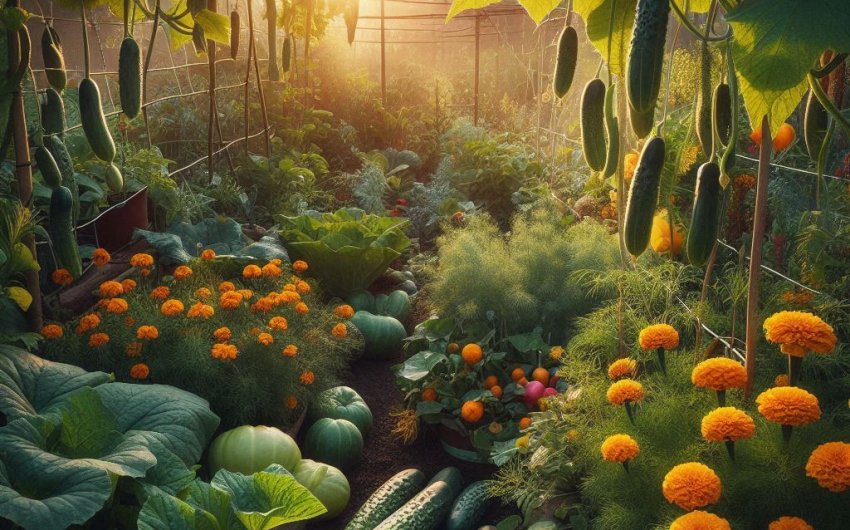
The best companion plants for cucumbers in your garden are those that deter pests, attract beneficial insects, improve soil health, or provide beneficial shade or support. Strategically pairing cucumbers with certain plants can enhance their growth, health, and yield naturally.
What is Companion Planting and Why is it Good for Cucumbers?
Companion planting is an age-old gardening technique that involves placing different plants in close proximity to each other to create a mutually beneficial relationship. It leverages the natural interactions between plants to improve overall garden health and productivity, reducing the need for chemical interventions.
Principles of Companion Planting
Companion planting works on several key principles:
- Pest Deterrence: Some plants release compounds that repel common pests, while others act as "trap crops," drawing pests away from more valuable plants.
- Attracting Beneficial Insects: Certain flowering plants provide nectar and pollen for beneficial insects (like ladybugs, lacewings, and parasitic wasps) that prey on garden pests.
- Improving Soil Health: Legumes, for example, fix nitrogen in the soil, enriching it for nitrogen-hungry plants. Others may help break up compacted soil.
- Shade and Support: Taller plants can provide natural shade for sensitive crops or act as living trellises for vining plants.
- Weed Suppression: Densely planted companions can outcompete weeds for light, water, and nutrients.
- Flavor Enhancement: While less scientifically proven, some gardeners believe certain plant pairings can enhance the flavor of neighboring crops.
Why is Companion Planting Good for Cucumbers?
Cucumbers are popular garden vegetables, but they can be susceptible to various pests and diseases. They are also vigorous vining plants that benefit from support and consistent growing conditions. Companion planting can address these specific needs:
- Pest Protection: Cucumbers are often targeted by pests like cucumber beetles, squash bugs, and aphids. Companion plants can help deter these unwanted visitors.
- Pollination Boost: Cucumbers rely on insect pollination for fruit set. Attracting beneficial pollinators can lead to a more abundant harvest.
- Improved Growth: Some companions can provide essential nutrients or create a more favorable microclimate.
- Disease Prevention: Certain plants can improve air circulation or reduce conditions that favor fungal diseases.
- Natural Support: Taller, sturdy plants can act as living trellises for vining cucumber plants, especially when vertical gardening is preferred.
By strategically choosing companion plants for your cucumbers, you create a healthier, more balanced ecosystem in your garden, promoting stronger cucumber plants and a better yield.
What are the Best Companion Plants to Deter Cucumber Pests?
One of the most valuable benefits of companion planting is natural pest control. Several plants can actively repel or confuse pests that target cucumbers, helping to keep your plants healthier without chemicals.
Plants That Repel Cucumber Beetles
Cucumber beetles are a significant pest for cucumbers, causing damage to leaves, stems, and fruits, and can also transmit bacterial wilt.
- Radishes: Some gardeners believe that radishes planted around cucumbers can deter cucumber beetles, perhaps by confusing them with a different scent or by being an alternative (less preferred) food source.
- Nasturtiums: While nasturtiums can sometimes act as a trap crop (drawing aphids), their strong scent is also thought to deter cucumber beetles and other squash pests. They are also edible and add color to the garden. Nasturtium Seed Mix
- Tansy: Aromatic tansy is often cited as a repellent for cucumber beetles and squash bugs. However, tansy can be invasive, so plant it in a contained area or a pot if you're concerned about its spread.
- Catnip: The strong scent of catnip (Nepeta cataria) is known to deter a variety of pests, including flea beetles and potentially cucumber beetles. Plant it near your cucumbers.
- Rue: Another strong-smelling herb, rue, is thought to repel cucumber beetles and Japanese beetles. Be aware that rue can cause skin irritation in some people, so handle it with gloves.
Plants That Repel Squash Bugs and Vine Borers
While cucumber beetles are common, squash bugs and squash vine borers can also attack cucumbers (and other cucurbits).
- Nasturtiums: As mentioned above, their repellent qualities extend to squash bugs.
- Radishes: May also offer some deterrence against squash bugs.
- Marigolds (Tagetes spp.): Specifically French Marigolds (Tagetes patula), are well-known for releasing compounds from their roots that deter nematodes and are thought to repel a range of other insect pests, including squash bugs, from above ground.
- Borage: Some anecdotal evidence suggests borage can deter squash bugs, possibly due to its rough, hairy leaves.
- Mint (with caution): The strong scent of mint can deter many pests, including squash bugs. However, mint is extremely invasive, so it should always be planted in a container sunk into the ground or a dedicated pot near your cucumbers.
General Pest Repellents
- Strong-Smelling Herbs: Many aromatic herbs can confuse pests or make plants less appealing. Examples include oregano, dill, cilantro, and rosemary. While not specific to cucumber pests, they can contribute to overall pest deterrence.
- Onions and Garlic: Members of the onion family (alliums) are known to deter a wide range of pests due to their strong sulfurous compounds. Planting onions or garlic nearby can offer general protection.
Remember that companion planting is not a foolproof solution but rather a valuable part of an integrated pest management strategy. Combined with good garden hygiene and regular inspection, these companion plants can significantly reduce pest pressure on your cucumbers.
What Plants Attract Beneficial Insects for Cucumbers?
Attracting beneficial insects to your garden is a cornerstone of organic pest control and crucial for cucumbers, which rely on pollinators for fruit production. These insects serve as natural pest controllers and hardworking pollinators.
Plants That Attract Pollinators
Cucumbers produce male and female flowers, and successful fruit set depends on pollen being transferred from male to female flowers, typically by bees.
- Borage: This beautiful annual herb is a pollinator magnet, particularly for bees. Its blue, star-shaped flowers are highly attractive, ensuring excellent pollination for your cucumbers. Borage is also thought to improve the flavor and vigor of cucumbers.
- Sunflower: While tall, sunflowers attract a variety of pollinators, including bees, which will then likely visit your cucumber flowers. They can also offer a bit of shade in very hot climates.
- Marigolds (Tagetes spp.): Many varieties of marigolds attract various beneficial insects, including some smaller pollinators.
- Zinnia: Bright and colorful, zinnias are excellent for attracting butterflies and bees, contributing to overall garden biodiversity and pollination services.
- Cosmos: Their open, daisy-like flowers are easily accessible to a wide range of pollinators.
Plants That Attract Pest Predators
These plants provide nectar, pollen, and shelter for beneficial insects that prey on cucumber pests like aphids, spider mites, and cucumber beetle larvae.
- Dill: The flat, umbrella-like flower heads of dill are particularly attractive to parasitic wasps (which lay their eggs inside aphids and other soft-bodied pests), hoverflies (whose larvae eat aphids), and ladybugs.
- Cilantro: Similar to dill, cilantro when allowed to flower (bolt) produces small, white flowers that are highly attractive to tiny beneficial wasps and flies.
- Fennel: Another herb with umbrella-shaped flowers, fennel also draws in a variety of beneficial insects, including predatory wasps and hoverflies.
- Yarrow (Achillea millefolium): Its flat flower clusters provide landing pads and food for a wide array of beneficial insects.
- Sweet Alyssum (Lobularia maritima): This low-growing annual produces masses of tiny, fragrant flowers that attract small beneficial insects like hoverflies and parasitic wasps, providing ground cover and suppressing weeds.
- Queen Anne's Lace (Daucus carota): While wild Queen Anne's Lace can be invasive, its cultivated form or similar plants like Ammi majus are excellent at attracting beneficial insects due to their compound umbel flowers.
By incorporating a diverse array of these beneficial insect attractants around your cucumbers, you create a natural ecosystem that helps manage pests and ensures your cucumber flowers are well-pollinated, leading to a more abundant harvest.
What Plants Provide Beneficial Support or Shade for Cucumbers?
Cucumbers are vigorous vining plants that can quickly sprawl across the garden if not given support. Some companion plants can act as natural trellises, while others can provide welcome shade in hot climates.
Living Trellises for Cucumbers
Corn: The classic "Three Sisters" planting method (corn, beans, squash) relies on corn stalks as a natural trellis. For cucumbers, sturdy corn stalks can provide excellent vertical support. Plant corn a few weeks before cucumbers to ensure the corn is established and strong enough to support the climbing vines.
- Spacing: Plant corn in blocks for good pollination. Once the corn is about a foot tall, plant cucumbers at the base of the corn stalks.
- Benefits: Provides sturdy, natural support, maximizes vertical space.
- Considerations: Ensure the corn variety is tall and strong enough (e.g., field corn varieties, not dwarf sweet corn).
Sunflowers: Similar to corn, tall, sturdy sunflower varieties can also serve as a living trellis for cucumbers. Plant the sunflowers first to ensure they establish well and grow tall before the cucumbers begin to vine extensively.
- Benefits: Adds a beautiful aesthetic, attracts pollinators, provides support.
- Considerations: Ensure the sunflower variety is tall and has strong stems.
Plants That Provide Beneficial Shade
In very hot climates or during intense summer heat waves, a little afternoon shade can prevent cucumber leaves from scorching and keep the plants from getting overly stressed.
- Corn: In addition to acting as a trellis, tall corn stalks can provide some afternoon shade for cucumbers, particularly if planted on the west side of the cucumber row. This can be especially beneficial in regions with intense summer sun.
- Sunflowers: Similar to corn, tall sunflowers can strategically be placed to cast dappled shade over cucumbers during the hottest part of the day, protecting them from heat stress.
- Vining Beans: While less about shade and more about support, vining beans also need a trellis. Planting them near cucumbers allows them to share the same support structure, maximizing vertical space in a different way. Beans also fix nitrogen in the soil, benefiting the cucumbers.
When using living trellises, make sure the supporting plant is well-established and sturdy before the cucumber vines start to put significant weight on them. Gently guide the cucumber tendrils to wrap around the support as they grow.
What Plants Improve Soil Health for Cucumbers?
Healthy soil is the foundation of a productive garden, and some companion plants can actively contribute to improving the soil where your cucumbers are growing.
Nitrogen Fixers
Cucumbers are moderate to heavy feeders, requiring a good supply of nutrients, especially nitrogen, for vigorous leafy growth and fruit production.
- Legumes (Beans and Peas): Most notably, bush beans and pole beans are excellent companions for cucumbers. Legumes have a symbiotic relationship with nitrogen-fixing bacteria in their root nodules. These bacteria convert atmospheric nitrogen into a form usable by plants, enriching the soil.
- Benefits: Directly adds nitrogen to the soil, reducing the need for external nitrogen fertilizers for your cucumbers.
- Considerations: Ensure pole beans have their own support if growing next to trellised cucumbers to avoid entanglement.
- Bush Bean Seeds
- Clover (as a cover crop or living mulch): While not typically planted directly with cucumbers, a clover cover crop can be planted in the off-season or as a living mulch in pathways around cucumbers. When clover is tilled into the soil or its roots decompose, it releases fixed nitrogen.
Soil Structure Enhancers
Plants with different root systems can help improve soil structure, aeration, and water penetration.
- Borage: Beyond attracting pollinators, borage has a deep taproot that can help break up compacted soil and bring up nutrients from deeper soil layers, making them available to shallower-rooted cucumbers. When borage dies back, its decaying roots also add organic matter to the soil.
Adding Organic Matter
- Cover Crops (in Rotation): While not companions planted with cucumbers, preceding cucumbers with a cover crop (like clover, vetch, or even oats) that is then tilled into the soil will significantly increase organic matter content, improving overall soil health, water retention, and nutrient availability for your cucumber crop.
By planting these soil-improving companions, you create a more fertile and hospitable environment for your cucumbers, promoting stronger growth and potentially larger yields with less external input.
What Plants Should NOT Be Planted Near Cucumbers?
Just as some plants are beneficial companions, others can have a detrimental effect on cucumbers, hindering their growth, attracting pests, or competing for resources. Avoiding these "bad neighbors" is just as important as choosing good ones.
1. Aromatic Herbs (Some can stunt growth)
While many herbs are beneficial, some very strong-smelling herbs are believed to stunt the growth of cucumbers.
- Sage: Some gardeners report that sage can inhibit the growth of cucumbers. Its strong aroma might be too overwhelming or it might release compounds that are not conducive to cucumber growth.
- Mint (unless contained): While mint can deter some pests, its extremely aggressive, spreading root system will quickly outcompete cucumbers (and any other plant) for water and nutrients. If you want mint near your cucumbers, always plant it in a pot, ideally a sunken pot, to contain its roots.
2. Potatoes
- Competition: Potatoes are heavy feeders and can compete intensely with cucumbers for water and nutrients, especially if planted too close.
- Disease Transmission: Both potatoes and cucumbers can be susceptible to blight. Planting them together could increase the risk of disease spread if an outbreak occurs.
3. Strong-Growing Aromatic Flowers (Can be Overwhelming)
- Sunflowers (if too close): While tall sunflowers can act as a living trellis, if planted too densely or too close to bush varieties of cucumbers, their large leaves can cast too much shade, hindering the cucumber's access to the sun it needs. Ensure adequate spacing.
4. Other Cucurbits (with caution due to shared pests/diseases)
- Melons, Squash, Pumpkins: These plants are all members of the cucurbit family, just like cucumbers. While they can be planted in the same general area, be aware that they share many of the same pests (e.g., cucumber beetles, squash bugs, vine borers) and diseases (e.g., powdery mildew, bacterial wilt).
- Risk of Spread: If one cucurbit plant gets a pest or disease, it can easily spread to its close relatives.
- Recommendation: If planting them together, ensure good air circulation, monitor closely for problems, and consider resistant varieties. Spacing is crucial.
5. Overly Aggressive or Nutrient-Hogging Plants
- Avoid planting cucumbers near any plant that is known for being extremely vigorous and potentially overwhelming its neighbors, especially those with extensive root systems that would compete fiercely for resources.
By being mindful of these potentially problematic pairings, you can minimize negative interactions in your garden and give your cucumbers the best chance to thrive and produce a bountiful harvest. Experimentation and observation in your specific garden environment can also reveal unique interactions.