
Tips to Prevent Animals from Digging Up Bulbs
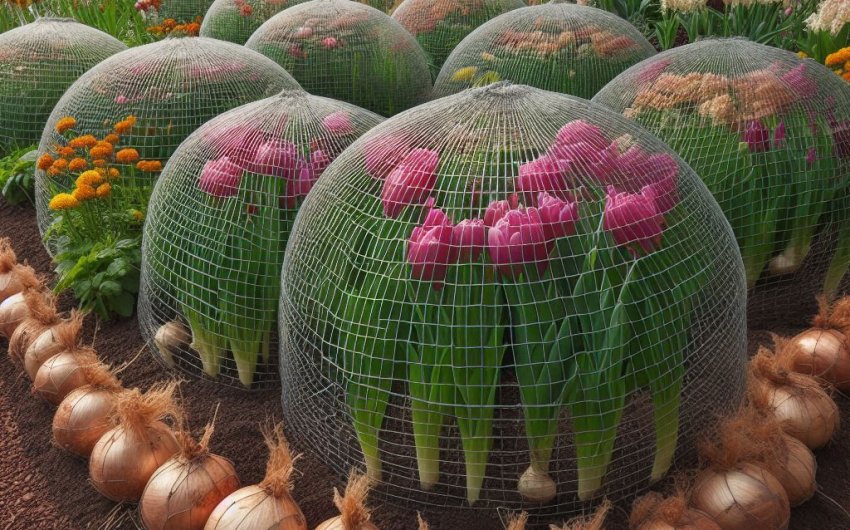
To prevent animals from digging up bulbs, employ a multi-pronged approach combining physical barriers like wire cages, deterrents like repellents and unpleasant textures, and strategic plant selection. Understanding which animals are the culprits will guide your most effective prevention methods.
Why Do Animals Dig Up Flower Bulbs?
The frustration of finding your newly planted or overwintering flower bulbs dug up by animals is common among gardeners. Understanding why animals dig up bulbs is the first step in figuring out effective tips to prevent animals from digging up bulbs. It's usually driven by one of two primary instincts: hunger or curiosity/nesting.
1. They're a Food Source
- Tasty Treats: Many bulbs, especially those like tulips, crocuses, and lilies, contain starches and sugars, making them a delicious and nutritious food source for various animals. To rodents and other critters, a newly planted bulb bed is like a fresh buffet.
- Winter Storage: For animals like squirrels, bulbs are a valuable food source to bury and save for later in the lean winter months. They are masters of caching, and your garden often becomes their pantry.
- Easy Access: Freshly disturbed soil from new planting makes it incredibly easy for animals to dig. The soil is loose, soft, and offers little resistance.
2. Curiosity, Investigation, and Nesting Material
- New Smells and Disturbance: Animals are naturally curious. When you dig in your garden, you churn up soil, release new smells, and create a disturbance that attracts their attention. They might come to investigate what's new in their territory.
- Hiding Places: The loose soil is also an inviting place for some animals to dig shallow holes for temporary hiding, or to create burrows for nesting or resting.
- Burrowing for Food (Not Bulbs): Sometimes, animals might be digging for grubs or other insects in your lawn or garden bed, and your bulbs just happen to be in the way or get incidentally exposed.
Common Culprits:
- Squirrels: Probably the most notorious offenders. They love to bury (and dig up) nuts, but also have a keen interest in bulbs, especially tulips and crocuses. Their digging is often shallow, scattered, and characterized by quick, precise excavations.
- Chipmunks: Similar to squirrels but smaller, they also hoard food and are attracted to easy-to-dig areas.
- Volves and Moles: While moles primarily dig tunnels for insects, voles (which often use mole tunnels) are herbivorous rodents that will happily eat bulbs, often from below ground.
- Rabbits: Less likely to dig up whole bulbs, but will nibble on emerging shoots.
- Dogs: Often dig out of boredom, curiosity, or to bury their own treasures. They might not eat the bulbs but can certainly unearth them.
- Raccoons: Opportunistic foragers who will dig for grubs, insects, or anything else interesting in disturbed soil.
Understanding these motivations is crucial, as the best tips to prevent animals from digging up bulbs often involve making your bulbs less appealing as food, harder to access, or making the digging process less desirable.
Which Animals Are Most Likely to Dig Up Bulbs?
Knowing the primary culprits is essential for implementing the most effective tips to prevent animals from digging up bulbs. Each animal has distinct behaviors that can help you identify them and tailor your deterrence strategy.
1. Squirrels (The Master Buriers)
- Identifying Signs: Small, scattered, shallow holes, often with a bulb nearby, half-eaten, or simply gone. You might catch them in the act during the day.
- Attraction: They are drawn to easy digging spots and see bulbs as a prime food source for caching or immediate consumption. Tulips and crocuses are particular favorites.
- Behavior: Often dig individual holes quickly, burying one item, or digging up one bulb and moving on.
2. Chipmunks (Smaller, but Similar to Squirrels)
- Identifying Signs: Very similar small, neat holes to squirrels, but generally smaller in scale.
- Attraction: Also prolific hoarders and attracted to the same types of bulbs.
- Behavior: Operate in a similar manner to squirrels but are usually more nimble and can access smaller spaces.
3. Voles (The Underground Eaters)
- Identifying Signs: Damage usually appears from below the ground. You might see a plant suddenly wither and die because its roots/bulb have been eaten away. They create small, surface tunnels (runways) just under the grass or mulch, about an inch or two wide. They often use mole tunnels for easier access. No visible mounds of dirt like moles.
- Attraction: Herbivorous and love to munch on bulbs, roots, and tubers. Lilies, tulips, and even some daffodils are vulnerable.
- Behavior: Unlike squirrels, voles don't "dig up" bulbs to move them; they eat them in situ.
4. Moles (Indirect Damage)
- Identifying Signs: Raised ridges or "molehills" (small mounds of soil) across your lawn or garden beds. They are rarely seen above ground.
- Attraction: Moles are insectivores; they dig tunnels primarily to hunt for grubs, worms, and other soil insects.
- Behavior: While they don't eat bulbs, their tunneling activity can disturb roots, expose bulbs to other animals (like voles), or create tunnels that voles then use to access your bulbs from below.
5. Raccoons (Opportunistic Diggers)
- Identifying Signs: Larger, messier digging, often associated with overturned sod or disturbed mulch, especially near bird feeders or compost bins. They may leave paw prints.
- Attraction: Digging for grubs, worms, or other edibles.
- Behavior: Less focused on specific bulbs and more on general foraging, but can still cause extensive damage.
6. Domestic Pets (Dogs and sometimes Cats)
- Identifying Signs: Large, messy holes, often with displaced soil and sometimes partially chewed bulbs (which can be toxic to pets). Paw prints are obvious.
- Attraction: Boredom, burying toys, curiosity about new smells, or digging for perceived underground prey.
- Behavior: Unpredictable and can cause significant damage quickly.
By accurately identifying the primary culprits behind the digging, you can select the most appropriate and effective tips to prevent animals from digging up bulbs in your garden.
What are Effective Physical Barriers to Protect Bulbs?
When looking for tips to prevent animals from digging up bulbs, physical barriers are often the most reliable method. They create a direct obstacle that most animals cannot overcome, effectively protecting your valuable bulbs.
1. Wire Cages (Hardware Cloth)
- How it Works: This creates an impenetrable fortress around your bulbs.
- Materials: Use 1/4-inch or 1/2-inch galvanized hardware cloth. This mesh size is small enough to deter most rodents, but large enough for bulb shoots to grow through. Galvanized Hardware Cloth is durable and won't rust easily.
- Installation Method:
- Bottom Protection: Dig your planting hole as usual. Line the bottom of the hole with a piece of hardware cloth.
- Side Walls: Extend the hardware cloth up the sides of the hole, forming a box or cylinder. Leave enough excess to extend at least 4-6 inches above the soil line once planted.
- Plant Bulbs: Place your bulbs inside the wire cage.
- Top Cover: After planting, lay another piece of hardware cloth over the top of the bed. You can secure it with landscape staples or rocks.
- Pro Tip: For perennial bulbs, fold the top piece to form a "lid" that can be removed once sprouts emerge, then replaced for winter. For annual bulbs, leave the top mesh in place.
- Benefit: Protects from digging from above and burrowing from below (especially against voles).
2. Chicken Wire (Less Durable, Still Effective)
- How it Works: Similar to hardware cloth, but the mesh is larger and less rigid.
- Materials: Standard chicken wire with 1-inch hexagonal mesh.
- Installation Method: Primarily used as a top barrier. After planting bulbs, lay a piece of chicken wire flat over the soil surface. Secure it with garden staples or rocks. The shoots will grow through the holes.
- Limitations: The larger mesh might not deter very small rodents, and it won't protect from underground burrowers like voles. It can also be less durable over time.
3. Netting or Mesh Over Beds
- How it Works: A temporary, lightweight barrier.
- Materials: Fine garden netting or bird netting.
- Installation Method: Lay over newly planted beds and secure edges with rocks, bricks, or staples. Remove once sprouts are several inches tall.
- Limitations: Only effective until sprouts are tall. Not suitable for long-term protection or against determined diggers.
4. Recycled Plastic Mesh Bulb Baskets
- How it Works: These pre-made baskets create a barrier around individual bulbs or small groups.
- Materials: Look for Bulb Planting Baskets made of durable plastic mesh.
- Installation Method: Place bulbs inside the basket, then plant the whole basket in the ground.
- Limitations: Only protects the sides and bottom. Squirrels can still dig from above if the top is exposed.
By investing in and properly installing physical barriers, you create a formidable defense, making these some of the most reliable tips to prevent animals from digging up bulbs.
What are Effective Animal Repellents for Bulbs?
When considering tips to prevent animals from digging up bulbs, repellents offer a non-physical barrier by making the bulbs or the surrounding soil unappealing to pests. They work by odor, taste, or irritation.
1. Commercial Animal Repellents
- How They Work: These typically contain ingredients like predator urine, capsaicin (chili pepper extract), putrescent egg solids, or strong essential oils that deter animals by smell or taste.
- Application: Follow label instructions carefully. Most are applied as a spray or granular product directly to the soil surface after planting, or around the perimeter of the bulb bed. Some are systemic and soak into the bulb (e.g., in squirrel-resistant coatings).
- Examples: Brands like Shake-Away Animal Repellent Granules or Critter Ridder Animal Repellent.
- Limitations: Effectiveness can vary by animal species and product. They often need frequent reapplication, especially after rain or watering, as their active ingredients degrade.
2. Homemade Repellents (Odor/Taste)
- Hot Pepper Spray/Powder:
- How it Works: Capsaicin is an irritant to many mammals.
- Application: Sprinkle cayenne pepper, chili powder, or crushed red pepper flakes directly on the soil surface after planting. You can also make a spray by mixing hot pepper products with water and a few drops of dish soap (as a sticking agent).
- Limitations: Needs frequent reapplication after rain. Can be washed away.
- Garlic or Onion Juice:
- How it Works: Strong, unpleasant odor.
- Application: Crush garlic cloves or onions, steep them in water, strain, and spray around the planting area.
- Limitations: Needs reapplication.
- Castor Oil:
- How it Works: Disrupts digestive systems of some animals and can deter burrowing creatures like moles and voles.
- Application: Mix castor oil with water and a bit of dish soap, then drench the soil.
- Limitations: Primarily effective for underground diggers.
3. Scent-Based Deterrents (Non-Food Related)
- Used Coffee Grounds:
- How it Works: The strong scent of coffee grounds can be unpleasant to some animals.
- Application: Sprinkle a layer of used coffee grounds over the soil surface after planting bulbs.
- Limitations: Needs frequent reapplication. May slightly alter soil pH over time.
- Human or Pet Hair:
- How it Works: The scent of a predator (or perceived predator) can deter some animals.
- Application: Sprinkle human hair clippings (from a salon or barber) or dog/cat hair around the bulb beds.
- Limitations: Scent fades quickly, especially after rain. Not effective for all animals.
Repellents can be a good supplementary tactic, especially when combined with other methods. However, due to their need for frequent reapplication and varying efficacy, they should not be your sole defense when implementing tips to prevent animals from digging up bulbs.
Can Planting Certain Bulbs Deter Animals?
Yes, one of the more natural and sustainable tips to prevent animals from digging up bulbs is to strategically choose bulbs that animals (especially rodents) find unappetizing or outright toxic. This uses the plant's natural defenses to your advantage.
Bulbs Animals Tend to AVOID:
Daffodils (Narcissus):
- Reason: Daffodils contain lycorine, an alkaloid that is highly toxic and unpalatable to most animals, including squirrels, voles, deer, and rabbits.
- Strategy: Plant daffodils generously, especially around other, more vulnerable bulbs like tulips. They can act as a natural barrier or deterrent.
- Examples: All Narcissus varieties – 'Dutch Master', 'Ice Follies', 'King Alfred', 'Thalia'.
Fritillaria (Crown Imperial, Checkered Lily):
- Reason: These bulbs have a very strong, musky odor that many animals find extremely offensive. They also contain alkaloids.
- Strategy: Plant a border of Fritillaria around a bed of more desirable bulbs.
- Examples: Fritillaria imperialis (Crown Imperial), Fritillaria meleagris (Checkered Lily).
Snowdrops (Galanthus):
- Reason: Like daffodils, snowdrops contain toxic alkaloids.
- Strategy: Excellent for naturalizing, and animals typically leave them alone.
Grape Hyacinths (Muscari):
- Reason: Belong to the same family as true hyacinths, which are generally unappealing to rodents.
- Strategy: Plant in masses for a beautiful display, knowing they're generally safe from digging.
Hyacinths (Hyacinthus orientalis):
- Reason: These bulbs are quite firm and contain oxalic acid, making them less palatable.
- Strategy: While not completely immune, they are usually much less targeted than tulips or crocuses.
Alliums (Ornamental Onions):
- Reason: Members of the onion family, they have a strong, sulfurous scent and taste that deters many animals.
- Strategy: Plant them among other bulbs, or use taller varieties as striking accents that also provide pest deterrence.
- Examples: Allium giganteum, Allium hollandicum 'Purple Sensation', Allium schoenoprasum (Chives – a smaller cousin).
Bulbs Animals LOVE to Eat (and therefore need more protection):
- Tulips (Tulipa)
- Crocuses (Crocus)
- Lilies (Lilium)
- Gladiolus (Gladiolus)
- Some Irises (Iris)
By incorporating animal-resistant bulbs into your planting scheme, especially as a perimeter defense around vulnerable species, you add a layer of natural protection, making these very practical tips to prevent animals from digging up bulbs.
How Can You Make the Soil Unpleasant for Digging?
Beyond directly protecting the bulbs, another set of effective tips to prevent animals from digging up bulbs involves making the actual soil surface and the act of digging unpleasant for them. This discourages their natural digging instincts.
1. Add Sharp or Abrasive Materials
- Crushed Gravel or Sharp Sand:
- How it Works: Animals with sensitive paws dislike digging through sharp or rough textures.
- Application: After planting bulbs and backfilling, mix a layer of sharp gravel or coarse sand into the top few inches of soil directly above the bulbs. You can also sprinkle a layer on the surface.
- Benefit: This adds a physical deterrent without harming the plant.
- Pine Cones or Prickly Twigs:
- How it Works: Create a poky, uncomfortable surface.
- Application: Lay a dense layer of pine cones, thorny rose prunings, holly leaves, or other prickly twigs over the newly planted bulb beds.
- Limitations: Can be unsightly for some. Needs to be removed when shoots emerge.
2. Incorporate Strong-Smelling Organic Matter
- Used Coffee Grounds or Eggshells:
- How it Works: The strong scent of coffee grounds can be unappealing to some animals, and the sharp edges of crushed eggshells can be a minor deterrent.
- Application: Mix used coffee grounds and/or thoroughly crushed eggshells into the top few inches of soil after planting.
- Limitations: Need frequent reapplication as scent fades or materials decompose. Less effective than other methods for determined diggers.
- Animal Manure (Caution!):
- How it Works: The strong odor can deter some animals.
- Application: A light layer of uncomposted (fresh) animal manure (e.g., chicken, cow) can sometimes deter, but this is a double-edged sword.
- Limitations: Can burn plants if too fresh, introduce weed seeds, or attract other unwanted pests. Use with extreme caution and in very small amounts, or stick to composted manure for general soil improvement.
3. Landscape Fabric or Netting Under Mulch
- How it Works: Creates a physical barrier just below the surface layer.
- Application: After planting bulbs and filling the hole, lay a layer of landscape fabric or a fine mesh netting over the soil, then cover it with mulch. The bulb shoots can still push through, but it makes digging much harder for animals.
- Benefit: Less visible than wire cages but still effective.
By creating an uncomfortable or unappealing digging surface, you add another layer of defense in your comprehensive strategy of tips to prevent animals from digging up bulbs.
How Can Garden Hygiene Deter Digging Animals?
Good garden hygiene and proactive management are surprisingly effective tips to prevent animals from digging up bulbs. By making your garden less attractive as a general foraging or nesting area, you reduce the likelihood of animals ever getting close enough to discover your bulbs.
1. Keep the Garden Clean and Tidy
- Remove Fallen Fruit/Seeds: Any fallen fruit from trees or shrubs, or discarded birdseed, can attract animals like squirrels, raccoons, and rodents. Regularly sweep up these attractants.
- Clear Debris: Piles of leaves, brush, or old lumber provide excellent hiding and nesting spots for rodents, voles, and other small animals. Keep your garden clear of such clutter.
- Secure Compost Bins: Open compost bins can attract raccoons, rodents, and other scavengers looking for food. Use a secure, animal-proof compost bin.
2. Eliminate Water Sources
- Empty Standing Water: Bird baths, pet water bowls, or leaky outdoor faucets can provide essential hydration for wildlife. While some water features are desirable, ensure they are not attracting unwanted guests near your vulnerable plants.
- Repair Leaks: Fix any leaky outdoor faucets or irrigation lines that create puddles, which can draw in animals looking for a drink.
3. Secure Food Sources (Bird Feeders, Pet Food)
- Squirrel-Proof Bird Feeders: If you have bird feeders, invest in Squirrel-Proof Bird Feeders and clean up any spilled seed underneath. Spilled seed is a huge draw for rodents and squirrels.
- Don't Leave Pet Food Out: Never leave pet food bowls (especially dog or cat food) outdoors overnight, as this is a powerful attractant for raccoons, possums, and other nocturnal scavengers.
- Secure Trash Cans: Ensure your outdoor trash cans have tight-fitting lids to prevent animals from rummaging through them.
4. Manage Overgrowth
- Trim Back Shrubs and Groundcover: Dense, overgrown shrubs and groundcover can provide sheltered pathways and hiding spots for voles and other small rodents. Keep areas around your bulb beds trimmed and open.
By proactively managing your garden's overall cleanliness and eliminating readily available food and shelter, you create a less inviting environment for digging animals. This significantly reduces their presence in your garden, acting as a crucial preventative step in your efforts to apply tips to prevent animals from digging up bulbs.
What Role Do Human Activities Play in Deterring Animals?
Sometimes, our own actions and presence can be the simplest, yet effective, tips to prevent animals from digging up bulbs. Animals are often wary of human activity, and leveraging this can provide an additional layer of deterrence.
1. Frequent Garden Presence and Disturbance
- Regular Activity: Simply spending more time in your garden can deter many shy animals. Your presence signals that the area is active and potentially unsafe for them.
- Weeding/Tidying: Regular weeding, light raking, or even just walking around your garden can disturb animals, making them less likely to settle or feel comfortable digging.
- Visual Disturbance: Tools left out, clotheslines, or other signs of human activity can signal an active area.
2. Noise Deterrents
- Radios/Music: Playing a radio or music (at a low volume, mindful of neighbors) can sometimes deter nocturnal animals. The unpredictable human voices can make them wary.
- Wind Chimes: While not always effective, the unpredictable movement and sound of Outdoor Wind Chimes can occasionally startle animals.
- Motion-Activated Noisemakers: For persistent problems, motion-activated devices that emit a sudden loud noise can be effective, though they can also be annoying to humans.
3. Visual Deterrents (Motion-Activated Sprinklers)
- Unexpected Spray: Motion-Activated Sprinklers are excellent for deterring animals like raccoons, deer, and even squirrels without harm. The sudden spray of water combined with movement and a slight hiss is highly effective.
- Placement: Position them to cover the area where animals are known to dig.
- Benefit: Humane, effective, and also provides irrigation.
4. Scarecrows or Reflective Devices (Limited Effectiveness)
- Scarecrows: Traditional scarecrows or shiny objects (like old CDs on string, reflective tape) might deter some birds initially.
- Limitations: Animals often quickly habituate to stationary visual deterrents once they realize there's no real threat. Their effectiveness is usually short-lived.
5. Supervising Pets (Especially Dogs)
- Natural Deterrence: A dog patrolling a fenced yard can be an excellent deterrent for many wildlife species. Their scent and occasional barking can keep animals away.
- Active Supervision: If your dog is a digger, actively supervise them in the garden to prevent them from unearthing bulbs themselves. Train them to stay out of planting beds.
While not foolproof on their own, incorporating human activity and subtle disturbances can significantly contribute to your overall strategy of tips to prevent animals from digging up bulbs. They work best when combined with physical barriers and repellents.
How to Deal with Moles and Voles Specifically?
Dealing with moles and voles requires a targeted approach, as their subterranean habits mean many surface-level tips to prevent animals from digging up bulbs might not be effective. These two often work in tandem, so understanding their distinct roles is key.
Understanding Moles vs. Voles:
- Moles: Insectivores. They create tunnels (surface ridges or molehills) while hunting for grubs, worms, and insects. They don't eat bulbs, but their tunnels provide easy access for voles.
- Voles: Herbivores. They eat plants, including bulbs, roots, and bark. They often use existing mole tunnels or create small, less conspicuous surface runways (about 1-2 inches wide) just under the grass/mulch.
Specific Tips to Prevent Moles and Voles:
Bulb Cages (Hardware Cloth) – Best Defense:
- Method: This is the most effective physical barrier. As described previously, create an enclosed wire basket using 1/4-inch or 1/2-inch galvanized hardware cloth. Ensure the cage extends underneath the bulbs, up the sides, and ideally a few inches above the soil line.
- Why it Works: It physically prevents voles from burrowing up to the bulbs from below and eating them.
Eliminate Mole Food Source (Grubs):
- Method: If moles are primarily present due to a high grub population, treating your lawn for grubs can reduce their food source, encouraging them to move elsewhere.
- Products: Use milky spore, beneficial nematodes (Nemasys Beneficial Nematodes), or other grub control products according to instructions.
- Benefit: Reduces mole activity, which in turn reduces tunnels that voles can exploit.
Castor Oil Repellents:
- Method: Castor oil is thought to irritate the digestive systems of moles and voles, making them avoid treated areas. It's often available as a granular product or a liquid concentrate that is diluted and watered into the soil. Repels-All Animal Repellent Concentrate often contains castor oil.
- Application: Follow product directions. Apply over affected areas, then water in.
- Limitations: Needs reapplication, especially after heavy rain. May only move them to another part of your yard.
Plant Resistant Bulbs:
- Method: As mentioned before, plant bulbs that are naturally unpalatable or toxic to rodents.
- Examples: Daffodils, Fritillaria, Alliums, Snowdrops. Voles tend to avoid these.
Perimeter Barriers (for Voles):
- Method: If voles are a persistent problem, you can install a buried hardware cloth barrier around the entire garden bed.
- Installation: Dig a trench about 10-12 inches deep and install hardware cloth vertically, leaving 2-4 inches above ground. Bend the bottom 2-3 inches of the mesh outwards (L-shape) in the trench to create a footer.
- Why it Works: Prevents voles from tunneling under the barrier.
Trapping (Last Resort for Severe Infestations):
- Method: For severe and persistent infestations, trapping might be necessary. Mole traps (harpoon, scissor, or choker traps) are designed to kill moles. Vole traps are smaller, often similar to mouse traps placed near their runways.
- Considerations: Requires careful placement and often professional help. Check local regulations regarding trapping.
By implementing a combination of these targeted tips to prevent animals from digging up bulbs, particularly focusing on robust underground barriers and deterring their food sources, you can effectively protect your precious bulbs from moles and voles.