
What Is the Best Way to Propagate a Monstera Plant?
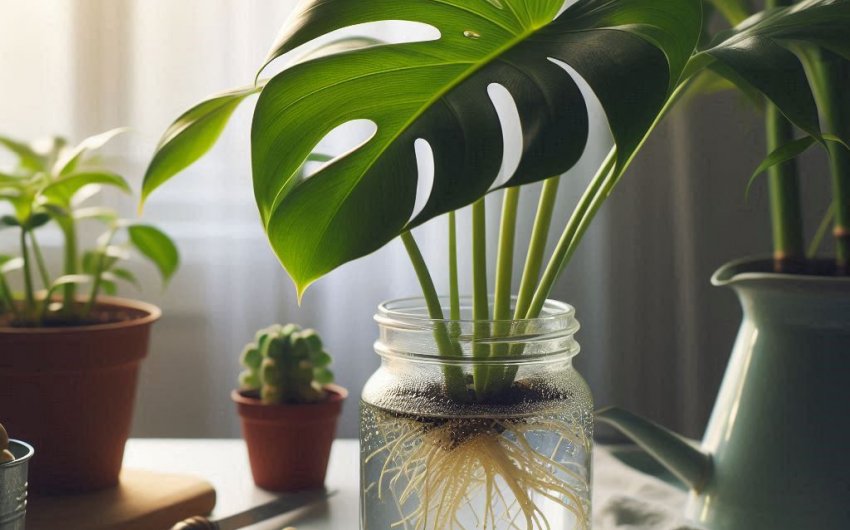
Creating new plants from your existing favorites is one of the most rewarding aspects of gardening, and propagating a Monstera plant is surprisingly straightforward. Whether you're aiming to expand your collection, share with friends, or simply rejuvenate an overgrown specimen, understanding the different methods and choosing the most effective approach will set you up for success. While several techniques exist, the best way to propagate a Monstera plant generally involves stem cuttings, due to their high success rate and ease.
Why Should I Propagate My Monstera Plant?
Propagating your Monstera plant offers a myriad of benefits beyond simply creating more plants. It's a fundamental part of responsible plant care, allowing you to maintain healthy specimens, expand your green spaces, and even share the joy of these iconic plants.
What are the Benefits of Propagating Monstera?
- Expand Your Collection: The most obvious benefit is creating new Monstera plants from your existing one, allowing you to fill your home with lush greenery or create impressive plant displays.
- Share with Friends: Monstera cuttings make wonderful gifts for fellow plant enthusiasts, sharing the beauty and joy of your plant hobby.
- Rejuvenate an Overgrown Plant: Mature Monsteras can become leggy or unruly over time. Propagating allows you to prune back the mother plant, encouraging bushier growth and giving it a fresh start, while also creating new plants from the cuttings.
- Save a Struggling Plant: If your Monstera is suffering from root rot or another issue affecting its lower stem, propagating healthy sections can be a lifeline, salvaging parts of the plant that would otherwise be lost.
- Backup Plan: Having propagated plants provides a "backup" in case something happens to your main Monstera, ensuring you don't lose your beloved plant entirely.
- Cost-Effective: Propagating is free! Instead of buying new plants, you can grow them from cuttings, saving money while expanding your collection.
- Learning Experience: Propagation is a fantastic way to learn more about plant biology and hone your gardening skills. It's incredibly satisfying to watch a new plant take root and grow.
What Monstera Varieties Can I Propagate?
Most common Monstera varieties are excellent candidates for propagation using similar methods. The success rate and specific timing might vary slightly, but the general principles apply.
- Monstera deliciosa: This is the most popular type, known for its iconic fenestrations (splits) and aerial roots. It propagates very easily.
- Monstera adansonii (Swiss Cheese Plant): Smaller leaves with holes rather than splits. Also a very good candidate for stem cutting propagation.
- Monstera obliqua: Rare and delicate, known for its extremely holey leaves. While possible, propagation can be more challenging due to its fragile nature and specific environmental needs.
- Monstera siltepecana: Features silvery-green leaves with darker veins. Propagates well from stem cuttings.
- Monstera standleyana: Characterized by oval leaves, often with variegation. Can be propagated, but variegated sections might need more specific light conditions.
While the techniques are largely similar, focusing on Monstera deliciosa or Monstera adansonii is best for beginners due to their robust nature and higher success rates.
What is the Best Method to Propagate a Monstera?
When considering what is the best way to propagate a Monstera plant, stem cuttings stand out as the most reliable and popular method. This technique leverages the plant's natural growth habit and its ability to produce adventitious roots from nodes.
Why are Stem Cuttings the Most Recommended Method?
Stem cuttings are widely favored for Monstera propagation due to their high success rate, speed, and simplicity compared to other methods.
- High Success Rate: Monsteras readily produce roots from their nodes, making stem cuttings very reliable.
- Relatively Fast: Roots typically emerge within a few weeks to a couple of months, allowing you to establish a new plant relatively quickly.
- Simple Technique: It doesn't require specialized equipment or advanced horticultural skills.
- Uses Existing Plant Structure: You're working with the plant's natural growth, particularly its aerial roots and nodes, which are primed for new root development.
- Versatile: Stem cuttings can be rooted in various mediums, offering flexibility.
What is a "Node" and Why is it Important for Propagation?
Understanding a node is fundamental to successful Monstera propagation. A node is a crucial part of the plant's stem where growth originates.
- Definition: A node is the slightly swollen bump or joint on a plant stem where a leaf, a branch, or an aerial root emerges.
- Importance for Propagation: Nodes contain dormant cells that, under the right conditions, can differentiate and develop into new roots and new shoots. For a stem cutting to successfully root and grow into a new plant, it must include at least one node. Cuttings taken from internodal sections (the part of the stem between two nodes) will not typically root.
- Aerial Roots: Many Monstera species, especially Monstera deliciosa, produce prominent aerial roots from their nodes. These roots are a bonus for propagation as they are already predisposed to absorb moisture and can quickly transition to functioning as primary roots in water or soil. While not strictly necessary for a node to root, their presence often speeds up the process.
How Do I Take a Monstera Stem Cutting?
Taking a healthy Monstera stem cutting is the foundational step for successful propagation. Precision and hygiene are key to giving your new plant the best start.
What Tools Do I Need for Taking Cuttings?
Having the right, clean tools ready makes the process easy and minimizes stress on the plant.
- Sharp Pruning Shears or Scissors: Essential for clean cuts. Dull tools can crush stems, hindering rooting. A good pair of pruning shears is invaluable.
- Rubbing Alcohol or Hydrogen Peroxide: For sterilizing your cutting tools before and after use. This prevents the spread of diseases.
- Optional: Rooting Hormone: A powder or gel that can speed up root development, though many Monsteras root well without it. A popular rooting hormone powder can be beneficial.
- Container for Rooting: Glass jar or propagation station for water rooting; small pot or tray for soil rooting.
What are the Steps for Taking a Healthy Monstera Cutting?
Follow these steps carefully to ensure your Monstera stem cutting has the best chance of success.
- Identify a Healthy Stem Section: Look for a mature, healthy stem that has at least 1-2 leaves and at least one prominent node. The stem should feel firm, not soft or mushy.
- Locate the Node: Find a node (the bump where a leaf or aerial root emerges). This is where the new roots will grow from.
- Make a Clean Cut:
- Using your sterilized shears or scissors, make a clean cut about 1/2 inch to 1 inch (1.25-2.5 cm) below the node.
- Ensure the cut is clean and sharp, avoiding tearing or crushing the stem.
- Remove Lower Leaves (if necessary): If the cutting has leaves that would be submerged in water or buried in soil, gently remove them. Leaves below the water/soil line can rot and encourage bacterial growth.
- Optional: Apply Rooting Hormone: If using rooting hormone, dip the cut end of the stem (including the node) into the powder or gel. Tap off any excess.
- Allow to Callus (Optional but Recommended): For about an hour or two, allow the cut end to air dry. This forms a slight "callus" or protective layer, which can help prevent rot, especially if you plan to root in soil.
What Kind of Cutting Should I Take?
The type of cutting you take can influence rooting success.
- Stem Cutting with Node (most common and recommended): This is the standard method described above. Each cutting should have at least one node and ideally 1-2 leaves.
- Tip Cutting: A cutting taken from the growing tip of a vine, which includes the newest leaves and several nodes. Good for creating a new plant quickly.
- Mid-Stem Cutting (Wet Stick/Node Only): A section of stem that includes a node but no leaves. These can root but are much slower and have a lower success rate, as they rely entirely on the node for both root and new leaf development. Best for experienced propagators or when salvaging pieces.
By carefully selecting and preparing your Monstera stem cutting, you're setting the stage for a successful propagation journey.
What is the Best Medium for Rooting Monstera Cuttings?
After taking your Monstera stem cutting, the next decision is choosing the right rooting medium. While several options exist, each with its pros and cons, water propagation is often cited as the best way to propagate a Monstera plant for beginners due to its simplicity and visibility.
Why is Water Propagation So Popular for Monstera?
Water propagation is arguably the most popular and easiest method for rooting Monstera cuttings, particularly for beginners.
Simplicity: It requires minimal supplies – just a clean jar and water.
Visibility: You can actually see the roots developing, which is incredibly satisfying and helps you monitor progress.
Reduced Risk of Overwatering: While water needs to be changed, you avoid the common beginner mistake of overwatering in soil, which leads to rot.
Cleanliness: No mess from soil.
Quick Start: Many Monstera cuttings root relatively quickly in water.
Steps for Water Propagation:
- Choose a Container: Select a clean glass jar, vase, or propagation station. Ensure it's large enough to hold the cutting upright without leaves being submerged. A simple glass propagation station can be very stylish.
- Add Water: Fill the container with room temperature water. Distilled water or filtered water is preferred, but tap water that has sat out for 24 hours to allow chlorine to dissipate is usually fine.
- Place Cutting: Gently place the Monstera cutting into the water, ensuring at least one node is fully submerged. No leaves should be in the water.
- Lighting: Place the container in a spot with bright, indirect light. Avoid direct sunlight, which can overheat the water and encourage algae.
- Change Water Regularly: Change the water every 3-5 days, or whenever it appears cloudy, to prevent bacterial growth and replenish oxygen.
- Be Patient: Roots typically begin to form within 2-4 weeks, but it can sometimes take longer. Wait until roots are at least 1-2 inches (2.5-5 cm) long before considering potting in soil.
Can I Root Monstera Cuttings in Soil?
Rooting Monstera cuttings directly in soil is also a viable and often preferred method for more experienced propagators, as it reduces transplant shock.
Pros:
- Less Transplant Shock: The new plant doesn't have to adjust from water roots to soil roots, which can be a stressful transition.
- More Self-Sufficient: Once planted, it needs less frequent attention than changing water.
- Stronger Root System (Potentially): Some argue that soil-rooted plants develop a more robust root system directly adapted to soil.
Cons:
- Risk of Rot: Overwatering is a common issue, leading to stem rot if drainage is poor.
- Less Visibility: You can't see the roots forming, so it's harder to monitor progress.
- Slower (Sometimes): Can sometimes take longer for roots to appear compared to water.
Steps for Soil Propagation:
- Prepare Potting Mix: Use a light, well-draining potting mix. A mixture of equal parts potting soil, perlite, and orchid bark is excellent. A well-draining potting mix is essential.
- Choose a Pot: Use a small pot (e.g., 4-6 inches / 10-15 cm) with drainage holes.
- Plant Cutting: Make a small hole in the center of the potting mix. Insert the cutting, ensuring at least one node (and any aerial roots) is buried. Gently firm the soil around the cutting.
- Water Lightly: Water thoroughly until water drains from the bottom. Do not overwater.
- Create Humidity (Optional but Recommended): To increase humidity and aid rooting, you can cover the pot loosely with a clear plastic bag or dome, creating a mini-greenhouse effect. Punch a few holes for air circulation.
- Lighting: Place in a spot with bright, indirect light and stable warm temperatures (70-80°F / 21-27°C).
- Monitor Moisture: Keep the soil consistently moist but never soggy. Allow the top inch to dry out slightly before watering again.
What are Other Rooting Mediums for Monstera?
Beyond water and soil, several other mediums can be used for Monstera propagation, often favored by advanced propagators for specific reasons.
- Sphagnum Moss:
- Pros: Excellent moisture retention and aeration, good for developing strong roots, especially beneficial for cuttings with aerial roots.
- Cons: Needs frequent re-wetting, can be messy.
- Method: Moisten sphagnum moss and wrap it around the node(s) of the cutting. Place in a clear container or bag for humidity. A bag of long-fibered sphagnum moss is a good starting point.
- Perlite/Vermiculite:
- Pros: Very lightweight, excellent drainage and aeration, prevents rot.
- Cons: No nutritional value, can be a bit dusty.
- Method: Use 100% moist perlite or vermiculite in a container with drainage. Plant cutting as you would in soil.
- LECA (Lightweight Expanded Clay Aggregate):
- Pros: Reusable, excellent aeration, provides consistent moisture via wicking. Great for "semi-hydroponic" propagation.
- Cons: Can be a learning curve to manage water levels, no inherent nutrients.
- Method: Place cuttings in a container with LECA and add water up to a certain level, allowing LECA to wick moisture. A bag of LECA clay pebbles can be used.
The best way to propagate a Monstera plant ultimately depends on your comfort level and environment. Water propagation is ideal for beginners, while soil or moss can lead to less transplant shock.
What Are the Environmental Conditions for Successful Monstera Propagation?
Beyond the cutting itself and the rooting medium, the surrounding environmental conditions play a critical role in the success of your Monstera propagation. Providing the right blend of light, temperature, and humidity will encourage rapid and healthy root development.
How Much Light Does a Monstera Cutting Need?
Light is essential for photosynthesis, even in a rooting cutting, providing the energy needed for new growth.
- Bright, Indirect Light: This is the ideal condition. Place your propagation vessel or pot near a window that receives plenty of bright light but no direct sun. Direct sun can scorch leaves or overheat the rooting medium.
- Avoid Low Light: Insufficient light will significantly slow down or completely halt root development.
- Consider Grow Lights: If natural light is limited, especially during winter months, a plant grow light can provide the consistent bright, indirect light your cuttings need. Place it 12-18 inches (30-45 cm) above the cuttings.
What is the Ideal Temperature for Monstera Rooting?
Temperature directly influences the metabolic rate of the cutting and the speed of root formation.
- Warm and Consistent: Monsteras are tropical plants and root best in warm, stable conditions. Aim for temperatures between 70°F and 80°F (21°C - 27°C).
- Avoid Cold Drafts: Fluctuating or cold temperatures can stress the cutting and significantly slow down rooting, or even cause rot. Keep cuttings away from cold windows, air conditioning vents, or exterior doors.
- Bottom Heat (Optional): For faster rooting, especially in cooler environments, consider using a seedling heat mat placed under your propagation container. This provides gentle bottom heat, encouraging root growth.
How Important is Humidity for Monstera Cuttings?
High humidity is extremely beneficial for Monstera propagation, helping the cutting retain moisture until a strong root system develops.
- Prevents Dehydration: Cuttings without roots cannot efficiently absorb water. High humidity reduces water loss through the leaves, preventing wilting and stress.
- Ideal Range: Aim for humidity levels of 60% or higher.
- Ways to Increase Humidity:
- Cloche or Plastic Bag: Loosely cover the cutting and its container with a clear plastic bag or a transparent dome/cloche to create a mini-greenhouse effect. Ensure there's some ventilation to prevent excessive condensation and fungal issues.
- Humidifier: Place a room humidifier near your propagation setup.
- Pebble Tray: Place the cutting's container on a tray filled with pebbles and a shallow layer of water, ensuring the pot itself doesn't sit directly in the water. The evaporating water increases localized humidity.
- Misting (Limited Use): While misting can provide temporary humidity, it's often not sufficient long-term and can sometimes encourage fungal issues on leaves if done improperly. Rely more on ambient humidity solutions.
By providing these optimal environmental conditions, your Monstera propagation will have a much higher chance of success, leading to robust root development and healthy new plants.
When and How Do I Pot My Rooted Monstera Cutting?
Once your Monstera cutting has developed a healthy root system, the next critical step is to transition it into soil. This phase requires careful handling to minimize transplant shock and ensure the new plant establishes successfully.
How Do I Know My Monstera Cutting is Ready for Potting?
Knowing when to transition your rooted Monstera cutting is crucial. Potting too early can lead to failure, while waiting too long can also cause issues.
- Root Length: This is the primary indicator. For water-rooted cuttings, roots should be at least 1-2 inches (2.5-5 cm) long and show some branching. They should look strong and healthy, not wispy or slimy.
- New Growth (Optional but a good sign): If you see a tiny new leaf unfurling or new stem growth, it's a strong sign that the plant has established enough to support new foliage. This often occurs concurrently with good root development.
- Resilience: The roots should feel firm, not mushy, when gently touched.
What Kind of Soil and Pot Should I Use for My New Monstera?
Choosing the right soil and pot is vital for your new Monstera's long-term health.
- Potting Mix: Monsteras thrive in a chunky, well-draining, and airy potting mix that mimics their natural epiphitic environment. Avoid dense, heavy potting soils.
- Ideal Mix Components:
- High-quality indoor potting soil (base)
- Perlite (for aeration and drainage)
- Orchid bark (for chunkiness and aeration)
- Coir or coco chips (for moisture retention without sogginess)
- Optional: Activated charcoal, worm castings (for nutrients).
- A common ratio is 1 part potting soil, 1 part perlite, 1 part orchid bark. You can purchase a Monstera-specific potting mix or mix your own ingredients.
- Ideal Mix Components:
- Pot Size: Start with a relatively small pot, just large enough to accommodate the new root ball.
- For a single cutting, a 4-6 inch (10-15 cm) diameter pot with drainage holes is typically ideal.
- Avoid overly large pots, as they hold too much moisture, increasing the risk of root rot.
- Drainage Holes: Non-negotiable! Ensure your pot has adequate drainage holes to prevent waterlogging.
What are the Steps for Potting a Rooted Monstera Cutting?
Careful handling during the transplant process will minimize stress and ensure a smooth transition.
- Prepare the Pot: Place a small layer of your well-draining potting mix at the bottom of the chosen pot.
- Gently Remove Cutting: If rooting in water, carefully lift the cutting out. Handle the new roots very gently, as they are fragile. If rooting in moss or other mediums, gently loosen the medium from around the roots.
- Position the Cutting: Place the cutting in the center of the pot, ensuring the base of the stem (where the roots emerge) is at the same level as it was in its previous medium, or slightly below the soil surface. The leaves should sit above the soil.
- Add Soil: Carefully fill the pot with the remaining potting mix around the roots. Gently firm the soil around the stem to provide support, but don't pack it down too tightly, as this can compact the soil and reduce aeration.
- Water Thoroughly: Water the newly potted Monstera thoroughly until water drains from the bottom of the pot. This helps settle the soil around the roots.
- Initial Care:
- Light: Place the newly potted plant in a spot with bright, indirect light. Avoid direct sun immediately after potting.
- Humidity: Maintain high humidity around the plant for the first few weeks to help it recover from transplant shock. A pebble tray or humidifier can help.
- Watering: Allow the top 1-2 inches (2.5-5 cm) of soil to dry out before watering again. Do not overwater during this transition period.
- Avoid Fertilizing: Do not fertilize for at least 4-6 weeks after potting, as the fresh potting mix usually contains enough initial nutrients, and the plant needs to focus on root establishment.
By following these steps, you'll effectively transition your propagated Monstera cutting into a thriving new plant, cementing your success in propagating a Monstera plant.