
How Often Should I Water a Snake Plant (Sansevieria)?
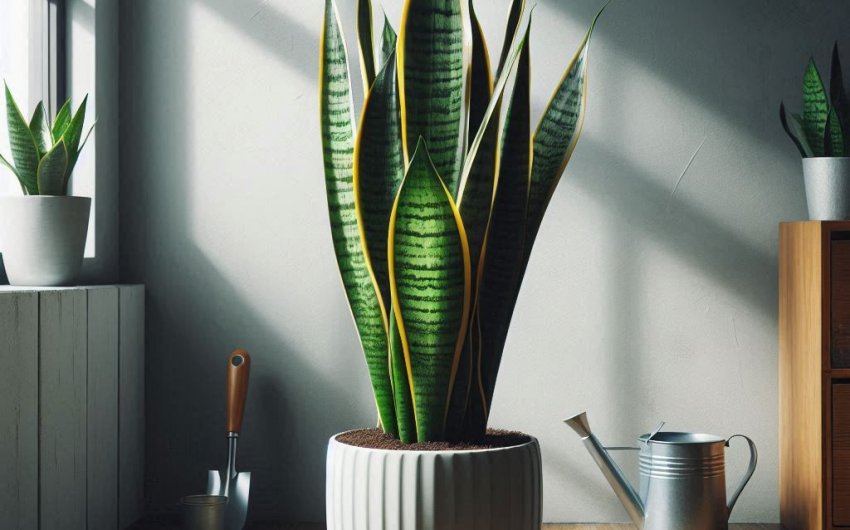
Learning how often to water a snake plant (or Sansevieria) is the single most critical factor for its long-term health. These remarkably resilient and popular houseplants are famed for being low-maintenance, but their biggest weakness is often too much love in the form of overwatering. Understanding their unique water storage capabilities and adapting your watering schedule to their needs will ensure your snake plant thrives for years, displaying its iconic upright foliage beautifully in your home.
Why Is Watering So Important for Snake Plants?
The watering regimen for a Sansevieria is unique due to its succulent nature.
Understanding Snake Plant's Water Storage
Unlike many other houseplants that have thin leaves and stems, snake plants are succulents.
- Thick, Fleshy Leaves: Their tall, rigid leaves are specially adapted to store water, much like a cactus. This allows them to endure long periods of drought in their native arid environments.
- Rhizomes: They also store water and nutrients in their thick, underground rhizomes.
- Drought Tolerance: Because they can store so much water internally, they do not need frequent watering. In fact, consistently wet soil is detrimental.
The Dangers of Overwatering
Overwatering is by far the leading cause of death for snake plants.
- Root Rot: When the soil stays consistently wet, roots are deprived of oxygen and begin to rot. This is a fungal or bacterial infection that spreads rapidly, turning roots into a mushy, foul-smelling mess.
- Mushy Leaves and Stems: Rotted roots can't absorb water, leading to the plant appearing droopy or mushy, even though the soil is wet. The base of the leaves may feel soft and squishy.
- Foul Odor: A clear sign of severe root rot is a strong, unpleasant smell emanating from the soil.
- Leaf Discoloration: Leaves may turn yellow, brown, or black, often starting from the base.
The Effects of Underwatering
While overwatering is more common, underwatering can also harm your snake plant, though it is generally more forgiving.
- Crispy Leaf Tips: The very tips of the leaves may turn brown and crispy.
- Wrinkled or Limp Leaves: The leaves may start to look shriveled or lose their rigid, upright posture as they deplete their water reserves.
- Slowed Growth: Growth will slow significantly.
- Recovery: Snake plants are very resilient to underwatering and will usually perk up quickly after a thorough watering.
How to Determine When to Water Your Snake Plant?
The best approach to watering a snake plant is not a fixed schedule, but rather by checking the soil moisture.
The Finger Test: The Most Reliable Method
This simple test is your best friend when it comes to Sansevieria care.
- Insert Finger: Stick your finger about 2-3 inches (5-7.5 cm) deep into the soil near the base of the plant. For very large pots, go deeper.
- Feel for Moisture:
- If it feels dry: It's likely time to water.
- If it feels cool or damp: Wait a few more days and check again.
- If it feels wet or sticky: Absolutely do not water.
Using a Moisture Meter
For those who prefer a more precise measurement, a moisture meter can be a useful tool.
- How to Use: Insert the probe into the soil at various spots around the plant. The meter will give you a reading (often on a scale of 1-10 or dry-wet).
- What to Look For: For a snake plant, wait until the meter reads in the "dry" range (e.g., 1-2 on a 1-10 scale) before watering.
- Recommendation: A Plant Moisture Meter can remove some of the guesswork.
Observing the Pot's Weight
This method comes with practice but can be surprisingly accurate.
- Before Watering: Lift the pot when the soil is completely dry. Note how light it feels.
- After Watering: Lift the pot immediately after a thorough watering. Notice how heavy it feels.
- Daily Check: Over time, you'll learn to recognize the difference in weight, helping you gauge soil moisture without even touching the soil.
How Often Should I Water Based on Environmental Factors?
The frequency of watering a snake plant isn't static; it changes significantly based on several environmental factors in your home.
Light Levels: The Biggest Influence
Light is the primary driver of water evaporation from the soil and water usage by the plant.
- Bright, Indirect Light: In brighter conditions (which snake plants prefer), they will use water more quickly. You might water every 2-4 weeks.
- Low Light Conditions: In very low light, the plant's metabolism slows significantly, and it uses much less water. You might only need to water every 4-8 weeks, or even less frequently in winter. Many snake plants are placed in low-light areas, making overwatering a very common problem.
Temperature: Warmer Means More Water
- Warm Temperatures (Active Growth): In warmer rooms (65-80°F or 18-27°C), especially during the growing season (spring/summer), water will evaporate faster and the plant will be more active, requiring more frequent watering.
- Cooler Temperatures (Dormancy): In cooler rooms or during the winter months, the plant becomes largely dormant and needs significantly less water. Reduce watering frequency dramatically.
Humidity: Less Impact, but Still a Factor
While snake plants are very tolerant of low humidity, extremely high humidity can slow down water evaporation from the soil.
- High Humidity: Soil will dry out slower, so you'll water less often.
- Low Humidity: Soil will dry out faster, potentially requiring slightly more frequent watering (though still infrequent for a snake plant).
Potting Material: A Crucial Variable
The type of pot your Sansevieria is in directly affects how quickly the soil dries out.
- Terracotta/Unglazed Clay Pots: These are porous, allowing water to evaporate through the pot walls. This means the soil dries out faster, making them an excellent choice for snake plants prone to overwatering.
- Plastic/Glazed Ceramic Pots: These are non-porous, trapping moisture in the soil. Soil will dry out much slower, meaning you'll need to water less frequently. If using these, ensure excellent drainage holes.
Soil Mix: Fast Drainage is Key
The soil mix itself profoundly influences watering frequency.
- Well-Draining Succulent/Cactus Mix: This type of soil, often chunky with perlite, sand, or grit, allows water to drain quickly, preventing soggy roots. This is the ideal for a snake plant.
- Standard Potting Mix: A standard potting mix retains more moisture and compacts more easily. If using this, you'll need to water much less frequently and ensure very good drainage. It's often safer to amend standard potting mix with perlite or coarse sand to improve drainage for Sansevieria.
A good Succulent & Cactus Potting Mix is recommended for your snake plant.
What is the Correct Way to Water a Snake Plant?
The method of watering is just as important as the frequency when it comes to healthy Sansevieria care.
The "Soak and Dry" Method
This is the golden rule for most succulents, including snake plants.
- Water Thoroughly: Pour water slowly and evenly over the entire surface of the soil until you see water draining freely from the bottom of the pot. Ensure the entire root ball is saturated.
- Drain Completely: This is critical. Do not let your snake plant sit in standing water. Empty any excess water from the saucer within 15-30 minutes after watering. Prolonged exposure to standing water is a recipe for root rot.
- Allow to Dry Out Completely: Before watering again, allow the soil to dry out completely, not just the top inch or two. For larger pots, this can take several weeks.
Tips for Successful Watering
- Room Temperature Water: Use water that is at room temperature. Cold water can shock the roots.
- Avoid Wetting Leaves (Especially at Base): Try to water the soil directly, avoiding getting water into the "cups" formed by the leaves at the base of the plant. Water trapped there can lead to rot.
- Bottom Watering (Optional): For very dry soil that's hard to re-wet, or to encourage deeper root growth, you can bottom water. Place the pot in a shallow tray or sink filled with a few inches of water. Let the plant soak up water through its drainage holes for 15-30 minutes, or until the top of the soil feels damp. Then, remove from water and allow to drain completely.
- Use Good Drainage Holes: Absolutely non-negotiable. Your pot must have drainage holes. A Ceramic Planter with Drainage is always recommended.
What Are the Signs Your Snake Plant is Having Watering Issues?
Your Sansevieria will communicate its needs through its appearance. Learning to read these signs is crucial for effective snake plant care.
Symptoms of Overwatering
These are typically the most urgent issues, as root rot can progress quickly.
- Mushy or Soft Leaves (Especially at the Base): The leaves will lose their characteristic rigidity and feel soft, often starting at the soil line. This is a primary indicator of root rot.
- Yellowing Leaves: Often starting with the lower, older leaves, they will turn yellow and may feel somewhat translucent.
- Black or Brown Spots on Leaves: These soft, dark spots can appear randomly on leaves, indicating tissue decay.
- Foul Odor from Soil: A strong, sulfuric, or rotten smell indicates anaerobic conditions and severe root rot.
- Drooping Leaves (Paradoxically): Even though the soil is wet, the roots are no longer functional, so the leaves cannot take up water and will appear droopy.
What to Do If Overwatered:
- Stop Watering Immediately: Do not give it another drop until the soil is completely dry.
- Increase Airflow and Light: Move the plant to a brighter, well-ventilated area to help the soil dry out faster.
- Check Roots: If symptoms are severe, gently unpot the plant and inspect the roots.
- Healthy Roots: Will be firm, white or tan.
- Rotted Roots: Will be mushy, brown/black, and may smell.
- Trim Rotted Roots: Using sterilized scissors or pruning shears, cut away all soft, rotten roots.
- Repot (If Necessary): If a significant portion of the root system was affected, repot into fresh, dry, well-draining succulent potting mix. Consider using a Terracotta Pot with Drainage to aid drying.
- Do Not Water for a While: After repotting or root treatment, do not water for at least a week or two, allowing the plant to recover and any cut roots to callous.
Symptoms of Underwatering
Less common, but still indicative of insufficient hydration.
- Crispy, Brown Leaf Tips/Edges: The very ends or edges of the leaves dry out and become brittle.
- Wrinkled or Shriveled Leaves: The normally smooth, plump leaves will start to show wrinkles or indentations as they deplete their internal water reserves.
- Limp or Leaning Leaves: The leaves might lose their upright rigidity and lean or droop slightly.
- Extremely Dry, Cracking Soil: The soil will pull away from the sides of the pot.
What to Do If Underwatered:
- Water Thoroughly: Give the plant a good, deep soak until water drains from the bottom.
- Bottom Water (Optional): If the soil is severely dry and hydrophobic (repels water), bottom watering can be very effective to rehydrate the entire root ball.
- Monitor: The plant should start to perk up and rehydrate within a day or two. Adjust your future watering frequency.
How Do Potting Mix and Pot Type Impact Watering Frequency?
The choices you make for your snake plant's container and soil are just as vital as how often you water.
Choosing the Right Potting Mix
The substrate your Sansevieria grows in directly affects moisture retention and drainage.
- Ideal Mix: A well-draining succulent and cactus mix is highly recommended. These mixes typically contain components like:
- Perlite: Creates aeration and improves drainage.
- Coarse Sand: Adds drainage.
- Pumice or Volcanic Rock: Similar to perlite, adds drainage and porosity.
- Bark Fines: Provide structure and aeration.
- Avoiding Standard Potting Mix: Regular indoor potting mixes are often too dense and retain too much moisture for snake plants. If you must use one, amend it heavily (at least 30-50% by volume) with perlite or coarse sand to improve drainage.
- Benefits of Good Drainage: A fast-draining mix allows excess water to escape quickly, significantly reducing the risk of root rot.
You can find a suitable Well-Draining Potting Mix online.
Selecting the Right Pot Material
The material of your pot plays a significant role in how quickly the soil dries out.
- Terracotta Pots (Unglazed Clay):
- Pros: Highly breathable and porous. Water can evaporate through the pot walls, helping the soil dry out faster. Excellent for snake plants and those prone to overwatering.
- Cons: Heavier, can be more expensive, salts can leach out and leave white marks on the outside (harmless to plant).
- Recommendation: A Terracotta Planter with Drainage is often the safest choice for beginners or those prone to overwatering.
- Plastic Pots:
- Pros: Lightweight, inexpensive, don't break easily.
- Cons: Non-porous, meaning water only evaporates from the top soil surface and drainage holes. Soil stays wet longer.
- Recommendation: If using plastic, be extra vigilant with watering, and ensure multiple drainage holes.
- Glazed Ceramic Pots:
- Pros: Very decorative, wide range of styles.
- Cons: Non-porous, like plastic. Heavier and can be more expensive.
- Recommendation: Ensure excellent drainage holes and be careful not to overwater.
Drainage Holes Are Non-Negotiable
Regardless of the pot material, drainage holes are absolutely essential. A pot without drainage holes is a death sentence for a snake plant. If your decorative pot lacks drainage, place the plant in a slightly smaller nursery pot with drainage holes, then put that inside the decorative pot. This allows for easy removal to water and drain properly.
How Do Seasonal Changes Affect Snake Plant Watering?
Your Sansevieria's watering needs are not constant year-round. They fluctuate significantly with the seasons.
Spring and Summer (Growing Season)
- Increased Activity: This is when your snake plant is actively growing, producing new leaves and potentially "pups" (offsets).
- More Frequent Watering: Due to increased metabolism, warmer temperatures, and often brighter light, the plant will use more water. You'll likely water more often during these months, perhaps every 2-4 weeks.
- Consistent Checks: Continue to use the "finger test" or moisture meter. Just because it's summer doesn't mean you should water on a fixed weekly schedule.
Fall and Winter (Dormant Season)
- Reduced Activity: As temperatures drop and daylight hours shorten, your snake plant enters a period of dormancy or significantly slowed growth.
- Much Less Water Needed: The plant's water consumption decreases dramatically. This is when overwatering is most common.
- Infrequent Watering: You might only need to water every 4-8 weeks, or even less, depending on your home's conditions (e.g., if you keep your home cool and dimly lit in winter).
- Err on the Side of Underwatering: It is always safer to underwater a snake plant in winter than to overwater. If in doubt, wait a few more days.
- Adjust Based on Heating: If your home heating makes the air very dry, the soil might dry out a little faster, but the plant's reduced needs still mean less frequent watering than in summer.
General Seasonal Guidelines:
| Season | Plant Activity | Light Levels (Typically) | Temperature (Typically) | Watering Frequency |
|---|---|---|---|---|
| Spring/Summer | Active Growth | Bright | Warm | Every 2-4 weeks (approx.) |
| Fall/Winter | Dormant | Lower/Shorter Days | Cooler | Every 4-8+ weeks (approx.) |
Remember, these are guidelines. Always check the soil moisture before watering.
Troubleshooting Common Watering Mistakes for Snake Plants
Even experienced plant parents can sometimes make mistakes. Knowing how to react can save your Sansevieria.
Identifying and Correcting Overwatering
- Initial Symptoms: Mushy leaves, yellowing at the base, foul odor from soil.
- Action Plan:
- Immediately stop watering.
- If the soil is soaked, gently remove the plant from its pot. Inspect roots.
- If roots are mushy and black, trim them off with sterilized scissors.
- Repot into fresh, dry, well-draining soil in a clean pot (or the old one disinfected).
- Do not water for at least a week, potentially longer, to allow the plant to recover and dry out.
- Re-evaluate your watering schedule based on soil dryness and environmental factors.
Addressing Underwatering
- Initial Symptoms: Crispy leaf tips, wrinkled/shriveled leaves, very dry soil pulling away from the pot.
- Action Plan:
- Give the plant a thorough watering until water drains from the bottom.
- If the soil is extremely dry and hydrophobic, consider bottom watering to ensure complete saturation.
- Monitor the plant; it should perk up within 24-48 hours.
- Adjust your future watering frequency to water slightly more often, but always by checking the soil first.
Preventing Future Problems
- Drainage, Drainage, Drainage: Always use pots with drainage holes and a fast-draining soil mix.
- Feel the Soil: Make the finger test a habit before every watering.
- Learn Your Environment: Understand how light, temperature, and humidity in your specific home affect how quickly your soil dries out.
- Adjust Seasonally: Remember to drastically reduce watering in fall and winter.
- When in Doubt, Don't Water: This is the safest motto for snake plant care. It's much easier to recover from underwatering than from root rot caused by overwatering.
By mastering the art of knowing how often to water a snake plant, and adapting your approach to its specific needs and environmental conditions, you will successfully cultivate a thriving, resilient, and beautiful Sansevieria that brings effortless elegance to your indoor space.