
Why Are My Peace Lily's Leaves Turning Yellow?
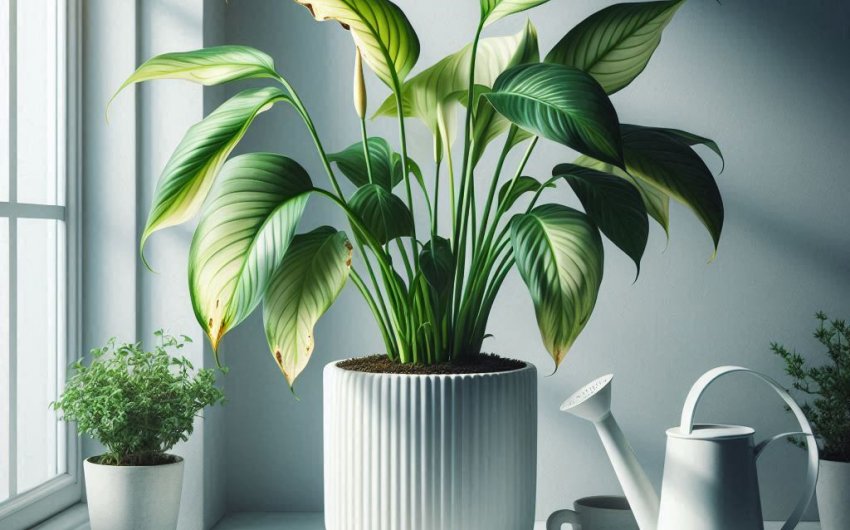
Seeing your Peace Lily's leaves turning yellow can be a cause for concern, especially since these elegant plants are generally known for their lush, deep green foliage. While a single yellowing leaf might be a natural part of the plant's life cycle, widespread or sudden yellowing usually signals an underlying problem. This discoloration is your plant's way of telling you that something in its environment or care routine needs adjustment, and addressing it promptly can help restore your Peace Lily to its vibrant health.
Why Are My Peace Lily Leaves Turning Yellow? The Most Common Causes
The most frequent reasons for a Peace Lily's leaves turning yellow relate to watering, light, and nutrients. Let's explore these in detail.
1. Overwatering: The Primary Culprit
This is by far the most common reason for Peace Lily leaves turning yellow. Peace Lilies love consistent moisture, but they absolutely hate sitting in soggy soil.
- How it Happens: When a Peace Lily is overwatered, its roots sit in waterlogged soil. This deprives the roots of oxygen, causing them to essentially "drown" and begin to rot. Rotted roots cannot absorb water or nutrients, leading to yellowing foliage even though the soil is wet.
- Symptoms:
- Uniform Yellowing: Leaves often turn yellow evenly across the entire leaf, starting with lower, older leaves.
- Mushy Stems/Base: The base of the plant or leaf stems may feel soft, mushy, or even have a foul odor if root rot is severe.
- Drooping: Paradoxically, the plant may look droopy even though the soil is wet, because the roots are dying and cannot transport water to the leaves.
- Solution:
- Stop Watering Immediately: Do not water again until the top 2-3 inches (5-7.5 cm) of soil are completely dry.
- Check Drainage: Ensure your pot has drainage holes. If it doesn't, repot into a pot with proper drainage.
- Inspect Roots (If Severe): Gently remove the plant from its pot. Look for dark, mushy, smelly roots (root rot). Healthy roots are firm and white or tan.
- Trim Rotted Roots: If root rot is present, use sterilized scissors to cut away all affected roots.
- Repot: Repot into fresh, well-ddraining potting mix. Consider a slightly smaller pot if a lot of roots were removed.
- Adjust Watering: Allow the topsoil to dry out before watering again. Water thoroughly, then let it drain completely. Never let the pot sit in standing water.
- Preventive Measure: Use a Moisture Meter for Plants to accurately gauge soil dampness.
2. Underwatering: Thirst Can Also Cause Yellowing
While less common than overwatering, a severely underwatered Peace Lily can also exhibit yellowing leaves.
- How it Happens: If the plant consistently doesn't get enough water, its cells don't have enough moisture to carry out photosynthesis or maintain turgor (firmness), leading to wilting and eventually yellowing as cells die off.
- Symptoms:
- Dramatic Wilting: The plant will visibly droop and look limp.
- Crispy Edges/Tips: Leaf edges or tips may turn brown and crispy before the whole leaf yellows.
- Dry Soil: The soil will be bone dry and may pull away from the sides of the pot.
- Solution:
- Water Thoroughly: Give the plant a good, deep soak until water drains from the bottom.
- Bottom Watering: If the soil is very dry and compacted, try bottom watering by placing the pot in a basin of water for 30 minutes to an hour to allow it to absorb moisture from the bottom up.
- Monitor: The plant should perk up within a few hours.
- Adjust Watering: Establish a consistent watering routine, checking the soil regularly. Peace Lilies are known for their dramatic wilting when thirsty, making it easier to know when to water.
3. Too Much Light: Sunburn Symptoms
Despite being tropical, Peace Lilies prefer indirect light. Direct sun can cause damage.
- How it Happens: Direct, intense sunlight can scorch the delicate leaves, causing chlorophyll (the green pigment) to break down.
- Symptoms:
- Bleached Yellowing: Leaves turn a pale yellow, sometimes with white or light brown crispy patches where the sun is most intense.
- Overall Fading: The lush green color might appear washed out.
- Usually on Exposed Leaves: Symptoms will be most prominent on leaves directly exposed to the sun.
- Solution:
- Relocate: Move your Peace Lily to a spot with bright, indirect light. An east-facing window is often ideal. A few feet back from a south or west-facing window works well.
- Prune Damaged Leaves: Remove any severely scorched leaves.
4. Not Enough Light: Slow Decline
While tolerant of lower light, prolonged periods in insufficient light can cause stress.
- How it Happens: Without enough light for photosynthesis, the plant can't produce enough energy to support all its foliage. It may start sacrificing older leaves to conserve resources.
- Symptoms:
- Pale Green/Yellow: Leaves become a lighter green and then gradually yellow.
- Leggy Growth: The plant stretches and looks sparse as it tries to reach for light.
- Lack of Flowers: Fewer or no white spathes will appear.
- Solution:
- Increase Light: Move your Peace Lily to a brighter spot with consistent, indirect light. Avoid direct sun.
- Supplemental Lighting: If natural light is limited, consider a Grow Light for Indoor Plants.
Less Common Causes for Yellow Peace Lily Leaves
Beyond the primary factors, other environmental and care issues can lead to yellowing.
5. Nutrient Deficiencies or Excesses
An imbalance in plant nutrients can cause leaves to yellow.
- Nitrogen Deficiency:
- Symptoms: Overall yellowing of older leaves, slow growth. Nitrogen is crucial for green foliage.
- Solution: Fertilize with a balanced liquid houseplant fertilizer.
- Iron Deficiency:
- Symptoms: New leaves turn yellow between the veins (interveinal chlorosis), while the veins remain green. More common in alkaline soil.
- Solution: Use an Iron Supplement for Plants or an acidifying fertilizer.
- Over-Fertilization:
- Symptoms: Brown or crispy leaf tips/edges, generally unhealthy appearance. Excess salts from fertilizer can "burn" the roots.
- Solution: Flush the soil with plenty of plain water to wash away excess salts. Reduce fertilizer frequency or concentration.
6. Temperature Stress
Extreme temperatures can cause stress and yellowing.
- Cold Drafts: Sudden drops in temperature or exposure to cold drafts (e.g., from an open window in winter, AC vent) can shock the plant.
- Symptoms: Leaves may turn yellow or even black, often on the side exposed to the cold.
- Solution: Move the plant away from drafts and maintain consistent room temperatures (65-80°F or 18-27°C).
- High Heat: While tropical, excessive heat and lack of humidity can also stress the plant.
- Symptoms: Leaves may droop and turn yellow/brown.
- Solution: Provide good air circulation and increase humidity.
7. Low Humidity
Peace Lilies are tropical plants that thrive in high humidity. Dry air can cause stress.
- Symptoms: Brown, crispy leaf tips are more common, but overall stress can lead to yellowing.
- Solution:
- Misting: Mist the leaves regularly with a Plant Mister.
- Pebble Tray: Place the pot on a tray filled with pebbles and a shallow layer of water (ensure the pot doesn't sit in the water).
- Humidifier: For consistent humidity, use a Room Humidifier.
- Group Plants: Placing plants together increases local humidity.
8. Pests
Pest infestations can suck the life out of leaves, leading to yellowing.
- Common Pests: Spider mites, mealybugs, and aphids are the most common culprits.
- Symptoms:
- Small Dots/Spots: Tiny yellow or brown dots on leaves.
- Webbing: Fine webbing (spider mites) on undersides of leaves or in leaf axils.
- Cottony Masses: White, cottony masses (mealybugs).
- Sticky Residue: Honeydew (a sticky substance) on leaves, often accompanied by black sooty mold.
- Solution:
- Inspect: Thoroughly check the undersides of leaves and stem joints.
- Isolate: Move the infected plant away from other houseplants.
- Wipe Down: For mild infestations, wipe leaves with a damp cloth or a cotton swab dipped in rubbing alcohol.
- Insecticidal Soap/Neem Oil: Spray with Horticultural Insecticidal Soap or diluted Neem Oil for Plants, following label instructions. Repeat applications may be needed.
9. Natural Aging
Sometimes, a single yellowing leaf is just part of the plant's natural process.
- Symptoms: Typically one or two lower, older leaves turn yellow, shrivel, and die off. The rest of the plant remains healthy and produces new growth.
- Solution: Simply prune off the yellow leaf once it's fully yellow and easily pulls away. This frees up the plant's energy for new growth.
How to Troubleshoot Yellowing Peace Lily Leaves: A Step-by-Step Guide
When you notice your Peace Lily's leaves turning yellow, follow this systematic approach to identify and resolve the problem.
- Assess Your Watering Habits FIRST:
- Feel the Soil: Stick your finger 2-3 inches deep.
- If wet/soggy: Likely overwatering. Stop watering immediately. Check for root rot.
- If bone dry: Likely underwatering. Water thoroughly.
- Adjust Frequency: Based on your findings, modify how often you water. Remember, allow the topsoil to dry out before watering again.
- Feel the Soil: Stick your finger 2-3 inches deep.
- Examine Light Conditions:
- Is it in direct sun? If so, move it to a spot with bright, indirect light.
- Is it in a very dark corner? If so, move it to a brighter spot, but avoid direct sun.
- Check for Pests:
- Thoroughly inspect all parts of the plant, especially leaf undersides and stem joints, for tiny insects, webbing, or sticky residue.
- If pests are found, isolate the plant and treat immediately.
- Consider Humidity:
- Is your home's air very dry, especially in winter?
- If so, implement misting, a pebble tray, or a humidifier.
- Evaluate Temperature:
- Is the plant near a cold draft or a heat vent?
- Move it to a location with stable temperatures (65-80°F or 18-27°C).
- Review Fertilization:
- When was the last time you fertilized?
- Are you over-fertilizing? (Too frequent or too strong a solution).
- Consider a very dilute, balanced liquid fertilizer if you suspect nutrient deficiency, but only after ruling out watering issues.
- Inspect for Natural Aging:
- Is it just one or two old, lower leaves?
- If the rest of the plant is healthy and growing, it's likely natural. Prune it off.
By methodically checking these factors, you can usually pinpoint the cause of your Peace Lily's leaves turning yellow and provide the appropriate care to help it recover and flourish. Your plant will thank you with beautiful, green foliage and those iconic white blooms.