
How Do I Care for Succulents Indoors?
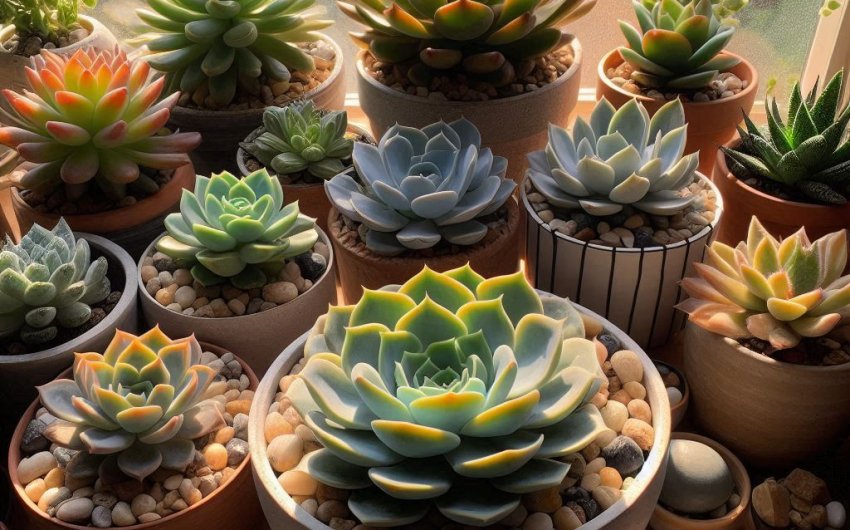
Caring for succulents indoors is a rewarding experience, transforming your living space with their unique beauty and low-maintenance appeal. These resilient plants thrive with the right approach to their environment, light, watering, and soil. Understanding the specific needs of your indoor succulents is crucial for their long-term health and vibrant growth, ensuring they continue to be a delightful addition to your home.
What is the Best Light for Indoor Succulents?
Light is perhaps the most critical factor for indoor succulent care. Most succulents originate from sunny, arid regions and require abundant bright light to flourish. Without enough light, they can become leggy, lose their vibrant coloration, and weaken, making them more susceptible to pests and diseases.
How Much Light Do Succulents Need?
Ideally, indoor succulents need at least six hours of bright, direct sunlight per day. A south-facing window is often the best spot in most homes, offering the most intense and prolonged light exposure. East or west-facing windows can also work, providing several hours of direct morning or afternoon sun, respectively. North-facing windows typically do not provide enough light for most succulents, leading to stretching or etiolation.
What are Signs of Insufficient Light?
When succulents don't get enough light, they exhibit specific signs:
- Etiolation: This is the most common sign. The plant stretches towards the light source, resulting in elongated stems and widely spaced leaves. The color might also fade.
- Dull color: Vibrant hues can fade to a muted green.
- Weak growth: The plant may appear weak, flimsy, and prone to breaking.
- Lack of flowering: Many succulents will not flower without adequate light.
How Can I Supplement Light for Succulents?
If your home lacks sufficient natural light, grow lights are an excellent solution. LED grow lights are popular due to their energy efficiency and effectiveness. Look for full-spectrum LED grow lights designed for plants.
Tips for using grow lights:
- Placement: Position the grow light about 6-12 inches above your succulents. The exact distance depends on the light's intensity. Start further away and gradually move closer, observing your plants.
- Duration: Provide 12-16 hours of artificial light per day to mimic natural sun cycles.
- Timer: Use a timer to ensure consistent light exposure and give your plants a dark period for rest.
Consider a Monios-L T8 LED Grow Light for efficient supplemental lighting.
How Often Should I Water Indoor Succulents?
Overwatering is the single biggest killer of indoor succulents. These plants store water in their leaves, stems, and roots, making them highly drought-tolerant. They prefer a "soak and dry" method rather than frequent, small sips of water.
What is the "Soak and Dry" Method?
The "soak and dry" method involves thoroughly saturating the soil until water drains from the bottom of the pot, and then allowing the soil to dry out completely before watering again.
Steps for watering:
- Check the soil: Stick your finger about 2 inches deep into the soil. If it feels moist, wait. If it's completely dry, it's time to water. You can also use a moisture meter for accuracy.
- Water thoroughly: Water the plant until water begins to drain from the drainage holes at the bottom of the pot. Ensure the entire root ball is moistened.
- Empty excess water: Do not let the pot sit in standing water. This can lead to root rot. Empty any water that collects in the saucer.
- Wait: Allow the soil to dry out completely before the next watering. This could take anywhere from one to four weeks, depending on the succulent species, pot size, humidity, and temperature.
What are Signs of Overwatering and Underwatering?
Understanding these signs helps you adjust your watering schedule:
Signs of Overwatering:
- Mushy or soft leaves: Leaves may feel soft, mushy, or translucent.
- Yellowing leaves: Leaves can turn yellow and drop off.
- Black spots or rot: Dark, mushy spots on the stem or leaves indicate rot.
- Swollen leaves: The leaves may appear unusually plump or burst open.
Signs of Underwatering:
- Wrinkled or shriveled leaves: The leaves may appear thin, deflated, or shriveled.
- Crispy leaves: Leaves might feel dry and crispy to the touch.
- Stunted growth: The plant may stop growing or grow very slowly.
It's always better to underwater than overwater succulents. They are much more forgiving of drought than excessive moisture.
What is the Best Soil for Indoor Succulents?
The right soil mix is crucial for healthy indoor succulents. Standard potting soil retains too much moisture, which can lead to root rot. Succulents need a fast-draining, well-aerated soil mix that allows their roots to breathe and prevents waterlogging.
What Makes a Good Succulent Soil Mix?
A good succulent soil mix typically combines organic and inorganic components to provide drainage and some nutrients.
Key characteristics:
- Excellent drainage: Water should pass through quickly.
- Good aeration: Allows air to reach the roots, preventing suffocation.
- Low organic matter: Too much organic matter retains water.
What Ingredients are in Succulent Soil?
You can buy a pre-made succulent and cactus mix or create your own.
Common ingredients for a DIY mix:
- Pumice: A lightweight, porous volcanic rock that improves drainage and aeration. It holds some moisture and nutrients without becoming waterlogged.
- Perlite: Similar to pumice but lighter. It's often used to lighten soil and improve drainage.
- Coarse sand: Horticultural sand (not play sand) helps with drainage.
- Grit/small gravel: Adds weight and improves drainage at the bottom of pots.
- Coco coir or peat moss: Provides some organic matter and moisture retention while being less prone to compaction than regular soil.
- Potting soil: A small amount can be included for nutrients, but it should be a minority component.
A popular DIY recipe:
- 1 part potting soil (with minimal added fertilizers)
- 1 part coarse sand or perlite
- 1 part pumice or perlite
For a reliable choice, consider a bag of Bonsai Jack Succulent and Cactus Soil.
What Kind of Pots are Best for Indoor Succulents?
The type of pot you choose significantly impacts the health of your indoor succulents. Drainage is paramount, and the material of the pot also plays a role in how quickly the soil dries.
Why is Drainage Essential for Succulent Pots?
Succulents absolutely require pots with drainage holes. Without them, water collects at the bottom, creating a stagnant, oxygen-deprived environment that promotes root rot. Even with the best soil mix, a lack of drainage will doom your succulent.
What Materials are Best for Succulent Pots?
Different pot materials offer various benefits:
- Terracotta/Unglazed Ceramic: These are excellent choices because they are porous. The porous nature of terracotta allows water to evaporate through the sides of the pot, helping the soil dry out faster. This is ideal for beginners and those prone to overwatering.
- Glazed Ceramic: While aesthetically pleasing, glazed ceramic pots are not porous and do not allow water evaporation through their sides. They are acceptable as long as they have a drainage hole. Be extra careful with watering.
- Plastic: Inexpensive and lightweight, plastic pots retain moisture more than terracotta. If using plastic, ensure it has ample drainage holes and be more conservative with watering.
- Concrete/Cement: Similar to terracotta in terms of breathability, concrete pots are heavy and durable.
What Size Pot Should I Use?
Choose a pot that is just slightly larger than the succulent's root ball.
- For small succulents, a pot that is 1-2 inches wider than the plant's diameter is usually sufficient.
- For larger plants, choose a pot that allows for an inch or two of growing room around the root ball.
Avoid putting a small succulent in a very large pot, as the excess soil will retain too much moisture, increasing the risk of rot.
How Do I Fertilize Indoor Succulents?
Fertilizing indoor succulents is not always necessary, especially if they are recently repotted in fresh succulent-specific soil that contains some nutrients. Succulents are not heavy feeders and can be sensitive to over-fertilization.
When Should I Fertilize Succulents?
Fertilize only during the growing season, which is typically spring and summer for most common succulents. Avoid fertilizing in fall and winter when most succulents are dormant or growing very slowly.
What Type of Fertilizer Should I Use?
Use a balanced, diluted liquid fertilizer specifically formulated for succulents and cacti. A fertilizer with a lower nitrogen content is generally preferred. Look for a 10-10-10 or 5-10-10 NPK ratio, or even lower.
How to Fertilize Succulents:
- Dilute the fertilizer: Always dilute the liquid fertilizer to half or even quarter strength of the recommended dosage. This prevents chemical burn and nutrient overload.
- Apply to moist soil: Never fertilize a dry succulent. Water your succulent thoroughly first, then apply the diluted fertilizer. Applying to dry soil can burn the roots.
- Frequency: Fertilize sparingly, perhaps once every 2-4 weeks during the growing season, or even less frequently, such as once a month. Many succulent enthusiasts fertilize only once or twice a year, or not at all.
An example of a suitable product is Miracle-Gro Succulent Plant Food.
What are Common Pests and Diseases of Indoor Succulents?
Even with the best indoor succulent care, pests and diseases can sometimes occur. Early detection and treatment are key to keeping your plants healthy.
What are Common Pests?
- Mealybugs: These are small, white, cottony insects often found in leaf axils (where leaves meet the stem) or under leaves. They suck plant sap, leading to stunted growth and sticky residue (honeydew).
- Treatment: Isolate the plant. Dab mealybugs directly with a cotton swab dipped in rubbing alcohol (70% isopropyl alcohol). Repeat daily until gone. For heavy infestations, use an insecticidal soap or neem oil.
- Aphids: Tiny, pear-shaped insects that cluster on new growth. They also suck sap and excrete honeydew.
- Treatment: Blast them off with a strong stream of water. Apply insecticidal soap or neem oil.
- Spider Mites: Microscopic pests that create fine webbing, usually on the undersides of leaves. They cause stippling (tiny dots) on leaves and can severely weaken the plant.
- Treatment: Increase humidity if possible. Spray with water. Use insecticidal soap or neem oil.
- Fungus Gnats: Small, dark flies that hover around the soil. Their larvae feed on organic matter in damp soil, potentially damaging delicate roots.
- Treatment: The best solution is to let the soil dry out completely between waterings. Use sticky traps to catch adults. You can also use Bacillus thuringiensis israelensis (BTI) dunks in your watering can.
What are Common Diseases?
- Root Rot: The most common disease, caused by overwatering and poorly draining soil. Symptoms include mushy stems, yellowing leaves, and a general decline in plant health.
- Treatment: Unpot the plant, inspect roots. Cut away any black, mushy roots with sterilized scissors. Allow the plant to air dry for a day or two to callus before repotting in fresh, dry succulent soil.
- Fungal Leaf Spot: Appears as discolored spots on leaves. Caused by high humidity and poor air circulation.
- Treatment: Improve air circulation and reduce humidity. Remove affected leaves. Apply a fungicide if severe.
How to Prevent Pests and Diseases:
- Good air circulation: Ensure good airflow around your plants.
- Proper watering: Stick to the soak and dry method.
- Quarantine new plants: Isolate new additions for a few weeks to ensure they are pest-free before introducing them to your collection.
- Inspect regularly: Routinely check your succulents for any signs of trouble.
- Cleanliness: Remove dead leaves from the soil surface to prevent fungal growth and pest hiding spots.
How Do I Repot Indoor Succulents?
Repotting is an important part of indoor succulent care, though it's not needed frequently. Succulents generally prefer to be a bit root-bound. Repotting is typically done to refresh the soil, move the plant into a slightly larger pot, or propagate offsets.
When Should I Repot a Succulent?
- Every 2-3 years: Even if the plant isn't outgrowing its pot, the soil nutrients deplete and the soil structure can break down, impacting drainage.
- When root-bound: If roots are growing out of the drainage holes.
- If the plant is struggling: Especially if there are signs of root rot or soil issues.
- To refresh soil: If the soil has become compacted or doesn't drain well.
How to Repot a Succulent:
- Gather supplies: New pot (with drainage hole, only slightly larger than the old one), fresh succulent soil mix, gloves (optional, for spiky succulents), small trowel or spoon.
- Prepare the plant: Gently remove the succulent from its current pot. If it's stuck, you can gently squeeze the sides of a plastic pot or use a knife around the edges of a ceramic one.
- Inspect roots: Gently loosen any compacted soil from the root ball. Inspect the roots for any signs of rot (mushy, black roots) or pests. Trim off any unhealthy roots using clean, sharp scissors.
- Allow to dry (optional but recommended): If you've trimmed roots or if the old soil was wet, let the succulent sit out for a day or two in a dry, shaded spot. This allows any cuts on the roots to callus, reducing the risk of rot when repotted.
- Add new soil: Add a layer of fresh succulent soil to the bottom of the new pot.
- Position the plant: Place the succulent in the new pot, ensuring the base of the plant is at the same level as it was in the old pot, or slightly below the rim to allow for watering.
- Fill with soil: Gently fill the pot around the root ball with more succulent soil, leaving about an inch of space from the rim. Don't compact the soil too much; light pressure is fine.
- Wait to water: Do NOT water immediately after repotting. Wait for at least 3-7 days to allow the succulent to settle and any root damage to heal. This prevents root rot. After this waiting period, water thoroughly using the soak and dry method.
How Does Humidity Affect Indoor Succulents?
Humidity is often overlooked in indoor succulent care, but it plays a role in their overall health. Most succulents thrive in dry conditions, mirroring their natural desert habitats. High humidity can be detrimental, contributing to fungal issues and making the plant more susceptible to rot.
Why is Low Humidity Preferred?
- Prevents fungal diseases: High humidity creates a moist environment where fungi and mold can easily thrive, leading to problems like fungal leaf spots or powdery mildew.
- Mimics natural habitat: Succulents are adapted to arid environments with low atmospheric moisture.
- Reduces water needs: In humid conditions, the soil dries slower, increasing the risk of overwatering and root rot.
What are Signs of Too Much Humidity?
- Soft, squishy leaves even when the soil is dry (indicating the plant is taking in too much atmospheric moisture).
- Fungal growth on leaves or stems.
- Slower soil drying time.
How Can I Manage Humidity for Indoor Succulents?
- Good air circulation: Ensure good airflow around your plants. Don't crowd them. Use a small fan if necessary, especially in humid climates.
- Avoid misting: Misting succulents is generally not recommended. It can lead to water spots on leaves and encourage fungal growth. Succulents absorb water through their roots, not their leaves.
- Location: Keep succulents away from areas of high humidity like bathrooms or kitchens unless they are very well-ventilated.
- Terracotta pots: As mentioned, terracotta pots help wick away moisture from the soil, aiding in drying and aeration.
- Proper watering: Always let the soil dry out completely between waterings, as this is the primary way to manage moisture levels at the root zone.
How Can I Propagate Indoor Succulents?
Propagating indoor succulents is a fun and rewarding way to create new plants from existing ones. Most succulents are incredibly easy to propagate from leaves or cuttings, allowing you to expand your collection or share with friends.
What are Common Propagation Methods?
- Leaf Cuttings: Many succulents can be grown from a single healthy leaf.
- Harvest leaves: Gently twist a healthy leaf from the main stem, ensuring the entire leaf, including the base (where it connects to the stem), comes off cleanly. A clean pull is essential for success.
- Callus: Lay the leaves on a dry surface in a bright, indirect light location for 2-7 days to allow the end to callus over. This prevents rot.
- Lay on soil: Once callused, place the leaves on top of well-draining succulent soil. You don't need to bury them.
- Lightly mist (optional): Lightly mist the soil around the leaves every few days once roots appear, or begin bottom watering very sparingly. Too much water will cause rot.
- Wait for babies: After a few weeks to months, tiny roots and a "pup" (new plantlet) will emerge from the callused end of the leaf. The original leaf will eventually shrivel and fall off.
- Stem Cuttings: This method is faster and often results in larger new plants more quickly.
- Take a cutting: Use a clean, sharp knife or scissors to cut a healthy stem section, at least 2-4 inches long, from the parent plant. Remove any leaves from the bottom 1-2 inches of the cutting.
- Callus: Allow the cutting to callus for 3-7 days in a dry, bright, indirect light location. This is crucial to prevent rot when planting.
- Plant: Once callused, insert the cutting into dry, well-draining succulent soil.
- Wait to water: Do not water for at least 1-2 weeks to allow roots to develop. After this period, you can begin regular, light watering. Tug gently on the cutting to check for resistance, indicating root growth.
- Offsets/Pups: Many succulents naturally produce small "baby" plants around the base of the mother plant.
- Separate: Once the offset is a decent size (at least an inch or two across) and has developed its own roots, gently separate it from the mother plant using a clean knife or by hand.
- Callus (optional): If you made a cut, allow the offset to callus for a day or two.
- Plant: Plant the offset directly into a small pot with succulent soil.
- Water: Wait a few days before lightly watering.
How Do I Ensure Good Air Circulation for Indoor Succulents?
Good air circulation is an often-underestimated aspect of indoor succulent care. It goes hand-in-hand with proper watering and humidity management to prevent common issues like fungal diseases and pests.
Why is Air Circulation Important?
- Dries soil faster: Adequate airflow helps the soil dry out more quickly after watering, reducing the risk of root rot.
- Prevents fungal growth: Stagnant, humid air creates a perfect breeding ground for mold, mildew, and other fungal diseases. Good circulation keeps the plant surfaces and surrounding air drier.
- Discourages pests: Many common succulent pests, like spider mites, thrive in still, humid conditions. Air movement can make the environment less hospitable for them.
- Strengthens plants: A gentle breeze can actually help strengthen succulent stems, similar to how outdoor wind makes plants more robust.
How Can I Improve Air Circulation for My Succulents?
- Don't overcrowd plants: Give your succulents enough space between them to allow for air movement. If they are packed too closely, air gets trapped.
- Strategic placement: Place your succulents in areas with natural airflow, such as near an open window (but avoid cold drafts in winter).
- Fans: In rooms with very still air or higher humidity, a small oscillating fan can be beneficial. Don't point it directly at the plants constantly, but set it to circulate air in the room. A gentle breeze is enough.
- Remove dead leaves: Dead or decaying leaves at the base of the plant or on the soil surface can trap moisture and impede airflow, creating an environment for pests and diseases. Regularly remove any fallen or dying leaves.
- Consider potting material: Terracotta pots, due to their porous nature, allow for better air exchange with the soil, contributing to a healthier root environment.
- Elevate pots: Using pot risers or placing pots on a slatted shelf can help improve airflow around the bottom of the pots.
By prioritizing good air circulation, you significantly enhance the health and resilience of your indoor succulents, making them less prone to common problems and allowing them to thrive.
What are the Best Temperatures for Indoor Succulents?
Temperature is another important environmental factor in indoor succulent care. Most succulents are quite tolerant of a range of temperatures, but understanding their preferred conditions can help them thrive.
What Temperature Range is Ideal?
- Daytime: Most indoor succulents prefer daytime temperatures between 65°F (18°C) and 80°F (27°C). This is a comfortable range for most indoor environments.
- Nighttime: Succulents generally appreciate a slight drop in temperature at night, ideally between 50°F (10°C) and 60°F (15°C). This temperature differential can be beneficial for their metabolic processes.
What Temperatures Should I Avoid?
- Freezing temperatures: Most succulents are not frost-tolerant. Temperatures below 40°F (4°C) can cause significant damage or even kill them. If your indoor space gets very cold, ensure your succulents are moved away from chilly windows or drafts.
- Extreme heat: While they love sun, prolonged exposure to temperatures consistently above 90°F (32°C), especially without adequate airflow, can stress succulents. This is less common indoors unless placed directly next to a heat source or in a non-ventilated greenhouse.
- Sudden fluctuations: While a gradual diurnal shift (day/night temperature difference) is good, sudden and extreme temperature changes can stress plants.
Tips for Managing Indoor Temperatures for Succulents:
- Window placement: Be mindful of windows. While they provide light, they can also become very hot in direct sun or very cold in winter. Monitor the temperature near your succulent and move it if necessary.
- Avoid drafts: Keep succulents away from cold drafts from open doors or windows, and hot drafts from heating vents.
- Seasonal adjustments: In winter, if your home is cooler, your succulents will require less water. Adjust your watering schedule accordingly.
How Do I Manage Dormancy in Indoor Succulents?
Understanding dormancy is a key aspect of advanced indoor succulent care. Unlike deciduous plants that lose their leaves, succulents enter a period of reduced growth or complete inactivity, which varies by species. Recognizing when your succulent is dormant helps you adjust your care routine.
What is Succulent Dormancy?
Dormancy is a natural resting period for plants, allowing them to conserve energy during unfavorable conditions. For succulents, this is often triggered by extreme temperatures (very hot or very cold) or reduced light levels.
- Summer Dormancy (Winter Growers): Many popular succulents, particularly those from South Africa and similar climates (e.g., Aloe, Haworthia, Gasteria, Crassula), actively grow during the cooler, shorter days of winter and go dormant in the hot, bright summer.
- Winter Dormancy (Summer Growers): The majority of common indoor succulents (e.g., Echeveria, Sedum, Sempervivum, Graptopetalum) are summer growers. They thrive in warm, bright conditions and slow down or become dormant during the colder, darker winter months.
How to Identify Dormancy:
Signs of dormancy can include:
- Slowed or stopped growth: The plant simply doesn't seem to be getting any bigger.
- No new leaves: You won't see new growth appearing.
- Slight color changes: Some succulents might dull slightly in color.
- Reduced water intake: The soil stays wet for much longer than usual.
How to Care for Dormant Succulents:
The most important adjustment during dormancy is reducing watering significantly.
- Water less frequently: For summer dormant plants, water very sparingly, perhaps once a month or even less. For winter dormant plants, reduce watering to once every 3-4 weeks, or even every 6-8 weeks, especially if your home is cool and dark. The goal is to keep them from shriveling, not to promote growth.
- No fertilizer: Do not fertilize a dormant succulent. They cannot utilize the nutrients, and it can harm their roots.
- Maintain light: While growth slows, they still need adequate light. Don't move them to a dark corner during dormancy.
- Temperature considerations: For winter dormant plants, cooler temperatures (but above freezing) encourage a proper resting period. For summer dormant plants, ensure they don't overheat.
By understanding your specific succulent's growth cycle, you can provide tailored indoor succulent care that aligns with its natural rhythms, leading to healthier and more vibrant plants. Remember, observation is key; your succulents will communicate their needs through their appearance.