
What is the Best Soil Mix for Growing Cacti Indoors?
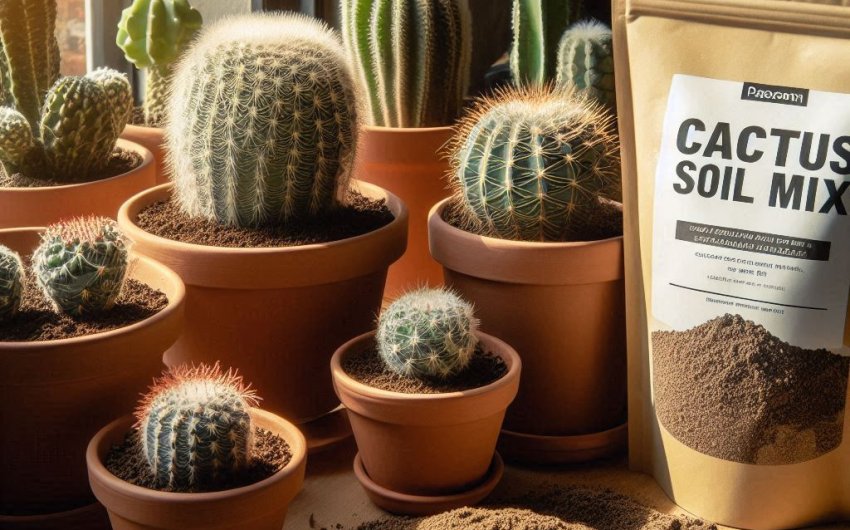
Finding the best soil mix for growing cacti indoors is crucial for the health and longevity of these unique desert plants. Unlike most houseplants, cacti are incredibly sensitive to excess moisture around their roots, which can quickly lead to rot and plant death. A specialized cacti soil mix provides the fast drainage and aeration they need to mimic their arid natural habitats. Understanding the components of an ideal mix and how to combine them will empower you to create the perfect growing environment, ensuring your indoor cacti thrive and flourish for years to come.
Why Can't I Use Regular Potting Soil for Cacti?
The most common mistake when growing cacti indoors is using standard potting soil. While convenient, regular potting soil is designed to retain moisture for plants that require consistent hydration, which is the exact opposite of what cacti need.
The Problem with Moisture Retention
Standard potting mixes are typically made from a high percentage of organic materials like peat moss, coir, and compost. These ingredients excel at holding water, which is great for leafy houseplants but disastrous for cacti.
- Root Rot: Cacti roots are adapted to quickly absorb water during infrequent rainfall and then dry out completely. If their roots remain wet for too long, they suffocate and quickly succumb to root rot, a fungal disease that can kill a cactus within days.
- Lack of Aeration: Highly organic soils can become compacted, reducing air pockets around the roots. Cacti roots need excellent aeration to prevent root rot and allow healthy respiration.
- Nutrient Levels: Regular potting soils often contain added fertilizers, which can be too rich for cacti and lead to stretched, weak growth or nutrient burn.
Mimicking Natural Habitats
Cacti primarily originate from arid and semi-arid regions, where they grow in sandy, rocky, and gravelly soils. These soils are inherently well-drained and allow water to pass through quickly, drying out rapidly after rain. The goal of cacti soil mix is to replicate these specific conditions indoors, promoting root health and preventing the issues associated with prolonged moisture.
What Are the Key Characteristics of Ideal Cactus Soil?
The best soil mix for growing cacti indoors must possess specific characteristics that support their unique physiological needs. These characteristics prioritize drainage, aeration, and stability over moisture retention.
Excellent Drainage
This is the absolute most critical characteristic. When you water your cactus, the water should flow quickly through the soil and out the drainage holes within seconds.
- Prevents Waterlogging: Fast drainage ensures that water doesn't sit around the roots, eliminating the primary cause of root rot.
- Mimics Arid Conditions: Replicates the rapid drying cycles found in their natural desert environments.
Superb Aeration
Plenty of air pockets within the soil are vital for healthy cactus roots.
- Root Respiration: Roots, like all living tissues, need oxygen to respire and function correctly. Lack of oxygen due to compacted, waterlogged soil will quickly lead to root death.
- Discourages Anaerobic Bacteria: Good aeration prevents the growth of harmful anaerobic bacteria and fungi that thrive in oxygen-deprived, wet conditions.
Low Organic Matter
While a small amount of organic material is necessary to hold some moisture and nutrients, the overall percentage should be significantly lower than in regular potting mixes.
- Reduced Water Retention: Less organic matter means less moisture is held, promoting faster drying.
- Prevents Compaction: Organic materials decompose over time, leading to compaction. Mineral components resist decomposition and maintain soil structure.
Good Mineral Content
Mineral components are crucial for drainage and aeration, and they don't break down over time.
- Structural Stability: Provide a stable structure for the roots to anchor, without compacting.
- Won't Decompose: Unlike organic materials, mineral components don't decompose, which helps maintain the soil's structure and drainage properties long-term.
pH Level
Most cacti prefer a slightly acidic to neutral pH, typically between 6.0 and 7.0. Many of the recommended mineral components naturally fall within this range.
What Are the Essential Ingredients for a DIY Cactus Soil Mix?
Creating your own cactus soil mix gives you complete control over the components, allowing you to tailor it to your specific cacti and growing environment. Here are the essential ingredients:
Organic Components (For Structure and Minimal Moisture)
- Peat Moss (Sphagnum or Coco Coir): These provide a small amount of water retention and a slightly acidic base.
- Sphagnum Peat Moss: Widely available. Look for unfertilized sphagnum peat moss to avoid added nutrients that can harm cacti.
- Coco Coir: A sustainable alternative to peat moss. Ensure it's low in salts. It's often sold as a compressed brick that needs to be rehydrated.
Inorganic/Mineral Components (For Drainage and Aeration)
These are the unsung heroes of cacti soil, providing the critical drainage and aeration.
- Perlite: Lightweight, white, volcanic glass that is heat-expanded. It creates air pockets and improves drainage. Use a coarse grade if possible. Hoffman Perlite is a common brand.
- Pumice: A lightweight, porous volcanic rock. It provides excellent aeration and drainage and holds some moisture and nutrients in its porous structure without becoming waterlogged. Many consider pumice superior to perlite because it doesn't float to the top of the pot when watered. Horticultural pumice is widely available.
- Coarse Sand: Not just any sand! You need horticultural sand or coarse construction sand that has been washed to remove fine particles and salts. Avoid play sand, beach sand, or builder's sand, as they are too fine and can compact. Sand adds weight and improves drainage.
- Grit/Gravel: Small, angular gravel (like chicken grit or small crushed granite) provides excellent drainage and aeration and adds stability to the pot. It's often used as an alternative to or in addition to coarse sand.
- Calcined Clay (Turface, Akadama): These are baked clay particles that are highly porous, providing excellent aeration and water absorption, and releasing moisture slowly. Often used in bonsai mixes, they are excellent for cacti. Turface MVP is a popular brand.
- Crushed Lava Rock: Similar to pumice, but often denser and darker. It also provides excellent drainage and aeration.
Ingredients to AVOID
- Regular Garden Soil: Too heavy, too much clay, too much organic matter.
- Compost or Manure: Too rich in nutrients, can burn roots.
- Vermiculite: While good for moisture retention, it's too moisture-retentive for cacti and can break down too quickly.
- Fine Sand (Play Sand/Beach Sand): These compact easily and prevent drainage.
What Are Some Popular DIY Cactus Soil Mix Recipes?
There isn't one single "best" recipe for cactus soil mix, as needs can vary slightly based on your climate, watering habits, and the specific cactus species. However, these common recipes provide excellent starting points.
The Basic 1-1-1 Mix
This is a great all-around mix, easy to remember and effective for most common cacti and succulents.
- 1 part Organic Component (e.g., unfertilized sphagnum peat moss or coco coir)
- 1 part Perlite (or pumice for better results)
- 1 part Coarse Sand (or grit/small gravel)
How to Mix: Simply combine equal volumes of each ingredient in a large bucket or container. Mix thoroughly until evenly distributed.
The Gritty Mix (More Advanced)
This mix is highly favored by many experienced cactus growers, especially for rare or sensitive species, or if you tend to overwater. It prioritizes maximum drainage and aeration. It's often recommended for plants that rot easily.
- 1 part Coarse Inorganic Component (e.g., pumice, lava rock, akadama, or turface)
- 1 part Inorganic Component (e.g., Horticultural pumice, perlite, coarse sand)
- 1 part Smaller Inorganic Component (e.g., chicken grit, small crushed granite, or coarse sand)
Note: This mix contains very little or no organic matter, meaning it holds almost no moisture. This requires more frequent watering but eliminates almost all risk of root rot from overwatering.
Customizing Your Mix
You can adjust these ratios based on your specific needs:
- For plants that need a bit more moisture (e.g., forest cacti like Christmas cactus): Increase the organic component slightly (e.g., 2 parts organic, 1 part perlite, 1 part sand).
- For plants prone to rot or if you live in a humid climate: Increase the inorganic components (e.g., 1 part organic, 2 parts perlite, 2 parts sand/pumice).
- For larger, top-heavy cacti: Adding a bit more coarse sand or grit will add weight to the pot, making it more stable.
Always perform a "drainage test" with your mix before planting. Fill a pot with your mix and water it. The water should drain quickly and freely from the bottom. If it pools, add more inorganic components.
How Do I Pot a Cactus Properly for Optimal Growth?
Once you have your ideal cacti soil mix, proper potting technique is essential to ensure your plant thrives. This involves choosing the right pot and following specific steps to minimize stress.
Choosing the Right Pot
- Drainage Holes: This is non-negotiable. Your pot must have at least one large drainage hole at the bottom. Without proper drainage, even the best cactus soil mix will fail.
- Material:
- Terracotta/Unglazed Ceramic: These are excellent choices. Their porous nature allows air and moisture to pass through, promoting faster drying of the soil, which is ideal for cacti. They are also heavy and stable for top-heavy plants.
- Plastic Pots: Can also work, but because they are non-porous, the soil will dry out more slowly. If using plastic, ensure extra drainage material in your mix and be more cautious with watering.
- Size: Choose a pot that is just slightly larger than the cactus's root ball. Cacti generally prefer to be a bit root-bound.
- Too Large: A pot that is too large will hold excess soil that dries out slowly, increasing the risk of root rot.
- Depth: For tap-rooted cacti, a slightly deeper pot is beneficial. For fibrous-rooted cacti, a shallower pot may suffice.
Step-by-Step Potting Guide
- Gather Materials:
- Your chosen cactus or succulent.
- Your custom or purchased cactus soil mix.
- A clean pot with drainage holes.
- Gloves (especially for spiny cacti!).
- Newspaper or a tarp for cleanup.
- Small trowel or scoop.
- Chopsticks or a similar tool for tamping.
- Prepare the Pot:
- If using a used pot, ensure it's thoroughly cleaned and sterilized (a bleach solution followed by a good rinse is effective) to prevent disease transmission.
- Do NOT put gravel or pot shards at the bottom of the pot. This common myth actually hinders drainage by creating a "perched water table" and reduces the amount of usable soil for the roots. Just place a screen over the drainage hole to prevent soil loss.
- Prepare the Cactus:
- Carefully remove the cactus from its old pot. If it's pot-bound, gently loosen the roots without damaging them.
- Inspect the roots for any signs of rot (mushy, black, or foul-smelling parts). Trim away any diseased roots with a clean, sharp knife. Allow any cut surfaces to callus (dry and heal) for a day or two before repotting to prevent infection.
- Add Soil:
- Add a layer of your cactus soil mix to the bottom of the new pot, enough so that the base of the cactus will sit at the same level as it was in its previous pot, or slightly below the rim of the new pot.
- Position the Cactus:
- Place the cactus in the center of the pot, ensuring its base is at the appropriate level.
- Fill with Soil:
- Carefully fill around the roots with the cactus soil mix, using your fingers or a small scoop.
- Gently tap the pot on a hard surface or use a chopstick to settle the soil, ensuring there are no large air pockets. Do not pack the soil down too tightly, as this will reduce aeration.
- Top Dressing (Optional but Recommended):
- Add a layer (about 1/4 to 1/2 inch) of decorative top dressing like small gravel, pebbles, or coarse sand. This serves several purposes:
- Keeps the base of the cactus dry, preventing rot.
- Reduces splashing of soil onto the plant during watering.
- Adds an aesthetic, finished look.
- Helps stabilize top-heavy plants.
- Prevents fungus gnats by creating a dry layer.
- Add a layer (about 1/4 to 1/2 inch) of decorative top dressing like small gravel, pebbles, or coarse sand. This serves several purposes:
- Post-Potting Care:
- Do NOT water immediately after repotting. Wait at least 3-7 days (or even longer, up to a week or two for sensitive species or if you trimmed roots). This allows any damaged roots to heal and reduces the risk of root rot.
- Place the newly potted cactus in a bright spot, but avoid intense direct sunlight for the first week or two to allow it to acclimate.
By following these steps, you'll provide your cactus with a healthy start in its new home, setting it up for successful indoor growth.
What Are Some Common Brands of Pre-Made Cactus and Succulent Soil Mixes?
While making your own cactus soil mix provides ultimate control, there are many reputable pre-made options available that can save you time and effort. These are generally formulated to provide the drainage and aeration that cacti require.
Popular and Reliable Brands
- Miracle-Gro Cactus, Palm & Citrus Potting Mix: Despite the general recommendation to avoid Miracle-Gro products for carnivorous plants, their cactus mix is a widely available and generally acceptable option for cacti and succulents. It's often one of the easiest to find at local garden centers. However, some experienced growers still prefer to amend it with extra perlite or pumice to enhance drainage even further, as it can still be a bit too moisture-retentive straight out of the bag for some cacti.
- Hoffman Organic Cactus and Succulent Soil Mix: This brand is often praised for its good drainage properties and suitability for cacti. It's usually available at independent garden centers or online.
- Bonsai Jack Succulent and Cactus Soil: This brand offers a "gritty mix" which is very popular among serious succulent and cactus collectors. It contains little to no organic matter and is primarily composed of inorganic materials like akadama, pumice, and lava rock. This mix provides exceptional drainage and aeration, making it ideal for rot-prone species and those who tend to overwater. It's often available on Amazon, such as Bonsai Jack Succulent and Cactus Soil.
- Black Gold Cactus Mix: Another well-regarded brand known for its good drainage and aeration properties, suitable for a wide range of cacti and succulents.
- Fat Plants San Diego Cactus & Succulent Soil: This brand often emphasizes high-quality, professional-grade ingredients designed for robust plant health.
- Other Regional/Local Brands: Many local nurseries or garden centers may carry their own proprietary cactus and succulent mixes. Ask staff for recommendations.
Tips When Buying Pre-Made Mixes
- Read the Ingredients List: Even if it says "cactus mix," check the ingredients. Look for a high percentage of inorganic materials like perlite, pumice, sand, or grit. If the first ingredient is peat moss or compost, you might want to amend it.
- Feel the Mix: If possible, feel the texture. It should feel gritty and airy, not dense or squishy.
- Amend if Necessary: Don't be afraid to amend a pre-made mix. If it seems too dense or too moisture-retentive, mix in an additional 20-50% of perlite, pumice, or coarse sand. This is a common practice even with specialized mixes to fine-tune them for your specific conditions.
- Consider Your Watering Habits: If you tend to be a more frequent waterer, lean towards mixes with even better drainage (more inorganic components). If you are very careful with watering, a slightly more organic mix might be acceptable.
Choosing a quality pre-made cactus soil mix is a convenient way to ensure your indoor cacti have the best start, without the need to source individual components. However, always be prepared to amend it if your plants show signs of struggle.
How Does Soil Relate to Proper Watering for Cacti?
The relationship between cacti soil mix and watering is symbiotic; one cannot function effectively without the other. An ideal soil mix facilitates proper watering, which in turn prevents the most common cause of cactus death: root rot.
The "Soak and Dry" Method
This is the golden rule of watering for almost all cacti grown in appropriate soil mixes.
- Soak: When you water, do it thoroughly. Pour water over the entire soil surface until it drains freely from the bottom of the pot. This ensures that all roots get a drink.
- Dry: Allow the soil to dry out completely before watering again. This is where the excellent drainage of your cactus soil mix comes into play. The mix should allow the water to drain quickly and then dry out within a few days to a week, depending on conditions.
Why Fast Drying is Crucial
- Prevents Root Rot: As discussed, prolonged wetness is lethal to cacti roots. The fast-drying nature of cactus soil ensures the roots get the oxygen they need between waterings.
- Mimics Desert Rains: In nature, cacti experience heavy, infrequent rains followed by long periods of drought. The soak and dry method perfectly replicates this cycle.
- Reduces Fungal Issues: Dry soil between waterings greatly reduces the risk of fungal diseases that thrive in damp conditions.
How to Tell When to Water Again
- Weight of the Pot: A dry pot will feel significantly lighter than a recently watered one. This is a reliable indicator once you get used to it.
- Feel the Soil: Stick your finger about an inch or two into the soil. If it feels dry, it's likely time to water. For larger pots, a moisture meter can be helpful, but also trust your judgment.
- Observe the Plant: While less reliable for daily watering cues, a shriveling or wrinkling cactus is a sign of severe underwatering. This usually indicates you've waited too long.
Seasonal Adjustments to Watering
Even with the best cactus soil, your watering frequency will need to change with the seasons.
- Growing Season (Spring and Summer): This is when most cacti are actively growing. They will need more frequent watering, typically every 2-4 weeks, depending on heat, light, and humidity.
- Dormancy (Fall and Winter): Most cacti enter a period of dormancy during cooler, darker months. Their water needs drastically decrease. Reduce watering significantly, often to once a month or even less, for hardy desert cacti. Some truly cold-hardy species may not need any water at all during their winter rest.
By coupling the perfect cacti soil mix with diligent "soak and dry" watering, you create the optimal environment for your indoor cacti to flourish, avoiding the common pitfalls that lead to root rot and ensuring they remain healthy and vibrant for many years. Providing the best soil mix for growing cacti indoors is fundamental to their survival and thriving. This specialized medium ensures the rapid drainage and excellent aeration that their roots require, preventing common issues like root rot and mimicking their natural arid habitats. By carefully selecting and combining the right organic and inorganic components, or by choosing a high-quality pre-made blend and understanding how it relates to proper watering techniques, you'll be well on your way to a flourishing indoor cactus collection.