
How Can I Make My Pothos Grow Faster and Fuller?
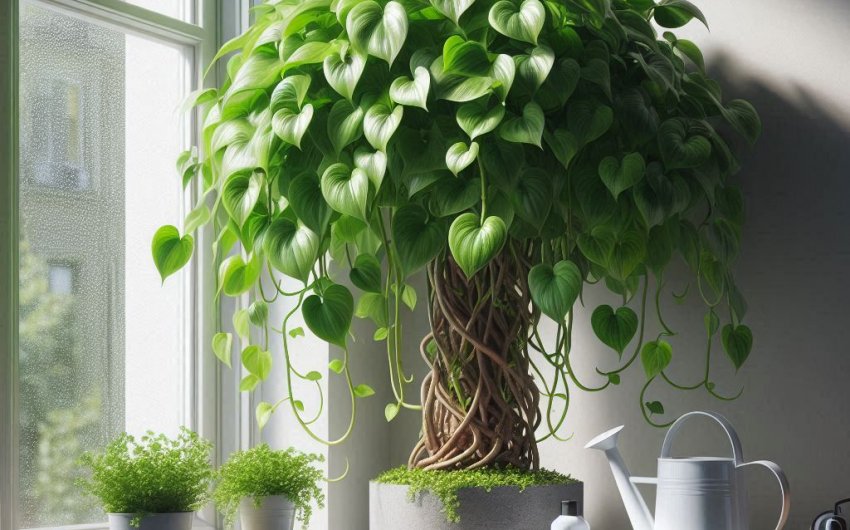
Unlocking the secrets of how can I make my Pothos grow faster and fuller is a rewarding journey for any houseplant enthusiast. While Pothos (Epipremnum aureum) are famously easy-care and adaptable, encouraging them to truly flourish into lush, sprawling specimens requires understanding and optimizing their core needs. By fine-tuning environmental conditions and implementing specific cultural practices, you can transform a straggly vine into a vibrant, bushy cascade of foliage, enhancing both its growth rate and overall density.
What is a Pothos, and why is it so popular?
The Pothos plant, scientifically known as Epipremnum aureum, is one of the most beloved and widely grown houseplants in the world. It's often referred to by common names like "Devil's Ivy" (because it's almost impossible to kill and stays green even in the dark) or "Money Plant." Its popularity stems from a remarkable combination of ease of care, versatility, and attractive foliage.
What makes Pothos a great houseplant?
- Ease of Care (Beginner-Friendly): Pothos are incredibly forgiving plants. They tolerate a wide range of conditions, from low light to bright indirect light, and can withstand some neglect. This makes them an ideal choice for new plant parents or those with busy lifestyles.
- Adaptability: Pothos can be grown in various ways. They look stunning as a trailing plant cascading from a hanging basket or shelf. They can be trained to climb a moss pole or trellis, mimicking their natural growth habit where they climb trees in rainforests. They can even thrive in water for extended periods.
- Attractive Foliage: Pothos leaves are typically heart-shaped and glossy, coming in a variety of beautiful variegations.
- Golden Pothos: The most common, with splashes of yellow or gold on green leaves.
- Marble Queen Pothos: Heavily variegated with white or cream.
- Jade Pothos: Solid dark green.
- Neon Pothos: Vibrant chartreuse or lime green.
- N'Joy Pothos / Pothos Pearls and Jade: Varieties with distinct white and green patterns. These variations add visual interest and can brighten up any indoor space.
- Air Purification: Pothos is one of the plants noted by NASA's Clean Air Study for its ability to remove common indoor air toxins like formaldehyde, benzene, and xylene.
- Propagation Ease: Pothos is incredibly easy to propagate from stem cuttings, allowing you to create new plants from your existing one and share them with friends.
Why does a Pothos sometimes grow slowly or become leggy?
While generally easy, a Pothos might not always grow as fast or full as desired. Common reasons for slow or leggy growth include:
- Insufficient Light: This is the most common reason. While Pothos tolerates low light, it doesn't thrive in it. In dim conditions, stems will stretch out with widely spaced, smaller leaves as the plant searches for light.
- Lack of Nutrients: Over time, potting mix becomes depleted of nutrients. Without adequate feeding, growth will slow.
- Infrequent Watering (or improper watering): While Pothos don't like soggy soil, prolonged dryness can also slow down growth. Root issues from chronic overwatering can also stunt growth.
- Root-Bound: If the plant has outgrown its pot, its roots become too dense, restricting water and nutrient uptake, leading to stunted growth.
- Lack of Pruning: Without occasional pruning, Pothos will send out long, singular vines, becoming "leggy" rather than bushy and full.
- Temperature Stress: Extreme cold or hot drafts can slow down growth.
- Old Potting Mix: Over time, potting mix can break down and lose its aeration and drainage capabilities, hindering root health.
Understanding these factors is crucial for implementing strategies that will indeed make my Pothos grow faster and fuller, transforming it into the lush specimen you envision.
What is the ideal light for fast Pothos growth?
While a Pothos plant can tolerate low light, to truly make my Pothos grow faster and fuller, providing the right amount of light is arguably the most impactful factor. Light is the energy source for a plant's growth.
How much light does a Pothos actually need to thrive?
The ideal condition for robust Pothos growth is bright, indirect light.
- Bright: This means the area is well-lit, but the sun's rays don't directly hit the leaves for prolonged periods.
- Indirect: The light is filtered or reflected.
- Optimal Placement:
- East-facing window: Often ideal, providing gentle morning sun.
- A few feet away from a south or west-facing window: These windows receive stronger, more intense light, so placing the plant back a bit prevents scorching.
- Filtered light: If placing directly in a south or west window, use a sheer curtain to diffuse the light.
What are the signs of incorrect light levels?
- Too Little Light:
- Leggy growth: Long stems with leaves spaced far apart.
- Small leaves: New leaves are noticeably smaller than older ones.
- Reduced variegation: Variegated varieties (like Marble Queen or Golden Pothos) will revert to more solid green leaves as they try to produce more chlorophyll to compensate for lack of light.
- Slow or stagnant growth: The plant simply doesn't seem to be growing.
- Yellowing: While often linked to overwatering, very prolonged low light can also contribute to overall pale or yellowing leaves.
- Too Much Direct Sun:
- Scorched or bleached leaves: Yellow or white patches, or crispy brown spots, often on the parts of the leaves exposed directly to the sun.
- Faded variegation: While lack of light reduces variegation, too much sun can make variegated areas look bleached out or washed out.
How can I provide supplemental lighting?
If your home doesn't offer enough natural bright, indirect light, supplemental lighting can dramatically boost your Pothos plant's growth.
- LED Grow Lights: These are energy-efficient and effective. Look for "full-spectrum" LEDs designed for indoor plants.
- Placement: Hang the grow light a few feet above your Pothos (follow manufacturer recommendations).
- Duration: Provide 12-16 hours of light per day. Use a timer for consistency.
- Light Rotation: If you have only one good spot, periodically rotate your Pothos so all sides get adequate light, encouraging balanced growth.
By optimizing the light conditions for your Pothos plant, you are providing it with the essential energy needed to truly grow faster and fuller, producing a more vibrant and dense display of foliage.
How do watering and humidity affect Pothos growth?
While light is critical, proper watering and humidity are equally vital for ensuring a Pothos plant thrives, promoting both fast and full growth while preventing common issues like root rot.
What is the ideal watering schedule for Pothos?
The most common mistake with Pothos is overwatering. While they like consistent moisture, they absolutely hate sitting in soggy soil.
- The "Soak and Dry" Method: This is the golden rule for Pothos.
- Check Soil Moisture: Stick your finger about 2-3 inches deep into the potting mix.
- Water Only When Dry: If the soil feels dry at that depth, it's time to water thoroughly. If it feels even slightly damp, wait a few more days.
- Water Thoroughly: Pour water slowly and evenly over the entire surface of the potting mix until you see it draining from the bottom of the pot.
- Discard Excess: Crucially, empty any collected water from the saucer or decorative outer pot after about 15-30 minutes. Never let the plant sit in standing water.
- Frequency Varies:
- Season: Pothos needs more frequent watering in spring and summer (active growing season) and significantly less in fall and winter (dormancy).
- Light: Plants in brighter light dry out faster than those in low light.
- Pot Material: Terra cotta pots are porous and dry faster than plastic or glazed ceramic pots.
- Pot Size: Smaller pots dry faster than larger pots.
- Signs of Overwatering: Yellowing leaves (often starting older ones, but can affect new growth if severe), mushy stems, rotten smell from soil, fungus gnats.
- Signs of Underwatering: Crispy leaf edges/tips, drooping, curling leaves.
Why is humidity beneficial for Pothos?
Pothos are native to tropical rainforests, so they appreciate higher humidity, though they are quite adaptable to average household levels. Providing more humidity can encourage larger leaves and overall lusher growth, especially if your indoor air is very dry.
- Benefits of Higher Humidity:
- Encourages larger, healthier leaves.
- Reduces stress from dry air.
- Helps prevent crispy leaf edges/tips.
- Can deter some pests like spider mites that thrive in dry conditions.
- How to Increase Humidity:
- Humidifier: The most effective method is to use a room humidifier near your plants.
- Pebble Tray: Place the pot on a pebble tray filled with water. As the water evaporates, it increases localized humidity around the plant. Ensure the pot doesn't sit in the water.
- Group Plants: Grouping plants together naturally raises the humidity in their immediate vicinity through transpiration.
- Misting (Limited Effect): Misting provides a very temporary humidity boost and can sometimes encourage fungal issues if air circulation is poor. If you mist, use filtered water to avoid mineral spots and mist the air around the leaves, not just directly on them.
By carefully managing watering to prevent root rot and providing adequate humidity, you create an optimal environment for your Pothos plant to develop a robust root system and vibrant foliage, directly contributing to its ability to grow faster and fuller.
How do soil, nutrients, and pot size affect Pothos growth?
Beyond light and water, the medium your Pothos plant grows in, the nutrients it receives, and the size of its home all play crucial roles in determining how fast and full it becomes.
What is the ideal potting mix for Pothos?
The right potting mix provides the perfect balance of moisture retention and drainage, preventing root problems and supporting healthy growth.
- Key Characteristics:
- Well-Draining: Essential to prevent waterlogging and root rot.
- Aerated: Allows oxygen to reach the roots.
- Retains Some Moisture: Enough to keep roots hydrated between waterings.
- Components of a Good Mix:
- High-Quality Houseplant Potting Mix: Start with a good, all-purpose houseplant potting mix.
- Perlite: Amend your potting mix with 20-30% perlite to significantly improve drainage and aeration. This is especially important if your chosen potting mix feels heavy or dense.
- Orchid Bark (Optional): A small amount of orchid bark can also be added for extra aeration and mimic its epiphytic nature.
- Avoid: Heavy garden soil (compacts in pots), mixes with too much peat moss (can become waterlogged then hydrophobic), or mixes without sufficient drainage components.
How do nutrients impact growth?
A Pothos plant needs a steady supply of nutrients for vigorous growth. If your plant isn't growing well despite good light and water, a lack of food might be the culprit.
- When to Fertilize: Fertilize primarily during the active growing season (spring and summer), typically every 2-4 weeks. Reduce or stop fertilizing in fall and winter when growth slows.
- Type of Fertilizer:
- Balanced Liquid Fertilizer: Use a balanced liquid houseplant fertilizer (e.g., NPK ratios like 5-5-5 or 10-10-10). Pothos generally aren't fussy.
- Organic Options: Fish emulsion or liquid kelp are good organic choices, providing gentle, broad-spectrum nutrients.
- Dilution is Key: Always dilute the fertilizer to half-strength or even quarter-strength of the manufacturer's recommendations. Pothos are not heavy feeders, and over-fertilizing can lead to fertilizer burn (crispy, brown edges on leaves) or salt buildup in the soil.
- Water First: Always water your Pothos with plain water before applying liquid fertilizer to avoid root burn.
- Repotting: Even with regular feeding, the potting mix eventually breaks down and becomes depleted. Repotting your Pothos into fresh potting mix every 1-2 years replenishes essential nutrients and improves soil structure.
How does pot size affect growth?
The size of the pot plays a significant role in a Pothos plant's growth.
- Too Small (Root-Bound): If a Pothos is severely root-bound (roots circling extensively, growing out of drainage holes), its growth will slow down or stop, and leaves may become smaller or yellow. The roots can't absorb enough water or nutrients to support new growth.
- Too Large: Planting a small Pothos in a much too large pot can lead to overwatering issues. A large volume of soil will retain moisture for too long, potentially leading to root rot before the roots can spread to fill the space.
- Ideal Pot Size: When repotting, only go up by one pot size (1-2 inches larger in diameter). This provides enough new space for roots to grow without overwhelming the plant with too much moist soil.
By providing an aerated, well-draining potting mix, consistent (but dilute) fertilization, and the right-sized pot, you are giving your Pothos plant the optimal physical and nutritional foundation to truly grow faster and fuller.
How do pruning and propagation make a Pothos fuller?
While light, water, and nutrients drive overall growth, pruning and propagation are the secret weapons for transforming a leggy Pothos plant into a lush, full, and bushy specimen. These techniques encourage branching and increase plant density.
How does pruning make a Pothos fuller?
Pruning is crucial for encouraging a bushier growth habit in your Pothos plant. Left unpruned, Pothos tends to send out long, singular vines with increasingly spaced-out leaves, especially if light isn't perfectly uniform.
- The Science Behind It: When you cut a vine, you remove the apical meristem (the growing tip) which produces a hormone called auxin. Auxin suppresses the growth of lateral buds (dormant buds along the stem). By removing the apical meristem, you reduce auxin, allowing those lateral buds to "wake up" and sprout, producing new vines. More vines equal a fuller plant.
- Where to Cut:
- Locate a node on the stem (this is where a leaf attaches to the stem, and where the new root will grow from if propagating).
- Make a clean cut about 1/4 to 1/2 inch above a node or just below a node.
- How Often:
- Regular Pinching: For a truly bushy plant, regularly pinch off the tips of new vines (just above a node) when they are a few inches long. This encourages continuous branching.
- Hard Pruning: For very long, leggy vines, you can perform a harder prune, cutting them back significantly to just a few inches from the base of the plant. This is best done in spring or early summer when the plant is actively growing. Don't be afraid; Pothos are very resilient!
- Benefits of Pruning:
- Bushier Growth: Directly leads to multiple new vines sprouting, increasing density.
- Healthier Plant: Removes old, tired, or leggy growth, redirecting energy to vibrant new foliage.
- Maintains Shape and Size: Keeps your Pothos manageable and aesthetically pleasing.
- Provides Cuttings for Propagation: All those trimmed pieces can become new plants!
How does propagation lead to a fuller plant?
Propagation takes the concept of pruning a step further. Instead of just letting the new vines emerge from the original plant, you use the pruned cuttings to create entirely new plants that can then be planted back into the same pot as the mother plant.
- Propagating Pothos Cuttings:
- Take Cuttings: From your pruned vines, cut sections that have at least 1-2 nodes (where leaves were attached) and 1-2 leaves at the top. Remove any leaves that would be submerged in water.
- Water Propagation: Place the cuttings in a jar or vase of clean water, ensuring at least one node is submerged. Change the water every few days to keep it fresh.
- Rooting: Roots should begin to emerge from the nodes within a few weeks. Wait until the roots are at least 1-2 inches long.
- Plant Back into the Pot: Once the cuttings have a good root system, plant them directly back into the soil of the mother plant's pot. Plant them around the edges of the pot or in any bare spots.
- Benefits of Propagation for Fullness:
- Increased Density: By adding new, rooted cuttings to the original pot, you are physically adding more plants, instantly making the pot look much fuller and lusher.
- Filling Bare Spots: This is especially useful for filling in any areas where the plant has become thin or where older leaves have dropped.
- Continuous Refreshment: Regular propagation and adding new plants ensures a perpetually full and vibrant Pothos plant.
By actively pruning your Pothos plant to encourage branching and by strategically propagating cuttings to plant back into the same pot, you can dramatically make my Pothos grow faster and fuller, transforming it into a magnificent, overflowing cascade of green.
What other tips promote faster and fuller Pothos growth?
Beyond the core elements of light, water, nutrients, and pruning, a few additional tips and tricks can help your Pothos plant reach its full potential, promoting even faster and fuller growth.
How can supporting a Pothos encourage larger leaves?
In their natural habitat, Pothos are climbing vines. When they climb upwards, their leaves tend to get significantly larger, often developing fenestrations (splits or holes) in very mature plants, especially the 'Pothos Epi' or 'Pothos N'Joy' varieties.
- Moss Pole or Trellis: Provide a vertical support structure like a moss pole or a small trellis.
- Train Vines Upwards: Gently guide and secure the Pothos vines to the support using plant clips or soft ties.
- Why it works: As the vines grow upwards and root into the moss pole (if applicable), they perceive themselves as climbing towards stronger light, triggering a natural response to produce larger, more mature leaves. This creates a denser, more impressive display than simply letting them trail.
What about air circulation and cleanliness?
These often-overlooked factors contribute to overall plant health, indirectly supporting vigorous growth.
- Good Air Circulation: Ensure your Pothos plant isn't in a completely stagnant corner. Gentle air movement helps strengthen stems, reduces the risk of fungal diseases (especially in humid environments), and aids in transpiration. Avoid placing it in front of harsh, direct vents.
- Dusting Leaves: Periodically wipe down the large, glossy leaves with a damp cloth.
- Why: Dust accumulates on leaves, blocking light absorption and hindering photosynthesis. Clean leaves are more efficient at producing energy for growth.
- Also: This is a good opportunity to inspect for pests.
Should I provide consistent temperatures?
Pothos prefer stable, warm temperatures, typically between 65-85°F (18-29°C).
- Avoid Extremes: Protect your Pothos from sudden temperature drops, cold drafts (from windows or exterior doors), or extreme heat. These stressors can slow down growth or even damage the plant.
- Consistent Environment: Place your Pothos in a spot where temperatures remain relatively stable throughout the day and night.
How can I deal with pests?
While generally resilient, a stressed Pothos plant can become susceptible to common houseplant pests like spider mites, mealybugs, or scale. These pests can suck sap from the plant, weakening it and slowing down growth.
- Regular Inspection: Periodically inspect your plant (especially the undersides of leaves and new growth) for any signs of pests.
- Prompt Treatment: If you spot pests, treat them immediately using organic options like insecticidal soap or neem oil spray. A healthy plant is less attractive to pests.
By integrating these additional tips into your routine, alongside optimizing light, water, and nutrients, you'll be well on your way to discovering precisely how can I make my Pothos grow faster and fuller, transforming it into a truly magnificent and lush centerpiece in your home.