
How Do I Care for a ZZ Plant in Low Light?
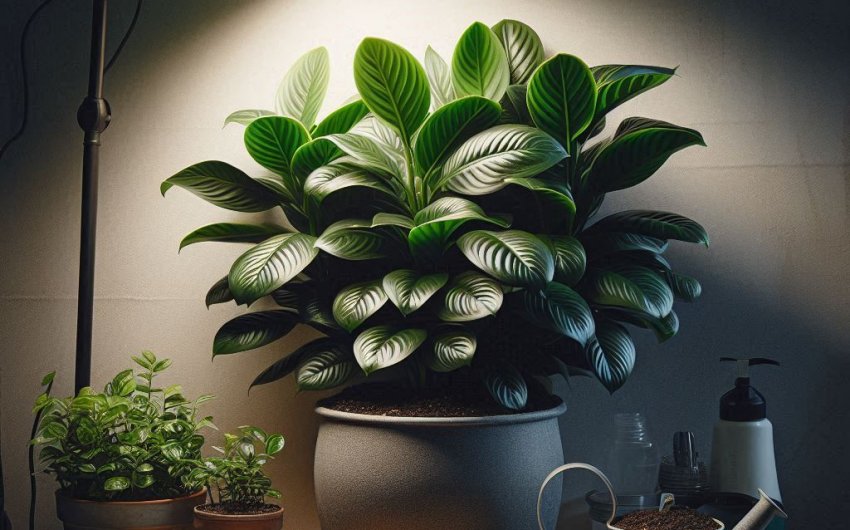
Caring for a ZZ Plant in low light conditions highlights this resilient houseplant's remarkable adaptability, making it an exceptional choice for dimly lit corners of your home or office. While these plants prefer brighter, indirect illumination, their ability to tolerate very limited light is a primary reason for their widespread popularity and reputation as virtually indestructible. Understanding how to adjust your watering, feeding, and overall care routine to accommodate these lower light levels is crucial for maintaining a healthy and thriving ZZ Plant.
What is a ZZ Plant and Why is it Popular?
The ZZ Plant (Zamioculcas zamiifolia), often called the Eternity Plant or Zanzibar Gem, is a robust and incredibly low-maintenance indoor plant. Native to dry grasslands and forests of eastern Africa, it has evolved unique adaptations that allow it to thrive in less-than-ideal conditions, including periods of drought and, notably, low light. Its popularity stems directly from its exceptional hardiness and striking appearance.
Characteristics of the ZZ Plant
- Foliage: Features thick, fleshy, dark green, glossy leaves arranged on long, upright, succulent-like stems. The leaves are typically symmetrical, giving the plant a structured, elegant look.
- Rhizomes: Below the soil line, the ZZ Plant has thick, potato-like rhizomes (underground stems) that store water and nutrients, allowing the plant to survive prolonged dry periods. This is its key adaptation for drought tolerance.
- Slow Growth: Generally a slow to moderate grower, especially in lower light conditions. New growth emerges as lighter green stems that gradually darken over time.
- Air Purifying: Like many houseplants, it contributes to improving indoor air quality.
- Varieties: While the classic dark green ZZ is most common, newer varieties like the 'Raven' ZZ (with near-black foliage) and 'Zenzi' ZZ (a dwarf, compact version) offer interesting alternatives. You can find a classic ZZ Plant or the dark 'Raven' ZZ Plant.
Why the ZZ Plant is So Popular
The ZZ Plant has rapidly become a favorite among both novice and experienced plant enthusiasts for several compelling reasons:
- Extreme Low Maintenance: It's often touted as one of the easiest houseplants to care for, forgiving neglect and resilient to various common mistakes.
- Drought Tolerance: Thanks to its water-storing rhizomes, it can go for weeks or even months without water, making it perfect for busy individuals or infrequent waterers.
- Low Light Tolerance: This is its standout feature. While it thrives in bright, indirect light, it can surprisingly endure dimly lit rooms where many other plants would simply perish. This adaptability makes it ideal for offices, hallways, or bathrooms with minimal natural light.
- Pest Resistance: Generally, ZZ Plants are not prone to common houseplant pests, further reducing maintenance.
- Attractive Appearance: Its sleek, modern, and lush green foliage complements almost any interior design aesthetic.
- Air Purifying Qualities: It's known to filter certain toxins from the air.
How Does Low Light Affect a ZZ Plant?
While a ZZ Plant in low light can survive, it's important to understand that this is a state of endurance, not necessarily optimal thriving. Low light conditions impact the plant's metabolic processes, primarily photosynthesis, which in turn affects its growth rate and overall vitality.
Understanding Photosynthesis and Light Requirements
- Photosynthesis: Plants use light energy, carbon dioxide, and water to create sugars (food) for growth. This process primarily happens in the leaves.
- Light Intensity: Different plants have different light requirements based on their natural habitat. ZZ Plants, while adaptable, naturally grow in areas with moderate to bright indirect light.
- Impact of Low Light: In low light, the rate of photosynthesis slows down significantly. The plant simply can't produce as much energy as it would in brighter conditions.
Visible Signs of a ZZ Plant in Low Light (Struggling)
While ZZ Plants are tolerant, prolonged or extremely low light can still lead to symptoms of stress.
- Stunted Growth: The most noticeable sign. The plant will grow much slower, producing fewer and smaller new stems.
- Leggy Growth: New stems may appear long and stretched with widely spaced leaves as the plant tries to reach for more light. This is called etiolation.
- Lighter Green Leaves/Stems: New growth may appear paler green or even yellowish, and might not darken to the typical deep green color.
- Yellowing Lower Leaves: While usually a sign of overwatering, very low light can also cause older, lower leaves to yellow and drop as the plant sacrifices them to conserve energy. This is usually accompanied by very slow growth overall.
- Lack of New Growth: If your ZZ Plant hasn't put out a new stem in a very long time, low light is a likely culprit.
Adapting Care for Low Light
The crucial adjustment when caring for a ZZ Plant in low light is to reduce your watering and, to a lesser extent, fertilizing frequency. The plant simply doesn't use as much water or nutrients when it's not actively photosynthesizing and growing vigorously.
- Reduced Water Needs: In low light, less water is lost through transpiration. The soil will stay wet for much longer, increasing the risk of root rot. This is the primary reason ZZ Plants often struggle in low light when paired with a "normal" watering schedule.
- Slower Nutrient Uptake: Less growth means fewer nutrients are being used, so frequent fertilization can lead to salt buildup and root burn.
- Slower Recovery: If stressed by other factors (like overwatering), a ZZ Plant in low light will take much longer to recover than one in brighter conditions.
Understanding these impacts will inform all aspects of your ZZ Plant care routine, making it suitable for its less-than-ideal low light environment.
How Do You Water a ZZ Plant in Low Light?
Adjusting your watering routine is the single most critical step when caring for a ZZ Plant in low light. Because the plant uses less water in dimmer conditions, the risk of overwatering and subsequent root rot dramatically increases. Err on the side of underwatering, as the ZZ Plant is much more forgiving of dryness than excess moisture.
The Dangers of Overwatering in Low Light
- Reduced Transpiration: In low light, the plant transpires (loses water through its leaves) much more slowly than in brighter conditions. This means the soil stays wet for a longer period.
- Oxygen Deprivation: When soil remains consistently wet, the air pockets within the potting mix become saturated with water. Plant roots need oxygen to respire and absorb water and nutrients. Without it, they literally drown and begin to rot.
- Root Rot: This is the ultimate consequence of overwatering, and it is the primary killer of ZZ Plants. Rotted roots turn black and mushy and can no longer transport water to the plant, leading to symptoms that ironically mimic underwatering (drooping, yellowing leaves) even when the soil is wet.
When to Water a ZZ Plant in Low Light
The best approach is to adopt a flexible watering schedule based on soil moisture, not a fixed calendar.
- The "Bone Dry" Rule: For a ZZ Plant in low light, wait until the soil is completely dry throughout the entire pot before watering again.
- Finger Test: Stick your finger 2-3 inches into the soil. If it feels moist, wait. For larger pots, you may need to go deeper or use a moisture meter.
- Weight Test: Lift the pot. When it's dry, it will feel surprisingly light. When watered, it will be noticeably heavier. This is an excellent indicator.
- Observation: The plant itself will sometimes show very subtle signs of thirst, like leaves feeling slightly less firm.
- Frequency: This can vary dramatically. In very low light, a ZZ Plant might only need water every 4-8 weeks, or even longer in cooler seasons. It is far better to wait too long than to water too soon.
How to Water a ZZ Plant in Low Light
When it's time to water, do so effectively to ensure deep hydration without leaving the plant waterlogged.
- Water Thoroughly: Pour water slowly and evenly over the entire soil surface until you see excess water draining out of the pot's drainage holes.
- Ensure Drainage: Crucially, ensure the pot has drainage holes. A ZZ Plant pot without proper drainage is a recipe for disaster in low light.
- Empty Saucer: Never let the plant sit in standing water in its saucer. After a few minutes, empty any collected water.
- Bottom Watering (Optional): If the soil has become very dry and compacted, or if it feels hydrophobic (repels water), you can bottom-water. Place the pot in a larger container filled with about 2-3 inches of water. Let the plant soak up water from the bottom for 30 minutes to an hour, or until the top of the soil feels moist. Then, remove the pot and let excess water drain away.
Signs of Overwatering vs. Underwatering (Low Light Context)
| Symptom | Likely Cause (Low Light) | Notes |
|---|---|---|
| Yellowing leaves (often lower), soft/mushy stems, stunted new growth, foul odor from soil | Overwatering | This is the most common and dangerous sign in low light. Check soil immediately. |
| Yellowing leaves (often lower), crispy/dry edges, shriveled stems, very light pot, soil pulls away from edges | Underwatering | While ZZ Plants tolerate drought, prolonged severe underwatering will also cause issues. The good news is they usually recover quickly with a good soak. |
By prioritizing less frequent, thorough watering and always checking the soil moisture, you can successfully maintain a healthy ZZ Plant in low light conditions.
What Kind of Soil and Pot Does a ZZ Plant Need in Low Light?
The type of potting mix and the choice of pot are crucial for a ZZ Plant in low light, directly impacting drainage and aeration. Because these plants are highly susceptible to root rot, especially when light levels are reduced and water consumption slows, providing an optimal growing medium is non-negotiable.
Choosing the Right Potting Mix
A ZZ Plant absolutely requires a well-draining potting mix that doesn't retain too much moisture. This is even more critical in low light conditions where the soil dries out much slower.
- Key Characteristics:
- Fast Draining: Water should flow through easily.
- Well-Aerated: Plenty of air pockets for roots to breathe.
- Not Too Rich: Avoid heavy, dense soils that compact easily.
- Ideal Blend: You can use a good quality cactus and succulent mix or amend a general-purpose potting mix.
- Commercial Cactus/Succulent Mix: These are usually pre-formulated to drain quickly.
- DIY Blend: Mix a general potting mix with additional perlite or coarse sand. A common ratio is 2 parts potting mix to 1 part perlite (or pumice). You could also add some orchid bark fines for extra chunkiness and drainage.
- Avoid:
- Garden Soil: Never use outdoor garden soil, as it compacts heavily and contains pathogens.
- Heavy Potting Mixes: Avoid anything labeled "moisture-retaining" or very dense, peaty mixes unless heavily amended.
Selecting the Right Pot
The pot's material and size play a significant role in how quickly the soil dries out, which is paramount for a ZZ Plant in low light.
- Drainage Holes (Non-Negotiable): Any pot you choose MUST have drainage holes at the bottom. Without them, water will sit stagnant, leading to root rot. If your decorative pot doesn't have holes, use a smaller plastic nursery pot with drainage inside the decorative one, allowing for easy removal and drainage after watering.
- Pot Material:
- Terracotta/Unglazed Ceramic: These are porous materials that wick moisture away from the soil, helping it dry out faster. This can be beneficial for ZZ Plants, especially if you tend to overwater or are keeping it in low light. A classic terracotta pot with drainage is often a good choice.
- Plastic/Glazed Ceramic: These materials are non-porous and retain moisture longer. While fine for a ZZ Plant if you are careful with watering, they demand even stricter attention to soil moisture levels in low light.
- Pot Size:
- Don't Over-pot: A common mistake is putting a small plant in a pot that is too large. Too much soil around the root ball holds excess moisture that the plant can't use quickly, increasing the risk of root rot, especially in low light.
- Rule of Thumb: Repot only when the plant is visibly root-bound (roots circling the bottom or coming out of drainage holes). When you do repot, choose a pot only 1-2 inches larger in diameter than the previous one.
Repotting a ZZ Plant in Low Light
- When: Repot only when necessary, typically every 2-3 years, or when you notice roots emerging from the drainage holes or severe root-boundness.
- Process:
- Gently remove the plant from its old pot.
- Carefully loosen any circling roots at the bottom.
- Plant in the new, slightly larger pot with fresh, well-draining potting mix.
- Avoid watering immediately after repotting for a few days, allowing any damaged roots to callous and reduce the risk of rot. Wait until the soil is dry before its first watering.
By providing the appropriate potting mix and choosing a suitable pot, you significantly reduce the risk of overwatering and create an optimal environment for your ZZ Plant to tolerate low light conditions.
How Do You Fertilize and Maintain a ZZ Plant in Low Light?
When caring for a ZZ Plant in low light, adjustments to your fertilization routine and general maintenance practices are just as important as mindful watering. Because growth is significantly slower in dim conditions, the plant's nutrient demands are reduced, and its overall care should reflect this slower pace.
Fertilizing a ZZ Plant in Low Light
Due to reduced growth and slower nutrient uptake, a ZZ Plant in low light requires very infrequent and light fertilization.
- Less is More: The biggest mistake is over-fertilizing. Too much fertilizer can lead to a buildup of salts in the soil, which can burn the roots and cause leaf yellowing or browning.
- Type of Fertilizer: Use a balanced liquid houseplant fertilizer (e.g., 20-20-20 or 10-10-10 NPK) or one slightly higher in nitrogen for foliage growth.
- Dilution: Always dilute the fertilizer to half or even quarter strength of the manufacturer's recommendations.
- Frequency:
- Growing Season (Spring/Summer): Fertilize only once every 2-3 months during its active growing period.
- Dormant Season (Fall/Winter): Do not fertilize at all when the plant's growth slows down significantly.
- Application: Apply fertilizer only when the soil is slightly moist, never to dry soil, to avoid root burn.
- Flushing: Periodically (once or twice a year), thoroughly flush the soil by watering deeply until water drains freely from the bottom for several minutes. This helps wash away any accumulated salts.
Ideal Light Conditions (vs. Tolerated Low Light)
While your ZZ Plant can tolerate low light, understanding its preferred conditions can help you maximize its potential.
- Bright, Indirect Light is Ideal: ZZ Plants thrive in bright, indirect sunlight. This means near an east or west-facing window, or a few feet away from a south-facing window with filtered light.
- Rotate Periodically: If your plant is in a consistently low light spot, rotate it every few weeks to ensure all sides receive some ambient light.
- Consider a Grow Light: If your space is extremely dark and you want to encourage more robust growth, a small LED grow light can provide supplemental light for a few hours a day.
Temperature and Humidity
ZZ Plants are quite tolerant of typical indoor temperatures and humidity levels.
- Temperature: They prefer temperatures between 65-80°F (18-27°C). Avoid exposing them to temperatures below 50°F (10°C) or sudden cold drafts, as this can cause leaf yellowing and drop. Keep them away from drafty windows or heating/AC vents.
- Humidity: While they originate from tropical regions, their waxy leaves and water-storing abilities make them highly tolerant of low indoor humidity. You don't need to mist them or provide extra humidity.
Pruning and Cleaning
- Pruning: ZZ Plants rarely need heavy pruning. You can prune off any yellowing, damaged, or leggy stems at the base using sharp, clean pruning shears. Pruning can encourage bushier growth.
- Cleaning Leaves: The glossy leaves can attract dust. Gently wipe them down with a damp cloth every few weeks to keep them clean and allow for optimal light absorption. This also helps you inspect for pests.
Pest and Disease Management
ZZ Plants are notably resistant to most common houseplant pests and diseases.
- Pests: Occasionally, spider mites or mealybugs might appear, especially if the plant is stressed. Inspect regularly. If found, treat with neem oil spray or insecticidal soap.
- Diseases: The primary disease concern is root rot, which is directly caused by overwatering. Ensuring proper watering and drainage is the best preventative measure.
By carefully adjusting your watering and fertilization, providing suitable light conditions, and maintaining basic hygiene, your ZZ Plant in low light will continue to be a beautiful and resilient addition to your indoor plant collection.