
What Are the Ideal Conditions for Growing an African Violet Indoors?
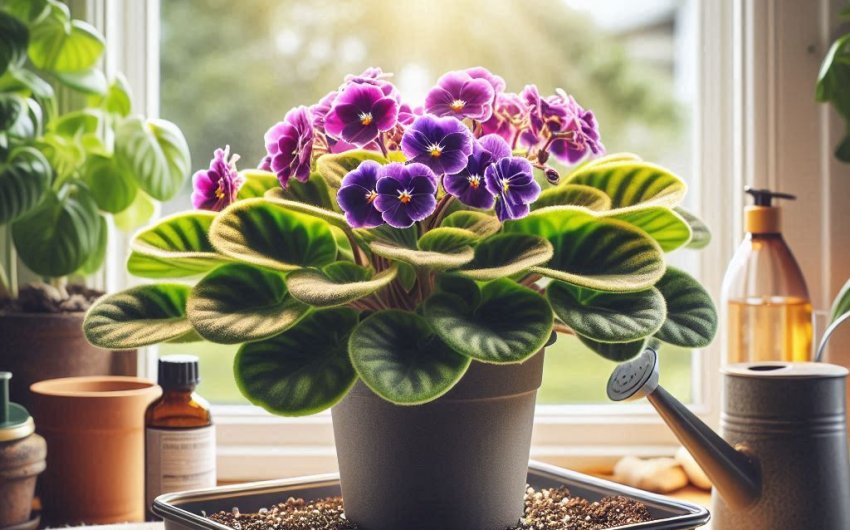
Cultivating the exquisite beauty of an African violet indoors can be a truly rewarding experience, especially when you understand its specific needs. To unlock continuous blooms and vibrant foliage, knowing what are the ideal conditions for growing an African violet indoors is paramount. These charming plants, native to the tropical cloud forests of East Africa, thrive when their environment closely mimics their natural habitat, making precise care crucial for their success.
What Are the Ideal Lighting Conditions for African Violets?
Lighting is arguably the most critical factor influencing an African violet's ability to bloom. Understanding what are the ideal conditions for growing an African violet indoors when it comes to light ensures your plant receives the energy it needs for vibrant flowers and healthy foliage.
African violets prefer bright, indirect light. This means plenty of light, but no direct, harsh sunlight, especially during the middle of the day.
Preferred Light Intensity
- Bright, Indirect Light: This is the sweet spot. Think of light coming through a sheer curtain, or a spot a few feet away from a sunny window. The light should be bright enough to cast a soft, diffused shadow, not a sharp, distinct one.
- Avoid Direct Sun: Direct sunlight, especially from south or west-facing windows, can scorch the delicate leaves of an African violet, leaving brown or yellow burn spots. It's like a sunburn for your plant.
- Avoid Low Light: While they won't die immediately in low light, they won't bloom either. Low light often leads to leggy growth, pale leaves, and a complete lack of flowers.
Best Window Orientations
- East-Facing Window: Often considered ideal. Provides gentle morning sun for a few hours, which is usually not too intense, followed by indirect light for the rest of the day.
- North-Facing Window: Can work, especially for standard varieties, but might be too dim in winter or if obstructions block light. Plants here may need to be closer to the window or supplemented with artificial light to bloom.
- South- or West-Facing Window: Excellent for brightness but requires careful shielding. Always use a sheer curtain or place the plant a few feet back from the window to diffuse the intense light.
Signs of Improper Lighting
Your African violet will tell you if its lighting isn't ideal:
- Too Much Light:
- Scorched or Bleached Leaves: Brown, crispy spots or a pale, yellowish-green hue on leaves.
- Yellow or Brown Centers: New growth in the center looks sickly or discolored.
- Stunted Growth: Plant seems to stop growing or leaves become tightly clustered.
- Too Little Light:
- No Blooms: The most obvious sign.
- Leggy Growth: Long, stretched petioles (leaf stems) with leaves pointing upwards or outwards, trying to reach for light.
- Pale Green Leaves: Lack of vibrant green color.
Supplemental Lighting
If natural light is insufficient, especially during winter months or in darker homes, artificial light can be a game-changer for continuous blooms.
- Fluorescent or LED Grow Lights: Use a standard fluorescent shop light with one cool white and one warm white bulb, or invest in a full-spectrum LED grow light.
- Placement: Position the light 10-12 inches above the plant's foliage.
- Duration: Provide 10-12 hours of artificial light per day, consistently. A programmable timer for grow lights is very helpful.
By carefully managing light exposure, you create a foundational element of what are the ideal conditions for growing an African violet indoors, encouraging robust growth and a profusion of colorful flowers.
What Are the Ideal Watering Practices for African Violets?
Proper watering is crucial, as African violets are very sensitive to both overwatering and cold water. Mastering this aspect is fundamental to understanding what are the ideal conditions for growing an African violet indoors.
African violets thrive on consistent moisture but absolutely detest soggy soil and water on their leaves.
1. Water Temperature
- Room Temperature Water: Always use water that is lukewarm or at room temperature. Cold water can shock the plant's root system and cause unsightly yellow or brown spots on the leaves (cold water spots) if splashed. Let tap water sit out for 24 hours to reach room temperature and allow chlorine to dissipate.
2. Watering Method
There are two primary ways to water African violets:
- Bottom Watering (Preferred Method):
- Place the plant in its pot (which must have drainage holes!) into a saucer or tray filled with about 1-2 inches of room-temperature water.
- Allow the plant to soak up water from the drainage holes for 15-30 minutes, or until the top of the soil feels moist to the touch.
- Remove the plant from the tray and let any excess water drain completely from the bottom. Do not let the plant sit in standing water for extended periods. This method ensures the roots get a thorough drink without wetting the foliage.
- Top Watering (with Caution):
- If watering from the top, use a narrow-spouted watering can to carefully apply water directly to the soil, avoiding the leaves and the crown (the center growing point) of the plant.
- Water until water just begins to drain from the bottom holes, then stop. Empty any excess water from the saucer immediately.
- The goal is to moisten the soil thoroughly but quickly, without splashing the leaves.
3. Watering Frequency
- Feel the Soil: The most important rule is to water only when the top 1/2 to 1 inch of soil feels dry to the touch. Do not water on a fixed schedule, as environmental conditions (temperature, humidity, light) will affect how quickly your soil dries out.
- Balance: African violets like to be consistently moist, but never soggy. Allow for a slight drying out between waterings to ensure roots get oxygen.
- Seasonal Adjustment: Plants generally need less water in winter when growth slows down and light levels are lower. You might water once every 7-10 days in summer, but only every 2-3 weeks in winter.
4. Signs of Improper Watering
Your African violet will clearly signal watering problems:
- Overwatering (Most Common Problem):
- Yellow, Mushy Leaves: Especially at the base of the plant.
- Brown or Black Mushy Stems/Crown: Indicates root or crown rot, often fatal.
- Stunted Growth with Waterlogged Look: Plant looks sickly and swollen.
- Underwatering:
- Wilting Leaves: Leaves become limp and droop, but often perk up quickly after watering.
- Crispy Edges/Tips: Leaves dry out and turn brown, starting from the edges.
- Stunted Growth: Plant growth slows dramatically.
- Cold Water Spots:
- Yellow or Brown Rings/Spots: Circular marks appear on leaves where cold water has splashed and damaged the cells.
By meticulously following these watering practices, you'll successfully provide a cornerstone of what are the ideal conditions for growing an African violet indoors, ensuring its roots remain healthy and free from rot.
What Are the Ideal Temperature and Humidity Levels?
Maintaining consistent temperature and sufficient humidity are vital components of what are the ideal conditions for growing an African violet indoors. These tropical plants are sensitive to extremes and dry air, so creating a stable environment is key to their health and continuous blooming.
1. Temperature
African violets thrive in average household temperatures, preferring a narrow range that mimics their native cloud forest environment.
- Ideal Range: Aim for daytime temperatures between 68°F and 75°F (20°C to 24°C).
- Nighttime Drop: A slight drop in temperature at night, usually 5-10°F (3-6°C) cooler than daytime, can actually encourage blooming, but avoid significant drops. Keep night temperatures above 60°F (15°C).
- Avoid Extremes:
- Cold: Temperatures below 50°F (10°C) can cause chilling injury, leading to stunted growth, yellowing, and eventually death. Keep plants away from cold windows, unheated rooms, or cold drafts, especially in winter.
- Heat: Temperatures consistently above 80°F (27°C) can stress the plant, causing blooms to fade quickly and overall vigor to decline.
- Consistency: Stability is important. Avoid sudden temperature fluctuations, which can stress the plant.
2. Humidity
African violets are native to humid environments and will greatly benefit from consistent moisture in the air. This is especially important in dry indoor environments, common during winter with heating systems running.
- Ideal Range: They prefer humidity levels between 40% and 60%.
- Signs of Low Humidity:
- Brown, Crispy Leaf Edges/Tips: One of the most common signs.
- Stunted Growth: Overall slower growth.
- Blooms Fail to Open or Drop Quickly: Flowers may not develop properly or may shrivel shortly after opening.
- Ways to Increase Humidity:
- Pebble Tray: Place the potted plant on a shallow tray filled with pebbles and water. Ensure the bottom of the pot does not sit directly in the water; the evaporating water will increase humidity around the plant. A plant pebble tray is very effective.
- Humidifier: For very dry homes or a collection of humidity-loving plants, a small room humidifier is the most effective solution.
- Grouping Plants: Plants release moisture through their leaves, so grouping several plants together can create a localized humid microclimate.
- Avoid Misting: While misting seems like a good idea for humidity, it can be problematic for African violets. Water droplets on their fuzzy leaves can lead to fungal spots and crown rot, especially if the water is cold or if leaves remain wet. The benefits are also very temporary.
By carefully monitoring and adjusting temperature and humidity, you provide crucial elements of what are the ideal conditions for growing an African violet indoors, setting the stage for healthy growth and abundant blooms.
What Are the Ideal Soil and Potting Practices?
The right soil mix and proper potting techniques are foundational to ensuring what are the ideal conditions for growing an African violet indoors. These elements directly impact root health, water drainage, and nutrient availability.
1. Ideal Potting Mix
African violets need a very specific potting mix that is light, airy, and drains quickly, yet retains some moisture. Standard all-purpose potting mixes are usually too heavy and dense.
- Avoid Garden Soil: Never use soil from your garden, as it's too heavy, compacts easily, and may contain pests or diseases.
- Specialized African Violet Mix: The best option is to use a high-quality African violet potting mix. These mixes are formulated with the right balance of ingredients.
- DIY Mix (Optional): You can create your own mix by combining:
- 1 part sphagnum peat moss (or coco coir) for moisture retention and acidity.
- 1 part vermiculite for moisture retention and aeration.
- 1 part perlite for excellent drainage and aeration.
- Some growers also add a small amount of activated charcoal to help with odor and absorb impurities.
- Characteristics: The mix should feel very light and fluffy. When wet, it should drain quickly, and not stay soggy.
2. Pot Size and Material
Choosing the right pot size is surprisingly important for African violets to bloom.
- Small Pots are Best: African violets actually prefer to be slightly root-bound. They bloom best when their roots are snug in the pot, just touching the sides.
- Rule of Thumb: The pot diameter should be about one-third the diameter of the plant's leaf spread. For example, if your plant is 6 inches across, it should be in a 2-inch pot. A 10-inch plant would ideally be in a 3-inch pot.
- Drainage Holes: Non-negotiable. The pot must have drainage holes to prevent waterlogging and root rot.
- Material:
- Plastic Pots: Very common and economical. They retain moisture longer, so you might water less frequently.
- Ceramic/Terracotta (Unglazed): These are porous and allow for more air exchange, helping the soil dry out faster. This can be beneficial if you tend to overwater. However, you'll need to water more frequently. Ensure they have a drainage hole.
- Self-Watering Pots: Many African violet enthusiasts use self-watering pots specifically for African violets. These systems provide consistent moisture to the plant through a wick or reservoir, making watering easier and reducing the risk of wetting leaves.
3. Repotting Frequency and Technique
- Annual Repotting (Recommended): African violets benefit from repotting once a year, even if they stay in the same size pot. This freshens the potting mix, which can break down over time and become less airy. It also allows you to trim off any "neck" that develops.
- Trimming the Neck: Over time, as lower leaves die off, a "neck" or bare stem can appear above the soil line. When repotting, gently scrape off any dry bits from the neck and replant the violet deeper into the fresh soil so the lowest leaves are just above the soil line.
- Root Pruning: If repotting into the same size pot, you'll need to gently prune some of the outer roots to make space for fresh potting mix.
By paying close attention to soil composition and proper potting, you lay a solid foundation for what are the ideal conditions for growing an African violet indoors, ensuring robust roots and a thriving plant.
What Are the Ideal Feeding and Grooming Practices?
Beyond light, water, temperature, and soil, proper feeding and regular grooming are the final pieces of the puzzle for achieving what are the ideal conditions for growing an African violet indoors. These practices ensure your plant receives the right nutrients and maintains its health and aesthetic appeal.
1. Fertilizing
African violets are not heavy feeders, but consistent, diluted fertilization is essential for continuous blooming.
- Specialized African Violet Fertilizer: Use a fertilizer specifically formulated for African violets. These typically have a higher phosphorus content (the middle number in the N-P-K ratio), which promotes flowering. A common N-P-K ratio is 12-36-14.
- Dilution is Key: African violets are very sensitive to fertilizer burn. Always dilute the fertilizer to half or even quarter strength of what the package recommends.
- Frequency: Fertilize with every watering, or every other watering, during the plant's active growing and blooming periods.
- Seasonality: Reduce or stop fertilizing during winter dormancy (if your plant slows down) or if the plant is stressed or not actively growing.
- Signs of Improper Feeding:
- No Blooms (Deficiency): The most obvious sign of nutrient lack.
- Small, Pale Leaves (Deficiency): Especially for nitrogen.
- Crispy, Brown Edges/Tips (Excess): Sign of fertilizer burn due to salt buildup.
2. Grooming and Maintenance
Regular grooming keeps your African violet looking its best and encourages more blooms.
- Remove Spent Blooms: As flowers fade, pinch or snip them off at the base of their individual stems. This is called "deadheading" and redirects the plant's energy from seed production back into producing more flowers. A pair of small pruning snips is ideal.
- Remove Yellowed/Damaged Leaves: Gently pinch or cut off any yellow, brown, or otherwise damaged leaves at their petioles (stems). This improves air circulation and prevents potential fungal issues.
- Clean Leaves: Dust can accumulate on the fuzzy leaves, blocking light and hindering photosynthesis.
- Soft Brush: Use a very soft brush (like a mushroom brush or soft paintbrush) to gently brush dust off the leaves.
- Warm Water Rinse (Cautious): Occasionally, if necessary, you can gently rinse the leaves with lukewarm water. Do this in the morning, avoid getting water in the crown, and ensure the leaves dry completely (you can gently blot with a paper towel or use a fan) before placing the plant back in light to prevent spotting or rot.
- Maintain Single Crown (for most standard varieties): African violets naturally form multiple crowns (separate rosettes of leaves). For best blooming and aesthetic, most standard varieties are grown as single-crowned plants. If side shoots (suckers) appear, gently remove them with tweezers or a small tool to direct energy to the main crown.
- Consistent Pot Placement: Once you find the ideal spot (temperature, light, humidity), try to keep your African violet there. Frequent moving can stress the plant and delay blooming.
- Turn Regularly: Rotate your plant every few days to ensure even light exposure on all sides, promoting symmetrical growth.
By diligently following these feeding and grooming practices, you provide the ongoing care that truly optimizes what are the ideal conditions for growing an African violet indoors, leading to a thriving, beautiful, and continuously blooming houseplant.