
Help! My Pumpkin's Not Fruiting: Pollination Problems and Solutions
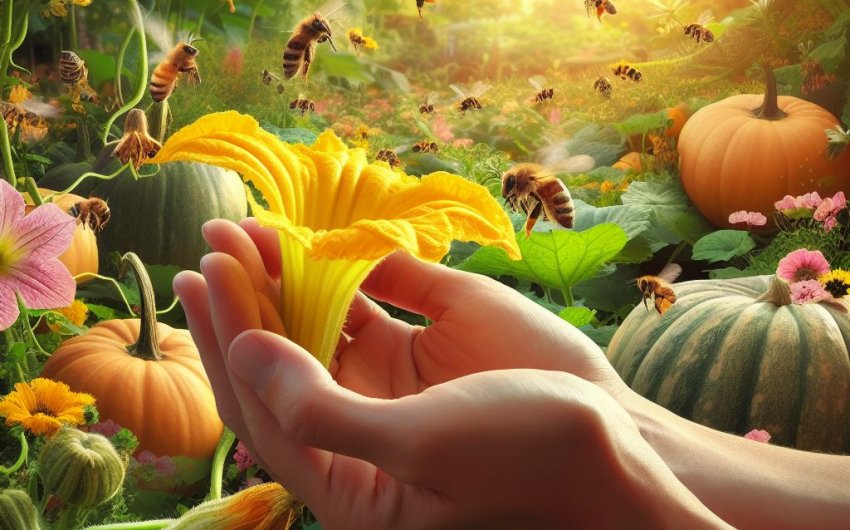
If your pumpkin's not fruiting, the most common culprit is pollination problems. To fix this, identify male and female flowers, ensure a healthy pollinator population (bees), and, if necessary, perform hand-pollination to manually transfer pollen. Addressing plant stress and supporting overall flower health are also crucial for successful fruit set.
Why is pollination so critical for pumpkin fruit production?
The mystery of a pumpkin plant flowering profusely but producing no fruit is a common and frustrating puzzle for gardeners. The answer almost invariably lies in pollination problems. Unlike some self-fertile plants, pumpkins require the transfer of pollen from a male flower to a female flower by external agents, primarily insects. Without this vital step, those beautiful blossoms will simply wither and fall, leaving you with no pumpkins.
What is pollination and how does it work in pumpkins?
Pollination is the cornerstone of fruit development in pumpkins, a complex biological dance orchestrated by nature.
- Definition: Pollination is the transfer of pollen (containing male genetic material) from the anther (male part of a flower) to the stigma (female part of a flower). This fertilization process is what initiates fruit development.
- Monoecious Plants: Pumpkin plants are monoecious, meaning they produce separate male and female flowers on the same plant.
- Male Flowers: These appear first and are much more numerous. They have a slender stem and a central stamen (stalk) topped with an anther that is covered in yellow, dusty pollen.
- Female Flowers: These appear later, often after the vines have started to run. The easiest way to identify a female flower is by the small, swollen miniature pumpkin (ovary) located at its base, directly behind the petals. Inside, it has a central stigma.
- Insect Pollination (Crucial): Pumpkins are primarily insect-pollinated. They rely almost entirely on bees (honeybees, bumblebees, native bees) to carry pollen from the male flowers to the female flowers. Wind plays a minimal role.
- Pollen Viability: Pumpkin pollen is only viable for a relatively short period, and female flowers are only receptive for a single day, typically in the morning. This creates a critical window for successful pollination.
- Fruit Set: If successful pollination and fertilization occur, the tiny ovary at the base of the female flower swells and develops into a pumpkin. If not, the flower and the small fruit behind it will yellow, shrivel, and fall off (often called "blossom drop" or "fruit abortion").
What are the dangers of poor pollination for pumpkins?
The consequences of insufficient pollination are direct and frustrating.
- No Fruit Production: The most obvious and disheartening result. You'll have a lush plant full of flowers, but no pumpkins.
- Aborted Fruit: Female flowers may appear, and even tiny fruits might start to develop, but if pollination is incomplete or inadequate, these small pumpkins will yellow, shrivel, and fall off the vine within a few days.
- Misshapen or Stunted Fruit: Even if some fruit develops, poor or partial pollination can lead to misshapen, lopsided, or stunted pumpkins that are not fully formed.
- Wasted Plant Energy: The plant expends significant energy producing flowers and initiating fruit, only for that energy to be wasted if pollination fails.
- Reduced Harvest: The overall yield of marketable pumpkins will be severely reduced.
- Frustration: Investing time and effort into growing pumpkin plants only to face pollination failure can be incredibly disheartening.
Understanding the precise mechanics and critical timing of pollination in pumpkins empowers gardeners to identify when this vital process is failing and take corrective action to secure a bountiful harvest.
What are the common causes of pumpkin pollination problems?
When pumpkin flowers are blooming but no fruit is setting, the problem almost always boils down to one or more issues with pollination. These issues can range from a lack of pollinators to imbalanced plant development or environmental stresses.
1. Lack of Pollinators
This is the most common reason for poor fruit set.
- Cause:
- Low Bee Population: A general decline in honeybee and native bee populations due to habitat loss, pesticide use, or disease can severely impact pollination in your garden.
- Bad Weather: Cold, rainy, or excessively windy weather during the blooming period can keep bees from flying and actively pollinating.
- Pesticide Use: Spraying broad-spectrum insecticides, especially when flowers are open, will kill bees and other beneficial pollinators.
- Lack of Attractive Flowers: If your garden lacks other diverse flowering plants, bees may not be attracted to your yard in sufficient numbers.
- Early Season Imbalance: Sometimes, early in the season, there are plenty of male flowers but not enough female flowers open simultaneously for effective pollination by the few early bees.
- Symptoms:
- Female flowers open for a day, then yellow and shrivel at the base, along with the tiny pumpkin behind them.
- Very few (or no) bees observed visiting flowers, especially female flowers.
2. Imbalance of Male and Female Flowers
The timing of flower production is critical.
- Cause:
- Too Many Male Flowers, Not Enough Females (Early Season): Pumpkin plants typically produce a flush of male flowers first, sometimes for a week or two, before female flowers begin to appear. If a few female flowers open very early, there might not be enough active male flowers (or active pollinators) to fertilize them.
- Stressed Plants (Too Many Males): Plants under stress (e.g., from excessive nitrogen, drought, extreme heat) may produce a disproportionately high number of male flowers and very few or no female flowers.
- Too Few Male Flowers (Later Season, Less Common): Sometimes, later in the season, if male flowers are stressed or depleted, there might not be enough pollen for new female flowers.
- Symptoms:
- Abundance of male flowers, but female flowers that appear quickly yellow and drop.
- Few or no female flowers developing initially.
3. Environmental Stress
Extreme conditions can impact both flowers and pollinators.
- Extreme Heat:
- Cause: Very high temperatures (consistently above 90°F or 32°C) can cause pumpkin pollen to become sterile or unviable. It can also affect the viability of female flower stigmas. Bees may also be less active in extreme heat.
- Symptoms: Flowers (both male and female) may open but fail to produce viable pollen/receptive stigmas, leading to drop.
- Drought Stress:
- Cause: Insufficient or inconsistent watering can stress the plant, leading to flower drop (both male and female) as the plant prioritizes survival over reproduction.
- Symptoms: Wilting leaves, overall stressed plant, and flowers/small fruits yellowing and falling off.
- Excessive Nitrogen:
- Cause: Over-fertilization with too much nitrogen (N) can promote lush, leafy green growth ("all vine, no fruit") at the expense of flowering and fruit set.
- Symptoms: Very vigorous, dark green foliage, but few flowers or mostly male flowers.
- Pesticide Use (Indirect):
- Cause: As mentioned, broad-spectrum pesticides kill pollinators. But even some specific fungicides used during bloom can affect pollen viability or bee behavior.
- Cold Temperatures:
- Cause: Unseasonably cold temperatures (below 50-55°F or 10-13°C) during blooming can reduce bee activity and affect pollen viability.
- Symptoms: Poor fruit set during unexpected cold snaps.
By carefully observing your pumpkin plants, the activity (or lack thereof) of bees, and prevailing environmental conditions, you can often pinpoint the specific cause of your pollination problems and take corrective action.
How do I fix pollination problems in my pumpkin patch?
Once you've identified that poor pollination is the reason your pumpkin's not fruiting, there are several effective solutions you can implement. These strategies range from encouraging natural pollinators to directly assisting the pollination process yourself.
1. Attract and protect natural pollinators.
Working with nature is always the best long-term solution for pollination.
- Plant Pollinator-Friendly Flowers:
- DO: Plant a diverse array of pollinator-attracting flowers (e.g., sunflowers, marigolds, zinnias, cosmos, salvias, lavender) near your pumpkin patch. Choose native flowers for your region.
- Why: This creates a continuous food source and habitat for bees and other beneficial insects, drawing them into your garden and increasing the likelihood they'll visit your pumpkin flowers.
- Avoid Pesticides:
- DO: Refrain from using broad-spectrum insecticides, especially when pumpkin plants are flowering. These sprays kill bees and other vital pollinators.
- DO: If you must spray for specific pests, choose organic, targeted options (e.g., insecticidal soap, neem oil) and apply them in the late evening when bees are not active.
- DON'T: Spray anything on open flowers during the day.
- Provide Water Sources:
- DO: Offer a shallow dish of water with pebbles or a bee bath in your garden.
- Why: Bees need water, especially in hot weather.
- Create Bee Habitat:
- DO: Consider installing a bee hotel for native solitary bees or leaving small patches of undisturbed soil for ground-nesting bees.
2. Perform hand-pollination (manual pollination).
This is the most reliable way to guarantee fruit set if natural pollination is failing.
- Timing is Crucial:
- DO: Hand-pollinate in the early morning (typically 6 AM - 10 AM) when flowers are freshest, pollen is abundant, and female flowers are most receptive. Pumpkin flowers usually only open for one day.
- Step-by-step Hand-Pollination:
- Identify Flowers: Locate both a freshly opened male flower (slender stem, no mini pumpkin at base, dusty pollen) and a freshly opened female flower (short, thick stem with a miniature pumpkin behind the petals, sticky stigma).
- Collect Pollen: Gently pick a fresh male flower. Carefully remove its petals to expose the central anther, which will be covered in yellow pollen.
- Transfer Pollen: Gently touch or dab the pollen-covered anther directly onto the sticky, central stigma of the female flower. Ensure a good coating of pollen. You can also use a small, soft paintbrush or cotton swab to transfer pollen.
- Repeat: If possible, use pollen from several different male flowers for each female flower to ensure robust pollination. You can use the same male flower to pollinate multiple females as long as it still has viable pollen.
- Why it Works: This ensures that pollen is successfully transferred, leading to fertilization and fruit development.
3. Address plant and environmental stressors.
A healthy plant is more likely to produce viable flowers and fruit.
- Watering:
- DO: Ensure consistent, deep watering, especially during flowering and fruit set. Allow the top few inches of soil to dry out between waterings. Use a soil moisture meter to monitor.
- Why: Drought stress causes flower and fruit drop.
- Fertilization:
- DO: Fertilize with a balanced vegetable fertilizer, ensuring adequate phosphorus and potassium for flowering and fruiting.
- DON'T: Over-fertilize with nitrogen, as this promotes leafy growth ("all vine, no fruit").
- Manage Heat Stress (if applicable):
- DO: In regions with extreme heat, provide some afternoon shade (e.g., with shade cloth) if pollen viability is an issue.
- Why: High temperatures can sterilize pollen.
- Improve Air Circulation:
- DO: Space plants well and prune some inner, older leaves to improve airflow.
- Why: Reduces humidity that can make pollen too sticky or promote fungal growth on flowers.
- Pest and Disease Control:
- DO: Proactively manage pests (e.g., cucumber beetles, aphids) and diseases (e.g., powdery mildew) that can stress plants, reduce flower health, or transmit viruses.
By proactively encouraging pollinators, knowing how to hand-pollinate, and minimizing plant stress, you can effectively fix pollination problems in your pumpkin patch and ensure a bountiful harvest of delicious pumpkins.