
10 Creative Mini Garden Designs You Can Create Indoors
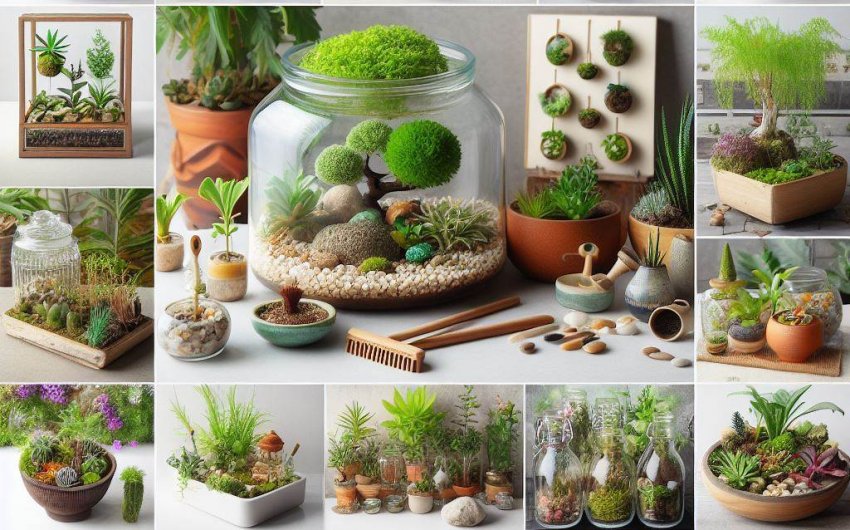
10 creative mini garden designs you can create indoors offer charming and accessible ways to bring greenery into any living space, regardless of size. These designs, ranging from terrariums and fairy gardens to herb walls and succulent arrangements, provide unique aesthetic appeal, clean indoor air, and a fulfilling connection to nature.
Why are mini indoor gardens a growing trend?
Mini indoor gardens are a rapidly growing trend, transforming living spaces of all sizes into lush, green sanctuaries. Far from being a niche hobby, these compact green havens offer a multitude of benefits, from enhancing home aesthetics to boosting well-being, making them an accessible and rewarding pursuit for urban dwellers and seasoned gardeners alike. They represent a convenient and creative way to connect with nature without needing extensive outdoor space.
What makes mini indoor gardens so appealing?
Mini indoor gardens appeal to a wide range of people due to their versatility and numerous advantages.
- Space-Saving Solutions: This is the primary appeal. Mini gardens fit perfectly in small apartments, dorm rooms, offices, or on windowsills, allowing anyone to cultivate plants regardless of outdoor space limitations.
- Enhanced Aesthetics: They add natural beauty, texture, and vibrant color to any room, serving as living decor that brightens up interiors. They can complement various interior design styles, from minimalist to bohemian.
- Improved Air Quality: Many houseplants and edible plants naturally filter indoor air, removing common toxins and increasing oxygen levels, contributing to a healthier living environment.
- Boosts Well-being: Studies show that interacting with plants and greenery can reduce stress, improve mood, increase focus, and foster a sense of calm and well-being. Mini gardens provide this connection to nature on a daily basis.
- Creative Expression: They offer a fantastic outlet for creativity, allowing individuals to design miniature landscapes, experiment with plant combinations, and personalize their living space.
- Accessibility: Mini gardens are often less intimidating to new gardeners. The smaller scale means fewer plants, less soil, and typically a lower initial investment, making gardening more approachable.
- Year-Round Enjoyment: Unlike outdoor gardens limited by seasons, indoor gardens provide continuous greenery and the joy of nurturing plants throughout the year.
- Edible Options: Many mini garden designs can incorporate herbs, microgreens, or small vegetables, providing fresh ingredients right at your fingertips.
- Educational for All Ages: They offer a wonderful, hands-on way to teach children about botany, ecology, and responsibility.
What types of plants thrive in indoor mini garden settings?
The best plants for indoor mini gardens are those that are compact, tolerant of indoor light and humidity, and adapt well to container life.
- Succulents and Cacti: Highly popular due to their low water needs, diverse shapes, and stunning colors. They thrive in bright light and well-draining soil.
- Small Tropical Plants: Many miniature foliage plants that appreciate humidity and bright, indirect light (e.g., Fittonia, Peperomia, small ferns, Pothos, Philodendron).
- Herbs: Culinary herbs like basil, mint, chives, rosemary (with enough light), and parsley are excellent for edible mini gardens.
- Air Plants (Tillandsia): These unique epiphytes don't need soil, making them perfect for creative, minimalist displays.
- Mosses: Various types of moss thrive in humid, indirect light conditions, ideal for terrariums.
- Carnivorous Plants: Smaller species like sundews or Venus flytraps can be grown in dedicated mini bog gardens or terrariums with specific conditions.
- Microgreens and Sprouts: Fast-growing edible greens that require minimal space and light.
- Miniature Orchids: Some compact orchid species can be stunning additions with proper care.
The possibilities are vast, limited only by your imagination and the specific environmental conditions you can provide within your home.
What do I need to start any indoor mini garden design?
Before diving into specific mini garden designs, understanding the fundamental requirements for indoor plant success is crucial. These core elements provide the necessary environment for any plant to thrive within your home.
1. The Right Container
The container defines your mini garden's aesthetic and function.
- Drainage is Key: For most plants that require soil, the container must have drainage holes. Without them, excess water accumulates, leading to root rot. If using a container without drainage (e.g., a decorative bowl), you must use a false bottom with pebbles or charcoal, and be extremely careful with watering.
- Material:
- Ceramic/Pottery: Classic, decorative, and heavier (stable). Can be glazed (retains moisture) or unglazed (terra cotta, breathes and dries faster).
- Glass: Ideal for terrariums (high humidity), allows full visibility.
- Plastic: Lightweight, retains moisture well, inexpensive.
- Wood/Metal: Often used for vertical gardens or unique planters, ensure liners for drainage.
- Size: Choose a container appropriate for the mature size of your plants. Too large, and excess soil holds too much moisture. Too small, and plants quickly become root-bound.
- Shape: Dictates the design (e.g., shallow for succulents, deep for herbs).
2. Appropriate Potting Medium
This provides structural support, nutrients, and moisture to roots.
- Well-Draining All-Purpose Mix: For most houseplants and herbs, a high-quality, well-draining indoor potting mix is suitable.
- Specialized Mixes:
- Succulent/Cactus Mix: Essential for succulents and cacti, as it drains extremely quickly and prevents root rot.
- Orchid Mix: Bark-based, for orchids.
- Carnivorous Plant Mix: Nutrient-poor sphagnum peat moss and perlite/sand for sundews/Venus flytraps.
- Avoid Garden Soil: Never use outdoor garden soil indoors, as it can compact, harbor pests, and contain weed seeds.
3. Essential Light Source
Light is the energy source for all plants.
- Natural Light: Identify your brightest windows.
- South-facing: Most intense, best for sun-lovers (succulents, herbs).
- East-facing: Gentle morning sun, good for many plants.
- West-facing: Hotter afternoon sun, can be intense.
- North-facing: Low, indirect light, suitable for very low-light plants.
- Supplemental Grow Lights: For low-light rooms or during winter, LED grow lights are essential for healthy growth. Position them a few inches above plants for 12-16 hours daily.
- Match Plants to Light: This is crucial. Don't put a sun-lover in a dark corner.
4. Proper Watering Tools and Habits
Water is life, but too much is fatal for indoor plants.
- Watering Can: A small watering can with a long spout allows for precise watering.
- Mister: For increasing humidity around plants that love it.
- Soil Moisture Meter (Recommended): Takes the guesswork out of watering. A soil moisture meter helps prevent both over and under-watering.
- "Soak and Dry" Method: For most plants, water thoroughly until drainage, then allow the top inch or two of soil to dry out before watering again.
- Water Quality: Use filtered tap water, rainwater, or distilled water, especially for sensitive plants (carnivorous, orchids).
5. Basic Gardening Tools
- Small Hand Trowel/Scoop: For potting.
- Pruning Shears/Scissors: For trimming and shaping.
- Gloves: For protection.
- Decorative Elements: Rocks, pebbles, figurines (optional, for design).
By securing these fundamental elements, you lay a strong foundation for creating any of the 10 creative mini garden designs, ensuring your indoor plants not only survive but thrive.
1. Terrarium Gardens: Miniature Ecosystems Under Glass
Terrarium gardens are enclosed or semi-enclosed miniature landscapes, typically housed in glass containers. They create self-sustaining or semi-self-sustaining ecosystems, offering a captivating way to bring lush, green beauty into any space with minimal ongoing effort. They are perfect for humid-loving plants.
What makes terrariums unique and engaging?
Terrariums create a fascinating microcosm of nature, offering a blend of science and art.
- Miniature Ecosystem: They allow for the creation of tiny, self-contained environments where plants, substrate, and often small decorations form a miniature world.
- Low Maintenance: Closed terrariums, once balanced, require very infrequent watering (sometimes only a few times a year), as water evaporates and condenses within the container, creating a continuous cycle.
- High Humidity: The enclosed environment naturally maintains high humidity, ideal for tropical and moisture-loving plants.
- Versatile Aesthetic: From lush jungles to arid deserts (for open terrariums), the design possibilities are endless, fitting any decor style.
- Educational: A fantastic way to teach children about ecological cycles, condensation, and plant adaptation.
What plants thrive in a closed terrarium?
Closed terrariums are perfect for plants that love high humidity and bright, indirect light.
- Mosses (Sphagnum, Sheet Moss, Cushion Moss): Essential for a lush, green floor.
- Fittonia (Fittonia albivenis - Nerve Plant): Vibrant green, pink, or white variegated leaves.
- Peperomia spp. (e.g., P. caperata, P. clusiifolia): Many small, compact varieties with interesting foliage.
- Small Ferns (e.g., Lemon Button Fern, Maidenhair Fern, Asparagus Fern): Delicate, airy foliage that loves humidity.
- Baby Tears (Soleirolia soleirolii): Forms a dense, bright green carpet.
- Miniature Orchids: Some species thrive in consistently high humidity.
- Carnivorous Plants (e.g., Sundews, Venus Flytraps): Require specific substrate, pure water, and high humidity, making them excellent terrarium candidates.
Step-by-step guide to building a closed terrarium
Building a terrarium is a rewarding project that allows for creative expression.
- Choose a Glass Container: A glass terrarium with a lid (fishbowl, jar, cloche, specialized terrarium) is ideal. Clean it thoroughly.
- Drainage Layer (1-2 inches): Add a layer of small pebbles or gravel at the bottom. This prevents roots from sitting in stagnant water.
- Charcoal Layer (thin): Add a thin layer of activated charcoal over the pebbles. This helps to absorb odors and keep the terrarium fresh.
- Separator Layer (optional): A thin layer of fine mesh screen or sphagnum moss can prevent the soil from mixing with the drainage layer.
- Potting Mix Layer (3-5 inches): Add a layer of specialized potting mix suitable for your chosen plants (e.g., all-purpose for tropicals, carnivorous plant mix for sundews). Ensure it's moist but not soggy.
- Planting:
- Use long tweezers or small tools to carefully place plants. Create small holes, insert roots, and gently firm soil around them.
- Arrange plants for aesthetic appeal, considering mature size.
- Decorate (Optional): Add small decorative elements like polished stones, tiny figurines, driftwood, or preserved moss.
- Water Gently: Lightly mist the terrarium with a spray bottle filled with distilled or rainwater. The goal is just to moisten the plants and clean the glass, not to saturate the soil.
- Lid and Location: Place the lid on the terrarium. Place in a spot with bright, indirect light.
- Maintenance: Monitor condensation. If the glass is constantly fogged, open the lid for a few hours. If too dry, mist lightly. Trim plants as needed.
By creating a terrarium, you cultivate a beautiful, low-maintenance slice of nature, bringing a vibrant, self-contained ecosystem into your home.
2. Fairy Gardens: Enchanting Miniature Landscapes
Fairy gardens are enchanting, whimsical miniature landscapes designed to evoke a sense of magic and wonder. They combine small plants, tiny accessories, and imaginative themes to create charming, personalized worlds within a container. They are perfect for fostering creativity and delighting both children and adults.
What makes fairy gardens so enchanting for gardeners?
Fairy gardens tap into a sense of childlike wonder and offer endless creative possibilities.
- Whimsical and Imaginative: They are inherently magical, inviting creativity and storytelling.
- Personalized: Each fairy garden is unique, reflecting the gardener's personality and imagination.
- Compact: Designed for containers, they fit easily on a patio, windowsill, or shelf.
- Engaging for Children: A fantastic project for kids, encouraging creativity, plant care, and imaginative play.
- Therapeutic: The process of designing and nurturing a tiny world can be incredibly relaxing and satisfying.
What plants are best for a fairy garden?
The key is to select slow-growing, miniature plants that won't quickly outgrow their tiny world.
- Miniature Succulents and Sedums: Many tiny varieties are perfect (e.g., Sedum spurium, Sedum acre, various miniature Echeverias or Haworthias).
- *Creeping Thyme (Thymus serpyllum 'Elfin' or 'Minus'):* Forms a miniature groundcover.
- Baby Tears (Soleirolia soleirolii): Creates a lush, tiny carpet.
- Fittonia (Fittonia albivenis - Nerve Plant) (small cultivars): Adds vibrant color.
- Irish Moss (Sagina subulata): Resembles soft, green turf.
- Miniature Ferns (e.g., Lemon Button Fern, small Asparagus Fern): Add a touch of woodland.
- Small Ivy Cultivars (Hedera helix miniature forms): For trailing effects.
- Air Plants (Tillandsia) (as accents): Don't require soil, can add unique elements.
Step-by-step guide to creating your own fairy garden
Designing a fairy garden is a delightful journey of imagination.
- Choose a Container: A shallow, wide container with drainage holes is ideal (e.g., a large pottery bowl, terracotta planter, wooden box). Clean it thoroughly.
- Drainage Layer (optional): A thin layer of gravel at the bottom can improve drainage, but a good potting mix and drainage holes are more important.
- Potting Mix (4-6 inches): Fill the container with a well-draining potting mix. For succulents, use a succulent/cactus mix. For tropicals, use a general-purpose mix amended with perlite.
- Create Landscape Features:
- Mound Soil: Create hills and valleys with the soil to add depth.
- Pathways: Use small pebbles, fine gravel, or sand to create miniature pathways.
- Water Feature: A small piece of blue glass, a polished stone, or even a tiny mirror can simulate a pond or stream.
- Plant Carefully:
- Arrange your chosen miniature plants, considering their mature size and light needs.
- Create small holes for roots, gently tuck plants in, and firm soil around them.
- Aim for varying heights and textures.
- Add Accessories: This is where the magic happens! Add tiny fairy figurines, miniature furniture (benches, chairs), tiny houses, birdhouses, bridges, fences, or natural elements like small twigs for trees or smooth stones.
- A common option is miniature fairy garden accessories.
- Water Gently: Water thoroughly but carefully after planting.
- Location and Maintenance: Place your fairy garden in a spot with bright, indirect light (or full sun for succulent-based gardens). Maintain consistent watering, but allow the topsoil to dry between waterings. Trim plants as needed to maintain scale.
A fairy garden is more than just a planter; it's a tiny, living canvas where imagination blossoms alongside the plants, bringing a touch of magic into your home.
3. Herb Gardens: Fresh Flavors at Your Fingertips
An indoor herb garden is a practical and aromatic mini garden design that brings the joy of fresh culinary herbs right into your kitchen. Imagine snipping fresh basil or chives for your cooking, regardless of the season or outdoor space. It's a highly functional and rewarding addition for any home cook.
What makes indoor herb gardens so practical for home cooks?
Indoor herb gardens are a must-have for culinary enthusiasts, offering unparalleled freshness and convenience.
- Freshness on Demand: Access to fresh herbs year-round, regardless of outdoor weather.
- Superior Flavor: Homegrown herbs often have a more vibrant, intense flavor than dried herbs or store-bought fresh herbs.
- Cost Savings: Reduces reliance on expensive store-bought fresh herbs, which often wilt quickly.
- Aromatic: Many herbs release delightful fragrances when brushed or harvested, enhancing the ambiance of your kitchen.
- Compact: Easily grown on a windowsill, counter, or dedicated herb shelf.
- Easy to Grow: Most common culinary herbs are relatively forgiving and straightforward to cultivate indoors with adequate light.
What are the best herbs for indoor growing?
Choose herbs that are well-suited to indoor conditions and are frequently used in cooking.
- Basil: Needs ample light and warmth. Harvest regularly to promote bushiness.
- Chives: Easy to grow, tolerant of some shade, grows in clumps.
- Cilantro: Can be tricky; tends to bolt (go to seed) in warm temperatures. Grow in succession.
- Dill: Similar to cilantro, best in succession.
- Mint: Very easy to grow, spreads aggressively, so ideal for its own pot.
- Oregano: Loves sun, very drought tolerant once established.
- Parsley: Flat-leaf or curly, needs consistent moisture.
- Rosemary: Needs abundant direct sunlight and well-draining soil. Can get woody over time.
- Sage: Loves sun and good drainage.
- Thyme: Needs abundant direct sunlight and well-draining soil. Many varieties are low-growing.
Step-by-step guide to creating your indoor herb garden
Setting up an herb garden is a simple and satisfying project.
- Choose Containers: Select pots with drainage holes (terracotta is excellent for herbs that prefer drier soil, like rosemary and thyme; plastic retains moisture better for basil, parsley, mint). Individual pots are often best, or a long window box with dividers.
- A common option is herb garden planter box.
- Potting Mix: Fill containers with a good quality, well-draining potting mix. You can add a bit of perlite for extra drainage or compost for nutrients.
- Planting:
- Seeds: Sow herb seeds thinly according to package directions. Lightly cover with soil (some need light to germinate). Keep consistently moist until germination.
- Nursery Plants: Gently remove plants from nursery pots, loosen roots, and plant at the same depth as in their original container.
- Location: Place your herb garden in the sunniest window possible (south-facing is ideal for most herbs). For insufficient light, use LED grow lights for 12-16 hours a day.
- Watering: Water thoroughly until water drains from the bottom. Allow the top inch or two of soil to dry out before watering again. Use a soil moisture meter to monitor.
- Harvesting:
- Pinch Regularly: Regularly pinch off the top leaves or stems of basil, mint, and oregano to encourage bushier growth and prevent leggy plants.
- Outer Leaves: For parsley and cilantro, harvest outer leaves.
- Maintenance: Fertilize lightly every 4-6 weeks during the growing season with a diluted liquid organic fertilizer. Repot annually or as needed.
An indoor herb garden is a living pantry, constantly providing fresh, aromatic ingredients that elevate your cooking and bring a vibrant, practical touch to your home.
4. Succulent and Cactus Arrangements: Drought-Tolerant Displays
Succulent and cactus arrangements are highly popular mini garden designs, celebrated for their stunning diversity of shapes, textures, and colors, as well as their remarkably low maintenance and drought tolerance. They create beautiful, sculptural displays that thrive in bright, dry indoor conditions.
What makes succulent arrangements so appealing for busy gardeners?
Succulent and cactus arrangements are perfect for those seeking beauty without constant fuss.
- Drought Tolerance: They store water in their fleshy leaves, stems, or roots, requiring very infrequent watering. Ideal for busy or forgetful gardeners.
- Low Maintenance: Minimal watering, little to no fertilization, and infrequent repotting.
- Diverse Aesthetics: An incredible array of shapes (rosettes, tubes, spheres), textures (smooth, fuzzy, spiky), and colors (green, blue, purple, red, variegated) offers endless design possibilities.
- Compact Growth: Most succulents and cacti are slow-growing and remain relatively small, making them perfect for miniature arrangements.
- Unique Beauty: Their sculptural forms add a modern, architectural touch to any indoor decor.
- Thrives in Bright Light: Perfect for sunny windowsills or spots where other plants might scorch.
What plants are best for succulent and cactus arrangements?
Choose varieties with similar light and water needs, and varied forms.
- Echeveria spp.: Classic rosettes, come in many colors.
- Sedum spp. (Stonecrop): Diverse forms, from upright to trailing.
- Crassula spp. (Jade Plants): Various forms, including 'Gollum' (ET's Finger Jade), Crassula ovata (classic jade).
- Haworthia spp. / Gasteria spp.: Fascinating textures, tolerant of slightly lower light.
- Aloe spp. (e.g., Aloe aristata - Lace Aloe): Compact, spiky rosettes.
- Cacti (Small Varieties): Mammillaria, Rebutia, some Opuntia.
- Sempervivum (Hens and Chicks): Forms tight rosettes and offsets, very hardy.
Step-by-step guide to creating your own succulent arrangement
Creating a succulent arrangement is a creative process focused on composition.
- Choose a Container: Select a shallow, wide container with excellent drainage holes. Terra cotta pots are ideal due to their porosity, but any decorative pot with good drainage will work. Clean it thoroughly.
- A popular choice is succulent planter with drainage holes.
- Potting Mix: Fill the container with a specialized succulent/cactus potting mix. This is crucial for rapid drainage. You can also make your own by mixing equal parts potting soil, coarse sand/grit, and perlite/pumice.
- Arrange and Plant:
- Start by placing larger plants, then fill in with smaller ones. Consider varying heights, textures, and colors for visual interest.
- Create small holes, gently tuck in the plant roots, and firm the soil around them.
- Avoid planting too deeply. The base of the plant should be level with the soil surface.
- Top Dressing (Optional but Recommended): Cover the soil surface with a layer of decorative gravel, small pebbles, or horticultural grit.
- Benefits: Enhances aesthetics, helps keep lower leaves dry (preventing rot), and discourages pests.
- Watering (Initial): Wait 3-5 days after planting before the first watering. This allows any disturbed roots to heal, preventing rot.
- Location and Maintenance: Place your arrangement in a spot with abundant bright, direct sunlight (south-facing window is ideal). Water thoroughly only when the soil is completely dry, often every 2-4 weeks (less in winter). Minimal fertilization is needed (once a year, diluted).
A succulent and cactus arrangement is a living art piece, bringing striking beauty and remarkable resilience to your indoor spaces with minimal fuss, perfect for modern and busy lifestyles.
5. Air Plant Displays: Modern and Minimalist Greenery
Air plant displays are a minimalist and modern approach to indoor gardening, utilizing unique epiphytic plants that don't require soil. Their ability to absorb all water and nutrients directly from the air makes them incredibly versatile for creative arrangements, bringing organic texture and living art to any space.
What makes air plant displays so versatile and modern?
Air plant displays offer unparalleled flexibility in design, perfect for contemporary aesthetics.
- No Soil Required: This is their most distinctive feature, allowing them to be placed in virtually any container or mounted on various surfaces.
- Minimalist Aesthetic: Their sculptural forms and lack of soil complement modern, minimalist, and natural decor styles.
- Low Maintenance: Once you understand their specific watering needs, they are very easy to care for.
- Creative Freedom: Can be hung, mounted, placed in terrariums (open), or arranged in countless ways.
- Compact: Perfect for small spaces, shelves, desks, or even as wearable art.
- Unique Forms: Their diverse shapes, from spiky to curly, offer intriguing visual interest.
What are the best air plants for indoor displays?
All Tillandsia species are air plants, but some are more commonly available and robust.
- Tillandsia ionantha: Small, spiky, often turns red when in bloom or stressed by sun. Very popular.
- Tillandsia caput-medusae: Unique, curling leaves that resemble Medusa's hair.
- Tillandsia xerographica: Large, architectural, silvery-gray. A showstopper.
- Tillandsia cyanea (Pink Quill): Produces a vibrant pink flower spike with purple flowers.
- Tillandsia usneoides (Spanish Moss): The classic trailing "air plant beard."
- Tillandsia argentea: Delicate, silvery, grass-like leaves.
Step-by-step guide to creating your own air plant display
Creating an air plant display is limited only by your imagination.
- Choose a Container/Mount: Since no soil is needed, options are endless:
- Terracotta Bowls/Pots (no drainage needed): Provides a natural, earthy base.
- Glass Terrariums (open-ended): Allows for humidity without trapping too much moisture.
- Driftwood, Cork Bark, Seashells: Natural elements for mounting.
- Geometric Metal Holders, Ceramic Stands, Hanging Globes: Modern decorative pieces.
- A common choice is air plant display holder.
- Arrange Air Plants:
- Place or mount your air plants, considering their shape, size, and how they interact with the container/mount.
- Use clear fishing line, floral wire, or non-toxic glue (e.g., E6000, Gorilla Glue clear) to attach plants to mounts.
- Decorate (Optional): Add natural elements like polished stones, small crystals, sand, or preserved moss to enhance the aesthetic.
- Location: Place your display in a spot with bright, indirect light. Near an east or west-facing window is often ideal. Some can tolerate a few hours of gentle morning sun.
- Watering (Crucial): Air plants absorb water and nutrients through their leaves.
- Soaking: The best method. Submerge the entire plant in a bowl of soft water (rainwater, distilled, or filtered tap water) for 20-30 minutes once every 1-2 weeks.
- Misting: Supplement soaking with misting 2-3 times a week, especially in dry environments.
- Drying: After soaking or heavy misting, gently shake off excess water and place the plant upside down on a towel for 1-2 hours to ensure it dries completely. This prevents rot.
- Avoid Tap Water (long-term): Hard tap water with high mineral content can clog the plant's specialized scales (trichomes) over time, hindering absorption.
- Nutrient Feeding (Optional): Provide very dilute orchid or bromeliad fertilizer (1/4 strength) in their soaking water once a month during the growing season.
- Air Circulation: Good air circulation is vital. Do not keep air plants in closed containers where air cannot move.
An air plant display is a dynamic, living sculpture, offering a unique blend of nature and modern design that thrives with simple yet specific care.
6. Miniature Moss Gardens: Lush Green Tranquility
Miniature moss gardens, whether enclosed in cloches or open in shallow dishes, offer a serene and lush aesthetic that evokes a sense of woodland tranquility. They require minimal effort once established and are perfect for adding a touch of natural beauty and vibrant green texture to small, indirect light spaces.
What makes miniature moss gardens so peaceful?
Moss gardens create a calming, naturalistic focal point with their understated beauty.
- Low Maintenance: Mosses are incredibly self-sufficient once established, requiring little more than consistent moisture and indirect light.
- Serene Aesthetic: Their soft, velvety textures and vibrant green hues create a peaceful, calming atmosphere.
- Shade-Tolerant: Moss thrives in low-light conditions, making it perfect for areas where other plants might struggle.
- Compact: Easily created in shallow containers, fitting into any small space.
- Unique Texture: Offers a rich, dense groundcover that invites touch and contemplation.
- No Soil Needed (often): Many mosses can grow on various substrates, including rocks or wood, without needing deep soil.
What types of moss are best for indoor gardens?
Choose mosses that retain moisture and are visually appealing.
- Sheet Moss: Forms beautiful, flat carpets, excellent for covering surfaces.
- Cushion Moss (Bun Moss): Grows in dense, rounded mounds, adding sculptural interest.
- Mood Moss: Similar to cushion moss, with a lush, slightly wilder appearance.
- Sphagnum Moss (Live): Can be used, especially in humid setups.
- Fern Moss: Delicate, fern-like appearance.
- Haircap Moss: Taller, more upright growth.
Step-by-step guide to creating your own miniature moss garden
Designing a moss garden is about creating a sense of natural tranquility.
- Choose a Container: A shallow, wide container is ideal. Options include decorative ceramic bowls, glass cloches (glass cloche bell jar), glass dishes, or even terrarium bases. If using a completely sealed container, ensure good ventilation with regular opening.
- Drainage Layer (optional, for some setups): A thin layer of pebbles or fine gravel can be used, especially if you anticipate heavier watering, but for purely moss (which doesn't have deep roots), it's less critical than for plants in soil.
- Substrate Layer (1-2 inches):
- For pure moss: A layer of fine, slightly acidic soil (e.g., mixed with a bit of peat moss), a mix of sand and coco coir, or even just a dense layer of sphagnum moss can work.
- For moss on rocks/wood: Ensure these elements are clean.
- Arrange Moss:
- Carefully place pieces of moss onto the substrate. Press them down firmly to ensure good contact with the underlying layer.
- Create a visually pleasing arrangement, perhaps combining different moss textures.
- Add Decorative Elements (Optional): Incorporate natural elements like small smooth stones, interesting twigs, tiny pieces of driftwood, or miniature figurines to enhance the naturalistic feel.
- Water Gently: Lightly mist the entire moss garden with distilled water or rainwater. The moss should be damp but not soaking wet.
- Location and Maintenance: Place your moss garden in a spot with bright, indirect light or dappled shade.
- Humidity: Maintain consistent humidity. Mist with pure water regularly (daily or every other day, depending on container type and humidity). If using a cloche, monitor condensation; open occasionally for ventilation.
- Light: Avoid direct sunlight, which can scorch and dry out moss.
- Cleaning: Remove any dust or debris gently with a soft brush.
A miniature moss garden is a living tableau of peace, bringing a quiet, verdant corner of nature into your home with minimal fuss and maximum tranquility.
7. Vertical Herb/Plant Walls: Maximizing Small Spaces
Vertical herb or plant walls are an ingenious solution for urban dwellers and those with limited horizontal space, allowing you to grow a variety of plants upward rather than outward. These designs utilize wall-mounted planters or shelves to create a lush, living display that saves space and adds a dynamic green element to any room.
What makes vertical plant walls ideal for compact living?
Vertical plant walls offer both functionality and striking aesthetics for small homes.
- Space Optimization: Utilizes vertical space that would otherwise be unused, allowing you to grow many plants in a small footprint.
- Enhanced Aesthetics: Creates a living work of art, a vibrant green focal point that adds texture, color, and natural beauty to walls.
- Improved Air Quality: More plants mean more air purification.
- Accessibility: Keeps plants at eye level, making care and harvesting (for herbs) easier.
- Edible Options: Perfect for growing a range of herbs, leafy greens, or small vegetables within easy reach of the kitchen.
- Noise Dampening: A dense plant wall can slightly help dampen indoor noise.
What plants are best for indoor vertical walls?
Choose compact, trailing, or upright plants with similar light and water needs.
- Herbs: Basil, mint, chives, oregano, thyme, parsley, rosemary (with good light).
- Leafy Greens: Lettuce (loose leaf varieties), spinach, arugula, microgreens.
- Small Vining Plants: Pothos, Philodendron, English Ivy, Tradescantia.
- Ferns (e.g., Boston Fern, Staghorn Fern): Good for humidity-loving sections.
- Small Succulents (for dry walls): Echeveria, Sedum, Haworthia (if light is very bright).
- Spider Plants: Easy to grow, produces "pups" for propagation.
Step-by-step guide to creating your own vertical plant wall
Creating a vertical plant wall can be a DIY project or involve ready-made systems.
- Choose a System:
- Wall-Mounted Planters: Individual pots that hang directly on a wall grid or rail.
- Pocket Planters: Fabric or felt pockets that hang vertically.
- Modular Systems: Interlocking planters that create a continuous wall.
- Shelving Units: Simple shelves with potted plants.
- A common option is vertical garden planter wall mount.
- Location: Choose a wall with ample bright, indirect light. A wall perpendicular to a large window, or one with direct morning sun, is often best. For insufficient light, use full-spectrum LED grow light strips mounted above each tier.
- Prepare Plants and Potting Mix:
- Select small, healthy plants.
- Use a good quality, well-draining potting mix. For herbs/vegetables, add compost. For succulents, use a succulent mix.
- Install System: Securely mount your chosen vertical gardening system to the wall according to manufacturer instructions, ensuring it can hold the weight of soil and watered plants.
- Planting:
- Fill each pocket or container with potting mix.
- Gently remove plants from nursery pots, loosen roots, and plant them. Arrange plants for aesthetic appeal, considering trailing vs. upright habits.
- Watering System: This is key for vertical walls.
- Manual: Hand water each plant. Be careful of runoff, especially if containers don't have individual drip trays.
- Drip Irrigation (Recommended): For larger walls, a small, automated drip irrigation system can be installed, delivering water uniformly to each plant.
- Timing: Water when the top inch of soil feels dry. Water thoroughly until a small amount of drainage occurs (if applicable).
- Maintenance: Trim plants as needed for shape and density (especially herbs for harvesting). Fertilize lightly every 4-6 weeks during the growing season with a diluted liquid fertilizer.
A vertical plant wall is a dynamic, space-saving solution that brings lush greenery, fresh herbs, and stunning visual impact to even the smallest urban interiors.
8. Dish Gardens: Creating Compact Plant Scenes
Dish gardens are miniature landscapes created within a shallow, wide container, offering a compact and artistic way to combine multiple plants and decorative elements into a single cohesive scene. They are perfect for tabletop displays, adding a touch of nature and thoughtful design to any small space.
What makes dish gardens versatile and decorative?
Dish gardens are living centerpieces, allowing for creative plant combinations and themes.
- Compact Display: Ideal for tabletops, desks, shelves, or windowsills where space is limited.
- Artistic Expression: Allows you to design miniature landscapes, combining different plant forms, textures, and colors within a single container.
- Easy to Create: A relatively simple DIY project that yields stunning results.
- Thematic Design: Can be designed around various themes (e.g., desert, woodland, tropical, rock garden).
- Long-Lasting: With proper plant selection and care, dish gardens can thrive for many months or even years.
What plants are best for a dish garden?
Choose plants with similar light and water needs, and compact growth habits.
- Succulents: The most popular choice due to their diverse forms, low water needs, and bright light preference (e.g., Echeveria, Sedum, Haworthia, small cacti).
- Foliage Plants (Small Tropicals): For indirect light, combine plants like Fittonia, Peperomia, small ferns, Baby Tears, or miniature ivy.
- Miniature Orchids: Can be incorporated for exotic blooms.
- Herbs (Compact Varieties): Chives, thyme, oregano.
Step-by-step guide to creating your own dish garden
Designing a dish garden is like painting with plants and natural elements.
- Choose a Container: A shallow, wide container is ideal. Options include decorative ceramic bowls, terracotta dishes, wooden troughs, or even sturdy trays. Ensure it has drainage holes for most plants (unless you are an expert at watering without them).
- A good starting point is ceramic shallow planter with drainage.
- Drainage Layer (optional, for some setups): A thin layer of gravel at the bottom can improve drainage, but a good potting mix and drainage holes are more important.
- Potting Mix (3-6 inches): Fill the container with the appropriate potting mix for your chosen plants (e.g., succulent/cactus mix for succulents, all-purpose amended with perlite for tropicals). Moisten it lightly.
- Arrange and Plant:
- Begin by placing the tallest or focal point plant.
- Then, arrange other plants around it, considering varying heights, textures, and colors for visual interest.
- Create small holes, gently tuck in roots, and firm the soil around them.
- Avoid overcrowding.
- Create Landscape Features (Optional):
- Mound Soil: Create gentle slopes or hills.
- Pathways/Borders: Use small pebbles, fine gravel, or sand to define areas.
- Rocks/Driftwood: Incorporate natural elements for structure and visual appeal.
- Top Dressing (Optional but Recommended): Cover exposed soil with decorative gravel, small pebbles, sand, or preserved moss.
- Benefits: Enhances aesthetics, helps retain moisture, and keeps soil tidy.
- Water Gently (Initial):
- For succulents: Wait 3-5 days after planting before the first watering to allow roots to heal.
- For tropicals: Water immediately but lightly.
- Location and Maintenance: Place your dish garden in a spot with the appropriate light (bright direct for succulents, bright indirect for tropicals). Water thoroughly only when the soil has dried out to the appropriate depth for your plants (use a soil moisture meter). Trim plants as needed to maintain the miniature scene.
A dish garden is a versatile and beautiful way to bring a miniature landscape indoors, allowing you to combine diverse plants and elements into a captivating, living centerpiece for your home.
9. Hydroponic & Aquaponic Mini Gardens: Soilless Growth
Hydroponic and aquaponic mini gardens offer a cutting-edge approach to indoor gardening, growing plants without soil. These systems provide a fascinating educational experience and allow for rapid, clean growth of edible plants, often with higher yields in a compact footprint. They are perfect for urban dwellers seeking a high-tech gardening solution.
What makes soilless mini gardens innovative and efficient?
Hydroponic and aquaponic systems represent a leap forward in indoor cultivation, offering distinct advantages.
- Soilless Growth: Eliminates soil-borne pests and diseases, and the mess of traditional potting.
- Faster Growth: Plants often grow faster in hydroponic/aquaponic systems due to direct access to nutrients and oxygen at the root zone.
- Higher Yields: Optimized nutrient delivery can lead to more productive plants.
- Water Conservation: Recirculating systems use significantly less water than traditional soil gardening.
- Clean and Odorless: Generally very clean, and if managed well, odorless (especially hydroponics).
- Educational: Provides a fantastic opportunity to learn about nutrient delivery, water chemistry, and sustainable food production.
- Year-Round Harvests: Allows for continuous growing regardless of outdoor seasons.
What plants are best for hydroponic and aquaponic mini gardens?
Choose plants that thrive in constant moisture and nutrient solutions.
- Leafy Greens: Lettuce (various types), spinach, kale, Swiss chard, arugula, basil, mint, cilantro. These are excellent beginner choices.
- Herbs: Basil, mint, chives, oregano, parsley.
- Fruiting Vegetables (smaller varieties): Cherry tomatoes, small peppers (require more light and support).
- Microgreens and Sprouts: Can be grown very effectively in hydroponic trays.
Step-by-step guide to setting up your own hydroponic/aquaponic mini garden
Setting up a soilless system can be a rewarding, albeit more technical, project.
- Choose a System Type:
- Hydroponics:
- Kratky Method (Passive): Simple, non-circulating, good for leafy greens. Plant in net pots, roots hang in nutrient solution.
- Deep Water Culture (DWC) (Active): Plants in net pots, roots submerged in aerated nutrient solution (uses an air pump/airstone).
- Wick System (Passive): Wicks draw nutrient solution up to plants.
- Nutrient Film Technique (NFT) (Active): Nutrient solution flows in a thin film over roots.
- Aquaponics: Combines aquaculture (raising fish) with hydroponics. Fish waste provides nutrients for plants. Requires a fish tank, grow bed, pump, and filtration. More complex.
- A good option for beginners is a small indoor hydroponic system kit.
- Hydroponics:
- Location: Requires bright, consistent light. Often needs full-spectrum LED grow lights for 14-18 hours a day. Ensure access to power.
- Prepare Plants/Seeds:
- Seeds: Start seeds in rockwool cubes or coco coir plugs.
- Seedlings: Use small plant starts already growing in inert media.
- Prepare Nutrient Solution (Hydroponics):
- Setup and Plant: Assemble your chosen system. Place plants in net pots with inert media (e.g., clay pebbles, rockwool) and position them in the system.
- Maintenance:
- Hydroponics: Replenish nutrient solution and top off water as needed. Change the entire reservoir every 1-2 weeks.
- Aquaponics: Monitor fish health and water parameters. Feed fish appropriately.
- General: Trim plants, monitor for pests (less common), and clean the system regularly.
Hydroponic and aquaponic mini gardens offer a fascinating and productive way to grow food and plants indoors, pushing the boundaries of traditional gardening and embracing sustainable, high-efficiency cultivation.
10. Living Wall Art: Sculptural and Dynamic Displays
Living wall art transforms a blank wall into a dynamic, green focal point, combining the beauty of plants with artistic design. These sculptural mini gardens utilize specially designed panels or frames to grow a variety of plants vertically, adding texture, color, and a striking natural element to any interior space.
What makes living wall art a captivating design element?
Living wall art is more than just a planter; it's a statement piece that merges horticulture with interior design.
- Striking Visual Impact: Creates an immediate "wow" factor, turning an ordinary wall into a vibrant, textural, and ever-changing piece of living art.
- Space-Saving: Maximizes greenery in small spaces by utilizing vertical surfaces.
- Biophilic Design: Enhances the connection to nature indoors, known to reduce stress and improve well-being.
- Air Purification: A large concentration of plants effectively cleans indoor air.
- Versatile: Can range from a small framed piece to a large, expansive green wall.
- Noise Dampening: Can help absorb sound in a room.
What plants are best for living wall art?
Choose plants that are relatively compact, tolerant of similar light/water, and have good trailing or upright habits.
- Foliage Plants: Pothos (Epipremnum aureum), Philodendron (many small species), Heartleaf Philodendron, Syngonium (Arrowhead Plant), Peperomia (many species), Fittonia (Nerve Plant).
- Ferns: Small, humidity-loving varieties like Bird's Nest Fern, Maidenhair Fern, Lemon Button Fern.
- Bromeliads: Many species can be mounted directly on panels (e.g., Tillandsia, Neoregelia).
- Vining Plants: Small varieties of Hoya, Creeping Fig (Ficus pumila).
- Small Orchids: Can be mounted on certain living wall systems.
- Succulents (for very bright areas): Sedum, small Echeveria, Haworthia (require very specific, well-draining systems).
Step-by-step guide to creating your own living wall art
Creating living wall art requires careful planning and a suitable system.
- Choose a Living Wall System:
- Modular Panels: Systems with individual pockets or cells that attach to a frame (e.g., WallyGrow, Florafelt).
- Frame with Planter Inserts: A decorative frame that holds small, individual pots.
- DIY: Repurpose pallet wood or create a grid with small hanging planters.
- A common option is vertical living wall planter system.
- Location: A wall with bright, indirect light is usually best for most tropical foliage plants. For insufficient natural light, use dedicated full-spectrum LED grow lights. Ensure the wall is protected from moisture (use a waterproof backing).
- Prepare Plants and Potting Mix:
- Select small, healthy plants. You may need to gently remove them from nursery pots and reduce their root ball size.
- Use a lightweight, well-draining potting mix (e.g., sphagnum moss, coco coir, or a mix of potting soil and perlite).
- Install System: Securely mount the living wall system to the wall according to manufacturer instructions, ensuring it can support the weight of wet soil and plants. Use appropriate wall anchors.
- Planting:
- Fill the pockets or cells with potting mix.
- Carefully insert the plants into the pockets/cells, ensuring roots are well-covered. Arrange plants to create an artistic pattern, considering color, texture, and how they will grow.
- Watering System (Crucial for Vertical):
- Manual: Hand water each plant from the top, ensuring water drains evenly through the system. Place a drip tray or catch basin at the bottom.
- Automated Drip System (Recommended for larger walls): Install a small, automated drip irrigation system that delivers water uniformly to the top row, allowing it to wick down through the lower plants. This often includes a pump and reservoir.
- Timing: Water when the soil (or medium) starts to feel dry. Monitor moisture, especially for lower plants which may dry slower than upper ones.
- Maintenance: Trim plants regularly to maintain shape and prevent overcrowding. Fertilize lightly every 4-6 weeks during the growing season with a diluted liquid fertilizer. Check for pests regularly.
Living wall art is a breathtaking way to infuse your home with the beauty and vitality of nature, creating a dynamic, sculptural, and utterly unique mini garden display.