
The Complete Guide to Reducing Compacted Lawn Soil
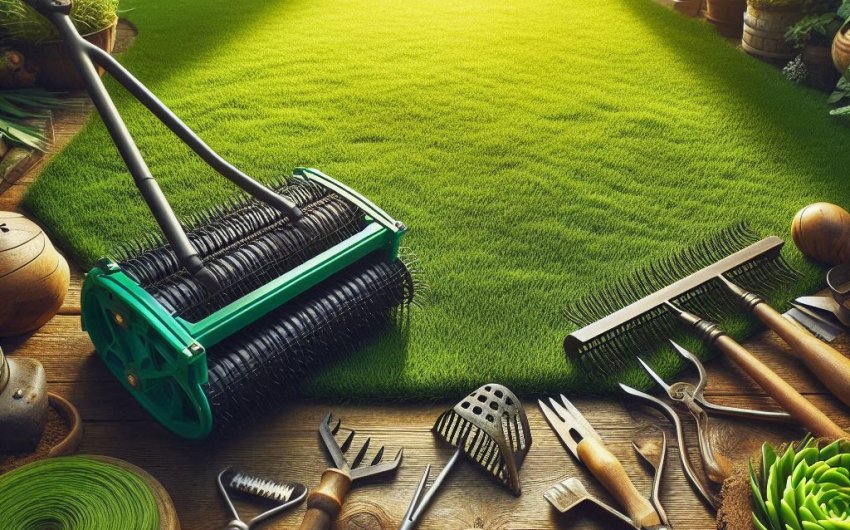
Reducing compacted lawn soil is essential for a thriving, healthy lawn. When soil particles are pressed together tightly, air, water, and nutrients struggle to reach the grass roots, leading to a weak, stressed, and often brown lawn. Understanding the causes of compaction and implementing effective solutions can transform your turf, allowing it to flourish. This comprehensive guide will walk you through everything you need to know to loosen up your soil and promote vigorous grass growth.
What is Compacted Lawn Soil and Why Is It a Problem?
Compacted lawn soil occurs when the soil particles are pressed together, reducing the pore space between them. Think of healthy soil as a sponge with lots of tiny air pockets. When it's compacted, it becomes like a dense brick.
How Compaction Happens:
- Foot Traffic: Regular walking, playing, or pet activity.
- Heavy Machinery: Construction equipment, heavy lawn mowers.
- Heavy Rain: Rain can push soil particles closer together, especially on sloped areas.
- Fine Soil Particles: Clay soils are naturally more prone to compaction due to their small particle size.
- Overwatering: Constantly saturated soil can also lead to compaction.
- Thatch Buildup: A thick layer of thatch (dead grass stems and roots) can prevent water from reaching the soil, worsening compaction.
Problems Caused by Compaction:
- Poor Air Circulation: Grass roots need oxygen to breathe and grow. Compacted soil starves them.
- Reduced Water Penetration: Water runs off the surface instead of soaking in, leading to inefficient watering and potential erosion.
- Nutrient Lockout: Fertilizers and other nutrients can't penetrate to the roots, leading to nutrient deficiencies even if you apply them.
- Stunted Root Growth: Roots struggle to push through dense soil, remaining shallow and making the grass vulnerable to drought and stress.
- Increased Thatch: Poor air and water movement slows down the decomposition of organic matter, leading to thatch buildup.
- Weed Proliferation: Weeds like broadleaf plantain and knotweed thrive in compacted soil where turf struggles.
Ultimately, compacted lawn soil creates an unhealthy environment for grass, making it weak, patchy, and more susceptible to disease and pests.
How Do You Identify Compacted Lawn Soil?
Before you begin efforts to reduce compacted lawn soil, you need to confirm that compaction is indeed your problem. Look for these tell-tale signs:
1. The Screwdriver Test
This is a simple, effective way to check soil density.
- Find a Spot: Choose an area of your lawn that appears unhealthy.
- Push a Screwdriver: Try pushing a long-bladed screwdriver into the soil.
- Assess Resistance:
- If it goes in easily with little resistance (4-6 inches deep), your soil is likely healthy.
- If it's very difficult to push in, or only goes in an inch or two, you likely have compacted soil.
2. Water Runoff
- Observation: After rain or irrigation, observe how quickly water soaks into your lawn.
- Sign of Compaction: If puddles form and take a long time to disappear, or if water immediately runs off into hardscaped areas, it's a strong indicator of compacted soil.
3. Sparse, Stunted Grass Growth
- Visual Cues: Look for areas where the grass is consistently thin, patchy, or growing poorly despite adequate watering and fertilization.
- Weed Invasion: Certain weeds, such as broadleaf plantain, knotweed, and dandelions, are often indicators of compacted soil because they can tolerate conditions that grass cannot.
4. Hardness Underfoot
- Feel the Ground: Walk across your lawn. Does it feel hard and unyielding, or does it have a slight give, like a healthy sponge? A hard feel suggests compaction.
5. Thatch Layer
- Check Thatch Depth: Dig up a small plug of your lawn (about 3-4 inches deep). Examine the layer between the green grass blades and the soil surface.
- Compaction Link: If this "thatch" layer is thicker than 1/2 inch, it can contribute to or be a symptom of compaction, as poor soil health slows down the breakdown of organic matter.
If you notice one or more of these signs, it's time to take action to reduce your compacted lawn soil.
What Is the Best Time to Reduce Compacted Lawn Soil?
Timing is crucial for effective results when reducing compacted lawn soil. You want to treat the lawn when the grass is actively growing and can recover quickly from the process.
Cool-Season Grasses (Kentucky Bluegrass, Fescue, Ryegrass):
- Best Time: Late summer to early fall (August to October) or early spring (March to May).
- Why: These are periods of active growth for cool-season grasses, allowing them to rapidly recover from aeration and fill in any gaps. Fall aeration is particularly beneficial as it prepares the lawn for winter and vigorous spring growth.
Warm-Season Grasses (Bermuda, Zoysia, St. Augustine, Centipede):
- Best Time: Late spring to early summer (April to June).
- Why: This is when warm-season grasses are at their peak growth, making them resilient to the aeration process and enabling quick recovery.
Avoid efforts to reduce compacted lawn soil when:
- The grass is dormant: Treating dormant grass (due to extreme heat/drought or cold) can cause permanent damage.
- The soil is bone dry: Very dry, hard soil is difficult for aeration equipment to penetrate, and can damage tools.
- The soil is overly wet/muddy: This can cause further compaction and make a huge mess. Aim for moist, but not saturated, soil.
For optimal results, water your lawn thoroughly a day or two before your chosen method to soften the soil.
What Are the Most Effective Methods for Reducing Compacted Lawn Soil?
There are several proven methods for reducing compacted lawn soil, ranging from manual techniques for small areas to mechanical solutions for larger lawns.
Method 1: Core Aeration (Most Effective)
What It Is: Core aeration (or plug aeration) is the gold standard for relieving compacted soil. It uses specialized equipment to remove small cylindrical plugs of soil (cores) from the lawn.
How It Works: By removing soil plugs, it creates immediate pathways for air, water, and nutrients to penetrate deep into the root zone. It also relieves pressure on the surrounding soil, allowing it to decompress. The removed plugs contain beneficial microbes that help break down thatch as they decompose.
Tools:
- Manual Core Aerator: A foot-powered tool, ideal for small, localized areas or spot treatment. Example: Manual Core Aerator
- Tow-Behind Aerator: Attaches to a riding lawn mower. Suitable for medium to large lawns.
- Walk-Behind Aerator: Gas-powered or electric, similar to a lawn mower. Best for large lawns. These are commonly rented from equipment rental stores.
Pros: Highly effective, immediate results, aids in thatch breakdown, excellent for promoting deep root growth.
Cons: Can be labor-intensive or require rental equipment, leaves soil plugs on the surface (which eventually disappear).
Method 2: Liquid Aeration
- What It Is: Liquid aeration involves applying a liquid solution (typically containing surfactants or humic acid) to the lawn.
- How It Works: These products don't physically remove soil. Instead, they work by breaking down the surface tension of water, allowing it to penetrate deeper into the soil. Some products also contain humic or fulvic acids that can help aggregate soil particles, making the soil "feel" looser over time.
- Application: Applied with a Hose-End Sprayer for Liquid Aerator or a pump sprayer. Example: Liquid Aerator for Lawns
- Pros: Easy to apply, no heavy equipment, safe for all lawn types, can be a good supplement to core aeration.
- Cons: Not as effective as core aeration for severe compaction, results are typically more gradual and less dramatic.
Method 3: Topdressing with Organic Matter
- What It Is: Topdressing involves applying a thin layer of organic material (like compost, peat moss, or sand-compost mix) over your existing lawn.
- How It Works: Over time, the organic matter works its way into the soil, improving soil structure, increasing aeration, and enhancing drainage and nutrient retention. It also feeds beneficial microorganisms.
- Application:
- Prepare Lawn: Mow your lawn short and ideally aerate it first to create channels for the topdressing.
- Spread Evenly: Apply a 1/4 to 1/2 inch layer of fine, screened compost or topsoil blend using a shovel or a Topdressing Spreader.
- Rake In: Use the back of a rake or a push broom to work the compost into the grass canopy and aeration holes.
- Water: Lightly water the lawn to settle the material.
- Pros: Improves overall soil health, long-lasting benefits, adds nutrients, can be combined with overseeding.
- Cons: Can be labor-intensive for large areas, results are gradual, requires quality organic material.
Method 4: Spike Aeration (Limited Effectiveness)
- What It Is: Spike aerators are tools that poke holes in the soil with solid tines or spikes, but they do not remove soil.
- How It Works: They create immediate pathways for water and air, but the act of pushing the spike into the soil can sometimes cause more compaction around the edges of the holes.
- Tools:
- Aerator Shoes: Strapped to your boots. Example: Spike Aerator Shoes
- Manual Spike Aerator: A hand-held tool.
- Spike Aerator Roller: A rolling drum with spikes. Example: Rolling Lawn Aerator
- Pros: Inexpensive, easy to use for light compaction or very small areas.
- Cons: Least effective for significant compaction, can worsen compaction around holes, not recommended as a primary solution.
For truly addressing compacted lawn soil, core aeration combined with topdressing and good ongoing cultural practices yields the best results.
Step-by-Step Guide to Core Aeration
Since core aeration is the most effective method for reducing compacted lawn soil, here's a detailed guide.
1. Prepare Your Lawn
- Mow Short: Mow your lawn to its regular height (or slightly shorter) a day or two before aerating. Shorter grass prevents tangling and allows the aerator to penetrate more easily.
- Water Appropriately: Water your lawn thoroughly 1-2 days before. The soil should be moist but not soggy or muddy. This makes it easier for the aerator tines to penetrate and pull out plugs.
- Clear Obstacles: Mark any sprinkler heads, buried utility lines, or shallow landscape lighting with flags or spray paint to avoid damage. Remove any large sticks, rocks, or debris.
2. Operate the Core Aerator
- Safety First: If using a rented machine, read the operator's manual carefully. Wear appropriate footwear and gloves.
- Make First Passes: Start by making passes over the entire lawn. For moderately compacted lawns, a single pass with overlapping rows is often sufficient.
- Criss-Cross for Severe Compaction: For heavily compacted areas or high-traffic zones, make a second pass perpendicular to the first (a criss-cross pattern) to ensure maximum hole density. Aim for 20-40 holes per square foot in severely compacted areas.
- Overlap Rows: Overlap each row slightly to ensure uniform coverage and avoid missing spots.
- Focus on Problem Areas: Spend extra time on areas that show clear signs of severe compaction, such as compacted paths or areas with poor drainage.
3. After Aeration Care (The Crucial Follow-Up)
- Leave the Plugs: Do not rake up or remove the soil plugs. They contain valuable organic matter and beneficial microorganisms. They will break down naturally (usually within 2-4 weeks, depending on rain and mowing) and return their nutrients to the lawn. Running your mower over them will help break them down faster.
- Water Your Lawn: Water your lawn lightly after aerating. This helps settle the soil around the newly exposed roots and encourages nutrient absorption.
- Fertilize: Aeration creates direct pathways for nutrients. This is the absolute best time to apply a slow-release Lawn Fertilizer formulated for your grass type.
- Overseed: If your lawn is thin or you want to introduce new grass varieties, overseeding immediately after aeration is highly effective. The grass seeds fall directly into the holes, providing excellent seed-to-soil contact and moisture for germination. Use a Lawn Seed Spreader for even distribution.
- Limit Traffic: Try to limit heavy foot traffic on your lawn for a week or two after aeration to allow the grass to recover and the plugs to break down.
Long-Term Strategies for Reducing Compacted Lawn Soil
While aeration provides immediate relief, long-term strategies are key to preventing future compaction and maintaining healthy soil. This goes beyond just reactive measures and focuses on proactive care for reducing compacted lawn soil.
1. Improve Soil Organic Matter
- Why It Helps: Organic matter acts like a sponge, improving soil structure, water retention, and aeration. It creates stable aggregates, preventing soil particles from compacting.
- Methods:
- Leave Grass Clippings: If you mow regularly and only remove 1/3 of the blade, leave the grass clippings on the lawn. They decompose quickly, returning nutrients and organic matter to the soil.
- Compost Topdressing: As mentioned, apply a thin layer of fine, screened compost annually or every other year.
- Aeration + Topdressing: This combination is powerful. Aeration creates channels for compost to work its way deeper into the soil.
2. Practice Proper Watering Techniques
- Deep and Infrequent: Water deeply (to encourage deep root growth) but less often. Aim for 1 inch of water per week, including rainfall. Shallow, frequent watering encourages shallow roots and can contribute to surface compaction.
- Avoid Overwatering: Continuously soggy soil can lead to waterlogging and compaction, especially in clay soils. Ensure good drainage.
3. Mow at the Correct Height
- Taller Grass is Better: Mow at the highest recommended height for your grass type (typically 2.5-3.5 inches or more). Taller grass shades the soil, keeps it cooler, reduces evaporation, and promotes a deeper, stronger root system that naturally helps loosen soil.
- Avoid Scalping: Cutting the grass too short stresses the plant and weakens its root system, making it more vulnerable to compaction and other issues.
4. Limit Foot Traffic in Problem Areas
- Create Pathways: If certain areas of your lawn receive constant foot traffic, consider installing stepping stones, a small patio, or a dedicated pathway to redirect traffic and reduce pressure on the grass.
- Rotate Play Areas: If you have children or pets, try to vary their play areas to distribute traffic pressure.
5. Choose Appropriate Grass Varieties
- Drought and Compaction Tolerance: If you live in an area prone to compaction or drought, research grass varieties that are known to tolerate these conditions well. For example, some fescues and Bermuda grass types can be more resilient.
6. Avoid Compacting During Wet Conditions
- Mowing After Rain: Avoid mowing your lawn immediately after heavy rain when the soil is saturated. Mowing on wet, soft soil can cause significant compaction from the mower wheels.
- Heavy Equipment: Be mindful of where you drive vehicles or place heavy items on your lawn, especially when the soil is wet.
By integrating these long-term strategies, you'll not only resolve existing compacted lawn soil but also proactively prevent its return, leading to a consistently healthier, more beautiful lawn.
Common Mistakes to Avoid When Reducing Compacted Lawn Soil
To maximize your efforts and prevent further issues, be aware of these common pitfalls when tackling compacted lawn soil.
- Aerating at the Wrong Time: Trying to aerate when the grass is dormant or the soil is rock-hard will be ineffective and can damage your equipment or harm your lawn.
- Not Watering Before Aeration: Dry soil is incredibly difficult to penetrate, leading to shallow holes and excessive strain on your aerator.
- Aerating Overly Wet Soil: While moist is good, muddy or saturated soil can clog the aerator, create a huge mess, and worsen compaction.
- Ignoring the Plugs: Raking up the soil plugs defeats one of the key benefits of core aeration, which is to return organic matter and beneficial microbes to the soil. Let them break down naturally.
- Not Following Up with Fertilizing and Overseeding: Aeration creates the ideal environment for these follow-up treatments. Missing this opportunity means you're not maximizing the benefits of your hard work.
- Assuming One-Time Fix: For truly compacted lawn soil, it's usually not a one-time fix. Regular aeration (every 1-3 years depending on your lawn) and ongoing soil health practices are essential.
- Relying Only on Spike Aerators for Compaction: Spike aerators are not effective for true compaction relief. They can even make it worse. Only use them for very light, superficial issues, if at all.
- Over-Fertilizing: Too much nitrogen can lead to excessive top growth at the expense of root development, making the grass more susceptible to stress from compacted soil. Follow recommended rates.
Frequently Asked Questions About Reducing Compacted Lawn Soil
Here are answers to common questions about tackling compacted lawn soil.
How deep should the holes be when aerating?
For effective core aeration, the holes should ideally be about 2-3 inches deep and spaced a few inches apart. This depth allows for good penetration and loosening of compacted soil around the root zone where the grass roots need the most access.
Can I aerate if I have an automatic sprinkler system?
Yes, but you absolutely must mark all sprinkler heads before you start aerating. Hitting a sprinkler head with an aerator can cause significant damage and costly repairs. Use bright flags or spray paint to clearly identify their locations.
Is liquid aeration as good as core aeration?
No, liquid aeration is not as effective as core aeration for severe compacted lawn soil. Liquid products can help improve water penetration and gradually loosen the topsoil, but they do not physically remove plugs of soil to create immediate air and water channels, nor do they relieve deep compaction as effectively as a core aerator. Liquid aeration is best used for very light compaction or as a supplemental treatment to maintain soil health between core aerations.
How soon will I see results after aerating?
You might notice a difference in water absorption almost immediately. However, it usually takes 2-4 weeks for the soil plugs to break down and for the grass to start showing signs of improved growth, especially if you overseeded and fertilized. The full benefits, like a denser, more resilient lawn, may become apparent over the course of a season or two.
What should I do with the plugs after core aeration?
Leave the soil plugs on the lawn. They contain beneficial microorganisms and nutrients that will be returned to the soil as they break down. Mowing over them can help them decompose faster. Raking them up removes valuable organic matter from your lawn.
Can I aerate my lawn too much?
While aeration is beneficial, it's possible to over-aerate. Most lawns only need core aeration every 1-3 years, depending on soil type, grass type, and traffic levels. Aerating too frequently can unnecessarily stress the grass. Listen to your lawn and use the "screwdriver test" to determine if aeration is truly needed.
Will aerating help with moss or weeds?
Aeration directly helps with conditions that contribute to moss and weed growth. Moss thrives in compacted, poorly drained soil with low pH. By reducing compacted lawn soil, you improve drainage and aeration, creating an environment less favorable for moss. Similarly, many common lawn weeds (like plantain and dandelions) thrive in compacted soil where grass struggles. By improving soil health, you create a denser, healthier turf that can outcompete these weeds naturally.
Is it worth renting an aerator or should I hire a professional?
The decision depends on your lawn size, budget, and comfort level:
- Renting: More cost-effective for medium to large lawns if you're comfortable operating machinery. Rentals typically cost $70-$100+ per day.
- Hiring a Professional: More convenient and ensures the job is done correctly, especially for very large or challenging lawns. Costs vary but expect $150-$400+ depending on lawn size and location.
For smaller lawns or spot treatment, a manual aerator is a cost-effective alternative.
Tackling compacted lawn soil is one of the most impactful steps you can take to foster a thriving, resilient lawn. By understanding the problem, identifying its signs, and applying proven solutions, you'll cultivate a greener, healthier landscape that can better withstand environmental stresses and truly flourish.