
How to Handle Moss Invasion in Damp Lawn Areas?
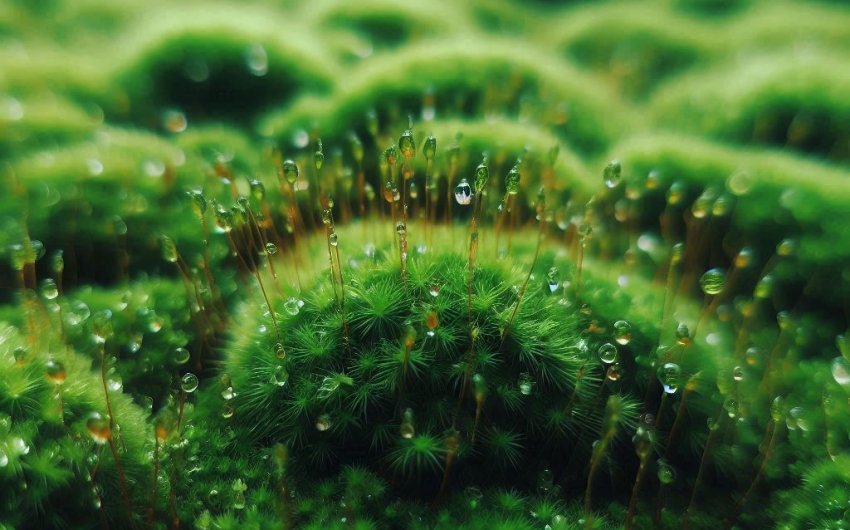
Moss creeping across your lawn, especially in persistently damp areas, is a clear sign that something in your lawn's environment isn't quite right for healthy grass growth. While a patch of moss can be charming in a woodland setting, its invasion in a manicured lawn means your grass is struggling. Understanding how to handle moss invasion in damp lawn areas involves more than just removing the moss; it requires addressing the underlying conditions that allow moss to thrive where grass won't. This guide will walk you through diagnosing, treating, and preventing moss problems for a healthier, lusher lawn.
Why Does Moss Invade Damp Lawn Areas?
Moss is a primitive plant that thrives in conditions where turfgrass struggles. When you see moss appearing in your lawn, especially in damp areas, it's a clear indicator of environmental imbalances that favor moss over grass. Understanding these underlying causes is crucial for effective long-term control.
Ideal Conditions for Moss Growth
Moss doesn't "take over" healthy grass; it merely fills in where grass can't grow well. It particularly loves:
- Excessive Moisture/Poor Drainage: This is often the primary culprit, especially in "damp lawn areas." Moss thrives in consistently wet soil because it absorbs water directly through its leaves (no roots needed for water uptake). If your soil is waterlogged, compacted, or in a low-lying area that retains water, moss will flourish.
- Shade: Moss is highly shade-tolerant. While some grass types (like fine fescues) can tolerate partial shade, dense shade often weakens grass to the point where moss can outcompete it. Trees, buildings, or dense shrubs can cast persistent shade.
- Compacted Soil: Dense, compacted soil severely limits air, water, and nutrient penetration to grass roots. Grass roots suffocate and struggle, while moss, with its minimal root structure, can easily spread over the surface.
- Low Soil pH (Acidic Soil): Moss generally prefers acidic soil (pH below 5.5). While some lawn grasses can tolerate slightly acidic conditions, extreme acidity can "lock up" essential nutrients like phosphorus, making them unavailable to the grass and weakening it.
- Nutrient Deficiencies: A lack of essential nutrients, particularly nitrogen (for healthy green growth) and potassium (for stress tolerance), weakens grass. Moss, with its lower nutrient requirements, takes advantage of this.
- Poor Air Circulation: In humid, shaded, and damp areas, stagnant air can create a moist microclimate around the soil surface that further encourages moss growth and fungal issues in grass.
- Thin or Stressed Turf: Any condition that weakens the grass (e.g., mowing too short, traffic, disease, pests) creates bare spots or thin areas where moss spores can easily germinate and establish.
The Role of Dampness
When we talk about "damp lawn areas," it points directly to poor drainage, water retention, or continuous moisture from irrigation or rain. Moss, unlike grass, doesn't rely on roots for water absorption. It simply soaks up surface moisture, making it perfectly suited for perpetually wet environments where grass roots might suffocate due to lack of oxygen.
By understanding that moss is a symptom of underlying problems, you can move beyond temporary fixes and implement long-term solutions for handling moss invasion in damp lawn areas.
How Do You Diagnose the Underlying Causes of Moss in Your Lawn?
Successfully handling moss invasion in damp lawn areas begins with accurately diagnosing the root causes. Moss is a symptom, not the primary problem, so simply removing it without addressing what allowed it to grow will lead to its return.
1. Assess Light Levels
- Observation: Spend time observing your lawn at different times of the day.
- Shade Patterns: Are the mossy areas consistently shaded by large trees, fences, buildings, or dense shrubs?
- Too Much Shade: If the area receives less than 4 hours of direct sunlight per day, or mostly dappled shade, then lack of light for grass is a major contributing factor.
2. Check Soil Moisture and Drainage
- Soggy Feel: After rain or watering, does the mossy area stay visibly wet or feel squishy long after other parts of the lawn have dried out?
- Standing Water: Does water consistently pool in these areas?
- The Screwdriver Test: Try pushing a long screwdriver or a metal rod into the soil. If it's difficult to push in more than a few inches, your soil is likely compacted, preventing good drainage and root penetration.
- Percolation Test: For a more definitive test:
- Dig a hole 1 foot deep and 1 foot wide in the affected area.
- Fill it with water and let it drain completely.
- Fill it again and time how long it takes for the water to drain.
- Results: If it drains within 1-2 hours, drainage is good. If it takes 4-6 hours, drainage is fair. If it takes longer than 8-12 hours, drainage is poor and compaction/heavy clay is likely an issue.
3. Perform a Soil Test
- Soil pH: This is critical. Moss prefers acidic soil (low pH). A soil test will tell you your lawn's exact pH level. Most lawn grasses prefer a slightly acidic to neutral pH (6.0-7.0). If your pH is significantly below 6.0, it can lead to nutrient lock-up that weakens grass.
- Nutrient Levels: The test will also reveal deficiencies in essential nutrients, especially nitrogen, phosphorus, and potassium, which grass needs to be strong. Moss, being a less demanding plant, thrives in nutrient-poor conditions.
- Organic Matter: A soil test can indicate low organic matter, which contributes to poor soil structure and drainage.
- How to Test: Contact your local cooperative extension office for instructions on how to collect and send a soil sample. This is the most accurate method. Alternatively, use a Rapitest 1818 Soil Test Kit for a basic home check.
4. Assess Grass Health and Density
- Thinning Turf: Is the grass in the mossy areas thin, weak, or patchy? Moss rarely grows in a healthy, dense lawn.
- Mowing Height: Are you mowing your lawn too short? Short grass is more stressed and allows more sunlight to reach the soil, encouraging moss.
- Traffic: Are there high-traffic patterns that are compacting the soil and weakening the grass?
By systematically investigating these factors, you can accurately diagnose the specific reasons why moss is invading your damp lawn areas and formulate an effective, long-term strategy for its removal and prevention.
How Do You Treat Existing Moss in Your Lawn?
Once you've identified the underlying causes of your moss invasion in damp lawn areas, you'll likely want to get rid of the existing moss. There are several ways to do this, ranging from manual removal to moss control products.
1. Manual Removal / Raking
- Method: For small patches or if you prefer a chemical-free approach, you can physically rake out the moss. Use a stiff-tined rake or a dethatching rake to vigorously scrape and lift the moss from the soil surface.
- Pros: Chemical-free, provides immediate gratification, and also helps to dethatch the lawn.
- Cons: Labor-intensive for large areas. Does not address the underlying causes, so moss will return if conditions aren't changed.
- Best Time: Do this when the moss is damp but not soaking wet, which makes it easier to remove.
2. Using Moss Control Products (Moss Killers)
Moss control products typically contain ingredients like ferrous sulfate (iron sulfate), fatty acids, or potassium salts of fatty acids. They work by killing the moss, causing it to turn black.
- Iron-Based Moss Killers (Ferrous Sulfate):
- How it Works: Iron sulfate burns the moss, turning it black, but it generally won't harm the grass. It also provides a temporary green-up for the grass (due to the iron).
- Application: Available in granular or liquid forms. Follow label instructions precisely for dilution and application rates. A Moss Out! Granular Moss Killer is a common choice.
- Caution: Iron can stain concrete, pavers, and other hard surfaces. Be careful when applying and immediately rinse off any product that lands on non-lawn areas.
- Best Time: Apply when temperatures are cool (below 70°F or 21°C), typically in late fall, early spring, or even during winter thaws.
- Fatty Acid-Based Moss Killers:
- How it Works: These are usually liquid, contact-action moss killers that break down moss cells.
- Pros: Fast-acting, generally considered more eco-friendly than harsher chemicals.
- Cons: Can be more expensive, usually require more precise application.
- After Application: Wait a week or two for the moss to turn black. Once it's dead, vigorously rake it out to remove the debris.
3. Power Raking / Dethatching
- Method: For severe moss infestations across a large area, renting a power rake (dethatcher) can be efficient. This machine uses rotating flails or tines to aggressively pull out moss and thatch.
- Pros: Very effective at removing large quantities of moss and thatch.
- Cons: Can be very aggressive on the lawn and requires subsequent clean-up. Needs to be done carefully to avoid damaging healthy grass.
- Best Time: Late spring or early fall when the grass is actively growing and can recover quickly.
4. Adjusting Soil pH with Lime (If Soil is Acidic)
- Based on Soil Test: If your soil test indicated very acidic soil (pH below 5.5), applying lime (calcium carbonate or dolomitic lime) will raise the pH to a more favorable range for grass, making the environment less hospitable for moss.
- How it Works: Lime slowly neutralizes soil acidity.
- Application: Apply granular lime with a broadcast spreader according to the recommendations from your soil test report. A Jonathan Green Mag-I-Cal Plus for Acidic Soil can work.
- Patience: pH adjustment is a slow process; it can take several months to see significant changes. Re-test your soil every 6-12 months.
- Timing: Spring or fall are good times to apply lime.
After treating and removing the moss, the next and most critical step is to implement long-term preventative measures to address the underlying causes, ensuring the moss doesn't return to your damp lawn areas.
How Do You Prevent Moss from Returning to Your Lawn?
Removing existing moss is only a temporary fix. To permanently handle moss invasion in damp lawn areas, you must address the underlying environmental and soil conditions that favor moss over grass. Prevention is truly about making your lawn an inhospitable environment for moss.
1. Improve Soil Drainage and Aeration
This is critical for damp areas.
- Core Aeration: This is perhaps the most important step for improving drainage and alleviating compaction. An aerator removes small plugs of soil, creating channels for air, water, and nutrients to penetrate deeper into the root zone.
- Frequency: Do this annually, especially in moss-prone areas or with heavy clay soil.
- Timing: Fall is ideal for cool-season grasses; late spring/early summer for warm-season grasses.
- Tools: Rent a core aerator for large lawns, or use a M.J. Hummel Manual Lawn Coring Aerator for smaller spots.
- Topdressing with Organic Matter: After aeration, apply a thin layer (1/4 to 1/2 inch) of good quality compost or compost/sand mix. This improves soil structure over time, enhancing drainage in heavy soils and water retention in sandy soils, while also adding beneficial microbes.
- Address Grading Issues: For severe drainage problems, you might need to regrade low spots or install French drains to divert excess water away from the lawn. This is a more extensive project but crucial for persistent dampness.
2. Increase Sunlight and Air Circulation
If shade is a factor, increasing light is key.
- Prune Trees and Shrubs: Trim lower branches or thin out the canopy of overgrown trees and shrubs that are casting too much shade on your lawn. This allows more sunlight and air circulation to reach the grass.
- Remove Obstructions: Move any objects that block light or airflow, such as large garden decor, storage sheds, or woodpiles, from mossy areas.
- Consider Alternatives to Grass: In areas of dense, persistent shade where grass simply won't thrive, even after pruning, consider replacing turf with shade-loving groundcovers (e.g., vinca, hostas, ferns), mulched beds, or stepping stones. Trying to force grass in these areas will be a losing battle.
3. Optimize Soil pH (Based on Soil Test)
- Lime for Acidic Soil: If your soil test indicated an acidic pH (below 6.0), apply lime (calcium carbonate or dolomitic lime) to raise it to the optimal range for grass (6.0-7.0). This makes nutrients more available to the grass and creates a less favorable environment for moss.
- Application: Use a broadcast spreader and follow soil test recommendations precisely. A Espoma Organic Lawn Lime is a good choice.
- Re-test: Re-test your soil pH every 1-2 years to monitor and maintain the correct balance.
4. Strengthen Your Lawn with Proper Nutrition
- Balanced Fertilization: A healthy, vigorous lawn is your best defense against moss. Fertilize regularly with a balanced, slow-release fertilizer appropriate for your grass type. This provides the nutrients grass needs to grow dense and strong, outcompeting moss.
- Leave Grass Clippings: Continue to mulch mow. Grass clippings return valuable nutrients and organic matter to the soil, naturally enhancing fertility.
5. Improve Mowing Practices
- Mow Higher: Continue to mow your lawn at the highest recommended height for your grass type (2.5-3.5 inches). Taller grass shades the soil, suppresses weeds, and promotes deeper roots, making it more competitive against moss.
- Sharp Blades: Ensure your mower blades are always sharp for a clean cut, which reduces stress on the grass.
6. Overseeding and Maintaining Density
- Fill in Thin Spots: After addressing underlying issues and removing moss, overseed the affected areas (and potentially the entire lawn) with high-quality grass seed suited to your light conditions.
- Shade-Tolerant Seed: If shade is still a factor, choose a shade-tolerant grass seed blend (e.g., those containing fine fescues for cool seasons). A Pennington Smart Seed Dense Shade Mix can work.
- Timing: Fall is generally the best time for cool-season overseeding; late spring/early summer for warm-season.
- Regular Overseeding: Consider regular overseeding every 1-3 years to maintain a dense turf that naturally resists moss.
By consistently implementing these preventative measures, you can transform your damp lawn areas into thriving grass, effectively putting a stop to moss invasion and maintaining a beautiful, healthy lawn for years to come.