
Reviving Lawns After Snow Plow and Shovel Damage
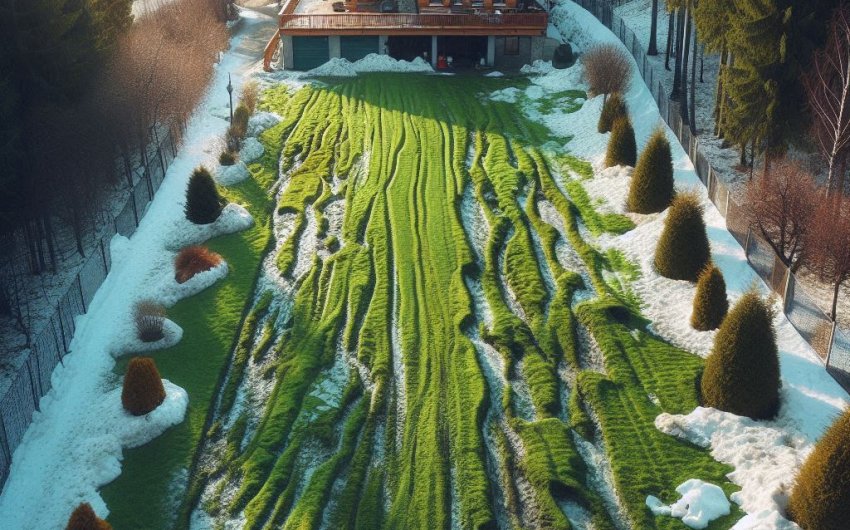
Winter often brings a beautiful blanket of snow, but for homeowners in cold climates, it can also bring a headache to the lawn. The necessary process of clearing driveways and sidewalks with snow plows and shovels frequently results in unintended damage to the adjacent grass. Seeing torn-up turf, compacted snow banks, or salt-stained brown patches emerge in spring can be disheartening. Thankfully, reviving lawns after snow plow and shovel damage is a very achievable goal with the right approach and a little patience. This guide will walk you through identifying common winter lawn damage and provide a comprehensive plan to help your lawn heal and return to its former glory.
What Kinds of Damage Can Snow Plows and Shovels Inflict?
Winter lawn damage isn't just cosmetic; it can impact the health of your grass and soil. Understanding the different types of injury is the first step in effective repair.
1. What is Physical Damage to Turf?
This is often the most obvious and immediate type of damage from plows and shovels.
- Torn Sod/Ruts: Snow plows can scrape along the edge of driveways, tearing up strips of sod and creating unsightly ruts, especially if the ground beneath is soft or uneven. Shovels can also dig into the lawn edge, lifting pieces of turf.
- Compacted Soil: Heavy snow pushed by plows, or large snow piles created by shoveling, can compact the soil underneath. This compaction reduces air pockets in the soil, making it difficult for grass roots to grow and for water and nutrients to penetrate.
- Buried Debris: Sometimes, gravel or debris from the driveway or sidewalk can get pushed onto the lawn, creating an uneven surface and potentially smothering grass.
- Solutions: These require direct repair, often involving leveling, reseeding, or resodding.
2. How Does Salt and De-Icer Damage Grass?
Road salt and de-icers, while essential for safety, are highly detrimental to grass.
- Salt Burn: Sodium chloride (common road salt) draws moisture out of grass roots, leading to dehydration and salt burn. This manifests as grass turning brown, crispy, and dying along the edges of paved areas.
- Soil Salinity: Salt also accumulates in the soil, increasing its salinity (salt content). High soil salinity makes it difficult for grass roots to absorb water, even when present, and can inhibit future growth.
- Altered Soil pH: Some de-icers can alter the soil's pH, further stressing the grass.
- Solutions: Leaching the soil with water and amending it to flush out salts.
3. What About Snow Mold and Other Fungal Diseases?
Prolonged snow cover, often exacerbated by plowed or shoveled snow piles, creates ideal conditions for fungal diseases.
- Pink Snow Mold (Fusarium Patch): As discussed in previous topics, this causes small, circular, pinkish-brown or straw-colored patches. It thrives under prolonged snow cover, especially when the ground isn't fully frozen.
- Gray Snow Mold (Typhula Blight): Creates circular, matted, straw-colored patches, sometimes with a gray, cottony fungal growth, particularly when snow melts.
- Conditions: These molds flourish in cool, wet environments under snow. Heavy, prolonged snow piles created by plows or shovels, especially on unfrozen ground, provide the perfect habitat.
- Solutions: Primarily cultural practices to improve airflow and drainage once snow melts, and sometimes fungicides for severe cases.
4. How Does Winter Desiccation (Winter Kill) Occur?
While not directly caused by plows or shovels, areas prone to damage from them are also vulnerable to winter desiccation.
- Wind and Cold: When grass is exposed to drying winter winds and very low temperatures without protective snow cover, it can lose moisture faster than its roots can absorb it from frozen ground. This leads to the grass drying out and dying.
- Areas of Concern: Turf along driveways or sidewalks that are frequently cleared of snow can be more exposed to these harsh conditions.
- Solutions: Encouraging early spring growth and overseeding.
How Do You Assess and Prepare the Damaged Lawn in Spring?
Once the snow has fully melted and the ground begins to thaw, it's time to survey the damage and prepare the affected areas for repair.
1. When Should You Inspect Your Lawn?
Patience is key. Don't rush into repairs while the ground is still frozen or overly saturated.
- Wait for Thaw: Allow all snow and ice to melt completely.
- Soil Condition: Wait until the soil has dried out enough that it's no longer squishy and you can walk on it without leaving deep footprints. Working on waterlogged soil can cause further compaction.
- Timing: This usually means early to mid-spring, depending on your climate (March, April, or even May in colder regions).
2. How Do You Clear Debris and Level the Area?
This is the initial clean-up phase.
- Remove Large Debris: Pick up any rocks, sticks, gravel, or other foreign objects that were pushed onto the lawn by plows or shovels.
- Rake Gently: Lightly rake away any dead grass, matted turf, or surface organic matter from the damaged areas. This helps to expose the soil and improve air circulation.
- Level Ruts and Unevenness: For areas with ruts or significant unevenness from displaced sod:
- Fill Depressions: Use a mixture of good quality topsoil and compost to fill in any low spots or ruts. A garden shovel or hand trowel will be helpful.
- Smooth High Spots: For areas where sod has been pushed up, try to gently push it back down or remove excess soil to create a level surface.
3. How Do You Address Salt-Affected Areas?
Salt damage requires specific intervention to flush out the harmful sodium.
- Leaching: This is the most important step. Once the ground has thawed, thoroughly water the salt-affected areas multiple times over several days. Apply water deeply enough to penetrate the soil and flush the salt downwards, away from the root zone. Think of it as rinsing the soil. A soaker hose can be effective for a slow, deep soak.
- Gypsum Application (Optional but Recommended): For heavily salt-damaged areas, applying granular gypsum (calcium sulfate) can help displace sodium ions in the soil, making them easier to leach away. Follow product label instructions for application rates.
- Avoid Fertilizing Immediately: Do not apply fertilizer to salt-damaged areas until you've thoroughly leached the soil, as fertilizer salts can exacerbate the problem.
What are the Best Repair Methods for Lawn Damage?
Depending on the severity and type of damage, you have several options for repairing your lawn.
1. How Do You Repair Small, Bare Patches?
For minor damage where the grass is simply thinned or completely absent in small spots.
- Overseeding: This is the easiest and most common method.
- Loosen Soil: Lightly rake or use a hand cultivator to loosen the top 1-2 inches of soil in the bare patch. This provides good seed-to-soil contact.
- Add Topdressing (Optional): Apply a thin layer (1/4 inch) of fresh topsoil or compost to enrich the area.
- Spread Seed: Broadcast quality grass seed (matching your existing lawn or a suitable repair blend) evenly over the patch. Use the recommended seeding rate for bare spots, which is typically higher than for overseeding an entire lawn.
- Lightly Rake & Cover: Lightly rake the seed into the soil so it's just barely covered. You can then gently tamp it down with your foot or the back of a shovel.
- Mulch (Optional but Recommended): Cover the seeded area with a very thin layer of straw, peat moss, or a specialized seed-starting mulch. This helps retain moisture and protect the seeds from birds.
- Keep Moist: The most critical step. Keep the seeded area consistently moist (but not soggy) until the new grass germinates and is well-established (several weeks). This may mean light watering several times a day.
2. How Do You Repair Larger Damaged Areas or Ruts?
For more extensive damage or torn sod sections.
- Reseeding: For areas larger than a dinner plate but not an entire section of lawn, reseeding is still a viable option, following the steps above but on a larger scale. You might need to consider a small seed spreader for even application.
- Patching with Sod: If you have large sections of turf completely ripped up or if you need immediate results, laying down new sod is an excellent choice.
- Prepare the Base: Ensure the area is level and free of debris. Loosen the top 2-4 inches of soil.
- Lay Sod: Lay fresh sod rolls tightly together, staggering the seams like bricks.
- Roll/Tamp: Gently roll the sod with a lawn roller or tamp it down to ensure good contact with the underlying soil.
- Water Deeply: Water the new sod immediately and keep it consistently moist for the first 2-3 weeks to encourage rooting.
3. What About Areas with Soil Compaction?
Compacted soil is a silent killer of grass.
- Aeration: For widespread compaction from snow piles, core aeration is highly recommended. This process removes small plugs of soil, creating air pockets and improving drainage and nutrient penetration. Use a core aerator (rental or purchase) in early spring or fall.
- Topdressing: After aeration, applying a thin layer of compost or sandy loam can further improve soil structure.
- Limit Traffic: Avoid heavy foot traffic or vehicle traffic on affected areas, especially when the soil is wet.
How Do You Care for a Repaired Lawn?
Once repairs are made, ongoing care is vital to ensure successful establishment and long-term health, mitigating future winter damage.
1. What are the Key Watering Habits?
- New Seed/Sod: Keep newly seeded or sodded areas consistently moist until established. This means light, frequent watering (2-3 times a day) for the first few weeks, gradually reducing frequency as the grass grows.
- Established Lawn: Once repairs are rooted, switch to deep, infrequent watering. Aim for about 1 inch of water per week, encouraging roots to grow deeper. Water in the early morning.
2. When Should You Fertilize?
- Wait for Establishment: Do not fertilize newly seeded or sodded areas until the grass is well-established (usually after 3-4 mowings for seed, 3-4 weeks for sod).
- Balanced Fertilizer: Once established, apply a balanced lawn fertilizer formulated for spring application. Avoid excessive nitrogen, which can promote disease.
- Soil Test: Consider a soil test kit to determine exact nutrient needs.
3. How Should You Mow a Repaired Lawn?
- New Seed: Don't mow newly seeded areas until the grass is at least 3-4 inches tall. Set your mower to a high setting (usually 2.5-3 inches for most cool-season grasses) and only remove the top one-third of the blade.
- New Sod: Wait about 2-3 weeks after laying sod before the first mow, ensuring it has rooted.
- Sharp Blades: Always use a lawnmower with sharp blades to ensure a clean cut, which reduces stress and disease susceptibility.
4. What About Weed Control?
- Delay Herbicides: Avoid applying weed killers to newly seeded or sodded areas until the new grass is well-established (usually after 3-4 mowings or several months), as herbicides can damage young grass. Hand-pulling weeds in these areas is the safest option initially.
- Pre-Emergent Caution: Do not apply pre-emergent herbicides if you plan to reseed in the same spring, as they will prevent grass seeds from germinating.
5. Can You Prevent Future Snow Plow and Shovel Damage?
Proactive steps can significantly reduce winter lawn damage in the future.
- Mark Driveways/Walkways: Install flexible driveway markers or snow plow markers along the edges of paved areas. This provides a visual guide for plow operators and shoveling efforts, helping them stay on the pavement and off the grass.
- Install Edging: A raised edge along the driveway can act as a barrier against errant plows or shovels, protecting the turf directly.
- Use Pet-Friendly De-Icers: If you must use de-icers, choose pet-safe and environmentally friendly products that are less harsh on vegetation, such as those containing calcium chloride or magnesium chloride in moderation, or even sand for traction.
- Strategize Snow Piles: If possible, direct snow accumulation away from vulnerable lawn areas or delicate plantings. Create a designated snow pile area.
- Avoid Compaction: Try to avoid walking on the lawn when it's frozen or covered in deep snow, as this can lead to compaction once it th thaws.
- Winter Fertilization (Selective): For certain grass types, a late-fall fertilizer application (not high in nitrogen) can help turf stay healthier through winter, making it more resilient. Consult local extension for specific advice.
Successfully reviving lawns after snow plow and shovel damage is a common spring chore for many homeowners. By systematically assessing the damage, preparing the affected areas, and applying the right repair methods combined with diligent post-repair care and preventative measures, you can ensure your lawn bounces back to its vibrant green, ready for the warmer seasons ahead.