
Dealing with Wild Strawberries in Your Lawn
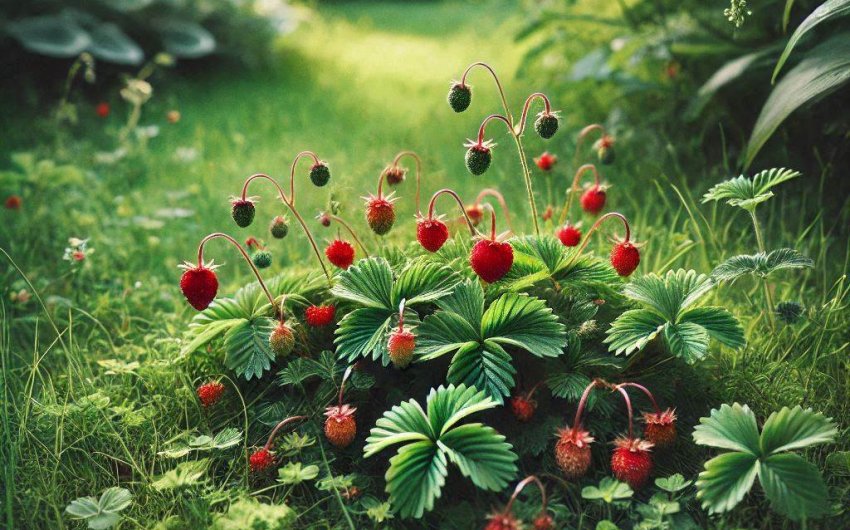
Spotting small, three-part leaves creeping through your lush lawn might initially bring a moment of delight, especially if you think of sweet summer berries. However, what often appears to be edible wild strawberries in your lawn can quickly become a pervasive weed problem. Dealing with wild strawberries in your lawn is a common challenge for homeowners seeking a uniform, pristine turf. While some enjoy their informal charm, their vigorous spreading habit can quickly overtake desired grasses. Understanding the different types, their growth habits, and effective control strategies is key to managing these charming yet invasive groundcovers.
What Are "Wild Strawberries" and Are They All the Same?
The term "wild strawberry" is often used loosely to describe any low-growing plant with trifoliate (three-part) leaves that vaguely resembles a strawberry plant. However, it's crucial to distinguish between true wild strawberries and their common imposters, as their growth habits and control methods can differ.
True Wild Strawberries (Fragaria species):
- Common Types:
- Wild Strawberry (Fragaria virginiana): Native to North America, produces small, edible, intensely flavorful red berries.
- Alpine Strawberry (Fragaria vesca): Also native to temperate regions, produces small, elongated, very sweet berries.
- Appearance:
- Leaves: Trifoliate leaves, typically with serrated edges, growing in a basal rosette. The middle leaflet has a small stalk. Leaves are slightly hairy.
- Flowers: Small, five-petaled white flowers in spring.
- Runners: Produce numerous above-ground runners (stolons) that root at intervals, creating new plants and spreading rapidly.
- Fruit: Small, red, edible berries. When picking, the calyx (green leafy part) easily pulls away from the fruit.
- Habitat: Prefers sunny to partially shaded areas, often found in disturbed soils, meadows, and forest edges, but will readily invade lawns, especially if the turf is thin.
Mock Strawberry / Indian Strawberry (Potentilla indica or Duchesnea indica):
- The Common Imposter: This is often the plant most people mistake for wild strawberry in their lawn. It's an invasive perennial from Asia.
- Appearance:
- Leaves: Also trifoliate, but the leaves tend to be a darker green, often shinier, and less hairy than true wild strawberries. They also have serrated edges, but the central leaflet does not have a distinct stalk (all three leaflets attach at the same point).
- Flowers: Small, five-petaled yellow flowers (a key distinguishing feature from white-flowered true strawberries).
- Runners: Spreads very aggressively via runners, even more so than true wild strawberries.
- Fruit: Produces bright red berries that look similar to small strawberries. However, these berries are tasteless, watery, and gritty, not sweet or flavorful. They are technically non-toxic but not considered edible. When picked, the calyx remains tightly attached to the fruit.
- Habitat: Thrives in similar conditions to true wild strawberries but is even more adaptable, tolerating shade, sun, and various soil conditions. It's a very common lawn weed.
For the purpose of control, both true wild strawberries and mock strawberries behave similarly as lawn weeds, spreading vigorously by runners and forming dense mats. The primary difference is the edibility of the fruit and the color of the flowers.
Why Are Wild Strawberries Growing in My Lawn?
The presence of wild strawberries in your lawn is often an indicator of underlying turf health issues. These plants are opportunistic, quickly colonizing areas where turfgrass is weak or stressed.
- Thin or Sparse Lawn: Wild strawberries thrive where turf is thin, allowing sunlight to reach the soil surface and giving their runners ample space to root.
- Poor Soil Conditions:
- Compacted Soil: Hard, compacted soil can stress turfgrass, making it less vigorous. Wild strawberries, with their more shallow and spreading root systems, can tolerate compaction better.
- Poor Drainage: Areas with consistently damp soil (perhaps from overwatering or clay soil) can also favor wild strawberries over desirable turfgrass.
- Low Fertility: Weak turf due to nutrient deficiencies can be outcompeted by wild strawberries.
- Improper Mowing Practices:
- Mowing Too Short: Scalping the lawn weakens grass, exposing the soil and allowing wild strawberry seeds to germinate and runners to take hold.
- Infrequent Mowing: Allowing the grass to grow too tall can lead to shaded, sparse areas at the base, creating an opening.
- Existing Plants in Adjacent Areas: If you have wild strawberries in garden beds, along pathways, or in nearby natural areas, their runners can easily creep into your lawn.
- Seed Dispersal: Birds and other wildlife consume the berries (especially true wild strawberries) and then disperse the seeds through their droppings. Seeds can also be carried by wind or water.
- Disturbed Soil: Any recent excavation, renovation, or soil disturbance can expose the soil surface, providing an ideal environment for seeds to germinate.
What Are Manual Control Methods for Wild Strawberries?
For smaller infestations or for those who prefer not to use chemicals, manual removal is an effective, albeit labor-intensive, option.
- Hand-Pulling:
- Method: Grasp the plant firmly at the base and pull slowly and steadily to remove as much of the root system and runners as possible.
- Best Time: When the soil is moist (after rain or watering). This makes it easier to pull the roots without breaking them off.
- Frequency: Repeat regularly. Wild strawberries spread rapidly, so consistent removal is key.
- Digging:
- Method: For larger, more established clumps, use a garden trowel or spade to dig out the entire plant, ensuring you get all the runners and root fragments.
- Caution: Be thorough. Any small root or runner piece left behind can regrow.
- Hoeing (for garden beds, not lawns):
- While not suitable for established lawns, if wild strawberries are creeping from an adjacent garden bed, regular hoeing can cut off runners and new plants before they establish firmly.
- Suffocation / Solarization (for large, isolated patches or bed preparation):
- Method: Cover the infested area with thick cardboard, layers of newspaper, or black plastic sheeting. Weigh it down. This blocks light, smothers the plants, and heats the soil to kill seeds.
- Duration: Leave it in place for several weeks to several months, especially during hot weather.
- Limitations: This will kill your existing lawn grass in that area, so it's best for preparing new beds or renovating heavily infested patches.
Key to Manual Control: Persistence! Wild strawberries are prolific spreaders. If you pull them once and then ignore them, they will quickly rebound. Regular monitoring and removal are essential.
How Can Cultural Practices Help Manage Wild Strawberries?
A healthy, dense lawn is your best defense against weed invasion. By improving your turf's vigor, you naturally outcompete wild strawberries.
- Proper Mowing Height:
- Maintain 2.5-3.5 Inches: Mow your lawn at the highest recommended height for your grass type (typically 2.5 to 3.5 inches, or 6 to 9 cm). Taller grass shades the soil, making it harder for wild strawberry seeds to germinate and for new plants to establish. It also helps the turf develop a stronger root system to outcompete weeds.
- Sharp Blades: Use sharp mower blades for a clean cut. Dull blades tear grass, stressing it and making it more susceptible to weeds and diseases.
- Optimal Watering:
- Deep and Infrequent: Water your lawn deeply (1 inch per week) but infrequently. This encourages grass roots to grow deeper, making the turf more resilient to drought and better able to outcompete shallow-rooted weeds. Avoid frequent, shallow watering, which favors weeds.
- Morning Watering: Water in the early morning to allow grass blades to dry before nightfall, reducing fungal disease risk.
- Balanced Fertilization:
- Soil Test: Perform a soil test to understand your lawn's specific nutrient needs.
- Nourish the Grass: Provide your lawn with the correct balance of nutrients to promote dense, vigorous growth. A healthy turf is naturally more resistant to weed invasion. Follow fertilizer label instructions precisely.
- Aeration and Dethatching:
- Compaction: If your soil is compacted, core aerate your lawn annually or biannually to improve air and water penetration, promoting healthier grass roots.
- Thatch: If your thatch layer is thicker than 1/2 inch, it can prevent water and nutrients from reaching the soil. Dethatching can help turf density.
- Overseeding:
- Fill Bare Spots: If your lawn has thin or bare patches, overseed them with a suitable grass seed blend. Dense turf leaves no room for weeds like wild strawberries to establish.
- When: Best done in late summer or early fall for cool-season grasses, or late spring/early summer for warm-season grasses.
- Edge Control: Install edging (metal, plastic, or stone) along garden beds or natural areas adjacent to your lawn to create a physical barrier against wild strawberry runners.
What Are Chemical Control Methods for Wild Strawberries?
For widespread infestations where cultural and manual methods aren't enough, herbicides can be an effective solution. Always use herbicides cautiously and according to label directions.
1. Selective Broadleaf Herbicides:
- How it Works: These herbicides are designed to kill broadleaf weeds (like wild strawberries) without harming turfgrass. They are typically systemic, meaning they are absorbed by the plant and translocated to the roots.
- Active Ingredients: Look for products containing combinations of active ingredients such as:
- 2,4-D
- Mecoprop (MCPP)
- Dicamba
- Triclopyr (often effective on tough broadleaf weeds)
- Application:
- Product Type: Available as liquid concentrates (e.g., Spectracide Weed Stop for Lawns Plus Crabgrass Killer Concentrate) to mix and spray, or ready-to-spray formulations. Granular "weed and feed" products also contain these.
- Timing: Apply when wild strawberries are actively growing, usually in spring or fall, and when temperatures are mild (between 60-85°F or 15-29°C). Avoid application during extreme heat or drought.
- Coverage: Ensure thorough coverage of the wild strawberry leaves.
- Safety: Read and follow all label directions for mixing, application rates, safety precautions (PPE), and watering restrictions. Avoid spraying on windy days to prevent drift onto desirable plants.
- Repeat Applications: You may need multiple applications, 2-4 weeks apart, for complete control, especially for established patches.
2. Spot Treatment with Non-Selective Herbicides (Caution!):
- How it Works: Non-selective herbicides (like glyphosate, e.g., Roundup Weed & Grass Killer) kill any plant they touch.
- Use Case: Only use this method for isolated, larger patches of wild strawberries where you are willing to kill the surrounding lawn grass.
- Application:
- Apply very carefully with a targeted sprayer or brush directly onto the wild strawberry plants.
- Avoid any overspray onto desirable lawn grass.
- Repair: The treated area will die and turn brown. You will need to wait for the herbicide to break down (check label for re-planting interval) before reseeding or re-sodding the bare patch.
3. Pre-Emergent Herbicides (Less Effective for Established Wild Strawberry):
- How it Works: Pre-emergents create a barrier in the soil that prevents weed seeds from germinating.
- Limitations: They are effective only against new seeds, not against existing wild strawberry plants or runners. Since wild strawberries primarily spread by runners, pre-emergents alone won't solve an established problem.
- Use Case: Can be used as a supplemental measure to prevent new seedlings, after established plants have been controlled by other means.
What Are Common Mistakes to Avoid When Dealing with Wild Strawberries?
Avoid these common pitfalls to ensure your efforts are effective and don't inadvertently cause more problems.
- Not Identifying Correctly: Mistaking mock strawberry for true wild strawberry doesn't significantly change control methods, but knowing the plant helps manage expectations (e.g., fruit edibility).
- Ignoring the Problem: Wild strawberries spread aggressively. A small patch can quickly become a large infestation if not addressed.
- Mowing Too Short: This is a common error. It weakens the turf, making it less competitive against weeds.
- Using Roundup (Glyphosate) Broadly: Spraying non-selective herbicides all over your lawn to get rid of wild strawberries will kill your grass too.
- Not Following Label Directions: Herbicides require precise application. Incorrect mixing ratios or timing can lead to ineffective control, plant damage, or environmental harm.
- Poor Cultural Practices: Relying solely on herbicides without improving lawn health is a losing battle. The underlying conditions that allowed the wild strawberries to establish will simply invite them, or other weeds, back.
- Not Cleaning Tools: If you pull or dig out wild strawberries, ensure you clean any soil off your tools to prevent spreading seeds or root fragments to other areas of the garden.
- Composting Infested Material: Don't add wild strawberry plants (especially with runners or seeds) to your compost pile unless you have a very hot compost system that can kill seeds and root fragments. Bag and discard them instead.
Dealing with wild strawberries in your lawn requires a strategic and persistent approach. By accurately identifying the specific type of plant, addressing the underlying issues that weaken your turf, and combining effective manual, cultural, and (if necessary) chemical control methods, you can reclaim your lawn. A healthy, dense, and well-maintained turf is your strongest defense, ensuring those charming but invasive creepers remain a rare sight rather than a widespread problem.