
How to Recognize and Treat Leaf Blight on Lawns?
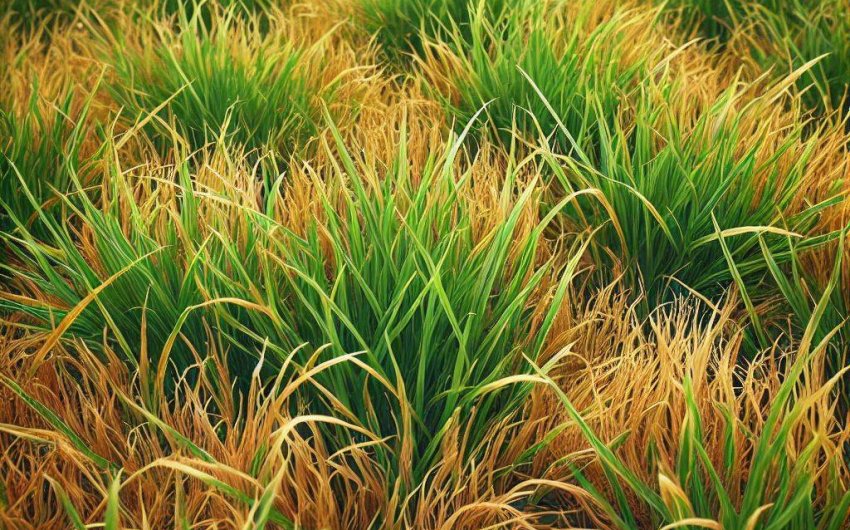
A vibrant green lawn is the pride of any homeowner, but sometimes, unsightly patches of browning or dying grass can quickly emerge, casting a shadow on your landscape. One common culprit behind this rapid decline is leaf blight, a collective term for several fungal diseases that attack turfgrass leaves. Learning how to recognize and treat leaf blight on lawns is crucial for quickly addressing the problem and preventing its spread. This comprehensive guide will help you identify the specific types of leaf blight, understand their causes, and equip you with effective strategies to treat affected areas and implement preventative measures for a healthier, more resilient lawn.
What Exactly is Leaf Blight on Lawns?
Leaf blight isn't a single disease, but rather a descriptive term for a group of fungal infections that primarily attack the blades (leaves) of turfgrass. These diseases cause the grass blades to turn brown, yellow, or develop spots, ultimately leading to widespread dieback if left untreated.
What are the Common Types of Leaf Blight?
Several different fungal pathogens can cause leaf blight symptoms on lawns. Knowing the distinctions can help in diagnosis and treatment.
- Dollar Spot (Sclerotinia homoeocarpa):
- Appearance: Small, circular, sunken patches, typically 2-6 inches in diameter, resembling the size of a silver dollar coin. The affected grass blades within the patches often have distinct hourglass-shaped lesions with a reddish-brown margin and a bleached center. Fine, cobweb-like fungal growth (mycelium) may be visible early in the morning on dew-covered grass.
- Affected Grasses: Primarily affects Bentgrass, Bermudagrass, Ryegrass, Kentucky Bluegrass, and Fescues.
- Conditions: Favored by warm days, cool nights, and prolonged leaf wetness (from dew or light rain) in combination with low nitrogen fertility.
- Brown Patch (Rhizoctonia solani):
- Appearance: Larger, irregularly shaped patches of brown or tan grass, ranging from 6 inches to several feet in diameter. A distinguishing feature is often a dark, smoky-gray ring (known as a "smoke ring") around the perimeter of the patch, especially visible in the morning. Individual blades may have irregular, water-soaked lesions that turn tan or brown.
- Affected Grasses: Most cool-season grasses (Kentucky Bluegrass, Ryegrass, Fescues) and warm-season grasses (Bermudagrass, Zoysiagrass, St. Augustinegrass).
- Conditions: Favored by hot (75-90°F / 24-32°C), humid weather, prolonged leaf wetness, and high nitrogen fertility.
- Melting Out / Leaf Spot (Drechslera poae / Bipolaris sorokiniana):
- Appearance: This disease often starts as small, purplish-black spots on individual grass blades (leaf spot phase). As the disease progresses, it moves into the crowns and roots, causing widespread browning and thinning of the turf, appearing as larger, irregular patches (melting out phase).
- Affected Grasses: Primarily Kentucky Bluegrass, but can affect Fescues and Ryegrass.
- Conditions: Favored by cool, wet springs and falls, followed by warm, moist conditions. Often occurs in areas with stressed turf, compacted soil, or improper mowing height.
- Pythium Blight (Pythium aphanidermatum):
- Appearance: Rapidly spreading, irregularly shaped greasy-looking patches, often appearing water-soaked or slimy. In severe cases, a cottony, white fungal growth may be visible. Patches can quickly enlarge, sometimes following drainage patterns. It can spread quickly and devastate a lawn.
- Affected Grasses: Most turfgrasses, especially Ryegrass and Bentgrass.
- Conditions: Favored by hot (above 85°F / 29°C), extremely humid, and wet conditions, especially in poorly drained areas or after heavy rain. Often referred to as "grease spot."
What Are the Common Causes of Leaf Blight Fungi?
All leaf blight diseases are caused by different types of fungi that are naturally present in the soil and environment. They only become problematic when environmental conditions favor their growth and the grass is stressed.
- Moisture (Prolonged Leaf Wetness): This is the single most critical factor. Fungal spores need a film of water on the grass blades to germinate and infect. Extended periods of dew, rain, or irrigation keep the grass wet, providing ideal conditions.
- Temperature: Each type of blight has an optimal temperature range for development (e.g., Dollar Spot prefers warm days/cool nights, Brown Patch prefers hot/humid, Pythium Blight loves extremely hot/wet).
- Humidity: High humidity contributes to prolonged leaf wetness and fungal growth.
- Poor Air Circulation: Dense foliage, shade, and lack of air movement can trap moisture on grass blades.
- Nutrient Imbalance: Too much or too little nitrogen can make grass more susceptible to certain blights. For example, high nitrogen favors Brown Patch, while low nitrogen favors Dollar Spot.
- Compacted Soil: Poorly draining, compacted soil stresses grass roots, making the plant weaker and more susceptible to disease.
- Improper Mowing: Mowing too short stresses the grass. Mowing with dull blades tears the grass, creating entry points for fungi.
- Stress: Any factor that stresses the lawn (drought, heat, excessive traffic, insects) can weaken its defenses and make it more vulnerable to disease.
How Do I Recognize Leaf Blight Symptoms on My Lawn?
Early and accurate identification is crucial for effective treatment of leaf blight. Look for specific patterns and characteristics.
Visual Clues: Patch Shapes and Sizes
The shape and size of the affected areas can provide key clues.
- Small, Circular, Sunken Patches: Think of a silver dollar or golf ball size. This is characteristic of Dollar Spot. The patches often appear sunken.
- Larger, Irregularly Shaped Patches: These patches can range from several inches to several feet across, often without a distinct circular border. This is common for Brown Patch, Melting Out, and Pythium Blight. Brown Patch often has a more uniform brown color, while Pythium Blight can look greasy or water-soaked.
- Spreading Patterns: Observe if the patches seem to grow or follow water drainage patterns (a sign of Pythium Blight).
- "Smoke Ring": Look for a distinct grayish-brown ring around the edges of larger brown patches, especially in the early morning. This "smoke ring" is a classic sign of Brown Patch.
What to Look for on Individual Grass Blades?
Closer inspection of individual grass blades within the affected patches can help confirm the diagnosis.
- Hourglass Lesions: For Dollar Spot, look for small, hourglass-shaped lesions on the grass blade. These spots are usually bleached white or tan in the center with a reddish-brown border.
- Irregular Blotches/Spots: For Melting Out/Leaf Spot, look for small, distinct purplish-black spots with tan centers on the individual grass blades. These can sometimes coalesce into larger blotches.
- Water-Soaked or Greasy Appearance: For Pythium Blight, the individual grass blades might look dark, water-soaked, or slimy, as if doused with oil.
- General Browning/Yellowing: All blights ultimately cause browning and dieback, but observing the initial lesions helps differentiate.
When and Where Does Leaf Blight Typically Appear?
Understanding the environmental conditions and typical locations helps narrow down the possibilities.
- Time of Year:
- Dollar Spot: Warm days, cool nights, heavy dew (late spring through fall).
- Brown Patch: Hot, humid summer nights (temperatures consistently above 75°F / 24°C).
- Melting Out/Leaf Spot: Cool, wet springs and falls, followed by warm, moist conditions.
- Pythium Blight: Extremely hot, very wet, and humid conditions (mid-summer heatwaves with thunderstorms).
- Location:
- Shady, Poorly Drained Areas: These spots are often more susceptible to fungal diseases due to prolonged moisture and poor air circulation.
- High-Traffic Zones: Stressed grass from compaction or heavy use can be more vulnerable.
- Areas with Poor Air Circulation: Near fences, dense shrubs, or buildings where air movement is limited.
- Visible Mycelium (Cobweb-like Growth): Early in the morning, especially on dew-covered grass, you might see fine, white, cobweb-like fungal threads (mycelium) stretching across affected patches. This is most common with Dollar Spot and Pythium Blight. It disappears as the dew dries.
How Can I Treat Leaf Blight on My Lawn?
Once you've identified leaf blight, timely and appropriate treatment can help your lawn recover. Cultural practices are often the first line of defense, followed by fungicides if necessary.
1. Cultural Control Methods (First Line of Defense)
These practices are non-chemical ways to create an environment less favorable for fungal growth and stronger grass.
- Improve Drainage:
- Aeration: Core aeration helps relieve compacted soil, allowing water to penetrate deeper and improving drainage. This reduces surface wetness. You can rent a core aerator or hire a professional.
- Topdressing: After aeration, a thin layer of compost or sand can further improve soil structure.
- Address Low Spots: Fill in any significant depressions where water tends to collect.
- Correct Watering Practices:
- Water Deeply and Infrequently: This encourages deep root growth, making the grass more resilient. Aim for about 1 inch of water per week, factoring in rainfall.
- Water in the Early Morning: The most critical watering rule. Water between 6 AM and 10 AM (or before sunrise). This allows the grass blades to dry completely before nightfall. Watering in the evening keeps the blades wet all night, creating ideal conditions for fungal growth.
- Avoid Overwatering: Don't water if the soil is still moist.
- Proper Mowing Techniques:
- Mow at Optimal Height: Maintain a taller mowing height (2.5-3 inches for most turf types, or even higher for St. Augustine). Taller grass is more resilient to stress and can outcompete some fungal diseases.
- Sharp Mower Blades: Always use sharp mower blades. Dull blades tear grass, creating jagged wounds that are entry points for fungi and stress the plant. Sharpen blades regularly (every 10-12 hours of mowing). You can get a mower blade sharpener.
- Mow Dry: Never mow a wet lawn. This can spread disease spores and compact the soil.
- Clean Equipment: If you're mowing diseased areas, clean your mower blades and deck thoroughly afterward to prevent spreading spores to healthy areas.
- Fertilization Balance:
- Soil Test: Conduct a soil test to determine your lawn's specific nutrient needs and pH.
- Balanced Nutrients: Avoid excessive nitrogen, especially during hot, humid periods, as high nitrogen can fuel diseases like Brown Patch. For Dollar Spot, ensure adequate nitrogen. Use a slow-release granular fertilizer.
- Improve Air Circulation:
- Pruning Trees/Shrubs: Trim back overhanging tree branches or dense shrubs to allow more sunlight and air circulation to reach the lawn below.
- Avoid Dense Planting: If possible, don't plant dense shrubs directly against your lawn in areas prone to blight.
- Remove Thatch:
- Dethatch: A thick layer of thatch (dead organic matter between grass blades and soil) can trap moisture and harbor fungal spores. Dethatch your lawn annually if the thatch layer is thicker than 1/2 inch. You can use a dethatching rake or a power dethatcher.
2. Fungicide Application (When Necessary)
For severe or persistent cases of leaf blight, or when conditions are highly favorable for disease development, fungicides may be necessary.
- Identify the Blight: It's helpful to know which specific leaf blight you're dealing with, as some fungicides are more effective against certain pathogens. If unsure, consult with a local extension office or lawn care professional.
- Fungicide Types: There are various lawn fungicides available, often containing active ingredients like propiconazole, azoxystrobin, or chlorothalonil.
- Systemic Fungicides: Absorbed by the plant and move throughout its tissues, offering longer-lasting protection.
- Contact Fungicides: Form a protective barrier on the plant surface, requiring good coverage and frequent reapplication.
- Application:
- Read Instructions Carefully: Always read and follow the product label instructions precisely regarding application rates, frequency, safety precautions, and turfgrass compatibility. Over-application can damage your lawn.
- Even Coverage: Use a broadcast spreader for granular fungicides or a hose-end sprayer for liquid fungicides to ensure even coverage.
- Timing: Apply fungicides preventatively if you know conditions are perfect for a particular blight, or at the very first sign of disease. Once the disease is widespread, fungicides are less effective at curing, but rather stopping spread.
- Multiple Applications: Often, multiple applications at regular intervals (e.g., every 14-28 days) are required for effective control.
- Professional Help: For very large lawns, severe infestations, or if you're unsure, consider hiring a professional lawn care service. They have access to commercial-grade fungicides and expertise in diagnosis and application.
How Can I Prevent Future Leaf Blight Outbreaks?
Prevention is always better than cure. Implementing proactive cultural practices can build a resilient lawn less susceptible to leaf blight.
1. Choose Disease-Resistant Grass Varieties:
- Smart Seeding: When seeding a new lawn or overseeding an existing one, select turfgrass varieties known for their disease resistance to common blights in your region. Many modern grass seed blends are bred for improved disease resistance. Look for varieties recommended by your local university extension office.
2. Optimize Your Lawn Care Calendar:
- Year-Round Best Practices: Integrate the cultural control methods discussed above into your routine year-round.
- Spring: Light fertilization, regular mowing at proper height, monitor for Leaf Spot/Melting Out.
- Summer: Water early morning, maintain mowing height, monitor for Brown Patch, Pythium Blight, and Dollar Spot.
- Fall: Core aeration, topdressing with compost, final fertilization, overseeding with resistant varieties.
- Winter: Clean up leaves, ensure good drainage.
3. Maintain Consistent Soil Health:
- Regular Soil Testing: Test your soil every 3-5 years (or more often if actively making amendments) to ensure the pH balance and nutrient levels are optimal. Correcting pH (usually with lime for acidic soil) makes nutrients more available and grass stronger.
- Organic Matter: Regularly topdress your lawn with a thin layer of compost. Compost improves soil structure, drainage, water retention, and introduces beneficial microbes that can suppress disease.
- Avoid Compaction: Aerate regularly, especially in high-traffic areas, to prevent compaction that stresses roots.
4. Stay Vigilant and Act Early:
- Frequent Observation: Walk your lawn regularly, especially during periods conducive to fungal growth (warm, wet, humid).
- Early Intervention: If you spot small patches of disease, immediately implement cultural controls. Catching it early can prevent it from spreading and eliminate the need for fungicides.
By thoroughly understanding how to recognize and treat leaf blight on lawns, and by consistently applying these preventative measures, you can transform your lawn into a vibrant, healthy, and resilient green space, significantly reducing the likelihood of future fungal outbreaks and ensuring it remains a source of pride throughout the seasons.