
Simple Tips to Prevent Heavy Thatch in Lawns
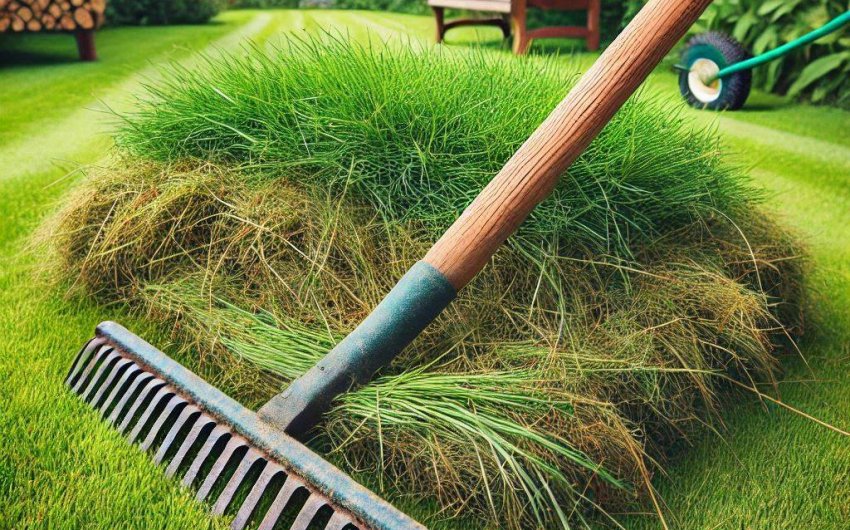
A vibrant, healthy lawn is the pride of any homeowner, but hidden beneath the lush green blades, a silent issue might be brewing: heavy thatch. This dense, matted layer of organic material can slowly strangle your lawn, preventing water, air, and nutrients from reaching the roots. Fortunately, proactive care can go a long way. Implementing simple tips to prevent heavy thatch in lawns will ensure your turf breathes easy, stays well-fed, and maintains its optimal health and vigor for years to come.
What is Thatch and Why is Heavy Thatch Bad for My Lawn?
Understanding thatch is the first step in knowing how to prevent it. Thatch is a natural accumulation in a lawn, but when it becomes too thick, it transforms from a beneficial layer into a detrimental one, leading to what is commonly referred to as heavy thatch.
What Exactly is Thatch in a Lawn?
Thatch is a layer of living and dead organic material that accumulates between the green blades of grass and the soil surface.
- Composition: It's composed of grass stems, roots, rhizomes, stolons (creeping stems), and other organic debris that have not yet fully decomposed.
- Not Just Clippings: A common misconception is that grass clippings cause thatch. While excessive, long clippings can contribute to problems, properly mulched clippings mostly decompose quickly and add beneficial organic matter to the soil, not thatch. Thatch primarily forms from the tougher, slower-to-decompose parts of the grass plant itself.
- Beneficial Layer (Thin): A thin layer of thatch, typically less than 1/2 inch (1.25 cm), is actually beneficial.
- It acts as a natural insulator, moderating soil temperature.
- It helps conserve soil moisture.
- It offers some cushioning against foot traffic.
Why is Heavy Thatch a Problem for My Lawn?
When the thatch layer exceeds 1/2 inch (1.25 cm), it becomes problematic, leading to what we call heavy thatch. This excessive accumulation creates numerous issues that compromise the health and appearance of your lawn.
- Prevents Water Penetration: A thick, dense layer of thatch acts like a sponge, holding water at the surface and preventing it from soaking down to the grass roots. This leads to:
- Shallow Roots: Grass roots grow in the moist thatch layer rather than anchoring deeply into the soil.
- Drought Stress: Lawns with heavy thatch dry out quickly because the surface moisture held by thatch evaporates rapidly, leaving shallow roots thirsty.
- Blocks Air and Nutrients: Thatch forms a physical barrier that restricts the movement of air and essential nutrients (from fertilizers) into the soil, depriving the roots.
- Nutrient Lock-Out: Even if you fertilize, the nutrients might not reach the roots effectively.
- Reduced Oxygen: Lack of air can create anaerobic conditions, harming beneficial soil microorganisms.
- Harbors Pests and Diseases: The moist, dense environment within heavy thatch is an ideal breeding ground and hiding spot for:
- Insect Pests: Grubs, chinch bugs, and other lawn pests thrive in thick thatch.
- Fungal Diseases: Many common lawn diseases (e.g., Brown Patch, Red Thread, Dollar Spot) flourish in the consistently wet conditions provided by heavy thatch.
- Reduces Heat Tolerance: A thick thatch layer can prevent heat from dissipating from the soil during hot weather, essentially cooking the grass roots.
- Weakens Grass: Overall, heavy thatch stresses the grass, making it less resilient to heat, cold, drought, pests, and diseases. This can lead to thin, weak, and discolored turf.
- Spongy Feel: A lawn with heavy thatch often feels soft and spongy when you walk on it, rather than firm.
Understanding the detrimental effects of heavy thatch underscores the importance of implementing simple tips to prevent heavy thatch in lawns and maintain a truly healthy turfgrass ecosystem.
What Causes Heavy Thatch to Build Up?
While a thin layer of thatch is normal, heavy thatch results from an imbalance in your lawn's ecosystem. It occurs when the rate of organic matter production (from grass growth) exceeds the rate of decomposition. Several factors contribute to this imbalance.
What Role Does Grass Type Play in Thatch Accumulation?
Certain grass types are more prone to thatch buildup due to their growth habits.
- Creeping Grasses: Grasses that spread vigorously via stolons (above-ground runners) or rhizomes (underground runners) tend to produce more thatch. These runners contribute fibrous material that is slow to decompose.
- Warm-Season Examples: Bermudagrass, Zoysiagrass, St. Augustinegrass. These are often the biggest thatch producers.
- Cool-Season Examples: Kentucky Bluegrass (via rhizomes) is also a significant thatch producer among cool-season varieties.
- Bunching Grasses: Grasses that grow in clumps generally produce less thatch because they don't have the extensive runner systems.
- Examples: Tall Fescue, Perennial Ryegrass, Fine Fescues.
How Does Improper Fertilization Contribute to Thatch?
Fertilization practices can significantly impact thatch accumulation.
- Excessive Nitrogen: Over-fertilizing with nitrogen promotes rapid top growth (lush green blades) but doesn't necessarily stimulate root or crown development in proportion. This leads to a higher production of organic material than the soil microbes can break down.
- Imbalanced Nutrients: Deficiencies in other nutrients, particularly phosphorus and potassium, can weaken the grass and slow down the activity of beneficial soil microbes, thus hindering decomposition.
- Solution: Conduct a soil test kit to understand your lawn's specific nutrient needs. Apply fertilizers (preferably slow-release) at the recommended rates and times for your grass type.
What Impact Does Mowing Have on Thatch?
While grass clippings generally don't cause thatch, certain mowing habits can contribute to its accumulation.
- Infrequent Mowing/Removing Too Much at Once: If you let your grass grow excessively long and then cut off a large amount (more than one-third of the blade) in a single mowing, the clippings will be longer and take longer to decompose. If these long clippings are left on the lawn, they can mat down and contribute to a thatch problem.
- Dull Mower Blades: A dull blade tears grass blades rather than cleanly cutting them. These ragged cuts create more fibrous material that is slower to break down, potentially adding to thatch.
- Solution: Mow frequently enough to adhere to the "one-third rule." Always use a sharp mower blade.
How Do Soil Conditions Affect Thatch Breakdown?
The health and activity of your soil are paramount to thatch decomposition.
- Compacted Soil: Dense, compacted soil reduces the amount of air (oxygen) in the soil.
- Impact: Beneficial microorganisms that break down organic matter (bacteria, fungi, earthworms) need oxygen to thrive. In compacted, oxygen-starved soil, their activity slows significantly, leading to a buildup of undecomposed material.
- Low Microbial Activity: Factors like excessive use of synthetic pesticides, poor drainage, or very acidic/alkaline soil can harm the soil's microbial population, reducing their ability to break down thatch.
- Solution:
- Aeration: Regularly aerate your lawn to relieve compaction and improve oxygen flow.
- Improve Drainage: Address soggy areas.
- Incorporate Organic Matter: Adding compost and fostering healthy soil practices encourages a robust microbial community.
What is the Role of Pesticides in Thatch Buildup?
The use of certain pesticides, especially broad-spectrum insecticides and fungicides, can inadvertently contribute to heavy thatch.
- Harm to Microbes and Earthworms: Many pesticides kill non-target organisms in the soil, including the very bacteria, fungi, and earthworms that are responsible for breaking down thatch.
- Impact: When these natural decomposers are eliminated or reduced, the rate of thatch breakdown slows dramatically, leading to accumulation.
- Solution: Practice Integrated Pest Management (IPM). Use pesticides only when necessary, choosing targeted or organic options that minimize harm to beneficial soil life.
Understanding these contributing factors is the backbone of implementing effective simple tips to prevent heavy thatch in lawns.
What are Simple Tips to Prevent Heavy Thatch in Lawns?
Preventing heavy thatch is far easier than trying to remove it once it has accumulated. By consistently applying these simple tips, you can maintain a healthy thatch layer and a thriving lawn.
What are Best Practices for Mowing to Prevent Thatch?
Your mowing routine is a primary control point for thatch prevention.
- Adhere to the "One-Third Rule": This is the golden rule. Never remove more than one-third of the grass blade's total height in a single mowing.
- Why: Short clippings decompose quickly and return nutrients to the soil. Removing too much at once results in longer clippings that are slower to break down and can mat into thatch.
- Mow at the Optimal Height for Your Grass Type:
- Taller is Better: Generally, maintaining a taller mowing height (e.g., 2.5-3.5 inches / 6-9 cm for cool-season grasses) encourages deeper root growth and promotes overall lawn health, making it more resilient to thatch buildup.
- Why: Healthy grass resists problems.
- Use a Sharp Mower Blade:
- Clean Cuts: A sharp blade makes a clean cut, allowing the grass to heal quickly. Dull blades tear and shred the blades, leaving jagged edges that are more prone to turning brown and contributing fibrous material that adds to thatch.
- Maintenance: Sharpen your mower blade at least once per season, or more often for large lawns or frequent mowing. You can find a mower blade sharpener or have it professionally sharpened.
- Mulch Your Clippings (Mostly):
- Nutrient Return: When you follow the one-third rule and use a mulching mower blade, the short clippings break down rapidly, returning valuable nutrients to the soil. This actually prevents thatch by feeding the soil microbes that decompose organic matter.
- When to Bag: Only bag clippings if they are excessively long (e.g., after returning from vacation) or if you are dealing with a severe fungal disease that you don't want to spread.
How Does Proper Fertilization Prevent Thatch?
Fertilizing correctly balances grass growth with soil decomposition, preventing thatch accumulation.
- Avoid Excessive Nitrogen: Over-applying nitrogen promotes rapid top growth that can overwhelm the soil's decomposition capabilities.
- Solution: Use a slow-release granular fertilizer that provides a steady supply of nutrients, promoting balanced growth and not just rapid blade elongation.
- Balance All Nutrients (N-P-K): Ensure your lawn has adequate phosphorus and potassium as well, as these contribute to overall plant health and root development, indirectly aiding in thatch management.
- Soil Test: Conduct a soil test kit every 2-3 years to pinpoint nutrient levels and pH. This allows you to apply only what's needed, preventing imbalances that can lead to thatch.
- Follow Application Rates: Always adhere to the recommended application rates on fertilizer packaging. More is not better and can harm your lawn and the environment.
How Can Watering and Aeration Manage Thatch?
Watering practices and aeration directly impact the soil environment crucial for thatch decomposition.
- Water Deeply and Infrequently:
- Deep Roots: Encourages grass roots to grow deep into the soil, away from the surface thatch layer.
- Soil Moisture: Allows the soil surface to dry out between waterings, creating conditions less favorable for thatch accumulation and more favorable for aerobic (oxygen-loving) microbes.
- Timing: Water in the early morning to allow grass blades to dry before evening, reducing disease risk that can stress grass and lead to more thatch.
- Regular Aeration:
- Breaks Compaction: Core aeration relieves soil compaction, allowing air, water, and nutrients to penetrate the soil more easily.
- Boosts Microbes: This increased oxygen flow stimulates the activity of beneficial soil microorganisms that are responsible for breaking down thatch.
- Timing: Best done annually or bi-annually, usually in late summer/early fall for cool-season grasses and late spring/early summer for warm-season grasses. You can rent a core aerator or hire a professional service.
What is the Role of Topdressing and Organic Matter?
Topdressing and consistently adding organic matter are excellent long-term strategies to foster a healthy soil microbiome that actively breaks down thatch.
- Topdressing with Compost: Applying a thin layer (1/4 to 1/2 inch / 0.6-1.25 cm) of well-rotted compost over your lawn once or twice a year is highly beneficial.
- Why: Compost introduces a rich supply of beneficial microorganisms that actively decompose thatch. It also improves soil structure, water retention, and nutrient availability.
- Application: Spread evenly over the lawn, then lightly rake it in so it settles into the grass.
- Encourage Earthworms: Earthworms are nature's aerators and decomposers. They tunnel through the soil, improving aeration, and consume organic matter, including thatch, converting it into nutrient-rich castings.
- How: Minimize chemical pesticide use, maintain healthy soil organic matter, and provide consistent moisture.
By adopting these simple tips to prevent heavy thatch in lawns, you're working with nature to create a self-sustaining system where organic material breaks down efficiently, resulting in a healthier, more beautiful turf.
How Do I Identify and Address Existing Heavy Thatch?
Even with the best preventative measures, some lawns might already have heavy thatch. Knowing how to identify it and what to do about it is crucial for restoration.
How Do I Know if My Lawn Has Heavy Thatch?
Identifying heavy thatch is relatively straightforward once you know what to look for.
- Visual Inspection:
- Look between the green blades of grass and the soil surface. You'll see a spongy, brown, interwoven layer of dead and living organic material.
- Measure the thickness. If it's consistently thicker than 1/2 inch (1.25 cm), you have a heavy thatch problem.
- The "Spongy Test":
- Walk across your lawn. If it feels unusually soft, spongy, or "bouncy" underfoot, it's a strong indicator of heavy thatch.
- Water Penetration Test:
- Water a section of your lawn. If the water beads up on the surface or runs off immediately instead of soaking in, heavy thatch is likely repelling the water.
- Poor Response to Fertilizer: If you fertilize, but your lawn still looks pale or unhealthy, thatch might be preventing the nutrients from reaching the roots.
- Increased Pest/Disease Problems: A persistent issue with lawn diseases (especially fungal diseases like brown patch or red thread) or insect pests (like chinch bugs or grubs) can be a symptom of underlying heavy thatch.
What is Dethatching and When Should I Do It?
If your lawn has heavy thatch (over 1/2 inch thick), dethatching is the primary method to remove it.
- What is Dethatching? It's the process of mechanically removing the excessive thatch layer from the lawn using specialized equipment.
- Types of Dethatchers:
- Dethatching Rake: A heavy-duty rake with sharp, rigid tines designed to pull thatch out manually. Best for small areas or light thatch. A good dethatching rake is a worthy investment.
- Power Dethatcher/Vertical Mower (Verticutter): A gas or electric machine with rotating blades that slice vertically into the thatch layer, pulling it to the surface. Most effective for moderate to severe thatch on larger lawns. These can be rented from home improvement stores.
- Scalping Mower (Limited Use): Some gardeners try to use a lawn mower set to its lowest height, but this often just cuts the tops of the thatch and severely stresses the grass. Not recommended for true heavy thatch.
- When to Dethatch (Timing is Crucial!):
- Cool-Season Grasses (Fescue, Ryegrass, Kentucky Bluegrass): The ideal time is early fall (late August to early October) or very early spring. This allows the grass to recover during its peak growth period.
- Warm-Season Grasses (Bermuda, Zoysia, St. Augustine): The ideal time is late spring to early summer, after the grass has fully greened up and is actively growing, but before the peak heat of summer.
- Avoid: Never dethatch a lawn that is stressed (e.g., during drought, extreme heat, or disease outbreak) or dormant. Dethatching is very stressful for the grass, so it needs time to recover.
What are the Steps for Dethatching My Lawn?
- Mow Short: Mow your lawn slightly shorter than usual (but still following the one-third rule). This makes the thatch more accessible.
- Water: Lightly water the lawn a day or two before dethatching. The soil should be slightly moist, not soggy or bone dry.
- Dethatch:
- Power Dethatcher: Make passes in one direction, then a second pass perpendicular to the first for thorough removal. Adjust the blade depth so it's just reaching the soil surface.
- Dethatching Rake: Rake vigorously in short, pull-back strokes, aiming to pull out the matted layer.
- Remove Debris: You'll be amazed at how much material comes out! Rake up all the pulled-out thatch debris. This material can be composted (if not diseased) or bagged for disposal.
- Overseed (Recommended): Dethatching creates openings in the turf. This is an excellent opportunity to overseed with fresh grass seed to fill in any thin spots and improve lawn density. Follow best practices for overseeding.
- Fertilize (Lightly): After dethatching and overseeding (if done), a light application of a balanced, slow-release fertilizer can help the lawn recover and promote new growth.
- Water: Water deeply after dethatching and overseeding (if applicable) to aid recovery and seed germination.
Considerations:
- Severity: For extremely heavy thatch (more than 1 inch thick), you might need to perform dethatching in two passes over consecutive seasons, removing about half each time, to avoid excessive stress on the lawn.
- Professionals: For very large lawns or severe thatch, hiring a professional lawn care service might be a good option.
By understanding how to identify existing heavy thatch and implementing strategic dethatching, you're taking a significant step towards restoring your lawn's health and ensuring it thrives long-term.