
How to Get Rid of Plantain Weeds in Lawns?
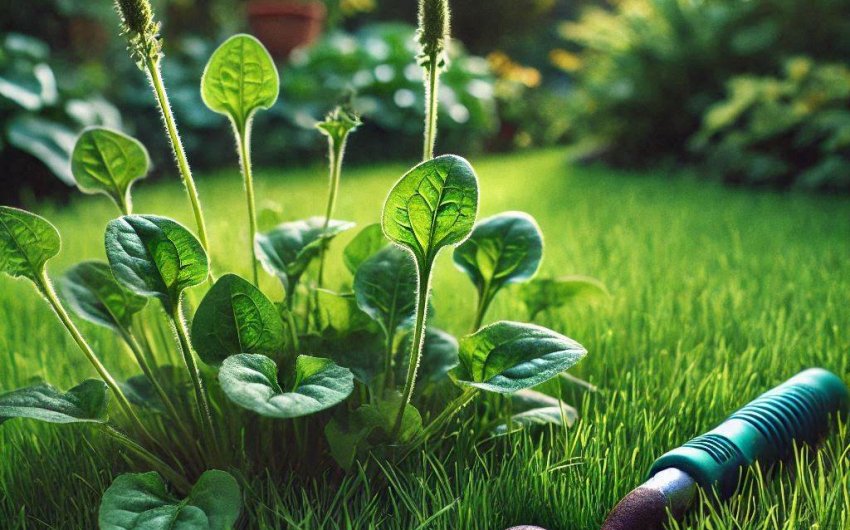
Seeing broad-leaved, ribbed invaders popping up in your otherwise pristine turf can be frustrating. If you're wondering how to get rid of plantain weeds in lawns, you're not alone. Plantains are incredibly common and resilient weeds, known for their ability to thrive in compacted soil and spread rapidly. While they might seem daunting, understanding their biology and employing the right strategies can effectively eliminate them and prevent their return, helping you reclaim a lush, healthy lawn. This guide will walk you through various methods, from manual removal to advanced lawn care, ensuring your turf stays plantain-free.
What Are Plantain Weeds and Why Are They a Problem?
Plantain weeds are common broadleaf weeds that are frequently found in lawns, gardens, and disturbed areas. They are highly adaptable and can quickly establish themselves, becoming a persistent nuisance for homeowners.
What Do Plantain Weeds Look Like?
There are two main types of plantain commonly found in lawns:
- Broadleaf Plantain (Plantago major):
- Leaves: Large, oval to egg-shaped, dark green leaves with distinct parallel veins that resemble celery stalks. They form a low-growing rosette close to the ground.
- Flowers/Seeds: A tall, slender flower stalk emerges from the center of the rosette, bearing inconspicuous greenish-white flowers that produce tiny, dark seeds.
- Roots: Has a shallow, fibrous root system but also a strong taproot, making it resilient.
- Buckhorn Plantain (Plantago lanceolata):
- Leaves: Long, narrow, lance-shaped leaves that also form a rosette. These leaves have prominent parallel veins.
- Flowers/Seeds: Produces a distinctive bullet-shaped flower head on a tall, thin stalk.
- Roots: Possesses a very tough, fibrous root system that makes it especially difficult to pull out completely.
Why Are Plantain Weeds Problematic for Lawns?
- Competition: Plantains compete directly with your desirable lawn grasses for essential resources like water, nutrients, and sunlight. This competition weakens the turf, making it less dense and more susceptible to other weeds, pests, and diseases.
- Compacted Soil Indicators: Plantains, especially broadleaf plantain, are often indicators of compacted soil. They thrive in conditions where turfgrass struggles, as their strong roots can penetrate dense soil. Their presence suggests your lawn might benefit from aeration.
- Rapid Spread: A single plantain plant can produce thousands of tiny seeds that are easily dispersed by wind, water, foot traffic, or mowing equipment. This allows them to spread rapidly throughout your lawn and neighboring areas.
- Unsightly Appearance: The large, broad leaves of plantain interrupt the uniform texture of a lawn, making it look messy and unkempt.
How Can You Manually Remove Plantain Weeds?
Manual removal is an effective, chemical-free way to get rid of plantain weeds in lawns, especially if you have a small infestation or prefer an organic approach. It requires consistency and patience but can yield excellent results.
What Tools Do You Need for Manual Removal?
- Weeding Fork or Dandelion Tool: These specialized tools are designed to dig deep and get under the taproot of broadleaf weeds like plantain, making extraction easier and more complete. A dandelion weeding tool is highly recommended.
- Garden Trowel: A sturdy trowel can also be used, especially for larger plants or looser soil.
- Gloves: Protect your hands from blisters and dirt.
- Bucket or Wheelbarrow: For collecting removed weeds.
Step-by-Step Manual Removal Process:
- Timing is Key: The best time to pull plantain weeds is after a good rain or thorough watering. Moist soil makes it much easier to extract the roots without breaking them off.
- Identify the Plantain: Look for the characteristic rosettes of broad, ribbed leaves (broadleaf plantain) or narrow, lance-shaped leaves (buckhorn plantain).
- Position Your Tool: Insert your weeding fork or dandelion tool into the soil close to the base of the plantain, aiming to get underneath its taproot (for broadleaf) or fibrous root system (for buckhorn).
- Leverage and Lift: Use the tool as a lever to gently pry the plantain out of the ground, trying to extract as much of the root system as possible. For buckhorn plantain, you might need to rock the tool back and forth to loosen the fibrous roots.
- Inspect the Root: After pulling, check the root to ensure you've removed as much as possible. Even small fragments of the taproot of broadleaf plantain can regrow if left behind. Buckhorn plantain is trickier due to its spreading root structure.
- Fill the Hole: If you've created a significant hole in your lawn, fill it with good quality topsoil and sprinkle some grass seed over it. Lightly rake and water to help the grass establish and prevent new weeds from taking root in the disturbed area.
- Dispose of Weeds: Place the removed plantains in a bucket or wheelbarrow. Do not leave them on the lawn, as even detached plants can sometimes re-root or drop seeds. Dispose of them in your compost (if your compost pile gets hot enough to kill seeds) or the trash.
Pros and Cons of Manual Removal:
- Pros:
- Chemical-free: Safe for children, pets, and the environment.
- Targeted: Removes only the unwanted plantain, leaving desirable grass unharmed.
- Immediate Results: You see the weeds gone instantly.
- Cons:
- Labor-intensive: Can be time-consuming, especially for large infestations.
- Requires Persistence: New plantains may sprout from missed root fragments or dormant seeds, requiring repeat efforts.
- Can Disturb Turf: Digging can create small bare spots if not done carefully, which need to be reseeded.
How Do Organic Herbicides Work on Plantains?
For those seeking a chemical-free solution beyond manual pulling, organic herbicides offer an alternative way to get rid of plantain weeds in lawns. These products work differently from synthetic herbicides and require careful application.
What Are Common Organic Herbicide Ingredients?
Most organic herbicides are "non-selective" or "contact" herbicides, meaning they kill any plant tissue they come into contact with, not just the weeds. Therefore, spot treatment is crucial to protect your lawn grass.
- Acetic Acid (Vinegar):
- How it works: Concentrated acetic acid (horticultural vinegar, typically 10-20% strength, much stronger than household vinegar) burns plant foliage on contact, leading to rapid wilting and death of the top growth.
- Pros: Natural, readily available, fast-acting.
- Cons: Non-selective (will kill grass too), only kills top growth (roots often survive for perennials like plantain), requires multiple applications. High concentrations can be corrosive and irritate skin/eyes.
- Application: Apply directly to plantain leaves with a spray bottle on a sunny, dry day.
- Fatty Acids (Soap-based Herbicides):
- How it works: These soaps break down the plant's cell walls, causing the leaves to dehydrate and die.
- Pros: Natural, quick acting, minimal soil residue.
- Cons: Non-selective, only kills top growth, requires direct contact, less effective on mature weeds.
- Application: Follow product instructions for dilution and spray application. An organic weed killer spray often contains these ingredients.
- Iron-Based Herbicides:
- How it works: Products containing iron (FeHEDTA) are selective, meaning they specifically target broadleaf weeds like plantain without harming turfgrass. They cause an overdose of iron, leading to cell damage and death in broadleaf plants.
- Pros: Selective to broadleaf weeds (won't harm grass!), relatively fast-acting, safe for pets and people once dry.
- Cons: Can stain concrete or paving. Less effective in very hot weather. Requires specific application conditions.
- Application: Follow product directions carefully. This is one of the best organic choices for broadleaf weeds in lawns. A selective organic weed killer is ideal for plantain.
Tips for Applying Organic Herbicides:
- Spot Treatment: Always use a spray bottle or a targeted applicator to apply organic herbicides directly to the plantain leaves, avoiding contact with desired grass.
- Dry, Sunny Conditions: Most organic herbicides work best on a warm, dry, sunny day, as the heat helps with absorption and evaporation of water from plant cells.
- Multiple Applications: Be prepared to reapply organic herbicides, especially those that only kill top growth, as plantain's roots can often survive and regrow.
- Safety Precautions: Even organic herbicides should be handled with care. Wear gloves and eye protection. Read and follow all manufacturer instructions.
When Should You Use Synthetic Herbicides?
For persistent or widespread plantain infestations, or if organic methods aren't yielding sufficient results, synthetic broadleaf herbicides can be a highly effective solution to get rid of plantain weeds in lawns.
How Do Selective Broadleaf Herbicides Work?
Synthetic herbicides for plantain are almost always selective broadleaf herbicides. This means they are designed to kill broadleaf weeds (like plantain, dandelion, clover) without harming turfgrass. They work by mimicking plant hormones, causing the weed to grow abnormally and eventually die.
- Common Active Ingredients: Look for products containing ingredients like:
- 2,4-D
- Mecoprop (MCPP)
- Dicamba
- Often sold in combination formulas (e.g., "Trimec" or "Weed-B-Gon Max"). A broadleaf weed killer for lawns often contains these.
Application Methods for Synthetic Herbicides:
- Spot Treatment (Ready-to-Use Sprays):
- Pros: Easy, targeted application, good for small to moderate infestations.
- How to: Use a pre-mixed spray bottle and apply directly to each plantain plant. Avoid overspray onto desirable plants.
- Example: A weed spot treatment spray.
- Liquid Concentrate Sprays (Requires Mixing):
- Pros: More economical for larger areas, allows for precise dilution. Can be applied with a pump sprayer.
- How to: Mix the concentrate with water according to label directions. Apply evenly over the affected lawn area.
- Granular "Weed & Feed" Products:
- Pros: Convenient, combines weed control with fertilization.
- How to: Spread granular products with a broadcast spreader according to label instructions. Requires moisture (dew or light rain) for the granules to stick to weed leaves.
- Cons: Less targeted, can apply fertilizer when not needed, may not be as effective as liquid sprays for established weeds.
Important Tips for Applying Synthetic Herbicides:
- Read the Label! This is paramount. Labels provide crucial information on application rates, safety precautions, weather conditions, target weeds, and safe reentry times for pets and people.
- Timing: Apply when weeds are actively growing (usually spring or fall). Avoid applying on windy days (to prevent drift) or when rain is expected within 24 hours.
- Temperature: Most herbicides work best when temperatures are between 50°F and 85°F (10°C and 29°C). Avoid extreme heat.
- Moisture: Apply to moist soil but dry weed leaves. Some granular products require a damp lawn to stick.
- Safety: Wear appropriate personal protective equipment (PPE), including gloves, eye protection, and long sleeves/pants. Keep children and pets off the treated area until dry (usually 2-4 hours, but check label).
- Patience: It can take several days to a few weeks for weeds to fully die. Do not reapply too soon.
- Spot Treat When Possible: For individual weeds, spot treating is always preferred to avoid unnecessary chemical application to healthy turf.
How Does Good Lawn Care Prevent Plantain Weeds?
The most sustainable and effective long-term strategy for how to get rid of plantain weeds in lawns is to cultivate a thick, healthy lawn. A dense turfgrass stand naturally outcompetes weeds, leaving them no room to establish.
What are Key Cultural Practices for a Healthy Lawn?
- Mow at the Correct Height:
- Higher Mowing: Set your mower deck to the highest setting (typically 3-4 inches for most cool-season grasses). Taller grass blades shade the soil, keeping it cooler and suppressing weed seed germination (many weed seeds need light to sprout).
- Sharp Blades: Ensure your mower blades are sharp. Dull blades tear grass, making it susceptible to disease. A lawn mower blade sharpener is a good investment.
- Proper Watering:
- Deep and Infrequent: Water deeply and infrequently (e.g., 1 inch of water once a week) rather than shallowly and often. Deep watering encourages deep root growth in turfgrass, making it more drought-tolerant and better able to compete with weeds.
- Morning Watering: Water in the morning to allow grass blades to dry before nightfall, reducing the risk of fungal diseases.
- Fertilize Regularly:
- Balanced Nutrients: Provide your lawn with the nutrients it needs to grow thick and healthy. A slow-release lawn fertilizer is usually best.
- Timing: Fertilize according to your grass type's needs (e.g., cool-season grasses in fall and spring; warm-season grasses in late spring/early summer and early fall). Follow a soil test recommendation if possible.
- Aerate Your Lawn:
- Combat Compaction: Plantains thrive in compacted soil. Aeration helps alleviate compaction, allowing air, water, and nutrients to reach the grass roots.
- Timing: Aerate cool-season lawns in late summer/early fall. Aerate warm-season lawns in late spring/early summer.
- Tools: Use a core aerator for best results.
- Overseeding:
- Fill Bare Spots: Thin or bare patches in the lawn are prime real estate for weeds like plantain. Overseeding helps fill these areas with desirable grass.
- Timing: Best done after aeration in fall for cool-season grasses, or late spring for warm-season grasses.
- Seed Choice: Use high-quality grass seed appropriate for your climate and sun conditions. A high-quality grass seed mix is important.
- Soil Testing:
- Understand Your Soil: A professional soil test can reveal nutrient deficiencies or pH imbalances that are hindering grass growth and favoring weeds. Adjust soil pH (with lime or sulfur) as recommended.
By focusing on these core principles of good lawn care, you'll create an environment where turfgrass thrives and plantain weeds struggle to establish, making your lawn naturally resistant to infestations.
What Are Common Plantain Weed Myths and Facts?
When dealing with a persistent weed like plantain, it's easy to fall prey to misconceptions. Knowing the truth about plantains can help you develop a more effective strategy for how to get rid of plantain weeds in lawns.
Myths About Plantain Weeds:
- Myth 1: Plantain means my soil is terrible and beyond help.
- Fact: While plantain does thrive in compacted and poor soil, its presence primarily indicates compaction, not necessarily irreparable damage. Its strong taproot can actually help break up dense soil over time. Its presence is a signal to improve soil structure, not a death sentence for your lawn.
- Myth 2: Cutting off the flower stalks stops them completely.
- Fact: While mowing or cutting flower stalks prevents new seeds from forming and spreading, it won't kill the established plantain plant. The plant will simply divert its energy to producing more leaves and potentially new flower stalks from the base. Complete removal of the root is necessary to kill the plant.
- Myth 3: Any weed killer will work on plantain.
- Fact: Only broadleaf selective herbicides will kill plantain without harming your lawn grass. Non-selective herbicides (like glyphosate or horticultural vinegar) will kill everything they touch, including grass. Ensure you use the correct product for your situation.
Facts About Plantain Weeds:
- Fact 1: Plantain is a very prolific seed producer.
- Truth: A single plantain plant can produce thousands of seeds, which are tiny, sticky, and easily transported by shoes, pets, and lawnmowers. This is why controlling them before they go to seed is crucial.
- Fact 2: Plantain is edible and has medicinal uses.
- Truth: Yes, plantain leaves are edible and can be used in salads, cooked greens, or teas. Traditionally, they've been used for their anti-inflammatory and wound-healing properties. However, for a pristine lawn, they are still considered weeds.
- Fact 3: Plantain is highly tolerant of foot traffic.
- Truth: Plantain is one of the few plants that can withstand heavy foot traffic and compacted soil, which is why it's so common in paths, cracks in pavement, and well-used areas of lawns where turfgrass struggles.
- Fact 4: Plantain is a perennial weed.
- Truth: Both broadleaf and buckhorn plantain are perennials, meaning they live for more than two years and will return year after year from the same root system if not completely removed. This makes consistent eradication efforts even more important.
Understanding these facts will help you approach your plantain problem with a more informed and effective strategy, leading to a healthier and weed-free lawn.
How Do You Develop a Long-Term Plantain Control Strategy?
Effectively eliminating plantain weeds in lawns and preventing their return requires more than a one-time fix. A comprehensive, long-term strategy combines immediate removal methods with ongoing lawn care practices.
What are the Pillars of a Long-Term Strategy?
- Integrated Pest Management (IPM) Approach:
- Combine Methods: Don't rely on just one technique. Use manual removal for scattered weeds, targeted organic or synthetic herbicides for larger patches, and prioritize cultural practices (mowing, watering, fertilizing, aerating, overseeding) to build a strong, resilient lawn.
- Monitor and Adapt: Regularly inspect your lawn for new plantain growth. Address small infestations immediately before they become widespread.
- Spring Offensive:
- Pre-Emergent Herbicide (Optional): If you've had a significant plantain problem in the past, consider applying a pre-emergent herbicide in early spring before plantain seeds germinate. This forms a barrier that prevents seeds from sprouting. Remember, pre-emergents also prevent grass seed germination, so timing is key if you plan to overseed. A pre-emergent weed control for lawns can be effective.
- Manual Pulling: Early spring is an ideal time to pull young plantain plants, as their roots are less established, and the soil is often moist.
- Fall Follow-Up:
- Herbicide Application (Selective Broadleaf): Fall is often the best time to apply broadleaf herbicides (organic or synthetic) because plantains are actively moving nutrients to their roots for winter storage. They will draw the herbicide down into their root system more effectively.
- Aerate and Overseed: Address compaction and bare spots in the fall. This is the optimal time for cool-season grasses to establish before winter and outcompete any remaining weeds.
- Ongoing Cultural Practices:
- Consistent Mowing Height: Maintain the 3-4 inch mowing height to shade out weed seeds.
- Deep Watering: Continue deep and infrequent watering to promote robust grass roots.
- Regular Fertilization: Feed your lawn to keep it dense and vigorous.
- Address Bare Spots Promptly: As soon as you notice a thin or bare patch, overseed it to prevent weeds from colonizing.
- Clean Equipment: If you or a landscaper mow your lawn, ensure mowers are cleaned of weed seeds, especially if moving from an infested area to a clean one.
By combining direct removal methods with a proactive and continuous lawn care regimen, you can systematically weaken existing plantain populations, prevent new ones from establishing, and nurture a thriving, weed-resistant lawn. The goal isn't just to get rid of plantain weeds in lawns but to create an environment where they struggle to survive, ensuring your lawn stays green and gorgeous year after year.