
Understanding Red Thread and How to Manage It in Lawns
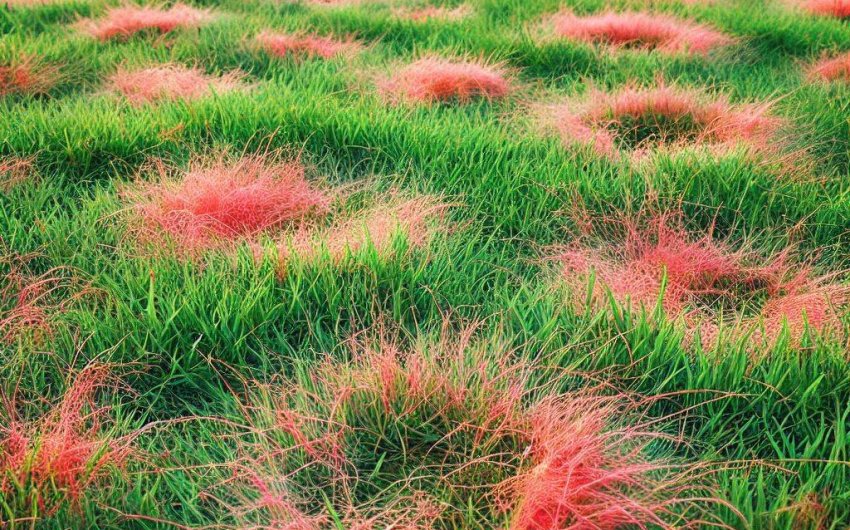
Few things are more frustrating for a lawn enthusiast than spotting unsightly patches of discoloration. Among the common culprits is Red Thread, a fungal lawn disease that can quickly diminish the beauty of your turf. If you've noticed reddish or pinkish threads and irregular tan patches appearing in your grass, you're likely dealing with this pervasive issue. Understanding Red Thread and implementing effective management strategies is key to how to manage it in lawns, restoring your grass to its vibrant green health.
What is Red Thread and How Do I Identify It?
Red Thread is a common fungal disease of turfgrass caused by the fungus Laetisaria fuciformis. While rarely fatal to an entire lawn, it can significantly impact its appearance, causing patches of grass to turn brown or reddish and reducing overall turf quality. It primarily affects cool-season grasses.
What are the Key Symptoms of Red Thread in Lawns?
Identifying Red Thread requires a keen eye, as its symptoms can sometimes be confused with other lawn issues. The distinctive "red thread" structures are the definitive indicator.
- Irregular Patches: The disease typically appears as small, irregular patches, usually 2-10 inches (5-25 cm) in diameter, but they can merge to form larger, more widespread affected areas.
- Color of Patches: Initially, affected grass blades may appear water-soaked, then quickly fade to a light tan, pinkish, or bleached straw color. Often, the patches will have a reddish or pinkish tint from a distance.
- Shredded or Ragged Blades: Closer inspection of individual grass blades within the affected patch will often show them appearing shriveled, withered, or shredded from the tip downwards.
- The "Red Threads" (Fungal Structures): This is the most diagnostic symptom. Look for thin, pinkish-red, thread-like fungal strands, called sclerotia or mycelial strands, extending from the tips of the grass blades. These may be tiny and hair-like or thicker, forming a fuzzy or antler-like growth. They are most visible when the lawn is wet, like in the morning dew or after rain.
- Pinkish Cottony Growth (Sometimes): In very humid conditions, you might also observe a delicate, pink, cottony fungal growth on the grass blades within the patches.
What Grass Types are Susceptible to Red Thread?
Red Thread primarily affects cool-season grasses, which are common in temperate climates.
- Highly Susceptible:
- Perennial Ryegrass (Lolium perenne): Very prone to Red Thread.
- Fine Fescues (e.g., Creeping Red Fescue, Chewings Fescue): Also highly susceptible.
- Kentucky Bluegrass (Poa pratensis): Can be affected, especially if stressed.
- Tall Fescue (Festuca arundinacea): Less susceptible than ryegrass or fine fescues but can still contract the disease.
- Less Common/Rare in Warm-Season Grasses: While rare, some warm-season grasses (like Zoysiagrass or Bermudagrass) can be affected, particularly during cooler, humid periods if their growth is stressed. However, it's far more prevalent in cool-season varieties.
When Does Red Thread Typically Occur?
Red Thread thrives under specific environmental conditions, making certain times of the year and particular weather patterns more conducive to its development. Understanding Red Thread includes knowing its preferred climate.
- Temperature Range: It is most active in cool to mild temperatures, typically between 60°F and 75°F (15°C and 24°C).
- Moisture Conditions: High humidity and prolonged leaf wetness are critical for disease development.
- Contributing Factors: Frequent light rain, prolonged dew periods, overcast skies, poor air circulation, and overwatering (especially in the evening).
- Seasonality:
- Spring: Often appears in mid to late spring as temperatures rise and rain is frequent.
- Early Summer: Can persist into early summer if conditions remain mild and humid.
- Fall: May reappear in the fall as temperatures cool down and morning dew becomes heavier.
- Stress Factors: Lawns that are under-fertilized (especially nitrogen deficient), compacted, or generally stressed are much more susceptible to Red Thread. This is a crucial point for how to manage it in lawns.
By recognizing these symptoms, susceptible grass types, and optimal conditions, you'll be well-prepared to diagnose and effectively tackle Red Thread in your lawn.
How Can I Prevent Red Thread in My Lawn?
Prevention is always the best strategy for managing Red Thread in lawns. By creating a healthy, resilient turf, you can significantly reduce the likelihood of this fungal disease taking hold or minimize its severity if it does appear.
What Role Does Proper Fertilization Play?
Nitrogen deficiency is a primary predisposing factor for Red Thread. Therefore, proper fertilization, particularly with adequate nitrogen, is crucial for prevention.
- Balanced Feeding: Ensure your lawn receives adequate, balanced nutrition. Nitrogen is key for overall grass vigor and color.
- Avoid Deficiency: Lawns that are "hungry" for nitrogen are highly susceptible. If your grass looks pale green or yellowish and isn't growing vigorously, it's likely lacking nitrogen.
- Slow-Release Nitrogen: Use a slow-release granular fertilizer that provides a steady supply of nitrogen over several weeks. This avoids sudden growth flushes that can stress the grass and provides consistent nutrition. A good slow-release lawn fertilizer will provide continuous feeding.
- Timing:
- Cool-Season Grasses: Focus on fertilizing in late summer/early fall and a lighter feeding in spring. Avoid heavy nitrogen applications during hot summer months.
- Warm-Season Grasses: Fertilize in late spring/early summer.
- Soil Test: Conduct a soil test kit every 2-3 years to determine your lawn's specific nutrient needs and pH levels, allowing for precise fertilization.
How Does Correct Watering Prevent Red Thread?
Watering practices are critical because Red Thread thrives on prolonged leaf wetness. Adjusting how and when you water can make a big difference.
- Water Deeply and Infrequently:
- Deep: Apply 1 inch (2.5 cm) of water per week (from rain or irrigation) to encourage deep root growth. Deep roots make the grass more resilient to stress and less susceptible to disease.
- Infrequent: Allow the soil to dry out somewhat between waterings. This creates dry periods that are unfavorable for fungal growth.
- Water in the Early Morning:
- The absolute best time to water. This allows the grass blades to dry off completely before nightfall.
- Avoid Evening Watering: Watering in the evening leaves grass blades wet for extended periods overnight, creating an ideal environment for fungal diseases like Red Thread.
- Improve Drainage: If your lawn has consistently soggy areas, address underlying drainage issues. Aeration can help.
What Mowing Practices Help Prevent Disease?
Mowing correctly contributes significantly to a healthy lawn that is less prone to Red Thread.
- Mow at the Correct Height:
- Taller is Better: Mow your grass at the highest recommended height for your turf type (usually 2.5-3.5 inches / 6-9 cm for most cool-season grasses). Taller grass promotes deeper roots, shades the soil (reducing moisture evaporation), and makes the lawn more robust.
- Avoid Scalping: Cutting the grass too short stresses the plant, making it more vulnerable to disease.
- Use a Sharp Mower Blade:
- Clean Cuts: A sharp blade makes clean cuts, which heal quickly. Dull blades tear the grass blades, creating ragged wounds that are entry points for fungal pathogens. A sharp mower blade makes a visible difference.
- Frequency: Sharpen your blade at least once per season, or more often if you have a large lawn.
- Leave Clippings (Sometimes):
- Mulching Mower: If using a mulching mower, leaving short grass clippings on the lawn returns nutrients to the soil, improving soil health.
- Remove Heavy Clippings: If the clippings are very long or clumpy, bag them or rake them up, as thick layers can contribute to thatch and excessive moisture.
- Avoid Mowing When Wet: Mowing wet grass can spread fungal spores more easily and create ragged cuts.
How Does Air Circulation and Thatch Management Help?
Good air circulation and a healthy thatch layer are also crucial for understanding Red Thread prevention.
- Improve Air Circulation:
- Pruning: Prune overhanging trees and shrubs to allow more sunlight and air to reach the lawn.
- Spacing: If you're establishing new plants, ensure proper spacing around your lawn.
- Manage Thatch:
- What is Thatch? A layer of dead and living organic material between the green grass blades and the soil surface. A thin layer (less than 1/2 inch / 1.25 cm) is beneficial.
- Why it's a Problem: A thick thatch layer (over 1/2 inch) can trap moisture near the grass crowns, creating an ideal environment for fungal growth, and can prevent water and nutrients from reaching the soil.
- Dethatching: If thatch is thick, dethatch your lawn during the appropriate season (early fall for cool-season, late spring/early summer for warm-season grasses). You can use a dethatching rake for small areas or rent a power dethatcher for larger lawns.
By consistently applying these preventative measures, you significantly strengthen your lawn's natural defenses against Red Thread, reducing the chances of an outbreak and ensuring a healthier turf.
How Do I Treat Red Thread in My Lawn?
If prevention efforts aren't enough and Red Thread appears, there are effective treatment strategies to help manage it in lawns. The approach often begins with cultural practices, with fungicides as a last resort.
What are the Best Cultural Practices for Treating Red Thread?
Once Red Thread is identified, immediate cultural adjustments are the first and most crucial step for treatment. These methods address the underlying conditions that favor the fungus.
- Adjust Fertilization:
- Boost Nitrogen (Carefully): Since nitrogen deficiency is a primary cause, a light application of a quick-release nitrogen fertilizer (e.g., urea, or a balanced fertilizer with a higher first number) can help the grass outgrow the disease. Apply cautiously and at the lower recommended rates to avoid burning the lawn. This is especially effective in cooler weather.
- Timing: Apply during moderate temperatures when the grass is actively growing.
- Optimize Watering:
- Deep and Infrequent: Continue with deep, infrequent watering.
- Early Morning: Absolutely critical. Water only in the early morning so the grass blades dry completely before nightfall.
- Improve Drainage: If specific areas remain soggy, consider immediate core aeration (if the lawn isn't under severe heat stress) to improve water penetration and oxygenation.
- Improve Air Circulation:
- Prune Overhanging Foliage: Trim branches from trees or shrubs that cast continuous shade and reduce air movement over the affected lawn areas.
- Remove Obstructions: Clear any lawn furniture, toys, or debris that might be blocking airflow.
- Mowing Adjustments:
- Mow at Higher Height: Continue mowing at the tallest recommended height for your grass type.
- Sharp Blade: Ensure your mower blade is sharp to prevent tearing grass blades.
- Avoid Mowing When Wet: Do not mow when the grass is wet, as this can spread fungal spores.
- Clean Mower: If you've mowed an infected area, clean your mower blades thoroughly (e.g., with a stiff brush and water, then dry) before mowing healthy sections of your lawn to prevent spreading spores.
When Should I Consider Using a Fungicide for Red Thread?
While fungicides are an option, they are generally considered a last resort for Red Thread, as cultural practices are often sufficient and more sustainable for managing it in lawns.
- When to Use:
- Severe & Widespread Infection: If the disease is spreading aggressively and cultural practices alone are not halting its progression.
- High-Value Turf: For very prominent areas of your lawn where aesthetics are paramount.
- Persistent Problem: If Red Thread is a recurring annual issue despite consistent cultural controls.
- Types of Fungicides:
- Systemic Fungicides: Absorbed by the plant and move throughout its tissues. They offer longer-lasting protection.
- Contact Fungicides: Form a protective barrier on the plant surface but need to be reapplied more frequently.
- Specific Formulations: Look for fungicides labeled specifically for Red Thread or broad-spectrum lawn diseases that list Laetisaria fuciformis as a target. Common active ingredients include propiconazole, azoxystrobin, or myclobutanil. You can find a lawn fungicide for Red Thread at garden supply stores.
- Application:
- Follow Directions Precisely: Fungicides are chemicals; always read and follow the manufacturer's instructions regarding application rates, timing, safety precautions, and number of applications.
- Wear Protective Gear: Use gloves, eye protection, and possibly a mask when applying.
- Proper Spreader: Use a broadcast spreader for granular fungicides or a calibrated sprayer for liquid formulations to ensure even coverage.
- Timing: Apply when conditions are favorable for disease development, often in the early spring or fall, but follow label instructions for specific products.
Important Considerations for Fungicides:
- Cost: Fungicides can be expensive, especially for large lawns.
- Resistance: Overuse can lead to fungicide-resistant strains of fungi.
- Environmental Impact: While modern fungicides are generally safer than older ones, they can still have an environmental impact.
- Temporary Solution: Fungicides do not fix the underlying cultural problems that made your lawn susceptible. If you don't address factors like nitrogen deficiency or poor watering, the disease will likely return once the fungicide wears off.
What if My Lawn Has Extensive Damage?
For areas with very severe or persistent Red Thread damage, or where grass has completely died, more intensive measures may be needed.
- Overseeding/Reseeding: Once the disease is under control and cultural conditions are improved, overseed the affected patches to fill in bare spots and re-establish dense turf. Choose a more disease-resistant grass blend if available for your area. Follow best practices for overseeding.
- Soil Amendments: If soil compaction or nutrient imbalances (beyond nitrogen) are severe, consider incorporating compost or other soil amendments to improve overall soil health and resilience.
- Professional Consultation: For very challenging cases, a lawn care professional or university extension specialist can offer tailored advice and advanced diagnostic tools.
By first focusing on cultural practices and only resorting to fungicides when absolutely necessary, you can effectively treat and manage Red Thread in lawns, promoting a healthier and more resilient turf in the long run.