
How to Solve Issues with Standing Water in Lawns?
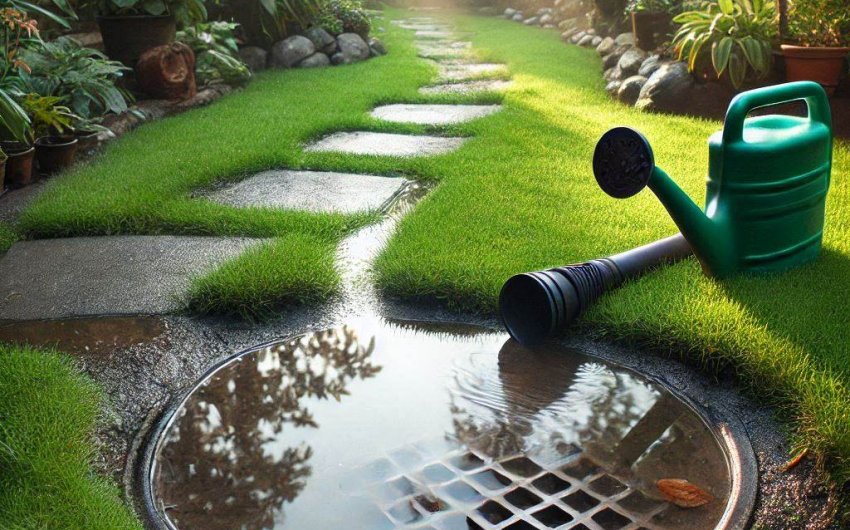
A beautiful, lush lawn can quickly turn into a soggy mess if confronted with standing water. Whether after a heavy downpour or from excessive irrigation, puddles and saturated soil not only look unsightly but can also severely harm your turf. How to solve issues with standing water in lawns is a common question for many homeowners. Addressing poor drainage is crucial for maintaining a healthy lawn, preventing root rot, fostering fungal diseases, and deterring pests. This comprehensive guide will walk you through identifying the causes of waterlogging and implementing effective solutions, from simple cultural changes to more advanced drainage systems.
Why Is Standing Water Bad for My Lawn?
Standing water, or excessive soil saturation, is detrimental to turfgrass for several critical reasons. Grass, like most plants, needs air around its roots to survive.
- Suffocation and Root Rot: When soil is waterlogged, water fills the tiny air pockets necessary for grass roots to "breathe" (absorb oxygen). Prolonged lack of oxygen causes roots to suffocate and die, leading to root rot. This can quickly turn green grass yellow, then brown, and eventually kill it.
- Fungal Diseases: Excess moisture creates the perfect breeding ground for various lawn diseases. Common issues include:
- Brown Patch: Causes circular or irregularly shaped brown patches.
- Pythium Blight: Leads to greasy, water-soaked spots that quickly turn brown.
- Dollar Spot: Small, straw-colored spots.
- Rust: Orange-brown powdery spots on grass blades.
- Weed Proliferation: Many common weeds, especially sedges (like nutsedge) and some broadleaf weeds, thrive in wet, compacted, or poorly drained soils. They will quickly colonize areas where grass struggles.
- Mosquito Breeding Ground: Standing water provides an ideal habitat for mosquitoes to lay eggs, increasing nuisance and potential health risks.
- Soil Compaction: Walking or mowing on saturated soil can further compact it, making the drainage problem even worse in the long run.
- Nutrient Leaching: Waterlogging can cause essential nutrients to leach out of the soil, making them unavailable to grass roots.
- Unattractive Appearance: Beyond health issues, puddles and muddy spots make your lawn look neglected and unusable.
How Can I Identify the Cause of Standing Water in My Lawn?
Before you can fix the problem, you need to understand why water is standing. There are several common culprits.
- Soil Type:
- Problem: Clay soil is a common cause. Its fine particles are packed tightly, leaving little space for water to drain through.
- Test: Take a handful of damp soil and try to roll it into a ball or ribbon. If it forms a long, sticky ribbon, you likely have heavy clay. Sandy soil, by contrast, won't hold a shape.
- Compacted Soil:
- Problem: Heavy foot traffic, equipment use, construction, or even just heavy rain can compact the soil. This reduces the air pockets, preventing water from infiltrating.
- Test: Try to push a screwdriver into the ground when the soil is moist. If it's difficult to push in more than a few inches, your soil is likely compacted.
- Thatch Buildup:
- Problem: Thatch is a layer of dead and living organic matter (stems, roots) that accumulates between the soil surface and the green grass blades. A thick thatch layer (over 1/2 inch) can act like a sponge, holding water at the surface and preventing it from reaching the soil. It also acts as a barrier, preventing air movement.
- Test: Dig a small plug of lawn with a trowel. Measure the spongy layer above the soil.
- Grading and Slope Issues:
- Problem: Your lawn might not be properly graded, meaning it has depressions or slopes that direct water towards a low point rather than away from the house or critical areas. Improperly installed patios, driveways, or even garden beds can also create drainage traps.
- Test: Observe where water collects after rain. Is it consistently in the same low spots? Is water running towards your house foundation?
- Hardpan Layer:
- Problem: This is a dense, impenetrable layer of soil or rock located just below the topsoil. It prevents water from draining downwards. It can be natural or formed by compaction during construction.
- Test: This is harder to confirm without digging a deep hole. If you've tried all other solutions and water still doesn't drain, a hardpan layer might be the culprit.
- Underlying Obstructions:
- Problem: Sometimes, buried debris from construction (concrete, rocks, wood) or even a broken irrigation pipe can create an underground barrier or a constant source of water, leading to standing water.
- Test: If the problem is localized and very persistent, and you've ruled out other causes, investigation by digging may be needed.
- Over-irrigation:
- Problem: Simply applying too much water to your lawn can cause puddles, especially if the soil's infiltration rate is slow.
- Test: Are your sprinklers running for very long periods? Do you notice puddles shortly after irrigation, even if the soil eventually drains?
What Are Simple Cultural Solutions for Standing Water?
For less severe standing water issues, adjusting your lawn care practices can make a significant difference. These are the easiest and most cost-effective first steps.
- Adjust Watering Habits:
- Water Deeply and Infrequently: Instead of daily light watering, water your lawn deeply (aim for 1 inch of water) but less often. This encourages deeper root growth and allows the topsoil to dry slightly between waterings, improving aeration.
- Water in the Early Morning: This allows the grass blades and soil surface to dry before nightfall, reducing humidity and fungal disease risk. Avoid evening watering.
- Check Soil Moisture: Don't water on a fixed schedule. Use a moisture meter or the "screwdriver test" to check if your lawn truly needs water.
- Aerate Your Lawn Regularly:
- What it is: Aeration involves making small holes in the lawn, usually by removing plugs of soil (core aeration). This relieves compaction, improves air and water penetration, and encourages deeper root growth.
- When: For cool-season grasses, aerate in late spring or early fall. For warm-season grasses, late spring or early summer.
- Tools: You can rent a core aerator from a local tool rental shop, or hire a lawn care professional. Small spike aerators or aerator sandals are less effective for severe compaction.
- Dethatch Your Lawn:
- What it is: Dethatching removes the accumulated layer of thatch.
- When: Do this when your thatch layer is consistently more than 1/2 inch thick. Similar timing to aeration.
- Tools: A dethatching rake for small areas, or a power dethatcher for larger lawns.
- Topdressing with Organic Matter:
- What it is: Applying a thin layer (1/4 to 1/2 inch) of organic matter, such as compost or well-rotted manure, over your lawn.
- How it helps: Over time, organic matter improves soil structure, aeration, and drainage, especially in heavy clay soils. It also adds beneficial microbes and nutrients.
- When: Can be done after aeration, allowing the compost to fall into the holes.
- Proper Mowing Height:
- Why: Mowing grass too short stresses the plant and limits root development, making it less able to handle moisture fluctuations.
- Height: Mow at the highest recommended height for your grass type (usually 2.5-3 inches for most cool-season grasses). Taller grass shades the soil, reducing evaporation but also encourages deeper roots that can seek out moisture or tolerate temporary wetness better.
What Grading and Landscape Solutions Can Solve Drainage Issues?
For standing water caused by improper lawn grading or surrounding landscape features, more significant alterations might be needed. These solutions redirect water away from problem areas.
- Regrading Your Lawn:
- Purpose: This involves changing the slope of your lawn so that water flows away from structures (like your house foundation) and troublesome low spots.
- Process: This is a major project, often requiring heavy equipment. It's usually best left to professionals. The goal is a gentle slope of at least 2% (a 2-foot drop over 100 feet).
- Installing a French Drain:
- What it is: A trench filled with gravel and containing a perforated pipe. Water seeps into the gravel, enters the pipe, and is channeled away to a suitable discharge point (e.g., a drier part of the yard, a rain garden, or a storm drain).
- Ideal for: Persistent wet spots, areas where water collects against a foundation, or directing water away from slopes.
- Installation: Can be a DIY project for smaller drains or require professional help for complex systems. You'll need perforated drain pipe and drainage gravel.
- Creating a Dry Well:
- What it is: An underground pit filled with gravel or a specialized dry well chamber. It collects excess surface water and allows it to slowly percolate into the surrounding soil.
- Ideal for: Localized low spots where water collects and has nowhere to go.
- Installation: Dig a large pit, line it with landscape fabric, fill with gravel, and optionally add a dry well chamber. Ensure it's large enough for the volume of water it needs to handle.
- Building a Swale:
- What it is: A shallow, broad, gently sloping ditch designed to collect and slowly move water across a landscape. They can be planted with turf or other plants.
- Ideal for: Guiding runoff away from areas like driveways or house foundations, especially on slight slopes.
- Benefits: More aesthetically pleasing than a sharp ditch, can be integrated into the landscape.
- Installing Catch Basins and Downspout Extensions:
- Catch Basins: Grated inlets placed in low spots that collect surface water and direct it into an underground drainage pipe system. Often used with French drains. Lawn catch basins are relatively easy to install.
- Downspout Extensions: Ensure your roof downspouts direct water far away from your house foundation and any problem lawn areas. Extensions can send the water to a dry well, rain barrel, or a French drain. Downspout extensions are inexpensive and highly effective.
- Implementing a Rain Garden:
- What it is: A shallow depression planted with water-tolerant native plants. It's designed to temporarily hold and absorb stormwater runoff from impervious surfaces like roofs and driveways.
- Benefits: An eco-friendly solution that helps manage runoff, recharges groundwater, and provides habitat. It's not designed to be constantly wet, but to drain within 24-48 hours.
Can Specific Soil Amendments Help with Poor Drainage?
Yes, altering your soil's composition can dramatically improve its drainage capacity, especially for heavy clay soils.
- Adding Organic Matter: This is perhaps the most effective amendment for clay soil.
- Materials: Well-rotted compost, aged manure, leaf mold, or peat moss.
- How it helps: Organic matter binds with clay particles, creating larger aggregates that allow water and air to move more freely. It also improves overall soil structure and fertility.
- Application: Spread a 1-2 inch layer over the problem area and work it into the top 6-8 inches of soil, if possible (e.g., when establishing new grass). For established lawns, topdressing with compost is a gentler approach over time.
- Gypsum (Calcium Sulfate):
- How it helps: Gypsum can help improve drainage in some clay soils by causing clay particles to clump together (flocculate), creating larger pore spaces. It also adds calcium and sulfur.
- Caution: Gypsum is most effective on sodic (high sodium) clay soils. It does not significantly improve drainage in non-sodic clay soils. A soil test is needed to determine if your soil is sodic.
- Application: Follow product instructions for lawn gypsum.
- Sand:
- Caution: Adding sand to clay soil is generally NOT recommended unless you add a very large quantity (50% or more) and thoroughly mix it. Adding too little sand to clay creates a concrete-like mixture that drains even worse. It's usually better to stick with organic matter.
- Biochar:
- What it is: A charcoal-like substance made from organic materials.
- How it helps: Biochar can improve soil structure, water retention (paradoxically, it helps both drainage in clay and water holding in sand), and nutrient availability.
- Application: Mix into the soil or apply as a topdressing. Biochar for lawns is available.
Always perform a soil test before making major amendments to understand your soil's specific needs and avoid creating new problems.
What Are Common Mistakes to Avoid When Dealing with Standing Water?
Misguided efforts can often worsen drainage problems or waste time and money.
- Ignoring the Problem: Standing water won't fix itself and will lead to severe lawn damage and potential health risks.
- Adding Only Sand to Clay: As mentioned, unless you add a very large amount and mix it thoroughly, you'll end up with a harder, less drainable layer. Stick to organic matter.
- Watering More to "Wash Away" Puddles: This is counterproductive. It just adds more water to an already saturated area.
- Over-Compacting Soil: Avoid walking or mowing on a waterlogged lawn. Wait for it to dry out to prevent further compaction.
- Not Identifying the Root Cause: Simply digging a hole or adding a bit of gravel without understanding why water is standing might provide a temporary fix or no fix at all. Proper diagnosis is key.
- Blocking Existing Drainage: Be mindful of existing drainage paths. Don't build structures or landscape features that block natural water flow, as this can divert water to new problematic areas.
- Not Consulting Professionals for Major Issues: For significant grading problems, large-scale French drains, or persistent hardpan layers, a professional landscaper, excavator, or drainage specialist will have the expertise and equipment to provide a lasting solution.
When Should I Call a Professional for Lawn Drainage Issues?
While many solutions can be tackled by a DIY enthusiast, some situations warrant expert help.
- Persistent Issues: If you've tried several cultural practices and DIY drainage solutions, but the standing water problem persists, it's time to call in a professional.
- Major Grading Problems: If your lawn slopes significantly towards your house, or if there are large, consistently wet depressions that cannot be filled by simple topdressing, regrading is likely needed, which is a job for pros.
- Foundation Damage Risk: If standing water is pooling near your house foundation, it poses a serious risk of structural damage. This requires immediate professional assessment.
- Large-Scale French Drains or Dry Wells: While small versions can be DIY, complex or extensive drainage systems are best designed and installed by experienced landscapers or drainage contractors.
- Hardpan Layer Confirmation and Removal: If a hardpan layer is suspected and requires breaking up or significant soil amendment, professionals have the tools and knowledge.
- Unclear Cause: If you're truly stumped about the cause of the standing water, a landscape architect or drainage specialist can conduct a thorough site analysis to identify the problem and propose solutions.
Solving issues with standing water in lawns requires patience, observation, and often a multi-pronged approach. By accurately identifying the cause and implementing the appropriate solutions—from simple adjustments in watering and maintenance to more complex drainage systems or professional landscape changes—you can transform your waterlogged lawn into a healthy, vibrant green space that you can truly enjoy. Remember, a well-drained lawn is not just aesthetically pleasing; it's a foundation for a robust and thriving outdoor living area.