
How to Control Henbit in Lawns for a Cleaner Look?
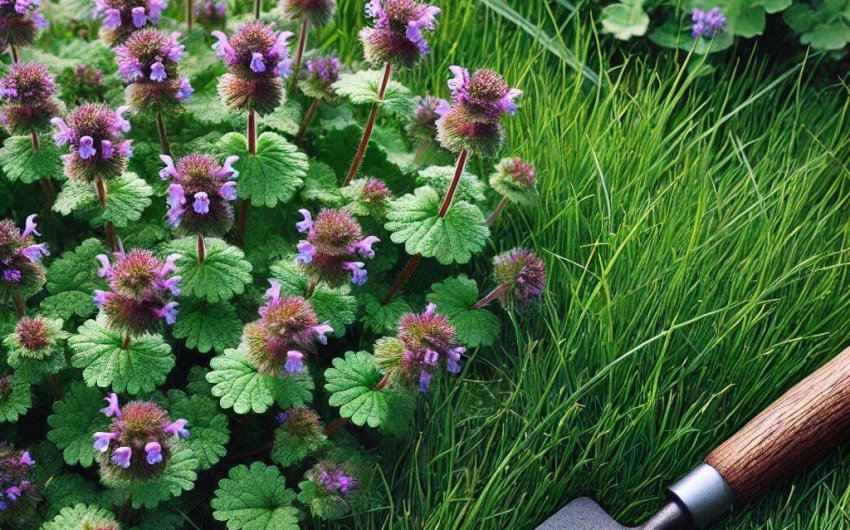
As winter fades and spring breathes new life into your garden, a familiar sight might emerge alongside your budding daffodils: fuzzy, purplish-green plants with delicate pink or purple flowers, often quickly forming dense mats. This common cool-season annual weed is henbit, and while its early blooms can attract pollinators, its rapid spread and tendency to outcompete desirable turfgrass can quickly spoil your lawn's clean look. Learning how to control henbit in lawns is essential for maintaining a pristine landscape. This comprehensive guide will equip you with effective strategies, from proactive prevention to targeted removal, ensuring your lawn stays henbit-free and boasts that crisp, manicured appearance you desire.
What is Henbit and Why is it a Problem in Lawns?
Before you can effectively combat henbit, it's helpful to understand its characteristics and life cycle.
What Does Henbit Look Like?
Henbit (Lamium amplexicaule) is a member of the mint family, a widespread annual weed that typically germinates in late summer or early fall, overwinters as a small plant, and then rapidly grows and flowers in early spring.
- Leaves: Its most distinctive feature is its leaves. They are round to heart-shaped, deeply veined, and have scalloped or toothed edges. The upper leaves near the flowers appear to "clasp" or wrap around the stem, which is a key identifying characteristic. They grow in opposite pairs along the square stem.
- Stems: Henbit has square stems, a characteristic common to the mint family. These stems can sprawl along the ground and then turn upright.
- Flowers: It produces small, tubular, purplish-pink to lavender flowers in whorls (rings) in the leaf axils (where the leaves meet the stem). These flowers appear very early in spring, sometimes as early as late winter in warmer climates.
- Root System: It has a relatively shallow, fibrous root system, which can make it easy to pull when the soil is moist.
- Growth Habit: It often forms dense, spreading mats, especially in thinning or disturbed areas of the lawn.
Why is Henbit Such a Nuisance in Lawns?
While some early pollinators appreciate its flowers, henbit can be a significant problem for a tidy lawn.
- Aggressive Growth: Henbit grows rapidly in cool weather, often forming thick patches that can quickly smother and outcompete desirable turfgrass, especially in weakened or sparse areas.
- Unsightly Appearance: Its coarse texture, purplish color (especially the upper leaves), and sprawling growth habit contrast sharply with the fine blades of lawn grasses, creating a messy, unkempt look.
- Early Seeder: Henbit flowers and sets seed very early in spring, often before many other weeds or even before your turfgrass is actively growing. This early seed production means that if not controlled, it will drop a large number of viable seeds, ensuring an even bigger problem the following season.
- Opportunistic: It thrives in disturbed soil, thin lawns, overwatered areas, and compacted soil where turfgrass struggles. It's often a sign of underlying lawn health issues.
- Short Lifespan, Long-Term Impact: Although it's an annual weed that dies out in hot summer weather, it leaves behind a substantial seed bank, perpetuating the problem year after year if not managed proactively.
What Are the Best Chemical-Free Prevention Strategies for Henbit?
The most effective way to control henbit in lawns is through proactive prevention. A healthy, dense lawn is your strongest defense against this opportunistic weed.
1. Maintain a Thick, Healthy Lawn:
A dense, vigorously growing lawn leaves no room for henbit to germinate and thrive.
- Mow High: Set your mower blade to the highest recommended height for your grass type (typically 2.5-3 inches or even higher).
- Shades the Soil: Taller grass blades shade the soil surface, keeping it cooler and blocking sunlight. Henbit seeds need light to germinate.
- Competitive Advantage: A dense, tall turfgrass canopy outcompetes henbit for light, water, and nutrients.
- Proper Fertilization: Follow a balanced fertilization program (based on a soil test) to promote strong, uniform growth in your desirable turfgrass. A thick lawn is more resistant to weed invasion. Avoid over-fertilizing, which can sometimes stress the lawn. Look for organic lawn fertilizers.
- Overseeding: Regularly overseed your lawn, particularly in the fall (for cool-season grasses) or late spring (for warm-season grasses). This introduces new grass plants into any thinning areas, increasing lawn density and filling in bare spots before henbit can take root.
2. Strategic Watering Practices:
How you water your lawn can influence weed germination.
- Water Deeply and Infrequently: Encourage deep root growth in your turfgrass by watering thoroughly (about 1 inch per week, including rainfall) and less often.
- Avoid Frequent, Shallow Watering: This practice keeps the top layer of soil constantly moist, which is exactly what henbit seeds need to germinate and establish. By allowing the surface to dry between deep waterings, you create a less hospitable environment for henbit.
- Water in the Morning: Water in the early morning (before 10 AM) to allow grass blades to dry completely before nightfall, reducing the risk of fungal diseases.
3. Improve Soil Health:
Healthy soil supports healthy, competitive turfgrass.
- Aeration: Core aeration helps relieve compacted soil. Compacted soil stresses turfgrass roots and creates ideal conditions for henbit. Aeration improves water penetration, air circulation, and overall root health, strengthening your desirable grass. Consider renting a core aerator or hiring a professional.
- Topdressing with Compost: Applying a thin layer (1/4 to 1/2 inch) of compost annually enriches the soil, improves its structure, and boosts microbial activity, fostering a denser and more resilient lawn.
- Correct Soil pH: Conduct a soil test every few years. Ensure your soil's pH is in the optimal range (6.0-7.0 for most turfgrasses). An imbalanced pH can weaken turfgrass, making it more susceptible to weeds.
4. Natural Pre-Emergent Options:
These natural alternatives can help prevent henbit seeds from sprouting.
- Corn Gluten Meal (CGM):
- How it works: CGM is a natural byproduct that inhibits root development in germinating seeds. When applied at the right time, it can effectively suppress henbit and other annual weeds.
- Application Timing: Apply CGM in late summer to early fall, before henbit seeds germinate. This is crucial for its effectiveness. You might need to make a second application in late winter for a broad spectrum of cool-season weeds.
- Pros: Safe for kids and pets, adds nitrogen to the soil.
- Cons: Less effective than synthetic pre-emergents if timing is off, can inhibit germination of desirable grass seed (so don't overseed for a few months after application), requires consistent application over several years for best results. A good corn gluten meal product is essential.
- Mulching: In garden beds adjacent to your lawn, a thick layer of organic mulch (wood chips, straw) can suppress henbit germination.
How Do I Remove Existing Henbit Without Chemicals?
If henbit has already established itself in your lawn, direct action is needed. These chemical-free methods are effective for existing infestations.
1. Manual Removal (Small Infestations):
For individual henbit plants or small, manageable patches, hand-pulling is highly effective.
- Timing: Pull henbit when the plants are young and small, ideally before they produce flowers and set seed in early spring. This is critical to prevent future generations.
- Tools:
- Weeding Fork or Dandelion Weeder: These tools help you loosen the soil around the shallow root system, making it easier to pull the entire plant. A dandelion weeder is very useful.
- Gloves: Protect your hands.
- Technique:
- Water the Area: Water the area thoroughly a few hours before weeding. Moist soil makes pulling much easier and ensures you get the whole root.
- Pull Gently, but Firmly: Grasp the henbit plant firmly at its base. Pull straight up, aiming to remove the entire shallow root system.
- Dispose Properly: Do NOT compost henbit, especially if it has started to flower or set seed. Dispose of it in the trash to avoid spreading seeds in your compost pile.
- Fill Bare Spots: Immediately fill any bare spots left after pulling with fresh topsoil and overseed with desirable grass seed to prevent new henbit or other weeds from moving in.
2. Strategic Mowing (Limited Effectiveness, but Helps):
While mowing won't eliminate henbit, it can help manage its spread, especially early in the season.
- Mow Regularly: Regular mowing at your higher recommended height can cut off henbit's early flowers, preventing some (but not all) seed production.
- Bag Clippings: If henbit is actively flowering and setting seed, bag your grass clippings instead of mulching them back onto the lawn. This helps remove the seeds from your lawn, reducing the seed bank for next year. However, if no seeds are present, continue mulching grass clippings to return nutrients to the soil.
3. Using Horticultural Vinegar (Targeted Spot Treatment):
For stubborn or larger individual henbit plants that you don't want to hand-pull, horticultural vinegar can be used as a non-selective spot treatment.
- Type of Vinegar: Use horticultural vinegar (10-20% acetic acid), not common household vinegar (5% acetic acid). Household vinegar is too weak to be truly effective on established weeds.
- How it Works: The high acidity burns and desiccates plant tissue on contact. It is non-selective, meaning it will kill any plant it touches, including your desirable turfgrass.
- Application:
- Protect Desirable Grass: Apply with extreme caution and precision. Use a spray bottle with a narrow stream or paint the vinegar onto the henbit leaves with a small brush. A cardboard "spray shield" can protect surrounding grass.
- Apply on a Sunny Day: Apply on a dry, sunny day with no rain in the forecast, as sunlight helps activate its burning effect.
- Repeat as Needed: Stubborn plants might require a second application.
- Pros: Fast-acting, no synthetic chemicals.
- Cons: Non-selective (kills desirable grass), high acidity is corrosive and requires protective gear (safety goggles and chemical-resistant gloves), can temporarily lower soil pH.
4. Boiling Water (Very Targeted Spot Treatment):
For very isolated henbit plants, boiling water is a simple and immediate non-chemical killer.
- How it Works: The intense heat instantly destroys plant cells.
- Application: Carefully pour boiling water directly onto the crown of the individual henbit plant. Be precise, as it will also kill any surrounding turfgrass.
- Pros: Very cheap, no chemicals, immediate results.
- Cons: Non-selective, only suitable for tiny, isolated weeds, a safety risk with hot water.
How Do I Manage Henbit in Problem Areas?
Some parts of your lawn or garden may be more prone to henbit infestations. Targeted strategies can help.
1. Address Shady or Thinning Areas:
Henbit often thrives in areas where turfgrass struggles, such as shady or compacted spots.
- Improve Light: Prune overhanging tree branches or dense shrubs to allow more sunlight to reach these areas.
- Overseed with Shade-Tolerant Grass: If light is still limited, overseed with shade-tolerant grass seed varieties (e.g., fine fescues for cool-season zones).
- Improve Drainage/Aeration: Address any compaction or poor drainage in these areas through aeration and soil amendments.
- Consider Groundcovers: If grass consistently fails in deep shade, consider replacing it with a shade-loving, low-maintenance groundcover or shade garden.
2. Control Soil Disturbance:
- Minimize Tilling: Avoid unnecessary tilling or digging in garden areas prone to henbit, as this can bring dormant seeds to the surface, encouraging germination.
- Plant Dense Cover: In vegetable gardens, use cover crops or plant desirable vegetables densely to suppress weed growth. Apply a thick layer of mulch around plants.
3. Edge Control:
- Maintain Edges: Keep garden bed edges and borders clearly defined. Use edging materials or regularly cultivate the edge to prevent henbit from creeping from beds into the lawn.
- Mulch Borders: A strip of mulch (wood chips, straw) between your lawn and garden beds can act as a barrier against henbit spread.
What Are Long-Term Strategies for a Henbit-Free Lawn?
Achieving a consistently henbit-free lawn requires a long-term commitment to a holistic lawn care strategy.
1. Adopt an Integrated Pest Management (IPM) Approach:
- Preventative Focus: IPM emphasizes prevention over reactive chemical treatments. By creating a strong, healthy lawn, you naturally reduce its susceptibility to weeds like henbit.
- Regular Monitoring: Make it a habit to inspect your lawn regularly, especially in early spring and fall. Early detection of henbit allows for swift, often manual, removal before it proliferates and sets seed.
- Record Keeping: Note where henbit appears each year and what control methods you used. This helps you identify recurring problem areas and refine your strategy.
2. Consistency is Key:
- Follow a Schedule: Stick to a consistent schedule for mowing (at the correct height), watering (deeply and infrequently), and fertilizing.
- Annual Practices: Make fall aeration and overseeding (for cool-season grasses) or spring practices (for warm-season) a regular part of your annual lawn care routine. These are powerful tools for creating a dense, competitive turf.
3. Educate Yourself on Weed Life Cycles:
- Understand Henbit's Cycle: Remember that henbit is a cool-season annual that germinates in late summer/fall and produces seeds in early spring. Your preventative actions (like fall overseeding and pre-emergent application) must target this cycle effectively.
- Know Your Weeds: Learn to identify other common weeds in your area and understand their life cycles. This allows for targeted prevention and control.
By understanding the nature of henbit and consistently applying these proactive, chemical-free strategies, you can significantly reduce its presence and achieve a cleaner, more manicured look for your lawn. From a dense turf created by proper mowing and watering to strategic cultural practices and targeted manual removal, you have all the tools to control henbit in lawns naturally and effectively, ensuring your green space remains a source of pride.