
How to Propagate Pothos in Water Successfully?
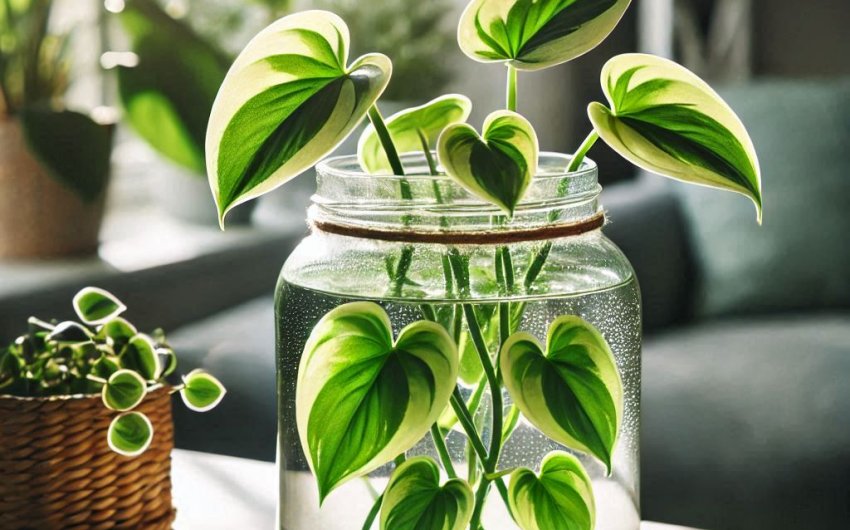
Pothos, often called Devil's Ivy, is a beloved houseplant known for its stunning trailing vines and incredibly forgiving nature. Its hardiness makes it a favorite among beginners and seasoned plant enthusiasts alike. But did you know that multiplying your Pothos collection is surprisingly simple and incredibly rewarding? Learning how to propagate Pothos in water successfully is a fantastic way to create new plants from existing ones, fill out a sparse mother plant, or share the joy of greenery with friends. This guide will take you step-by-step through the entire process, ensuring your propagation efforts lead to thriving new Pothos plants.
Why Propagate Pothos in Water?
Water propagation is a popular and highly effective method for multiplying Pothos plants. It offers several advantages, especially for beginners.
What Makes Pothos So Easy to Propagate?
Pothos (scientific name Epipremnum aureum) is a member of the Araceae family, known for its ability to produce aerial roots – tiny bumps or nubs that appear along the stem, particularly at the nodes.
- Natural Adaptation: In their native tropical habitats, Pothos plants naturally climb trees and other structures, using these aerial roots to anchor themselves and absorb moisture and nutrients from the air.
- Rooting Hormones: Pothos plants naturally produce rooting hormones, making them highly receptive to producing new roots when placed in water.
- High Success Rate: Their inherent vigor and ability to quickly develop new roots make Pothos one of the easiest houseplants to propagate, even for those new to plant propagation.
What are the Benefits of Water Propagation Over Soil?
While Pothos can also be propagated directly in soil, water propagation offers distinct advantages:
- Visibility: You can actually see the roots growing! This is incredibly satisfying and helps you monitor progress. It's a great learning experience for new propagators.
- Reduced Risk of Rot: When done correctly, water propagation can reduce the risk of root rot, which is common in soil propagation if the soil stays too wet.
- Cleanliness: No messy soil involved, making it a clean indoor activity.
- Display: Rooting cuttings in stylish clear vases or jars can be a beautiful decorative element in your home.
- Convenience: Once roots appear, you can decide when to pot them up, or even keep them growing in water long-term.
When is the Best Time to Propagate Pothos?
While you can propagate Pothos at almost any time of the year, optimal conditions will lead to faster rooting and healthier plants.
- Growing Season: The best time to propagate Pothos is during its active growing season, typically spring and summer. During these months, the plant is actively putting out new growth and has more energy to dedicate to root development.
- Warmth and Light: Warmer temperatures and longer daylight hours of spring and summer encourage faster root growth.
- Avoid Dormancy: While possible, propagation during fall and winter (dormant period) will be much slower.
How Do I Take a Healthy Pothos Cutting for Water Propagation?
The success of your propagation hinges on taking a healthy and correctly cut section of the mother plant.
What Kind of Stem Should I Choose?
Choosing the right part of the Pothos vine is crucial.
- Healthy, Mature Stem: Look for a healthy, green stem that is mature enough to support new growth, but not overly old and woody. Avoid very thin, leggy, or yellowing stems.
- No Flowers: Pothos rarely flowers indoors, but if it does, avoid stems with flower buds, as the plant's energy will be diverted to flowering rather than rooting.
- Length: Aim for a cutting that is 4-6 inches long and has at least 2-3 nodes.
What is a "Node" and Why is it Important?
The node is the magic spot on your Pothos vine where new roots and leaves will emerge.
- Location: Nodes are small, slightly swollen bumps or ridges along the stem, usually where a leaf (or a spent leaf) attaches to the main vine. You might also see tiny aerial roots already forming there.
- Importance: Roots only grow from the nodes. If your cutting doesn't have at least one node submerged in water, it will not root. Having multiple nodes submerged increases your chances of success.
Step-by-Step Guide to Taking Cuttings:
- Gather Your Tools:
- Sharp Scissors or Pruners: Clean and sharp scissors or pruning shears are essential to make a clean cut that minimizes damage to the plant and prevents disease. You can sterilize them with rubbing alcohol between cuts.
- Mother Plant: Your healthy Pothos plant.
- Identify Your Cutting: Locate a healthy section of vine with at least 2-3 leaves and 2-3 nodes.
- Make the Cut: Make a clean cut with your sterilized scissors or pruners just below a node (about 1/4 to 1/2 inch below the node). This is the key to successful rooting.
- Remove Lower Leaves: Carefully remove any leaves that would be submerged in water. Leaves left underwater will rot, which can contaminate the water and hinder root development. Aim to have at least one node (or two, preferably) exposed below the water line and at least one healthy leaf above the water.
- Repeat for More Cuttings: You can take multiple cuttings from a long vine. Just ensure each cutting has at least one node below where you will cut and 1-2 leaves above.
- Optional: Rooting Hormone: While not strictly necessary for Pothos, dipping the cut end (the node) in a rooting hormone powder can sometimes accelerate rooting. However, Pothos roots readily without it.
How Do I Set Up My Pothos Cuttings for Water Propagation?
Once you have your healthy cuttings, setting them up correctly in water is the next crucial step.
What Kind of Container is Best for Water Propagation?
The right container can make a difference in your propagation success and aesthetics.
- Clear Glass: A clear glass jar, vase, or bottle is ideal.
- Visibility: It allows you to easily monitor root growth.
- Light: While roots don't need light, some indirect light can encourage their development.
- Narrow Neck (Optional): A container with a slightly narrower neck can help hold the cuttings upright and keep the leaves out of the water.
- Cleanliness: Always start with a very clean container to prevent the growth of algae or bacteria that could harm your cuttings.
- Size: Choose a container that is large enough to hold the cuttings without crowding them but small enough that the nodes remain submerged.
What Type of Water Should I Use?
The quality of water can influence root development.
- Tap Water (Dechlorinated): Regular tap water is usually fine for Pothos propagation. However, if your tap water contains high levels of chlorine or chloramine, it's best to let it sit out in an open container for 24 hours to allow the chemicals to dissipate. Alternatively, use distilled water or rainwater.
- Room Temperature: Use water that is at room temperature, not ice-cold or hot.
Step-by-Step Guide to Setting Up Cuttings:
- Fill Container with Water: Fill your chosen clean glass container with dechlorinated, room-temperature water.
- Place Cuttings: Gently place your Pothos cuttings into the water. Ensure that at least one node is fully submerged below the waterline. If the cutting has multiple nodes, submerging 2-3 nodes can increase the chances of rooting. Make sure no leaves are submerged, as they will rot.
- Find the Right Spot: Place the container in a location that receives bright, indirect light.
- Avoid Direct Sun: Direct sunlight can overheat the water and potentially damage the delicate new roots.
- Avoid Dark Corners: Too little light will slow down or prevent rooting.
- Warmth: A warm spot (around 70-75°F or 21-24°C) will encourage faster root growth.
- Monitor Water Level: As water evaporates, the level will drop. Check daily and top up the water as needed to ensure the nodes remain submerged.
- Change Water Regularly: This is a crucial step! Change the water in the container every 5-7 days (or more frequently if it looks cloudy or dirty). This prevents algae buildup and keeps the water fresh and oxygenated for the developing roots.
How Do I Care for Pothos Cuttings While They Are Rooting?
Patience is key during the rooting phase. Consistent care will ensure strong root development.
How Long Does it Take for Roots to Appear?
The waiting game is part of the fun!
- Timing: You should typically see small white roots begin to emerge from the nodes within 1-4 weeks, depending on the warmth, light, and health of your cutting.
- Patience: Some cuttings might take a bit longer, especially in cooler temperatures. Don't get discouraged if you don't see roots immediately.
What Do Healthy Pothos Roots Look Like?
When roots start to form, they will look distinct.
- Appearance: Healthy roots are typically white, thick, and fleshy.
- Growth: They will steadily grow longer and branch out.
- Unhealthy Roots: If roots appear brown, black, or mushy, they are likely rotting. You might need to trim them off and change the water more frequently, or start with a new cutting.
How Often Should I Change the Water?
Regular water changes are essential for healthy root development.
- Frequency: Change the water completely every 5-7 days.
- Why it's Important:
- Oxygenation: Replenishes oxygen levels in the water, which roots need to grow.
- Prevents Algae: Reduces the buildup of algae, which can compete with the plant for nutrients and sunlight.
- Removes Waste Products: Flushes away any waste products released by the cutting.
Should I Add Anything to the Water?
For Pothos, plain water is usually sufficient.
- Nutrients: The cuttings rely on stored energy for initial root growth. Once roots form, they will start to absorb what they need.
- No Fertilizer: Avoid adding liquid fertilizer to the water, as this can burn the delicate new roots.
- Rooting Hormone (Optional): As mentioned, dipping the cut end in a rooting hormone powder before placing it in water can sometimes speed up the process, but it's not strictly necessary for Pothos.
When and How Do I Pot My Rooted Pothos Cuttings?
Once your Pothos cuttings have developed a healthy root system, they're ready to transition to soil. This is a critical step for their long-term growth.
When Are the Roots Ready for Soil?
The timing of transfer from water to soil is important for the plant's success.
- Root Length: Wait until the roots are at least 1-2 inches long, with a few branching roots. Longer, more established root systems (2-4 inches) generally lead to higher success rates in soil.
- New Leaf Growth (Optional but helpful): Sometimes, you'll see new leaf growth appearing even before roots are very long. This is a good sign, but ensure adequate root development before potting.
- Don't Wait Too Long: While Pothos can live in water indefinitely, roots that develop exclusively in water are different from those that grow in soil. Very long, established water roots can sometimes struggle to adapt to soil, so don't wait too long.
What Type of Potting Mix and Pot Should I Use?
Choosing the right potting mix and container sets your new plant up for success.
- Potting Mix: Use a good quality, well-draining potting mix specifically formulated for houseplants. A mix that contains perlite or coco coir will ensure good drainage and aeration, which Pothos loves. Avoid heavy garden soil.
- Pot Size: Start with a relatively small pot, appropriate for the size of your rooted cutting. A 4-6 inch pot is usually sufficient for one or two cuttings. Using a pot that's too large can lead to overwatering because the soil stays wet for too long.
- Drainage Holes: Ensure the pot has drainage holes at the bottom. This is absolutely critical to prevent waterlogging and root rot.
Step-by-Step Guide to Potting Cuttings:
- Prepare the Pot: Place a small amount of fresh potting mix in the bottom of your chosen pot.
- Gently Place Cuttings: Carefully take your rooted Pothos cuttings from the water. Handle the delicate new roots very gently to avoid damage.
- Position the Plant: Place the cutting (or several cuttings if you want a fuller plant) in the center of the pot, ensuring the roots are spread out. The base of the stem (where the roots emerge) should be at or slightly below the soil line.
- Backfill with Soil: Gently fill the pot with potting mix around the roots, leaving about 1/2 to 1 inch of space from the top of the pot to the soil line. Lightly pat the soil down around the stem to secure the plant. Do not compact it too tightly.
- Water Thoroughly: Water the newly potted plant immediately and thoroughly until water drains from the bottom. This helps settle the soil and eliminate air pockets around the roots.
- Initial Care: Place your newly potted Pothos in a location with bright, indirect light. Avoid direct sun immediately after potting. The plant may experience a slight "shock" as it adjusts from water to soil, so don't be alarmed if it looks a little droopy for a few days.
- Watering After Potting: For the first few weeks, keep the soil consistently moist but not soggy. The plant is still adapting, and its water roots are transitioning to soil roots. Gradually transition to a regular watering schedule (allowing the topsoil to dry out between waterings) once the plant appears established.
How Do I Ensure My Pothos Thrives After Potting?
The final stage of propagation is ensuring your new Pothos plant flourishes in its new home.
What are the Ideal Light and Watering for New Pothos Plants?
Consistent and appropriate care will help your young Pothos grow into a thriving plant.
- Light: Continue to provide bright, indirect light. Avoid harsh direct sunlight, especially for newly potted plants. As the plant matures, it can tolerate a wider range of light conditions, but bright indirect light is optimal for lush growth and good variegation.
- Watering: For the first few weeks after potting, keep the soil consistently moist, as the plant adjusts. Once it has established (you'll see new leaf growth and less droopiness), transition to watering only when the top 1-2 inches of soil feel dry. Always water thoroughly until it drains from the bottom, and empty the saucer.
- Monitor Closely: Pay close attention to your new Pothos for the first month. Drooping leaves might mean it needs water or is still adjusting.
When Can I Start Fertilizing My New Pothos?
Hold off on fertilizing immediately after potting.
- Wait: New potting mix typically contains enough nutrients for the first few months. Wait about 2-3 months after potting before you start fertilizing.
- Fertilizer Type: When you do fertilize, use a balanced liquid houseplant fertilizer (e.g., 2-2-2 or 5-10-5) diluted to half strength.
- Frequency: Fertilize only during the active growing season (spring and summer), typically once every 2-4 months. Do not fertilize in fall or winter.
How Do I Keep My Pothos Bushy and Full?
Pothos can become leggy over time, but simple pruning encourages bushiness.
- Pruning (Pinching): To encourage your Pothos to branch out and become bushier, you can pinch back or prune the longer vines.
- Locate a long vine.
- Find a leaf node along that vine.
- Cut just above the node. This encourages new growth to emerge from that node, leading to a fuller plant. You can even use the pruned sections to create more cuttings!
- Adequate Light: Ensure your Pothos receives enough light. Too little light can cause the plant to stretch and become leggy as it searches for light.
- Group Cuttings: When potting, planting multiple rooted cuttings together in one pot will instantly create a fuller, bushier appearance.
What if My Pothos Doesn't Root or Thrive?
Don't be discouraged! Even with easy plants, things can sometimes go wrong.
- No Roots:
- Node Issue: Double-check that at least one node is submerged in water.
- Temperature: Is the environment warm enough?
- Light: Is it getting bright, indirect light?
- Water Quality: Is the water being changed regularly?
- Sterility: Was your cutting tool clean?
- Patience: Some cuttings just take longer.
- Rotting Cuttings:
- Too Many Leaves: Remove any leaves that would be submerged in water.
- Infrequent Water Changes: Change water more often.
- Diseased Mother Plant: Ensure your mother plant is healthy.
- Action: Remove rotting parts, change water, and ensure good air circulation.
- Struggling After Potting:
- Overwatering in Soil: The most common reason. Let the soil dry out.
- Root Damage: You might have damaged the roots during transfer. Be extra gentle.
- Light Shock: Provide consistent bright, indirect light.
- Patience: It takes time to adjust.
By following this comprehensive guide, you'll be well on your way to mastering how to propagate Pothos in water successfully. Soon, you'll have a flourishing collection of these beautiful, easy-care plants, ready to adorn your home or share with fellow plant lovers.