
Why Are My Peace Lily Leaves Turning Yellow?
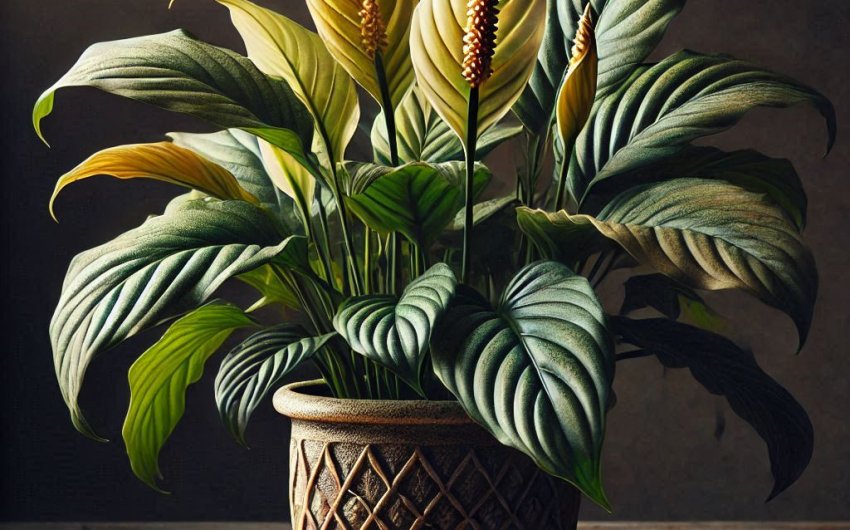
The Peace Lily (Spathiphyllum) is a cherished houseplant, celebrated for its elegant white "flowers" (actually modified leaves called spathes) and glossy green foliage. It's often recommended for beginners due to its apparent hardiness and ability to tolerate lower light conditions. However, many Peace Lily owners eventually encounter a disheartening problem: why are my Peace Lily leaves turning yellow? This common issue is a clear cry for help from your plant, indicating that one or more of its basic needs aren't being met. Understanding the root cause of yellowing leaves is crucial for diagnosing the problem and restoring your Peace Lily to its vibrant, healthy self.
Why Are My Peace Lily Leaves Turning Yellow?
Yellowing leaves on a Peace Lily are a classic symptom of plant stress, often related to improper watering, light, or nutrient imbalances. Peace Lilies are tropical understory plants, meaning they thrive in consistently moist (but not soggy) soil, high humidity, and dappled light. When these conditions are disrupted, their foliage is usually the first to show signs of distress.
Here are the most common reasons why your Peace Lily leaves are turning yellow:
- Overwatering: The #1 culprit, leading to root rot.
- Underwatering: Not enough moisture.
- Too Much Light: Direct sunlight can scorch leaves.
- Nutrient Deficiency: Lack of essential plant food.
- Mineral Salt Buildup: From tap water or fertilizer.
- Temperature Extremes: Too hot or too cold.
- Pest Infestation: Sap-sucking insects.
- Aging/Natural Cycle: Normal shedding of older leaves.
Let's delve into each of these factors to help you identify what's truly ailing your Peace Lily.
Is Overwatering Making My Peace Lily Leaves Yellow?
Yes, overwatering is by far the most frequent reason why your Peace Lily leaves are turning yellow, and it's also the most dangerous. Peace Lilies are sensitive to constantly wet soil, which suffocates their delicate roots and leads to root rot.
How Overwatering Causes Yellowing
When roots sit in waterlogged soil, they can't access oxygen. Without oxygen, roots begin to die and rot. Once the roots are compromised, they can no longer absorb water or nutrients effectively, even if they are abundant in the soil. This leads to a paradoxical situation where the plant shows symptoms of thirst (wilting) and nutrient deficiency (yellowing) because its damaged roots can't perform their function.
Signs of Overwatering and Root Rot
- Yellowing leaves, often starting at the tips or edges and spreading inward.
- Wilting or drooping leaves, even though the soil is wet to the touch. This is the definitive sign of overwatering/root rot.
- Mushy, brown, or black stems at the soil line.
- Foul, rotten odor emanating from the soil.
- Soil stays wet for days or weeks after watering.
- Presence of fungus gnats (small black flies hovering around the soil), which thrive in damp conditions.
Solution: Adjust Watering and Check for Root Rot
- Stop Watering Immediately: Do not water your plant again until the top 2-3 inches of soil have completely dried out.
- Inspect Roots for Rot:
- Gently remove the plant from its pot.
- Shake off excess soil and examine the roots. Healthy roots are firm and white or light tan. Roots with root rot will be mushy, soft, black or dark brown, and might smell rotten.
- If you find rotten roots, use clean, sharp scissors to prune away all affected parts, cutting back to healthy tissue.
- Repot into fresh, well-draining potting mix (see next section) in a clean pot (sterilize if reusing the old one).
- Do not water for a few days after repotting to allow any cut roots to heal.
- Ensure Proper Drainage: Always use a pot with drainage holes. Empty excess water from the saucer within 15-30 minutes of watering.
- Allow Soil to Dry: For future waterings, wait until the top 1-2 inches of soil feel dry before watering again. For Peace Lilies, it's safer to err on the side of slightly underwatering than overwatering. A soil moisture meter can be very helpful.
Can Underwatering Also Cause Yellow Leaves?
Yes, paradoxically, underwatering can also be a reason why your Peace Lily leaves are turning yellow. While less immediately fatal than overwatering, prolonged dryness stresses the plant.
How Underwatering Causes Yellowing
When a Peace Lily doesn't receive enough water, it can't maintain its turgor (internal water pressure) and also struggles to transport nutrients efficiently. Leaves will start to yellow as they become dehydrated and eventually turn brown and crispy. The plant might also shed older, lower leaves to conserve moisture for newer growth.
Signs of Underwatering
- Yellowing leaves, often starting from the bottom of the plant.
- Dramatic wilting or drooping leaves, but the soil is bone dry.
- Crispy, brown leaf tips or edges.
- Soil is completely dry and may have pulled away from the sides of the pot.
- Slowed or stopped growth.
Solution: Adjust Watering Frequency
- Water Thoroughly: When you water, do so deeply until water runs from the drainage holes.
- Increase Frequency (Carefully): While Peace Lilies like consistent moisture, they don't like soggy feet. If your plant is repeatedly drying out too much between waterings, gradually increase your watering frequency. For example, if you water every 10 days, try every 7-8 days.
- Feel the Soil: Again, stick to the rule of watering when the top 1-2 inches of soil are dry, and don't let it become bone dry all the way through the pot.
How Does Light Affect Leaf Color on a Peace Lily?
The right amount of light is crucial for Peace Lilies. Too much or too little can lead to yellowing leaves.
Too Much Light
- Direct Sunlight Scorch: Peace Lilies are understory plants; they naturally grow on the forest floor, receiving dappled or filtered light. Direct, intense sunlight, especially through a window, can scorch their delicate leaves.
- Signs: Yellowing or whitish-yellow patches on leaves exposed directly to the sun, often accompanied by crisp, brown edges or tips where the sun has literally burned the leaf tissue.
- Solution: Move your Peace Lily to a location with bright, indirect light. An east-facing window is often ideal. If a south or west-facing window is your only option, place the plant several feet back from the window or use a sheer curtain to diffuse the light.
Too Little Light
- Insufficient Photosynthesis: While Peace Lilies tolerate low light, prolonged periods in very dim conditions can still stress them. Without enough light for photosynthesis, the plant can't produce enough chlorophyll (the green pigment) or energy.
- Signs: Overall yellowing or pale green leaves, slow growth, and reduced or no blooms.
- Solution: Move your Peace Lily to a brighter spot with indirect light. Gradually introduce it to brighter conditions if it's been in a very dim spot to avoid shocking it.
Can Nutrient Deficiencies or Excesses Cause Yellowing?
Yes, both a lack of essential nutrients and an excess of fertilizer can cause yellowing Peace Lily leaves.
Nutrient Deficiency
- Chlorosis: Yellowing due to nutrient deficiency is called chlorosis, where the plant can't produce enough chlorophyll.
- Nitrogen Deficiency: Often causes older, lower leaves to turn uniformly yellow, sometimes with the veins remaining green initially. Nitrogen is crucial for overall green growth.
- Iron or Magnesium Deficiency: Can also cause yellowing between the veins (interveinal chlorosis) while the veins stay green, usually on newer leaves for iron and older leaves for magnesium.
- Solution:
- Fertilize Regularly (During Growing Season): Peace Lilies are moderate feeders. Use a balanced, all-purpose liquid houseplant fertilizer during the active growing season (spring and summer), typically once a month.
- Dilute Fertilizer: Always dilute the fertilizer to half or even quarter strength. This prevents salt buildup and fertilizer burn. Schultz Plant Food Liquid Concentrate is a common choice, but remember to dilute for Peace Lilies.
- Repotting: Repotting every 1-2 years into fresh potting mix will replenish nutrients naturally.
Mineral Salt Buildup / Over-Fertilization
- Mechanism: As discussed for crispy edges, an excess of salts from tap water or too much fertilizer accumulates in the soil. These salts can "burn" the roots, hindering their ability to absorb water and nutrients, leading to yellowing and browning.
- Signs: Yellowing, especially at leaf tips and edges, often accompanied by brown, crispy tips. White crusty residue on the soil surface or pot rim.
- Solution:
- Flush the Soil: Every few months, thoroughly flush the soil with lukewarm, filtered water for several minutes to wash out accumulated salts.
- Use Filtered Water: If your tap water is hard or chlorinated, switch to filtered water, distilled water, or rainwater.
- Reduce Fertilizer: Fertilize less frequently or at a weaker dilution.
Do Temperature Extremes Affect Peace Lily Leaf Color?
Yes, Peace Lily leaves turning yellow can also be a symptom of being subjected to uncomfortable temperatures.
Cold Stress
- Signs: Yellowing, browning, or blackening of leaves, often starting at the edges or tips. Can look like frostbite if exposed to very cold temperatures. The plant might generally look stunned or appear waterlogged.
- Solution: Peace Lilies prefer consistent warmth, ideally between 65°F and 80°F (18°C-27°C). Keep them away from drafty windows or doors, especially in winter, and avoid placing them near air conditioning vents.
Heat Stress
- Signs: Yellowing and wilting, often accompanied by crispy edges, similar to underwatering or direct sun scorch. The plant looks generally stressed.
- Solution: Ensure good air circulation. If the room is excessively hot, try to cool it down or move the plant to a slightly cooler location.
Can Pests Cause Peace Lily Leaves to Yellow?
While less common than watering or light issues, significant pest infestations can stress your Peace Lily and lead to yellowing leaves.
Common Pests
- Spider Mites: Tiny, almost invisible pests that suck sap from leaves, causing tiny yellow or white stippling. In severe cases, they can cause widespread yellowing and fine webbing.
- Aphids: Small, soft-bodied insects that cluster on new growth, sucking sap and causing distorted, yellowing leaves.
- Mealybugs: Look like small, white, cottony masses in leaf axils or on stems. They also suck sap, leading to yellowing and weakening.
Solution: Inspect and Treat
- Inspect Thoroughly: Regularly check your plant, especially the undersides of leaves and leaf axils, for any signs of pests.
- Treat Organically:
- Wipe Down: For small infestations, wipe leaves with a damp cloth or a cotton swab dipped in rubbing alcohol.
- Insecticidal Soap: Spray affected areas with an insecticidal soap solution. This smothers soft-bodied pests. Garden Safe Insecticidal Soap is a good choice.
- Neem Oil: A natural pesticide that can deter and disrupt pests. Apply according to package directions.
Is Yellowing Simply a Natural Part of Aging?
Yes, sometimes yellowing Peace Lily leaves are simply a natural part of the plant's life cycle.
Natural Aging Process
- Older Leaves: As Peace Lilies grow, older leaves at the base of the plant will naturally yellow and eventually die off. This is normal and allows the plant to put energy into new growth.
- Signs: Usually, only a few isolated older leaves turn yellow gradually, while the rest of the plant remains healthy and vibrant.
Solution: Prune Off Old Leaves
- Remove: Once a leaf is mostly yellow or brown, you can prune it off at the base with clean, sharp scissors. This helps maintain the plant's appearance and redirects energy.
How Do I Ensure My Peace Lily Stays Green and Healthy?
To prevent your Peace Lily leaves from turning yellow, focus on providing consistent, appropriate care based on its tropical needs.
- Master Watering: This is the most crucial element. Water when the top 1-2 inches of soil are dry. Always ensure drainage and empty saucers. Consider bottom watering.
- Choose the Right Potting Mix: Use a well-draining, aerated potting mix that won't stay soggy. Amend with perlite if needed.
- Provide Bright, Indirect Light: Keep it out of direct sun but ensure it's not in a consistently dark corner.
- Fertilize Moderately: Use a diluted, balanced liquid fertilizer during spring and summer.
- Manage Minerals: Flush soil periodically and consider using filtered water.
- Maintain Stable Temperatures: Avoid cold drafts or excessive heat.
- Ensure Good Drainage: Always use pots with drainage holes and empty saucers promptly.
- Repot When Rootbound: Refresh the soil every 1-2 years or when roots are circling the pot.
- Regular Inspection: Check your plant weekly for any early signs of stress or pests.
By understanding the various reasons why your Peace Lily leaves are turning yellow and applying these targeted care adjustments, you can help your beautiful plant thrive, maintaining its lush, green foliage and stunning white blooms for years to come.