
Best Low-Light Plants for Dark Apartments
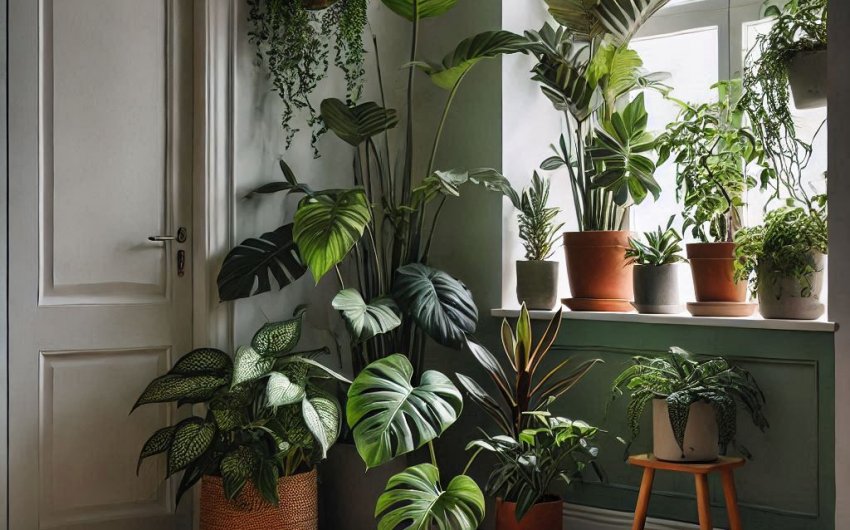
Living in an apartment, especially one with limited natural light, might make you think that owning plants is out of the question. However, that's far from the truth! Many beautiful and resilient plants actually thrive in less-than-sunny conditions. If you're looking to add some green to your living space, finding the best low-light plants for dark apartments is key. These adaptable botanical companions can transform a dim corner into a vibrant oasis, proving that even in the shadows, life finds a way to flourish.
What Defines "Low Light" for Indoor Plants?
Understanding what "low light" truly means for plants is the first step to successful indoor gardening in darker spaces. It's not about total darkness, but rather a significant reduction in direct sunlight.
- Low Light: This typically means an area that receives no direct sunlight but gets ambient light. Think of a room with a north-facing window, a corner far from any window, or a room where windows are often obstructed by buildings or trees. It's enough light to read comfortably during the day without turning on a lamp.
- Medium Light: An area that receives indirect, bright light for most of the day. This could be a few feet away from a south or west-facing window, or near an east-facing window.
- Bright Light (Indirect): An area near a sunny window, but where the direct sun rays do not hit the plant's leaves.
- Direct Light: An area where the sun's rays directly hit the plant for several hours a day, like a south-facing window.
Many of the plants listed here prefer medium to low light. This means they can tolerate the dimmer conditions of a dark apartment but will often do even better with a little more indirect brightness. The key is to avoid direct, harsh sunlight, which can scorch their leaves.
Which Are the Absolute Easiest Low-Light Plants for Beginners?
If you're new to plant parenting or have a history of plant struggles, starting with these incredibly forgiving options is a smart move. They tolerate neglect and low light like champions.
- ZZ Plant (Zamioculcas zamiifolia): This plant is practically indestructible. It has thick, waxy, dark green leaves that store water, making it extremely drought-tolerant.
- Light: Tolerates extremely low light but thrives in medium-low indirect light.
- Water: Water thoroughly only when the soil is completely dry, usually every 2-4 weeks. Overwatering is its only enemy.
- Benefits: Air purifier, highly drought-tolerant, resilient. A classic choice for ZZ plant enthusiasts.
- Snake Plant / Mother-in-Law's Tongue (Sansevieria trifasciata): Known for its upright, sword-like leaves, the Snake Plant is incredibly adaptable. It comes in various heights and variegations.
- Light: Extremely tolerant of low light, can even survive in near darkness, but prefers medium indirect light.
- Water: Water sparingly, especially in low light. Allow soil to dry out completely between waterings, often every 2-6 weeks.
- Benefits: Air purifier (removes toxins like formaldehyde), very low maintenance, striking architectural form. You can easily find Snake Plant varieties.
- Pothos (Epipremnum aureum): Also called Devil's Ivy, this vining plant is famous for its hardiness. Its heart-shaped leaves come in various shades of green, often variegated with yellow or white.
- Light: Adapts to low light but thrives in medium indirect light. Variegated varieties may lose some color in very dim conditions.
- Water: Water when the top inch or two of soil feels dry. Tolerates some neglect.
- Benefits: Air purifier, easy to propagate, beautiful cascading foliage for shelves or hanging baskets. Look for different Pothos varieties.
- Peace Lily (Spathiphyllum): Recognizable by its elegant white "flowers" (which are actually modified leaves called spathes) and dark green foliage. Peace Lilies are quite vocal when thirsty, their leaves drooping dramatically.
- Light: Prefers low to medium indirect light. Direct sun will burn the leaves.
- Water: Water when the top inch of soil is dry, or when leaves start to droop slightly.
- Benefits: Excellent air purifier (removes benzene, formaldehyde, trichloroethylene), indicates when it needs water, beautiful blooms. A Peace Lily adds a touch of grace.
What Are Some Stylish Low-Light Plants for Decor?
Beyond basic greenery, many low-light tolerant plants offer unique textures, colors, and forms that can significantly enhance your apartment's aesthetic.
- Chinese Evergreen (Aglaonema): These plants boast stunning variegated foliage in shades of green, silver, pink, and red. They are robust and tolerate a range of conditions.
- Light: Low to medium indirect light. The lighter the variegation, the more light it generally prefers.
- Water: Water when the top 2 inches of soil are dry. Tolerates occasional missed waterings.
- Benefits: Wide variety of colorful cultivars, air purifier, relatively pest-resistant. Browse vibrant Chinese Evergreen options.
- Cast Iron Plant (Aspidistra elatior): True to its name, this plant is incredibly tough. It has broad, dark green leaves and can tolerate extremely poor conditions.
- Light: Very low light tolerant, even tolerates deep shade.
- Water: Water sparingly; allow the soil to dry out between waterings.
- Benefits: Extremely hardy, rarely bothered by pests, classic look, excellent for neglected corners. A true Cast Iron Plant won't let you down.
- Prayer Plant (Maranta leuconeura): This captivating plant is known for its beautiful patterned leaves that fold upwards at night, resembling praying hands.
- Light: Low to medium indirect light. Direct sun will scorch its delicate leaves.
- Water: Keep soil consistently moist but not soggy. Use distilled or filtered water to avoid leaf tip burn.
- Humidity: Prefers high humidity, so misting or a pebble tray is beneficial.
- Benefits: Unique leaf patterns, fascinating nightly movement. Find a Prayer Plant for its delightful habits.
- Philodendron (various types, e.g., Heartleaf Philodendron, Brasil): Similar to Pothos in care, Philodendrons are popular vining plants with heart-shaped leaves. They are excellent for cascading from shelves.
- Light: Low to medium indirect light.
- Water: Water when the top inch or two of soil is dry.
- Benefits: Easy to care for, air purifier, adaptable, comes in many leaf shapes and colors. A classic Heartleaf Philodendron is always a good choice.
- Dracaena (various types, e.g., Dracaena fragrans 'Corn Plant', Dracaena marginata 'Dragon Tree'): These tall, upright plants add vertical interest. They have distinctive woody stems and sword-like leaves.
- Light: Low to medium indirect light. Avoid direct sun.
- Water: Water when the top half of the soil is dry. Be cautious of fluoride in tap water, which can cause leaf tip burn.
- Benefits: Excellent air purifiers, good for adding height to a room, relatively easy care. Discover different Dracaena plants.
What About Low-Light Plants for a Bathroom?
Bathrooms often present a unique low-light challenge, but they also offer a bonus: high humidity. This environment is perfect for certain plants that crave moisture.
- Ferns (various types, e.g., Boston Fern, Kimberly Queen Fern, Maidenhair Fern): Many ferns thrive in consistently moist, humid conditions and indirect light.
- Light: Low to medium indirect light. Direct sun will scorch them.
- Water: Keep the soil consistently moist but not soggy.
- Humidity: High humidity is crucial. Perfect for steamy bathrooms.
- Benefits: Beautiful, delicate foliage, adds a lush, tropical feel. A classic Boston Fern loves a humid spot.
- Orchids (Phalaenopsis Orchid, Moth Orchid): While many people think orchids are finicky, Moth Orchids are surprisingly adaptable to low light and bathroom humidity.
- Light: Low to medium indirect light. Avoid direct sun.
- Water: Water once a week or every 10 days, allowing the growing medium to dry slightly between waterings. Use orchid bark or sphagnum moss.
- Humidity: Appreciates high humidity.
- Benefits: Stunning, long-lasting blooms, elegant appearance. An Orchid plant can brighten any space.
- Lucky Bamboo (Dracaena sanderiana): While not a true bamboo, this plant is popular for its ease of care and symbolic meaning. It can grow in water alone.
- Light: Low to medium indirect light. Avoid direct sun.
- Water: If grown in water, change the water weekly. If grown in soil, keep it consistently moist.
- Benefits: Extremely easy care, good for small spaces, symbolic of good luck. Find decorative Lucky Bamboo arrangements.
How Do I Care for Low-Light Plants in Dark Apartments?
Even though these plants tolerate low light, they still need proper care to thrive. Adjusting your care routine to dim conditions is essential.
Watering: The Most Critical Factor
- Less is More: Plants in low light use water much more slowly than plants in bright light. Overwatering is the number one killer of low-light plants.
- Check Soil Moisture: Always stick your finger 1-2 inches into the soil before watering. Only water if the soil feels dry. For larger pots, a moisture meter can be helpful.
- Drainage: Ensure your pots have drainage holes. If not, drill them or use a cachepot (decorative pot without holes) with a nursery pot inside.
- Watering Technique: Water thoroughly until water drains from the bottom. Discard any excess water in the saucer.
Light: Optimizing What You Have
- Rotate Plants: Turn your plants periodically (e.g., weekly) so all sides get some exposure to the available light. This prevents lopsided growth.
- Clean Leaves: Dust can block light absorption. Gently wipe down leaves with a damp cloth regularly.
- Supplemental Lighting: If your apartment is truly dim, consider a grow light. Even a simple LED desk lamp with a "daylight" bulb can provide a beneficial boost. Place it a few feet above the plant for 8-12 hours a day.
Humidity: Often Overlooked Indoors
- Low Humidity Issues: Dry indoor air (especially in winter with heating) can stress many plants, even low-light tolerant ones. Brown, crispy leaf tips are a common sign.
- Boost Humidity:
- Pebble Tray: Place the plant pot on a tray filled with pebbles and water. Ensure the pot doesn't sit directly in the water.
- Misting: Lightly mist the leaves daily or every other day, especially for plants like ferns and prayer plants.
- Humidifier: For multiple plants, a room humidifier can create a better environment.
- Group Plants: Clustering plants together can create a microclimate with higher humidity.
Fertilizing: Less is Also More
- Reduced Needs: Low-light plants grow slower. They need less fertilizer than plants in bright light.
- Timing: Fertilize only during the active growing season (spring and summer), and usually at half strength.
- Type: Use a balanced liquid houseplant fertilizer, like Schultz Liquid Plant Food.
- Avoid Winter Fertilizing: Do not fertilize in fall or winter when plants are typically dormant or growing very slowly.
Potting and Repotting: When and How
- Pot Size: Don't overpot. Plants prefer to be slightly root-bound.
- Drainage Holes: Always use pots with drainage holes.
- When to Repot: Repot only when the plant is root-bound (roots are circling the pot, growing out of drainage holes, or plant seems stunted). This is typically every 1-3 years.
- Potting Mix: Use a high-quality, well-draining indoor potting mix.
Pest Control: Prevention is Key
- Inspect Regularly: Check leaves (especially undersides) and stems regularly for signs of pests like spider mites, mealybugs, or scale.
- Early Treatment: If you spot pests, isolate the plant immediately. Treat with a neem oil spray or insecticidal soap.
- Cleanliness: Keep leaves clean to remove dust and prevent pest hideouts.
Can Any Flowering Plants Tolerate Low Light?
While most flowering plants prefer bright light, a few exceptions can still bloom in dimmer conditions, adding a splash of color to your dark apartment.
- Peace Lily (Spathiphyllum): Already mentioned as an easy plant, its white spathes are indeed flowers. It blooms reliably in low to medium indirect light, often signaling thirst before flowering.
- African Violet (Saintpaulia): These charming, compact plants produce lovely purple, pink, or white flowers.
- Light: Bright, indirect light is ideal, but they can tolerate medium-low light. Avoid direct sun.
- Water: Water from the bottom or avoid getting water on the fuzzy leaves. Use room-temperature water. Keep soil consistently moist but not soggy.
- Benefits: Pretty flowers, compact size for shelves. Look for African Violet varieties.
- Christmas Cactus (Schlumbergera): A popular holiday plant, known for its vibrant, tubular flowers.
- Light: Bright indirect light is best for flowering, but they tolerate medium-low light conditions.
- Water: Water when the top inch of soil is dry. They need a period of cool temperatures and long nights to set buds.
- Benefits: Beautiful seasonal blooms, interesting segmented stems. Consider a Christmas Cactus for winter color.
What Are Common Problems with Low-Light Plants and How to Fix Them?
Even the hardiest plants can show signs of distress. Understanding these signals helps you intervene quickly.
- Yellowing Leaves:
- Cause: Often overwatering, especially in lower light where soil takes longer to dry. Can also be nutrient deficiency or natural aging of older leaves.
- Fix: Check soil moisture. Allow soil to dry more between waterings. If it's an old, bottom leaf, it might be natural. Ensure proper drainage.
- Brown, Crispy Leaf Tips/Edges:
- Cause: Low humidity, underwatering, or fluoride/mineral buildup from tap water (especially for Dracaena and Prayer Plants).
- Fix: Increase humidity (misting, pebble tray, humidifier). Water more consistently. Use filtered or distilled water if tap water is suspected.
- Stunted Growth / Leggy Growth:
- Cause: Insufficient light is the primary reason. Plants stretch toward the light source.
- Fix: Move the plant to a slightly brighter spot (still indirect light) or supplement with a grow light.
- Drooping Leaves:
- Cause: Most often underwatering. Peace Lilies are famous for this. Can also be severe overwatering (root rot).
- Fix: Check soil moisture. If dry, water thoroughly. If soggy, check for root rot (mushy, smelly roots) and repot if necessary.
- No New Growth / Slow Growth:
- Cause: Normal for low-light conditions, but also insufficient light or nutrients.
- Fix: Provide slightly more light if possible. Fertilize sparingly during the growing season.
- Pests:
- Cause: Often enter on new plants or through open windows. Weakened plants are more susceptible.
- Fix: Inspect regularly. Treat with organic pest control like neem oil or insecticidal soap. Clean leaves regularly.
How Can I Decorate with Low-Light Plants in a Dark Apartment?
Strategic placement and creative display can maximize the impact of your low-light plants, making your apartment feel more inviting and alive.
- Elevate Them: Use plant stands or tall planters to bring plants closer to eye level or to a window. This also helps with air circulation.
- Hanging Baskets: For vining plants like Pothos or Philodendron, hanging baskets near a window or in a corner can add dimension and draw the eye upwards. Look for hanging planters.
- Groupings: Create small clusters of plants with varying heights and textures. This creates a fuller, more impactful look and also helps to increase local humidity.
- Reflective Surfaces: Place plants near mirrors or light-colored walls. These surfaces can help reflect and amplify the available ambient light.
- Artful Containers: Choose decorative pots that complement your apartment's style. Ceramic, terracotta, or woven baskets can add to the aesthetic.
- Consider Size: Match the plant's mature size to your space. A large Snake Plant can make a statement in a narrow corner, while a small Prayer Plant is perfect for a side table.
- Use Artificial Light as Decor: If you use a grow light, choose one with an attractive design. Some are discreet bars, while others resemble stylish lamps.
- Bathroom Oasis: Turn your bathroom into a spa-like retreat with humidity-loving plants. The consistent moisture from showers makes it a prime location.
Don't let a lack of sunshine deter you from enjoying the beauty and benefits of indoor plants. By choosing the best low-light plants for dark apartments and adapting your care routine, you can easily cultivate a thriving indoor jungle. These resilient greens will not only purify your air but also bring a refreshing touch of nature into even the dimmest of living spaces, proving that every corner, no matter how shadowy, has the potential for growth.