
How to Care for a Monstera in Winter?
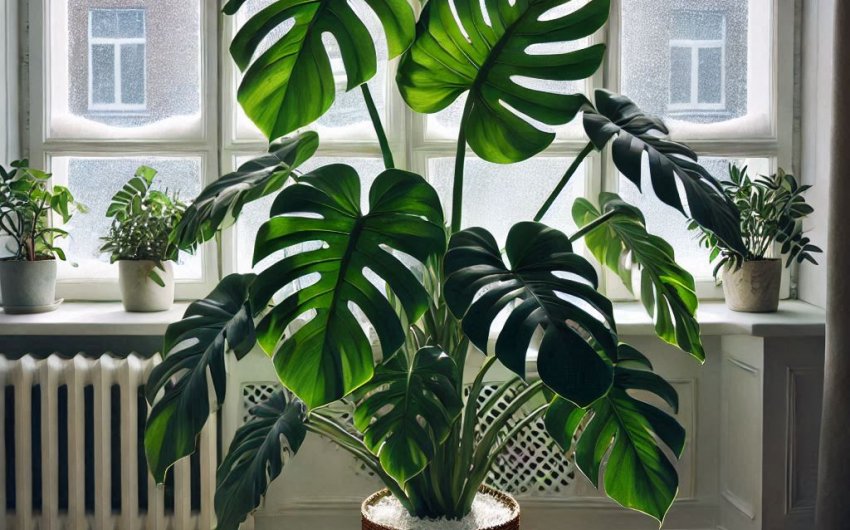
Caring for a Monstera in winter primarily involves reducing watering frequency, ensuring adequate light, and maintaining stable temperatures and humidity levels. As tropical plants, Monsteras experience a period of slowed growth during the shorter, darker days, necessitating adjustments to their care routine to prevent stress and dormancy.
Why Does Monstera Care Change in Winter?
Monsteras are tropical plants, native to the rainforests of Central and South America. In their natural habitat, they experience consistent warmth, high humidity, and relatively stable light levels year-round. However, when grown indoors, they are subject to the seasonal changes of our homes, particularly during winter. Understanding these shifts is key to adapting their care.
The Impact of Winter Conditions Indoors
- Reduced Light: As winter approaches, daylight hours shorten, and the intensity of sunlight decreases significantly, especially in northern latitudes. This means less energy for your Monstera to photosynthesize.
- Lower Temperatures: While our homes are heated, indoor temperatures can still fluctuate, and drafts from windows or doors can introduce localized cold spots.
- Decreased Humidity: Central heating systems (furnaces, radiators) drastically dry out indoor air, leading to much lower humidity levels than Monsteras prefer.
- Slower Growth (Dormancy/Semi-Dormancy): In response to reduced light and cooler temperatures, Monsteras naturally slow down their growth rate. They enter a period of semi-dormancy or rest, conserving energy rather than putting it into vigorous new leaf production.
Consequences of Ignoring Winter Needs
If you continue to care for your Monstera in winter exactly as you do in summer, you're likely to run into problems:
- Overwatering: With slowed growth, the plant uses less water. Continuing a summer watering schedule will lead to constantly wet soil, root rot, and yellowing leaves.
- Pest Infestations: Stressed plants are more susceptible to pests like spider mites, which thrive in dry winter air.
- Stunted or Leggy Growth: Insufficient light can lead to weak, stretched growth, or no new leaves at all.
- Leaf Drop/Browning: Extreme dryness, cold drafts, or root rot can cause leaves to yellow, brown, or drop.
Adjusting your Monstera's care in winter isn't about neglecting it, but about aligning its care with its natural resting phase and the realities of your indoor environment.
How Should I Adjust Watering for My Monstera in Winter?
The most critical adjustment for Monstera care in winter is to significantly alter your watering routine. Overwatering is the number one killer of Monsteras, and this risk dramatically increases during the colder months when growth slows.
The "Soggy Soil is the Enemy" Rule
- Root Rot Risk: When a Monstera isn't actively growing, it uses very little water. If the soil remains consistently wet, the roots become deprived of oxygen and begin to rot. Root rot is a common and often fatal problem in winter.
- Symptoms of Overwatering: Yellowing leaves (often starting at the bottom), black spots on leaves, mushy stem, foul smell from the soil, gnats flying around.
Watering Frequency
- Check Soil Moisture: Do not water on a fixed schedule. Instead, water based on the soil's dryness. Use your finger or a Soil Moisture Meter.
- Wait Longer: Allow the top 2-3 inches of soil to dry out completely between waterings, or even more for larger pots. In some cases, you might even let the soil dry out about halfway down the pot before rewatering.
- Reduce Frequency: This could mean watering once every 2-4 weeks, or even less frequently, depending on your home's temperature, humidity, and the size of your pot.
How to Water
- Thoroughly: When you do water, water deeply. Pour water slowly over the entire soil surface until it drains freely from the bottom of the pot.
- Drainage: Ensure the pot has adequate drainage holes and that no standing water remains in the saucer. If water accumulates in the saucer, dump it out immediately.
- Lukewarm Water: Use lukewarm or room-temperature water. Cold water can shock the roots.
Signs of Underwatering (Less Common in Winter)
While overwatering is more common, underwatering can still occur, especially if you become too cautious.
- Symptoms: Drooping leaves, crispy leaf edges, soil pulling away from the sides of the pot.
- Solution: Water thoroughly until drainage occurs.
By mastering the art of "less is more" with winter watering, you significantly reduce the risk of root rot and ensure your Monstera stays healthy through its resting period.
How Do I Ensure My Monstera Gets Enough Light in Winter?
Light becomes a precious commodity for indoor Monsteras during winter. With shorter days and lower sun intensity, maximizing available light is essential to prevent leggy growth and maintain plant health.
Maximize Natural Light
- Move to the Brightest Spot: Relocate your Monstera to the brightest possible location in your home. A south-facing window (in the Northern Hemisphere) is generally ideal, offering the most consistent direct light.
- East or West-Facing: These can also work, but may provide less intense light.
- North-Facing: Avoid north-facing windows for Monsteras in winter, as they typically offer insufficient light.
- Clean Windows: Dust and dirt on windows can block a surprising amount of light. Clean your windows regularly.
- Rotate the Plant: Periodically rotate your Monstera (every week or two) to ensure all sides receive adequate light, promoting even growth and preventing one-sided stretching.
Supplement with Artificial Light (Grow Lights)
If natural light is scarce or insufficient, especially in northern climates or for Monsteras far from windows, a grow light is a valuable investment.
- Type of Light: Choose a full-spectrum LED grow light. LEDs are energy-efficient and don't produce excessive heat, making them safe for houseplants. A Barrina LED Grow Light is a popular option.
- Duration: Provide supplemental light for 10-14 hours per day, mimicking longer summer days. You can use an outlet timer to automate this.
- Distance: Position the grow light at the recommended distance from the foliage (usually 1-2 feet for most houseplant grow lights), adjusting based on the light's intensity. Too close can burn leaves; too far reduces effectiveness.
- Signs of Insufficient Light:
- Leggy Growth: Long, stretched stems with widely spaced leaves.
- Small Leaves: New leaves are smaller than older ones.
- Lack of Fenestrations: Young leaves don't develop the characteristic splits or holes.
- Yellowing/Browning of Older Leaves: While also a sign of overwatering, general plant decline due to low light can contribute.
By actively managing your Monstera's light exposure, you can help it maintain its vigor and health even during the darkest winter months.
How Do I Maintain Temperature and Humidity for My Monstera in Winter?
While watering and light are the primary concerns, temperature stability and adequate humidity are also critical for a happy Monstera in winter, mitigating the stress of dry indoor air and cold drafts.
Temperature
- Stable Warmth: Monsteras prefer stable, warm temperatures. Aim for a consistent range between 65-80°F (18-27°C).
- Avoid Extremes:
- Cold Drafts: Keep your Monstera away from drafty windows, doors, or vents that blow cold air. Sudden drops in temperature can shock the plant and cause leaf damage or drop.
- Heat Vents: Conversely, avoid placing your Monstera directly in the path of hot, dry air from heating vents or radiators, as this will dry out the plant quickly and stress it.
- Minimum Temperature: Do not allow temperatures to drop below 55°F (13°C) for extended periods, as this can severely damage the plant.
Humidity
Indoor humidity levels plummet in winter due to central heating, often dropping to 20-30%, far below the 60-80% Monsteras prefer. This dryness can lead to several problems:
- Crispy Leaf Edges/Tips: The most common sign of low humidity.
- Stunted Growth: Dry air makes it harder for leaves to unfurl.
- Pest Vulnerability: Low humidity is a breeding ground for spider mites, a common winter houseplant pest.
Boosting Humidity
- Humidifier: The most effective method for increasing ambient humidity around your plant. A Cool Mist Humidifier placed near your Monstera (but not so close that the plant gets constantly wet) can significantly help.
- Pebble Tray: Place the plant pot (with drainage holes) on a shallow tray filled with pebbles and water. Ensure the bottom of the pot sits on the pebbles and is not submerged in the water. As the water evaporates, it increases humidity around the plant.
- Grouping Plants: Grouping several houseplants together can create a localized humid microclimate, as plants release moisture through transpiration.
- Misting (Limited Effectiveness): While misting leaves can provide a very temporary boost of humidity, its effects are fleeting. Regular misting can also leave water spots and potentially promote fungal issues if air circulation is poor. Use it sparingly, if at all, and only when air circulation is good.
By proactively managing temperature stability and humidity levels, you can create a more comfortable environment for your Monstera, mimicking its natural habitat and minimizing winter stress.
How Do I Manage Fertilization and Pest Control for My Monstera in Winter?
Adjusting fertilization and maintaining vigilance against pests are important aspects of winter Monstera care, ensuring the plant remains healthy and avoids unnecessary stress during its slower growth period.
Fertilization
- Reduce or Stop: During winter, Monsteras naturally slow or cease active growth due to reduced light and cooler temperatures. Consequently, their need for nutrients drops significantly. Reduce or completely stop fertilizing your Monstera during fall and winter.
- Why No Fertilizer:
- Burn Risk: Fertilizing a dormant or slow-growing plant can lead to nutrient buildup and "fertilizer burn" because the roots aren't actively absorbing the nutrients.
- Unnecessary Growth: You don't want to encourage lush new growth that will be weak and spindly due to insufficient light.
- Resume in Spring: Resume your normal fertilization schedule in spring when you see clear signs of new, vigorous growth.
Pest Control
Winter can be a prime time for indoor plant pests to thrive, as many beneficial outdoor predators are absent, and dry indoor air (low humidity) creates ideal conditions for some common culprits.
- Common Winter Pests:
- Spider Mites: Tiny arachnids that cause yellow stippling on leaves and produce fine webbing. They love dry, warm conditions.
- Mealybugs: Look like small, white, cottony masses in leaf axils or on stems.
- Scale: Small, immobile, hard-shelled bumps on stems and leaves.
- Vigilance: Inspect your Monstera regularly, especially the undersides of leaves and in crevices, for any signs of pests. Early detection is key.
- Quarantine New Plants: Always isolate any new houseplants for a few weeks before introducing them to your existing collection to prevent pest spread.
- Treatment Options:
- Manual Removal: For small infestations, wipe off pests with a damp cloth or cotton swab dipped in rubbing alcohol.
- Insecticidal Soap: An effective organic option for aphids, mealybugs, and spider mites. A Garden Safe Insecticidal Soap is readily available.
- Neem Oil: An organic pesticide and fungicide that can deter various pests and interrupt their life cycles. Bonide Neem Oil Spray works well.
- Increase Humidity: For spider mites, increasing humidity around the plant can help deter them.
What Are Other Important Winter Care Tips for Monstera?
Beyond the main care adjustments, several other general maintenance practices will contribute to your Monstera's health and resilience through the winter months.
Pruning and Cleaning
- Minimal Pruning: Avoid heavy pruning during winter. Any pruning done now should be minimal, focusing only on removing truly dead, yellow, or diseased leaves. Heavy pruning can stress the plant when it's in a vulnerable state.
- Clean Leaves: Regularly wipe down the leaves with a soft, damp cloth. Dust accumulation can block light absorption and hinder photosynthesis. This also gives you a chance to inspect for pests.
- Support: If your Monstera relies on a moss pole or stake, ensure it's still providing adequate support. If growth has slowed, you might not need to add extensions until spring.
Repotting
- Avoid Repotting: Do not repot your Monstera in winter unless it's an absolute emergency (e.g., severe root rot that requires immediate intervention). Repotting is a stressful event for plants, and they are less able to recover when not actively growing.
- Spring Repotting: Save repotting for spring or early summer when the plant is actively growing and can quickly recover from the disturbance.
Air Circulation
- Importance: Good air circulation helps prevent fungal issues (especially if you're boosting humidity) and deters some pests.
- Placement: Ensure your Monstera is not too tightly packed among other plants or against a wall. Give it some breathing room.
- Fan (Optional): In very humid environments or if you're concerned about stagnation, a small oscillating fan on a low setting can improve airflow, but ensure it's not creating cold drafts.
Monitor and Observe
- Daily Checks: Make it a habit to observe your Monstera daily, or at least a few times a week. Look for subtle changes in leaf color, texture, or plant vigor.
- Early Intervention: Addressing problems like pest infestations, yellowing leaves, or drooping quickly can prevent them from becoming severe.
By understanding how to care for a Monstera in winter by adapting to its natural resting phase and the challenges of indoor conditions, you can successfully navigate the colder months. Come spring, your healthy, well-rested Monstera will be ready to burst forth with vigorous new growth and impressive fenestrated leaves.