
How to Clean the Leaves of Indoor Plants Safely?
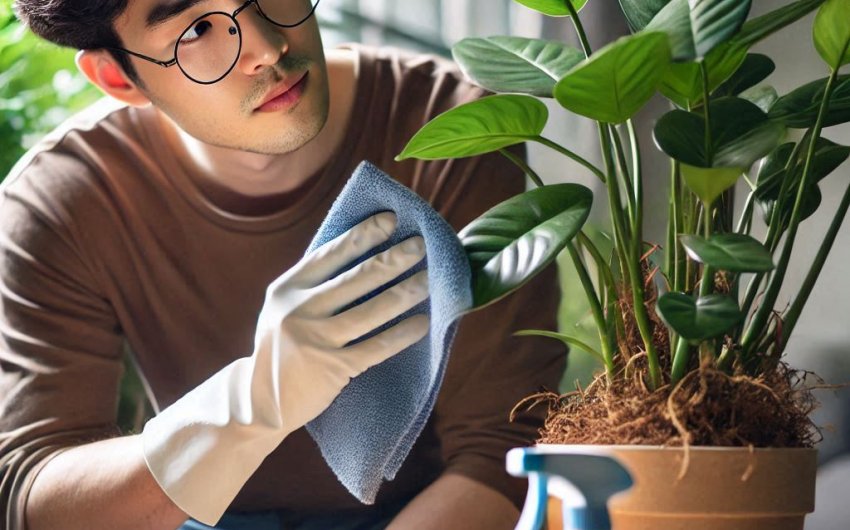
To clean the leaves of indoor plants safely, regularly wipe them with a soft, damp cloth using plain water, or give smaller plants a gentle shower. This removes dust and allows your plants to breathe and photosynthesize effectively, promoting overall health.
Why is Cleaning Indoor Plant Leaves So Important?
Cleaning indoor plant leaves is far more than just an aesthetic chore; it's a vital part of plant care that directly impacts your plant's health, growth, and ability to thrive. Just like we need to breathe, so do plants, and dusty leaves hinder their essential functions.
Optimizes Photosynthesis
- Blocked Sunlight: Dust and grime accumulate on leaf surfaces, forming a barrier that blocks sunlight from reaching the plant's chlorophyll. This significantly reduces the plant's ability to perform photosynthesis, the crucial process where it converts light energy into food.
- Reduced Energy: Less photosynthesis means less energy for the plant to grow, flower, and resist pests and diseases. A clean leaf can absorb light much more efficiently.
Improves Respiration and Transpiration
- Clogged Stomata: Plant leaves have tiny pores called stomata (mostly on the underside of leaves). These stomata are like the plant's lungs, allowing it to "breathe" (take in carbon dioxide) and "sweat" (release water vapor in a process called transpiration).
- Breathing Difficulties: A layer of dust can clog these stomata, making it harder for the plant to absorb CO₂ and regulate its internal temperature through transpiration. This can stress the plant.
Deters Pests and Diseases
- Pest Hiding Spots: Dust and debris provide excellent hiding spots for common indoor plant pests like spider mites, mealybugs, and scale insects. A dirty plant is more appealing to pests.
- Early Detection: Regularly cleaning leaves gives you an opportunity to closely inspect your plant for early signs of pest infestations or fungal issues, allowing for prompt intervention before problems become severe.
Enhances Plant Appearance
- Vibrant Green: Clean leaves simply look more vibrant, shiny (for certain types), and healthy. They showcase the plant's natural beauty and brighten your living space.
In essence, cleaning indoor plant leaves is a fundamental aspect of preventive plant care. It helps your plants "breathe" better, "eat" better, and makes them less inviting targets for problems, ensuring they remain a healthy and beautiful part of your home.
How Often Should You Clean Indoor Plant Leaves?
The frequency for cleaning indoor plant leaves depends on several factors, but generally, a consistent routine is beneficial for maintaining a healthy indoor plant.
General Guideline:
- Monthly Dusting: For most indoor plants in an average home environment, a light dusting or wiping once a month is a good general rule. This prevents significant dust buildup without over-handling your plants.
Factors That Influence Frequency:
Dust Levels in Your Home:
- High Dust: If your home is particularly dusty (e.g., you live near a busy road, have pets that shed, or are doing renovations), you might need to clean your plant leaves every two weeks.
- Low Dust: In very clean environments, you might get away with every 6-8 weeks.
Plant Location:
Advertisement- High Traffic Areas: Plants in entryways, near vents, or in frequently used rooms tend to accumulate more dust.
- Sheltered Spots: Plants in less disturbed areas might need less frequent cleaning.
Leaf Texture:
- Smooth, Glossy Leaves: Plants with smooth, glossy leaves (like Ficus elastica, Monstera, Pothos) show dust more readily and are easiest to wipe clean, often needing more frequent attention.
- Fuzzy/Hairy Leaves: Plants with fuzzy or hairy leaves (like African Violets) actually hold onto dust more. However, they require different cleaning methods and shouldn't be wiped with a damp cloth, which could damage their delicate hairs. (See specific section below on fuzzy leaves).
Time of Year:
- Winter: During winter, when indoor air can be drier and plants are often less actively growing, dust might accumulate faster.
- Growing Season: During active growing seasons, plants are putting out new leaves, and you might naturally pay more attention to them.
Regular Inspection is Key:
Instead of adhering rigidly to a schedule, make it a habit to visually inspect your plant leaves regularly. If you can see a noticeable layer of dust, it's time for a cleaning. A quick glance during your regular watering routine is often enough. Consistent cleaning indoor plant leaves ensures your plant can breathe and photosynthesize efficiently, supporting a healthy indoor plant.
What Cleaning Methods are Safest for Different Leaf Types?
The safest way to clean indoor plant leaves depends heavily on their texture and size. A "one-size-fits-all" approach won't work and can actually damage your healthy indoor plant.
1. For Smooth, Large, Glossy Leaves (e.g., Monstera, Ficus, Pothos, ZZ Plant, Philodendron)
- Method: Wiping with a damp cloth.
- What to Use: A soft, lint-free microfiber cloth or old cotton T-shirt, moistened with plain, room-temperature water. Distilled or filtered water is best to avoid mineral spots, but tap water is usually fine if your tap water isn't very hard.
- How to Do It:
- Support the underside of the leaf with one hand to prevent breakage.
- Gently wipe the top surface of the leaf, moving from the stem towards the tip.
- If very dusty, rinse the cloth frequently.
- You can also wipe the underside of the leaf to remove dust and check for pests.
- Avoid: Using shiny leaf polish products, which can clog stomata and often contain chemicals. Also avoid harsh detergents.
2. For Smaller Plants or Plants with Many Leaves (e.g., Ferns, Small Prayer Plants, Spider Plants)
- Method: Gentle showering or rinsing.
- What to Use: A sink spray nozzle, a gentle shower head, or even a soft spray from a watering can. Use room-temperature water.
- How to Do It:
- Take the plant to a sink, shower, or outdoors (on a warm, non-sunny day).
- Gently spray the entire plant, focusing on rinsing off dust from both upper and lower leaf surfaces.
- For potted plants, ensure the soil drains well and doesn't become waterlogged. Tip the pot slightly to allow excess water to drain from the leaves and crown.
- Allow the plant to air dry completely before moving it back to its spot, especially if it's a cool location, to prevent fungal issues.
- Avoid: High-pressure sprays that could damage delicate leaves. Cold water can shock roots.
3. For Fuzzy or Hairy Leaves (e.g., African Violets, Prayer Plant 'Red Vein', Some Peperomias)
- Method: Soft brush or compressed air.
- What to Use: A very soft-bristled brush (like a clean paintbrush, makeup brush, or toothbrush) or a can of compressed air (used for electronics, but ensure it's safe for plants and doesn't contain propellants that leave residue).
- How to Do It:
- Gently brush the dust off the leaves, ensuring you don't damage the delicate hairs.
- For compressed air, hold it at a safe distance and use short bursts to blow dust away.
- Avoid: Water on the leaves. Water can get trapped in the hairs, leading to rot or unsightly spots, especially with cold water. Never wipe fuzzy leaves with a damp cloth.
4. For Succulents and Cacti with Waxy Coatings or Spines (e.g., Jade Plant, Echeveria, Cacti)
- Method: Soft brush or gentle puff of air.
- What to Use: A soft paintbrush or a soft-bristled brush.
- How to Do It: Gently brush dust away. Many succulents have a natural powdery coating (farina) that protects them from sun and moisture; avoid touching or wiping this, as it will rub off.
- Avoid: Wiping with a cloth or spraying water, which can damage delicate coatings or get trapped in crevices.
By tailoring your cleaning method to the specific leaf type, you ensure you clean indoor plant leaves safely, promoting the long-term health and beauty of your healthy indoor plant.
What Supplies Do You Need to Clean Indoor Plants?
Gathering the right supplies before you start will make the process of cleaning indoor plant leaves safely much smoother and more effective, ensuring your healthy indoor plant gets the care it deserves.
Here's a list of essential and optional supplies:
Essential Supplies:
Soft, Lint-Free Cloths:
- Purpose: For wiping down smooth-leaved plants. Microfiber cloths are excellent as they trap dust effectively without scratching. Old cotton T-shirts or soft rags also work well.
- Recommendation: A pack of Microfiber Cleaning Cloths.
Container for Water:
- Purpose: To hold clean water for dampening cloths or rinsing between wipes.
- Recommendation: A small bowl or bucket.
Room-Temperature Water:
- Purpose: For cleaning. Cold water can shock plants, and hot water can damage leaves.
- Recommendation: Tap water that has sat out for a few hours (to allow chlorine to dissipate, if this is a concern for your plants) or filtered/distilled water to avoid mineral spots.
Soft-Bristled Brush:
- Purpose: Crucial for cleaning fuzzy, hairy, or spiny leaves that cannot be wiped with water.
- Recommendation: A clean, soft paintbrush, a dedicated plant brush, or a clean, soft toothbrush. You can find Plant Dusting Brushes specifically designed for this.
Optional (But Highly Recommended) Supplies:
Small Spray Bottle:
- Purpose: For misting or rinsing smaller plants.
- Recommendation: A fine-mist spray bottle.
Mild Liquid Dish Soap (Unscented, Dye-Free):
- Purpose: For tackling sticky residue from honeydew (pest byproduct) or stubborn grime. Use very sparingly and dilute heavily.
- Recommendation: A drop or two of Seventh Generation Dish Soap Free & Clear in a gallon of water.
Horticultural Oil or Neem Oil (for integrated pest management):
- Purpose: If you're using cleaning as an opportunity to also apply a mild pest deterrent or treatment.
- Recommendation: Bonide Neem Oil Concentrate mixed according to label instructions. Only use this if you suspect pests, not for general cleaning.
Old Newspaper or Tarp:
- Purpose: To protect your floor or table while cleaning, especially if you're showering plants.
Plastic Bag or Shower Cap:
- Purpose: To cover the soil/pot when showering plants to prevent overwatering.
By having these tools on hand, you'll be well-equipped to undertake the task of cleaning indoor plant leaves safely and effectively, contributing significantly to a thriving indoor garden.
Step-by-Step Guide: How to Safely Clean Smooth-Leaved Indoor Plants
Cleaning indoor plant leaves safely is a straightforward process for smooth-leaved varieties, directly contributing to a healthy indoor plant. Follow these steps to ensure your plant gets the best care.
What You'll Need:
- Soft, lint-free microfiber cloth or cotton rag
- Bowl of room-temperature, clean water (distilled or filtered if possible)
- Optional: Mild, unscented dish soap (just a tiny drop for sticky residue)
The Steps:
- Gather Supplies: Get your cloth and bowl of water ready. If your tap water is very hard, consider using distilled or filtered water to avoid mineral spots on the leaves.
- Prepare Your Workspace: Place the plant on a surface that won't be damaged by water, or place a towel/tarp underneath.
- Dampen the Cloth: Dip your microfiber cloth into the water and wring it out thoroughly so it's damp, not dripping wet. You want just enough moisture to pick up dust.
- Support the Leaf: With one hand, gently support the underside of the leaf you are about to clean. This prevents accidental breakage or bending, especially for larger or more delicate leaves.
- Wipe the Top Surface: Starting from where the leaf meets the stem, gently wipe the top surface of the leaf outwards towards the tip. Use light, even pressure.
- Focus: Your goal is to lift and remove the dust, not to scrub or polish.
- Rinse Cloth: If the cloth becomes visibly dirty, rinse it in your bowl of water, wring it out, and continue. Change the water if it gets too murky.
- Wipe the Underside (Optional but Recommended): Carefully wipe the underside of each leaf as well. This is where most of the stomata (breathing pores) are located, and it's also a common hiding spot for pests like spider mites.
- Clean Stems and Petioles: Don't forget to gently wipe down the stems and petioles (the small stalks connecting leaves to stems) where dust can also accumulate.
- Inspect as You Go: While cleaning, take the opportunity to closely inspect your plant for any signs of pests (like tiny bugs, sticky residue, or webbing) or disease (like unusual spots or discoloration). Early detection is key.
- Allow to Air Dry: Once you've cleaned all the leaves, let the plant air dry completely before moving it back to its usual spot, especially if the air is cool. This helps prevent fungal issues.
- Dispose of Waste: Discard the dirty water and clean your cloths for next time.
By following these simple steps consistently, you'll effectively clean indoor plant leaves safely, ensuring your jade, monstera, pothos, and other smooth-leaved plants remain vibrant and healthy.
Step-by-Step Guide: How to Safely Shower or Rinse Smaller Indoor Plants
For smaller indoor plants, or those with many small leaves, showering or rinsing them is often the most efficient and safest way to clean indoor plant leaves. This method is particularly effective for plants that enjoy a bit of humidity and helps keep your healthy indoor plant free of dust and potential pests.
What You'll Need:
- A sink with a spray nozzle, a shower (with a gentle showerhead), or a watering can with a fine rose.
- Room-temperature water.
- Optional: Plastic bag or cling wrap (to protect soil).
- A designated spot for the plant to drain.
The Steps:
Prepare the Plant:
- Cover the Soil: If you want to avoid soaking the soil too much (especially for plants that prefer drier conditions), gently cover the top of the pot with a plastic bag or cling wrap, securing it around the base of the stem. This keeps the soil relatively dry while you wash the foliage.
- Remove Decorative Pots: Take the plant out of any decorative cache pots to allow for proper drainage.
Move to Shower/Sink: Carefully carry your plant to a sink, bathtub, or shower stall. Ensure the water temperature is set to lukewarm or room temperature. Avoid cold or hot water, as it can shock the plant.
Gentle Rinse:
- Top and Bottom: Use a very gentle spray of water to thoroughly rinse all parts of the plant. Start from the top and work your way down. Ensure the water reaches the undersides of the leaves, as this is where dust often accumulates and pests like spider mites hide.
- Focus on Dust Removal: The goal is to wash off dust and debris, not to aggressively scrub the leaves. Let the water do the work.
Allow to Drain Thoroughly:
- Tip the Pot: After rinsing, gently tip the pot to allow excess water to drain off the leaves and from the soil (if you didn't cover it).
- Drainage: Place the plant in a spot where it can drain completely. A drying rack, a grid over the sink, or even just leaving it in the shower for an hour or two can work. Don't put it back into its decorative pot or back into its spot until there's no more dripping.
Air Dry Completely:
- Crucial Step: Allow the leaves to air dry completely before returning the plant to its usual location, especially if the spot is cooler or has poor air circulation. This prevents water spots and significantly reduces the risk of fungal diseases. You can gently shake off excess water if desired.
By implementing this showering method regularly, you can efficiently and safely clean indoor plant leaves of your smaller plants, keeping them vibrant and promoting a healthy indoor plant environment.
How to Safely Clean Fuzzy or Hairy-Leaved Indoor Plants?
Cleaning indoor plant leaves that are fuzzy or hairy requires a special approach to avoid damaging their delicate textures or causing rot. Water should generally be avoided on these types of leaves to ensure a healthy indoor plant.
What You'll Need:
- A very soft-bristled brush (e.g., a clean paintbrush, soft makeup brush, or soft-bristled toothbrush)
- Optional: Can of compressed air (for electronics, but ensure it's safe for plants and doesn't leave residue).
The Steps for Brushing:
- Gather Supplies: Make sure your brush is clean and dry.
- Prepare Your Workspace: You might want to place a piece of paper or a small towel underneath the plant to catch the dust as you brush it off.
- Gentle Brushing: Starting from the stem and working outwards, gently brush the dust off the surface of each leaf. Use a very light touch to avoid damaging the delicate hairs.
- Direction: Brush in the direction the hairs grow if possible, or use a gentle circular motion.
- Undersides: Don't forget to gently brush the undersides of the leaves if they are also fuzzy.
- Shake Off Excess Dust: After brushing a section, you can gently tap the stem or shake the plant lightly to dislodge any remaining dust.
- Inspect as You Go: This is a great opportunity to look for pests that might be hiding among the hairs.
The Steps for Using Compressed Air (Optional):
- Read Instructions: If using compressed air, carefully read the product label to ensure it's safe for plants and won't leave a residue. Test on a small, inconspicuous area first.
- Hold at a Distance: Hold the can upright and about 6-12 inches away from the plant.
- Short Bursts: Use short, controlled bursts of air to blow dust off the leaves. Do not hold the trigger down, as this can release cold propellant that can damage the leaves.
- Avoid Direct Blast: Do not aim the nozzle directly at delicate parts of the plant.
Important Considerations for Fuzzy Leaves:
- Avoid Water: The primary rule for fuzzy leaves is to avoid getting them wet. Water can get trapped in the hairs, leading to unsightly brown spots, fungal issues, or even rot, especially if the water is cold or if the plant sits in a cool, humid environment.
- No Leaf Shine Products: Never use commercial leaf shine products on fuzzy-leaved plants.
By using a soft brush or compressed air, you can effectively and safely clean indoor plant leaves with fuzzy textures, helping them to "breathe" better and remain a beautiful, healthy indoor plant.
Why Should You Avoid Commercial Leaf Shine Products?
While commercial leaf shine products promise sparkling, vibrant leaves for your indoor plant, they are generally not recommended for cleaning indoor plant leaves safely and can actually cause more harm than good to a healthy indoor plant.
Here's why you should skip them:
Clog Stomata: The primary reason to avoid leaf shine products is that they often contain oils, waxes, or silicones that can clog the plant's stomata (the tiny pores on the leaves through which plants "breathe" and exchange gases like carbon dioxide and oxygen).
- Impaired Respiration: Clogged stomata prevent the plant from taking in essential CO₂, hindering photosynthesis and overall growth.
- Blocked Transpiration: They also prevent the release of water vapor (transpiration), which is vital for regulating the plant's temperature and nutrient uptake. This can stress the plant and lead to moisture imbalances.
Attract Dust and Pests: Ironically, while designed to make leaves shiny, many of these products can leave a sticky residue that actually attracts and traps more dust over time. This makes your cleaning efforts less effective. The sticky film can also be an inviting environment for certain pests like spider mites and mealybugs to settle and multiply.
Chemical Residue: Many commercial leaf shine products contain chemicals that, over time, can build up on the leaf surface. This residue can be harmful to the plant, potentially causing discoloration, burns, or weakening the leaf tissue.
Unnatural Appearance: The "shine" they impart is often an artificial, waxy sheen that doesn't look natural and can make the plant appear plastic-like. Healthy, clean leaves have their own natural luster.
Unnecessary: Simple water and a soft cloth are all you truly need to remove dust and make your plant's leaves shine naturally. There's no need for chemical enhancers.
Instead of reaching for commercial leaf shine, prioritize:
- Regular manual cleaning with plain water.
- Ensuring your plant receives adequate light and proper care to naturally develop healthy, vibrant foliage.
By avoiding these potentially harmful products, you ensure you are cleaning indoor plant leaves safely, contributing to the genuine, long-term health and beauty of your healthy indoor plant.
Can You Use Dish Soap to Clean Indoor Plant Leaves?
Using dish soap to clean indoor plant leaves can be effective for certain situations, particularly when dealing with sticky residue from pests (like honeydew from mealybugs or aphids). However, it must be done safely and sparingly to avoid harming your healthy indoor plant.
When to Use Dish Soap (and How):
- For Sticky Residue (Honeydew): If your plant leaves are sticky from honeydew (the sugary excretion of sap-sucking pests), a very diluted dish soap solution can help cut through the stickiness and remove the residue, which can also prevent sooty mold growth.
- For Stubborn Grime: For general cleaning of very stubborn dust or grime that plain water won't remove, a tiny amount of soap can assist.
How to Safely Use Dish Soap:
- Choose the Right Soap: Use a very mild, unscented, dye-free liquid dish soap. Avoid "ultra" concentrated formulas, antibacterial soaps, or those with added moisturizers, degreasers, or strong perfumes, as these can be harsh on plants. A brand like Seventh Generation Dish Soap Free & Clear is often recommended.
- Dilute Heavily: This is critical. Use only 1-2 drops of soap per quart (about 1 liter) of room-temperature water. More is NOT better; too much soap can strip the natural protective waxy coating from leaves or even cause chemical burns.
- Apply with a Soft Cloth: Dip a soft cloth into the diluted soap solution, wring it out very well so it's only damp.
- Gently Wipe: Support the leaf with one hand and gently wipe the top and bottom surfaces to remove the grime or sticky residue.
- Rinse Thoroughly: This is the most important step when using soap. After cleaning with the soap solution, immediately and thoroughly wipe down the leaves again with a second clean cloth dampened only with plain, clean water. You want to remove all soap residue from the leaves. Leaving soap residue can clog stomata or cause leaf burn, especially when exposed to light.
- Test First: If you're unsure, test the diluted soap solution on a small, inconspicuous leaf first and wait 24-48 hours to ensure there are no adverse reactions before treating the entire plant.
When to Avoid Dish Soap:
- Fuzzy/Hairy Leaves: Never use water or soap on fuzzy-leaved plants.
- Regular Cleaning: For routine dusting, plain water is always sufficient and safer. Only introduce soap for specific problems like sticky honeydew.
- Open Wounds/Damaged Leaves: Avoid applying soap to any freshly cut or damaged parts of the plant.
By following these guidelines, you can cautiously use a minimal amount of dish soap to effectively clean indoor plant leaves safely when needed, without compromising the vitality of your healthy indoor plant.
How Does Hard Water Affect Cleaning Indoor Plant Leaves?
Hard water can noticeably affect your efforts to clean indoor plant leaves safely, often leaving unsightly mineral deposits that detract from your plant's appearance and can even hinder its functions over time. Understanding this impact is key to maintaining a truly healthy indoor plant.
What is Hard Water?
- Mineral Content: Hard water contains a high concentration of dissolved minerals, primarily calcium and magnesium. When this water evaporates, it leaves behind these minerals as white, chalky spots or a dull film on surfaces, including plant leaves.
Problems Caused by Hard Water on Leaves:
- Ugly Water Spots: The most obvious effect is the formation of unsightly white or grayish water spots on the leaves, especially noticeable on dark, glossy foliage. These spots can be difficult to remove once dry.
- Dulling Effect: Over time, a continuous film of mineral residue can build up, making the leaves appear dull and lackluster, diminishing their natural shine.
- Reduced Photosynthesis (Minor): While less severe than dust, a heavy, persistent layer of mineral residue could potentially block some sunlight from reaching the leaf surface, slightly reducing photosynthetic efficiency.
- Clogged Stomata (Potential): In extreme cases, a thick mineral buildup might contribute to partially clogging the stomata, though dust and commercial leaf shines are usually bigger culprits here.
Solutions for Cleaning with Hard Water:
- Use Filtered or Distilled Water: The best way to avoid hard water spots is to clean your plant leaves with water that has a low mineral content.
- Distilled Water: Easily available in stores, it's pure H₂O with no minerals.
- Filtered Water: Water pitchers with filters can reduce mineral content.
- Rainwater: If you collect rainwater, it's naturally soft and excellent for plants.
- Wipe Dry Immediately: If you must use tap water, try to gently wipe the leaves dry immediately after cleaning with a separate, clean, dry cloth. This prevents the water from evaporating and leaving behind mineral spots.
- Add a Drop of Vinegar (Caution!): For very stubborn mineral spots that won't come off with plain water, you can try adding 1-2 drops of white vinegar to a gallon of distilled water.
- Apply with Care: Dip a cloth in this diluted solution, wring it very well, and gently wipe the spots.
- Rinse/Wipe After: Always follow up by wiping with a cloth dampened with plain distilled water to remove any vinegar residue.
- Test First: Test on a small, inconspicuous leaf area first, as vinegar is acidic and can harm some plants if too concentrated. This is a last resort, not a regular cleaning method.
By being mindful of your water quality and adapting your cleaning approach, you can effectively clean indoor plant leaves safely, ensuring your healthy indoor plant retains its natural beauty and continues to thrive.
When to Avoid Cleaning Indoor Plant Leaves?
While cleaning indoor plant leaves is crucial for a healthy indoor plant, there are specific times and situations when you should actually avoid the practice to prevent causing more stress or harm.
During Periods of Plant Stress:
- Recovery: If your plant is already struggling from severe pest infestation, disease, recent repotting, or environmental shock (like a sudden drop in temperature or major light change), hold off on cleaning. The added handling and moisture can stress it further. Allow the plant to recover and stabilize first.
- Active Pest Treatment: If you are in the middle of an intense pest treatment (e.g., daily sprays), sometimes additional wiping can hinder the treatment's effectiveness or cause more stress to the plant. Focus on the pest treatment first.
Immediately After Repotting:
- Root Shock: Plants experience a degree of root shock after repotting. Their energy is focused on establishing new roots. Cleaning at this time adds unnecessary stress. Wait at least a week or two for the plant to settle into its new home.
On Plants with Very Delicate or Fragile Leaves:
- Avoid Physical Damage: Some plants have extremely delicate leaves that are easily bruised, torn, or broken by wiping (e.g., certain thin-leaved ferns or very young seedlings). For these, a very gentle shower or just leaving them alone might be best. Always assess the plant's fragility before wiping.
If Leaves are Yellowing or Dropping Rapidly:
- Underlying Problem: Rapid yellowing or leaf drop usually indicates a more serious underlying problem (like overwatering, underwatering, or root rot). Cleaning won't solve these issues and might mask them or add stress. Diagnose and address the primary problem first.
Right Before Moving the Plant to a Much Cooler Spot:
- Fungal Risk: If you've just showered or heavily misted a plant and plan to move it to a cool, low-airflow area, wait until the leaves are completely dry. Trapped moisture in cool, stagnant conditions significantly increases the risk of fungal leaf spots or rot.
Fuzzy or Hairy-Leaved Plants (with water):
- Risk of Rot/Spots: As mentioned, water can get trapped in the hairs of plants like African Violets, leading to rot or permanent spots. Always use a dry brush for these.
In general, use common sense. If your plant is looking weak, undergoing significant changes, or has specific leaf characteristics, prioritize its recovery and tailor your cleaning method accordingly. A healthy indoor plant is one that isn't overstressed, and smart cleaning indoor plant leaves practices play a big role in that.
How Can Regular Cleaning Be Part of a Healthy Indoor Plant Routine?
Integrating regular cleaning indoor plant leaves safely into your routine is a simple yet powerful way to ensure you maintain a vibrant and healthy indoor plant collection. It’s not just a standalone task, but a complementary part of overall plant care.
1. Part of Your Watering Schedule:
- Combine Tasks: A great way to remember to clean your plants is to do a quick wipe-down or inspection every time you water them. As you reach for the watering can, take a moment to look at the leaves. If you see dust, grab your cloth. For plants you bottom-water, you can clean them while they soak.
- Weekly Check-in: For plants that need less frequent watering, consider a dedicated weekly "plant check-in" where you look for dust, pests, and general plant health.
2. Promotes Early Pest & Disease Detection:
- Close Inspection: The act of physically touching and wiping each leaf forces you to examine the plant up close. This significantly increases your chances of spotting tiny pests (like spider mites or mealybugs) or early signs of disease (like discoloration or unusual spots) before they become major problems. Early intervention is always easier.
- Less Chemical Reliance: By catching issues early through cleaning, you often reduce the need for harsh chemical treatments, contributing to a truly healthy indoor plant environment.
3. Enhances Overall Plant Vigor:
- Efficient Photosynthesis: Clean leaves mean maximum light absorption, leading to more efficient photosynthesis. More energy production translates to stronger growth, better resistance to environmental stresses, and a more robust plant overall.
- Better Respiration: Clear stomata allow the plant to breathe and regulate moisture effectively, reducing stress.
4. Boosts Plant Appearance:
- Aesthetic Appeal: Beyond health, clean plants simply look better. Their colors are more vibrant, and their natural sheen is more apparent, enhancing the aesthetic appeal of your living space.
5. Builds Your "Plant Parent" Intuition:
- Hands-On Learning: Regularly interacting with your plants during cleaning helps you become more attuned to their needs. You'll learn to recognize what a healthy leaf looks and feels like, and quickly spot anything out of the ordinary. This intuitive understanding is invaluable for successful plant care.
By making cleaning indoor plant leaves safely a consistent and intentional part of your plant care routine, you're not just dusting; you're actively engaging in preventative maintenance that pays dividends in the form of thriving, beautiful, and healthy indoor plant companions.