
How to Identify Root Rot in Peace Lily Plants?
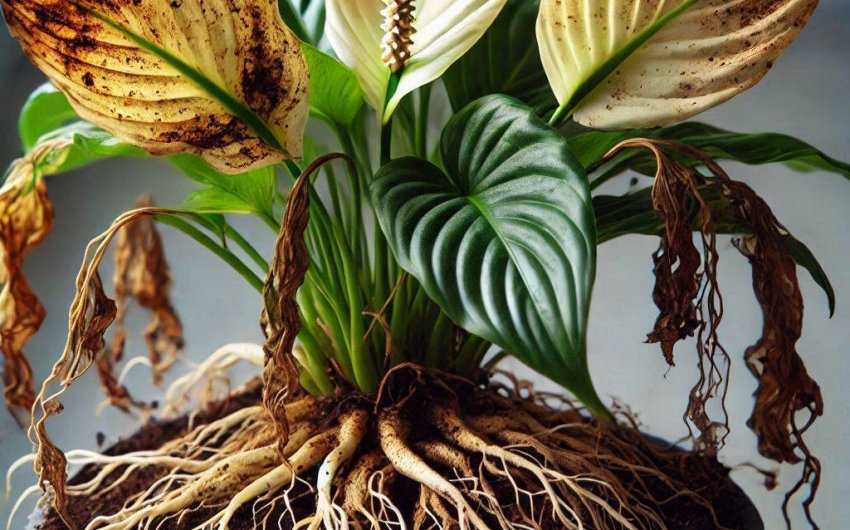
To identify root rot in Peace Lily plants, look for symptoms like persistent wilting despite watering, yellowing leaves that may turn brown or black, and a mushy stem base. The definitive diagnosis comes from unpotting the plant and inspecting the roots, which will appear soft, dark, and often smell foul, in contrast to healthy, firm white roots.
What is Root Rot and Why Do Peace Lilies Get It?
Root rot is a destructive plant disease caused by various soil-borne fungi (like Phytophthora, Pythium, or Fusarium) that thrive in anaerobic (oxygen-deprived) conditions. When a plant's roots are constantly sitting in soggy, waterlogged soil, the air pockets in the soil disappear, cutting off the oxygen supply to the roots. This creates the perfect environment for these harmful fungi to proliferate and attack the roots. Understanding what root rot is and why Peace Lilies get it is crucial for knowing how to identify root rot in Peace Lily plants and preventing it.
How Root Rot Develops:
- Overwatering: The primary cause. When you water too frequently, or the pot doesn't drain well, the soil remains saturated for extended periods.
- Lack of Oxygen: In soggy soil, roots literally drown because they cannot access oxygen needed for respiration.
- Fungal Attack: The oxygen-deprived environment weakens the roots, making them highly susceptible to opportunistic root rot fungi already present in most potting mixes.
- Spread: Once infected, the fungi rapidly spread through the root system, turning healthy, functional roots into a mushy, decaying mess.
- Plant Starvation: Rotted roots can no longer absorb water or nutrients, effectively starving the plant even though it's sitting in water. This is why a plant with root rot often looks like it's severely underwatered (wilting).
Why Peace Lilies Are Susceptible:
Peace Lilies (Spathiphyllum species) are popular houseplants known for their elegant white "flowers" (actually modified leaves called spathes) and glossy green foliage. They are often marketed as easy-care plants, but they have a few characteristics that make them particularly susceptible to root rot:
- Love for Consistent Moisture: Peace Lilies do love consistent moisture and will dramatically wilt when they need water. This visible wilting often leads well-meaning owners to overwater, as they mistake temporary wilting for chronic dehydration.
- Dense Root Systems: Peace Lilies naturally develop quite dense root systems. If planted in a pot that is too large or in a heavy potting mix, these dense roots can become suffocated easily in waterlogged conditions.
- Common Potting Mixes: Many Peace Lilies are sold in general-purpose potting mixes that are too dense and retain too much moisture for their specific needs, especially when overwatered.
- No Drainage Holes: Placing a Peace Lily in a decorative pot without drainage holes or allowing it to sit in standing water in a saucer are surefire ways to invite root rot.
The paradox of Peace Lilies is that while they need moisture, they absolutely cannot tolerate sitting in soggy soil. This delicate balance, when mismanaged, is precisely why Peace Lilies get root rot, leading to their demise if not identified and treated promptly.
What Are the Above-Ground Signs of Root Rot?
Identifying root rot in Peace Lily plants often begins with observing subtle (and sometimes paradoxical) symptoms on the leaves and stems. These above-ground signs can be misleading because they often mimic symptoms of underwatering or nutrient deficiencies, which makes careful observation and a full diagnosis crucial.
1. Persistent Wilting (Despite Watering):
- The Most Common Sign: Your Peace Lily looks droopy and wilted, even though you just watered it. You might think it needs more water, but adding more only worsens the problem.
- Why it Happens: Rotted roots cannot absorb water, no matter how much is available in the soil. The plant becomes dehydrated because its internal plumbing system is failing.
- Appearance: Leaves and stems will be limp and may look lifeless.
2. Yellowing Leaves:
- Pattern: Often starts with lower, older leaves turning yellow, then progressing upwards.
- Color Transition: The yellow may eventually turn brown or black as the tissue dies.
- Comparison: While underwatering can also cause yellowing (often with crispy edges), root rot yellowing is usually accompanied by wilting despite wet soil and a mushy feel to the stems or leaf bases.
3. Brown or Black Spots/Tips on Leaves:
- Spread: Brown or black discoloration may appear on leaf tips, edges, or spots across the leaf surface.
- Texture: These areas will feel soft, mushy, or slimy, contrasting with the crispy dryness associated with underwatering.
- Progression: This indicates tissue death as rot spreads from the roots upwards.
4. Mushy Stem Base or Stems:
- Feel Test: Gently feel the base of the plant where the stems emerge from the soil. If it feels soft, spongy, mushy, or even slimy, this is a very strong indicator of stem rot, which is often a progression of root rot.
- Discoloration: The stem base might also appear dark brown or black.
- Smell: A distinct, unpleasant, foul, or rotten odor emanating from the soil or the base of the plant is a definitive sign of severe root and stem rot.
5. Stunted Growth or Overall Decline:
- Lack of Vitality: Your Peace Lily simply isn't growing well. New leaves are small or absent, and the overall plant looks lackluster and unhealthy.
- No New Blooms: If your Peace Lily normally blooms, a lack of flowers can be a subtle sign of long-term stress from root issues.
Why These Signs Are Tricky:
- Overlap with Underwatering: The persistent wilting and browning can easily be mistaken for underwatering. This is why checking the soil moisture before watering is critical.
- Nutrient Deficiency Mimicry: Yellowing leaves can also indicate a lack of nutrients, but when combined with a wet soil, wilting, or mushy stems, root rot is the more likely culprit.
If you observe a combination of these symptoms, especially persistent wilting with wet soil and any mushiness or foul odor, it's time to take the next step: unpotting the plant for a definitive diagnosis and treatment.
What Does Rot Look Like on Peace Lily Roots?
The definitive way to identify root rot in Peace Lily plants is to unpot the plant and directly inspect its roots. The appearance and texture of the roots will clearly tell you if root rot is present and how severe it is. This is the most crucial diagnostic step.
1. Healthy Peace Lily Roots:
- Color: Healthy Peace Lily roots are typically firm, white, pale tan, or off-white. They can sometimes have a slightly yellowish tint, especially if exposed to some light, but they should never be dark brown or black.
- Texture: They will feel firm and somewhat pliable when gently touched. They should not feel brittle or mushy.
- Appearance: A healthy root ball will often be dense with roots, forming a solid network that holds the soil together.
2. Rotted Peace Lily Roots:
- Color: Rotted roots are typically dark brown, black, or grey. This discoloration is a clear sign of decay.
- Texture: They will feel mushy, slimy, or soft when touched. They will easily disintegrate, crumble, or break off when you gently pull on them.
- Smell: A strong, foul, rotten, sulfur-like, or stagnant odor often accompanies root rot. This smell is a tell-tale sign of anaerobic bacterial and fungal activity.
- Appearance: Instead of a firm network, the root ball will often appear sparse, with many roots missing or reduced to dark, stringy remnants. The affected areas may look slimy or waterlogged.
Comparison Table: Healthy vs. Rotted Roots
| Feature | Healthy Peace Lily Roots | Rotted Peace Lily Roots |
|---|---|---|
| Color | White, pale tan, off-white | Dark brown, black, grey |
| Texture | Firm, pliable, somewhat rigid | Mushy, soft, slimy, disintegrates |
| Smell | Earthy, clean, no strong odor | Foul, rotten, stagnant, sulfur-like |
| Integrity | Holds shape, resists pulling | Falls apart easily, breaks off |
| Appearance | Full, often densely packed | Sparse, stringy, decayed |
How to Inspect:
- Gently Unpot: Carefully remove the Peace Lily from its pot. It's easiest if the soil is slightly damp, but not soaking wet.
- Remove Excess Soil: Gently shake or brush away as much loose soil as possible from around the roots. You can also gently rinse the roots under lukewarm running water to get a clearer view. Be very gentle, as rotted roots can break easily.
- Visual and Tactile Inspection: Examine every part of the root system. Look for the distinct dark color and feel for the mushy texture. Pay close attention to the roots at the very bottom of the pot, as rot often starts there.
If you find any roots matching the description of rotted roots, your Peace Lily has root rot and requires immediate treatment. This visual inspection is the definitive answer to how to identify root rot in Peace Lily plants.
How Do You Treat a Peace Lily with Root Rot?
Once you've confirmed root rot in your Peace Lily plant through visual inspection, swift and decisive action is required. The goal of treatment is to remove all diseased tissue and create a healthy environment for recovery. This process is often called "root pruning" and repotting.
Step 1: Remove from Pot and Clean Roots
- Gently Unpot: Carefully slide the Peace Lily out of its pot.
- Discard Old Soil: Immediately discard all the old potting mix. It's likely contaminated with fungal spores and retains too much moisture. Do not reuse it.
- Clean Roots: Gently rinse the entire root ball under lukewarm running water to remove all remaining soil. This allows for a clear view of the roots and helps wash away fungal spores.
Step 2: Prune All Rotted Roots and Affected Stem
- Sterilize Tools: Before you begin, sterilize your pruning shears, sharp scissors, or a sharp knife with rubbing alcohol or a 10% bleach solution. Sterilize again after each major cut, especially if you suspect you've cut into diseased tissue.
- Cut Away All Rot:
- Roots: Carefully cut away every single root that looks mushy, black, dark brown, or slimy. Keep cutting until you are only left with firm, healthy, white, or pale roots. If all the roots are rotted, you may be left with just a stem base.
- Stem Base: Inspect the base of the plant where the roots attach to the stem. If the stem base is mushy, dark, or discolored, you must cut into the stem as well. Continue cutting thin slices upwards until the cross-section of the stem is completely clean and white or green, with no dark spots or streaks. If you have to cut away too much, you might be left with only a small healthy top portion, which you can try to propagate as a cutting (see later sections).
- Remove Affected Foliage: Remove any completely yellow, brown, mushy, or discolored leaves that feel soft. These leaves are dying and will not recover, and they are a drain on the plant's energy. Cut them at the base of their stem.
Step 3: Apply a Fungicide (Optional but Recommended for Severe Cases)
- Purpose: To kill any remaining fungal spores on the healthy roots or stem.
- Method: After pruning, you can gently dust the remaining healthy roots with a fungicide powder or dip them in a diluted liquid fungicide solution. Look for products designed for houseplants or root rot. Garden Fungicide for Plants
- DIY Alternative: Some gardeners use a very dilute solution of 3% hydrogen peroxide (1 part hydrogen peroxide to 4 parts water) as a quick dip for the roots. The oxygen released by hydrogen peroxide can also help. Rinse after dipping.
Step 4: Allow to Air Dry and Callus
- Crucial Step: Do NOT repot immediately. Place the pruned Peace Lily in a warm, dry, well-ventilated area (out of direct sunlight).
- Drying Time: Allow the roots and any cut stem surfaces to air dry and callus over for several hours, or even overnight (up to 24 hours for minor cuts, longer for significant stem cuts). The cut surfaces should feel dry to the touch, like a scab. This prevents new rot from developing in the fresh soil.
Step 5: Repot into Fresh, Well-Draining Soil
- New Pot (or Sterilized Old One): It's best to use a new pot if possible. If reusing the old one, thoroughly clean and sterilize it with a 10% bleach solution and rinse well.
- Drainage Holes: Ensure the pot has ample drainage holes. This is non-negotiable.
- Appropriate Size: Choose a pot that is only slightly larger than the remaining healthy root ball. An oversized pot will hold too much moisture.
- Proper Potting Mix: Use a fresh, well-draining potting mix specifically formulated for Peace Lilies or houseplants, often amended with extra perlite, coco coir, or orchid bark for improved drainage and aeration. Never use dense garden soil or unamended regular potting mix. Aroid Potting Mix
- Repotting: Gently place a layer of fresh mix in the pot, position the Peace Lily, and backfill with more mix, gently tamping to remove large air pockets.
Step 6: Initial Watering and Post-Treatment Care
- No Water Immediately: Do NOT water the newly repotted Peace Lily for at least 2-3 days (or even up to a week if it was severely pruned or the soil is slightly damp from washing roots). This further allows roots to recover from disturbance and prevents immediate re-rotting.
- First Watering: When you do water, water lightly. Instead of a full soak, provide just enough water to lightly moisten the new soil.
- Location: Place the recovering Peace Lily in a spot with bright, indirect light and high humidity (consider a humidifier or pebble tray).
- Patience: Recovery takes time. Expect continued wilting or some yellowing for a period as the plant regrows roots. Avoid fertilizing for at least 4-6 weeks after repotting.
By following these meticulous steps, you give your Peace Lily the best chance to recover from root rot and thrive once again.
What is the Best Potting Mix to Prevent Future Root Rot?
Choosing the best potting mix is fundamental to preventing future root rot in your Peace Lily plants. The key is to provide a mix that offers a delicate balance: it must retain enough moisture to keep the plant hydrated, yet drain excess water quickly and provide ample aeration to the roots.
Why Standard Potting Mixes Are Not Ideal:
- Most general-purpose potting mixes are designed to hold a lot of water and are too dense for Peace Lilies. While a Peace Lily needs consistent moisture, it cannot tolerate soggy, heavy soil. This type of soil suffocates roots and creates an anaerobic environment where root rot fungi flourish.
Characteristics of an Ideal Peace Lily Potting Mix:
- Excellent Drainage: This is the most crucial factor. Water must flow through easily and not sit around the roots.
- Good Aeration: The mix should have plenty of air pockets to ensure oxygen reaches the roots.
- Moisture Retention: It still needs to hold some moisture to keep the roots consistently damp, but not saturated.
- Slightly Acidic to Neutral pH: Peace Lilies generally prefer a pH between 6.0 and 7.0.
Components of an Ideal DIY Mix:
Creating your own custom blend is often the best way to achieve the perfect balance. Here's a highly recommended recipe for a mix that drains well yet retains moisture:
- Base (50-60%):
- High-Quality Peat Moss or Coco Coir: These components are excellent for retaining moisture while being relatively lightweight and providing a slightly acidic base.
- Coco Coir: A sustainable choice that offers good aeration and moisture retention. Coco Coir for Plants
- Aeration and Drainage (20-30%):
- Perlite: Lightweight, white, volcanic glass that creates abundant air pockets, ensuring excellent drainage and preventing compaction. Essential for preventing root rot. Perlite for Potting Mix
- Coarse Horticultural Sand (optional): Provides weight and drainage, but ensure it's coarse, not fine play sand which compacts.
- Organic Matter and Structure (10-20%):
- Small Orchid Bark or Pine Bark Fines: These components slowly decompose, provide excellent aeration, and add structure to the mix, preventing it from compacting over time. Orchid Bark Potting Mix
- Worm Castings or Compost (small amount, e.g., 5-10%): Adds a small amount of slow-release nutrients and beneficial microbes for overall soil health. Worm Castings for Plants
Example Recipe:
A good starting point is a mix of:
- 2 parts Peat Moss or Coco Coir
- 1 part Perlite
- 1 part Small Orchid Bark or Pine Bark Fines
- A handful of Worm Castings
Key Takeaways for Potting Mix:
- Never use dense garden soil or topsoil in a potted Peace Lily.
- Mix Thoroughly: Ensure all components are well mixed before use.
- Repotting: When repotting (usually every 1-2 years), always use fresh, well-draining mix to prevent soil compaction and degradation over time.
- Sterile Mix: Using a fresh, sterile mix helps prevent introducing root rot pathogens.
By investing in and using the correct well-draining potting mix, you create an environment where your Peace Lily's roots can breathe and thrive, significantly reducing the risk of encountering root rot again.
What is the Correct Watering Technique for Peace Lilies?
The correct watering technique is the single most important factor in preventing and managing root rot in Peace Lily plants. Peace Lilies famously wilt when thirsty, which often leads to overwatering by well-meaning owners who misinterpret the signal. Mastering the "feel" of their watering needs is crucial.
1. The "Feel the Soil" Method:
- The Golden Rule: Do not water on a schedule (e.g., "every Wednesday"). Instead, water only when your Peace Lily truly needs it.
- How to Check: Stick your finger about 1-2 inches (2.5-5 cm) deep into the potting mix.
- If it feels moist, wait.
- If it feels dry at that depth, it's time to water.
- Visual Cues (Use with Caution): While Peace Lilies dramatically wilt when they need water, this isn't always the best indicator. Aim to water just before significant wilting, by using the "feel the soil" method. Relying solely on wilting can mean the plant undergoes periods of unnecessary stress.
2. The "Soak and Drain" Method:
- Thorough Watering: When you do water, water thoroughly and deeply. Pour water evenly over the soil surface until you see excess water draining out of the bottom drainage holes. This ensures the entire root ball is saturated.
- Essential Drainage: Never let your Peace Lily sit in standing water in its saucer or decorative cachepot. Promptly empty any excess water that collects. Sitting in soggy conditions is the express lane to root rot.
- Why It Works: This method ensures the roots get a good drink, but the excess water quickly flushes out, preventing waterlogging and allowing oxygen back into the root zone.
3. Adjust Watering Frequency Seasonally:
- Growing Season (Spring/Summer): Peace Lilies are typically actively growing and may need more frequent watering during these warmer, brighter months. You might water every 5-10 days, depending on your environment.
- Dormant Season (Fall/Winter): Growth slows down significantly in cooler, darker months. The plant will use less water. Reduce watering frequency considerably; you might water every 10-20 days or even less often. Overwatering in winter is a very common cause of root rot.
- Environmental Factors: Adjust frequency based on:
- Temperature: Hotter rooms dry out faster.
- Humidity: Lower humidity makes the plant transpire more, increasing water needs.
- Light: Brighter light usually means more active growth and higher water usage.
- Pot Material: Terracotta pots dry out faster than plastic or glazed ceramic.
- Pot Size: Smaller pots dry out faster than larger ones.
4. Use Filtered or Distilled Water (Optional, but Beneficial):
- Chlorine/Chloramine: Peace Lilies can be sensitive to chemicals in tap water, particularly chlorine and chloramines, which can cause brown leaf tips.
- Solutions: Let tap water sit out for 24 hours to allow chlorine to dissipate, or use filtered or distilled water for watering.
By consistently applying the "feel the soil" and "soak and drain" methods, and adjusting for seasonal changes, you can provide your Peace Lily with the precise hydration it needs, completely preventing root rot and ensuring its long-term health.
What Role Do Pot Type and Size Play in Preventing Root Rot?
The choice of pot type and size is a silent but powerful factor in preventing root rot in Peace Lily plants. These often-overlooked details can make the difference between a thriving fern and one struggling with overly wet feet.
1. The Absolute Necessity of Drainage Holes:
- Non-Negotiable: This is the golden rule for almost all potted plants, and especially for Peace Lilies. A pot must have drainage holes at the bottom.
- Why it Matters: Drainage holes allow excess water to escape after watering. Without them, water accumulates at the bottom of the pot, creating a perpetually soggy, anaerobic environment that quickly leads to root rot.
- Cachepots: If you absolutely love a decorative pot without drainage holes, use it as a "cachepot" (a decorative outer pot). Keep your Peace Lily planted in a slightly smaller, functional nursery pot with drainage holes inside the cachepot. Remember to remove the inner pot to drain excess water after watering.
2. Pot Material:
- Terracotta/Unglazed Ceramic:
- Pros: Highly recommended for Peace Lilies prone to root rot. These materials are porous, meaning they "breathe." They allow air and moisture to pass through their walls, which promotes faster evaporation of water from the soil, helping the potting mix dry out more quickly and preventing sogginess.
- Cons: Can dry out the soil faster, so you might need to water slightly more frequently than with plastic pots.
- Plastic/Glazed Ceramic:
- Pros: Retain moisture for longer, requiring less frequent watering. Lighter.
- Cons: Less breathable, so they are more prone to holding excess moisture if you overwater or if your potting mix isn't extremely well-draining. Can exacerbate root rot if not managed carefully.
- Recommendation: For Peace Lilies, especially those recovering from rot or for beginners, terracotta pots are often the safest choice as they are more forgiving of slight overwatering. Terracotta Plant Pots with Drainage
3. Pot Size:
- Not Too Big: Choosing a pot that is too large for your Peace Lily is a common mistake that contributes to root rot.
- Reason: An oversized pot holds a much larger volume of soil than the plant's roots can quickly utilize. This excess soil remains wet for too long, leading to soggy conditions and suffocation of the roots.
- Just Right: Choose a pot that is only slightly larger than the current root ball of your Peace Lily.
- When repotting, select a pot that is typically 1-2 inches (2.5-5 cm) larger in diameter than the previous one.
- Signs a Pot is Too Small (Time to Repot):
- Roots growing out of the drainage holes.
- Plant becomes top-heavy and tips over easily.
- Water runs straight through the soil without soaking in.
- Growth slows significantly despite adequate care.
Summary Table for Pot Selection:
| Feature | Ideal for Root Rot Prevention | Less Ideal (but usable with care) |
|---|---|---|
| Drainage Holes | ABSOLUTELY ESSENTIAL | (If none, use as cachepot only) |
| Material | Terracotta, Unglazed Ceramic | Plastic, Glazed Ceramic |
| Size (when repotting) | 1-2 inches (2.5-5 cm) larger than root ball | Much larger than root ball |
| Why? | Promotes airflow, faster drying soil | Retains more moisture, less breathable |
By carefully selecting a pot with ample drainage holes and choosing the correct size and material, you establish a crucial foundation for healthy roots, significantly reducing the risk of root rot in your Peace Lily plants.
What Other Environmental Factors Can Impact Root Rot?
Beyond watering, pot type, and soil mix, several other environmental factors can subtly (or significantly) impact a Peace Lily's susceptibility to root rot. Understanding these influences helps you create a holistic environment that promotes root health and prevents issues.
1. Air Circulation:
- Importance: Good airflow around the plant and over the soil surface helps evaporate excess moisture, both from the leaves and the top layer of the potting mix. Stagnant, humid air around the plant creates a prime breeding ground for fungal pathogens that can contribute to root rot.
- Impact: Poor air circulation keeps both the foliage and the soil surface wet for too long.
- Solution:
- Proper Spacing: Don't crowd your Peace Lily among other plants. Give it enough space for air to move freely around it.
- Avoid Enclosed Spaces: Don't place it in a tight corner with no airflow.
- Ventilation: If growing indoors in a humid environment, open windows regularly or use a small oscillating fan on a low setting to circulate air. Small Oscillating Fan
2. Temperature:
- Optimal Range: Peace Lilies prefer consistent, warm temperatures, typically between 18-29°C (65-85°F).
- Impact of Cold: Cold temperatures slow down the plant's metabolism and its ability to use water. If the soil is cold and wet, the roots are even more vulnerable to rot, as their ability to absorb water and oxygen is compromised. Cold, wet soil is a major risk factor for root rot.
- Solution:
- Keep your Peace Lily away from cold drafts, exterior doors, and excessively cold windows in winter.
- Ensure room temperatures are consistently warm enough.
- Avoid placing directly on cold floors; elevate the pot slightly if needed.
3. Light Levels:
- Indirect Impact: While light doesn't directly cause root rot, it influences water usage.
- Impact of Low Light: In very low light conditions, Peace Lilies will grow much slower and therefore use significantly less water. If you water on the same schedule or with the same volume as you would in brighter light, you are very likely to overwater, leading to root rot.
- Solution:
- Place your Peace Lily in bright, indirect light. This encourages healthy growth and appropriate water uptake.
- Always adjust your watering frequency downward if your plant is in lower light conditions.
4. Water Quality:
- Chlorine/Chloramine: While unlikely to directly cause root rot, chemical buildup from chlorinated tap water can stress a Peace Lily's roots over time, potentially making them more susceptible to disease.
- Solution: Use filtered water, distilled water, or let tap water sit out for 24 hours to allow chlorine to dissipate before watering.
5. Fertilizer Use:
- Impact of Over-Fertilizing: Excess fertilizer can lead to a buildup of salts in the soil. This "fertilizer burn" can damage roots, making them weak and vulnerable to root rot fungi, even if watering is appropriate.
- Solution:
- Fertilize sparingly. Peace Lilies are light feeders.
- Use a balanced, diluted liquid fertilizer (half or quarter strength) during the growing season (spring and summer) only.
- Avoid fertilizing a plant that is already stressed or showing signs of root rot.
By paying attention to these broader environmental factors, you can create an optimal growing environment that supports robust root health, significantly reducing the chances of ever having to identify root rot in your Peace Lily plants again.