
What Causes Brown Tips on Spider Plants?
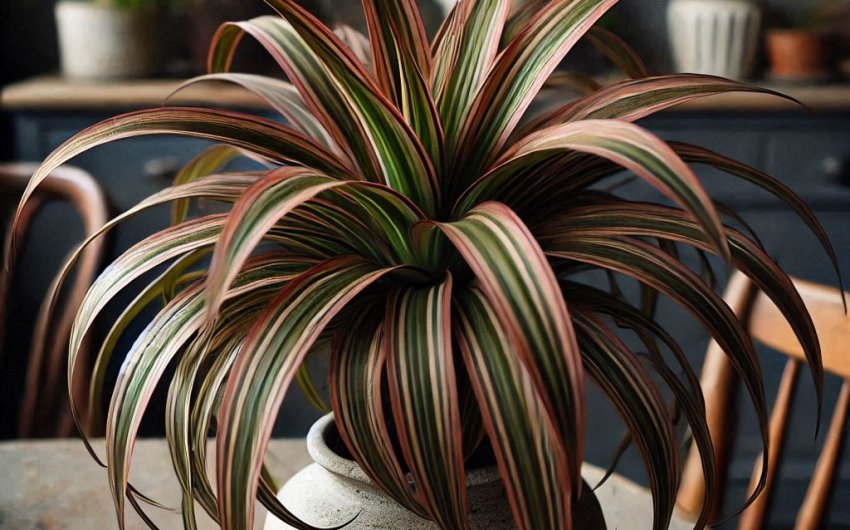
If you're noticing that the vibrant green leaves of your beloved spider plant are developing unsightly brown tips, you're not alone. This is one of the most common issues spider plant owners face, and it's usually a clear sign that something in their environment or care routine needs a tweak. Understanding what causes brown tips on spider plants is the first step to bringing your plant back to full health and enjoying its lush foliage once again.
What Causes Brown Tips on Spider Plants?
The primary reason for brown tips on spider plants can almost always be traced back to environmental factors or incorrect watering. Spider plants are quite resilient, but they are also sensitive to certain conditions. When they don't get exactly what they need, the tips of their leaves are often the first to show stress. It's usually a cumulative effect rather than a single event.
Here are the most common culprits:
- Tap Water Impurities: This is arguably the leading cause.
- Low Humidity: Spider plants love moisture in the air.
- Underwatering: Not enough water can dry out leaf tips.
- Overwatering: Paradoxically, too much water can also cause browning.
- Nutrient Issues: Too much or too little fertilizer.
- Temperature Extremes: Sudden changes or very cold/hot drafts.
- Rootbound Conditions: The plant has outgrown its pot.
Let's dive deeper into each of these to understand how they affect your plant and what you can do about them.
Is Tap Water Harmful to Spider Plants?
Yes, tap water is often a significant reason for brown tips on spider plants. Many municipal water sources contain chemicals and minerals that can build up in the soil and become toxic to sensitive plants like the spider plant.
Chlorine and Fluoride
Tap water often contains chlorine and fluoride. These are added to make water safe for human consumption, but they can be detrimental to plants. Over time, as you water your spider plant, these chemicals accumulate in the soil, especially around the roots. The plant absorbs them, and they can interfere with its normal biological processes, leading to brown leaf tips.
Mineral Salts
Beyond chlorine and fluoride, tap water can also have high levels of dissolved mineral salts like calcium, magnesium, and sodium. This is particularly true in areas with "hard water." These salts also build up in the soil, creating a high salt concentration that makes it difficult for the plant to absorb water and nutrients, resulting in brown tips. You might even see a white crust forming on the rim of your pot or on the surface of the soil if mineral salt buildup is severe.
How to Mitigate Tap Water Issues
Fortunately, dealing with tap water impurities is relatively easy.
- Filtered Water: The simplest solution is to use filtered water. A standard pitcher filter like a Brita Water Filter Pitcher can remove many of the harmful chemicals and minerals.
- Distilled Water or Rainwater: These are excellent choices as they are naturally free of impurities. Collecting rainwater is a sustainable and cost-free option.
- Let Tap Water Sit Out: For chlorine, you can fill a watering can and let it sit uncovered for at least 24 hours. Chlorine is a gas and will evaporate. This method does not remove fluoride or mineral salts.
- Flush the Soil: Periodically, perhaps once every few months, "flush" your plant's soil. Water the plant thoroughly until water drains freely from the bottom for several minutes. This helps wash away accumulated salts. Ensure your pot has good drainage holes!
How Does Humidity Affect Spider Plant Tips?
Low humidity is another very common reason for brown tips on spider plants. Spider plants are native to tropical and subtropical regions where the air is naturally moist. When placed in dry indoor environments, especially during winter months when heating systems dry out the air, they struggle to retain moisture in their leaves.
Why Low Humidity Causes Browning
When the air around the plant is too dry, the plant loses moisture through its leaves faster than its roots can absorb it from the soil. This process is called transpiration. The tips of the leaves, being the furthest from the water source (the roots), are the first to suffer from dehydration, leading to their browning and crisping.
Increasing Humidity for Your Spider Plant
There are several effective ways to boost the humidity around your spider plant:
- Pebble Tray: Place your plant pot on a tray filled with pebbles and water. Make sure the bottom of the pot doesn't sit directly in the water, as this can lead to root rot. As the water evaporates from the tray, it creates a localized humid microclimate around the plant. A simple plant saucer with pebbles can work wonders.
- Misting: Regularly mist your spider plant's leaves with a fine spray of water. Aim for once a day or every other day, especially during dry periods. Use filtered or distilled water to avoid mineral spots on the leaves. A fine mist spray bottle is ideal for this.
- Humidifier: For more consistent humidity, especially if you have many plants or live in a very dry climate, consider using a room humidifier. A small cool mist humidifier near your plant collection can make a big difference.
- Group Plants Together: Plants release moisture into the air through transpiration. Grouping several plants together can create a small, more humid environment amongst themselves.
Can Watering Issues Cause Brown Tips on Spider Plants?
Absolutely. Both underwatering and overwatering can lead to brown tips on spider plants, which can be confusing for new plant parents. The key is understanding how each problem manifests and how to correct it.
Underwatering (Not Enough Water)
When a spider plant doesn't receive enough water, its leaves don't get the moisture they need to stay plump and green. The plant starts to conserve water, and the tips of the leaves, being the extremities, are often sacrificed first.
Signs of underwatering:
- Crispy, dry brown tips: The browning is usually sharp and brittle.
- Flimsy or limp leaves: The entire leaf might feel soft and weak.
- Slow growth: The plant's overall growth slows down considerably.
- Shrunken or pulling away soil: The potting mix might look dry and compacted.
Solution: Water your spider plant thoroughly when the top 1-2 inches of soil feel dry to the touch. Water until excess water drains from the bottom of the pot. Ensure proper drainage.
Overwatering (Too Much Water)
Overwatering is often more insidious than underwatering. It doesn't mean giving too much water in one go, but rather watering too frequently, not allowing the soil to dry out enough between waterings. This suffocates the roots, preventing them from taking up water and nutrients effectively, which then leads to dehydration symptoms in the leaves, including brown tips. Prolonged overwatering can lead to root rot, a serious and often fatal condition.
Signs of overwatering:
- Soft, mushy brown tips: The browning might feel soggy rather than crispy.
- Yellowing leaves: Especially lower leaves, before they turn brown.
- Wilting leaves: Even though the soil is wet, the plant looks droopy.
- Foul odor from soil: A sign of root rot.
- Mushrooms or fungus gnats: Indicators of consistently wet soil.
Solution: Allow the top 1-2 inches of soil to dry out completely before watering again. Use a well-draining potting mix. Ensure your pot has adequate drainage holes. If you suspect root rot, gently remove the plant from its pot, inspect the roots (healthy roots are firm and white; rotting roots are mushy and brown/black), trim away affected roots, and repot in fresh, dry soil. Consider using a soil moisture meter to help you determine when to water.
Can Too Much or Too Little Fertilizer Cause Brown Tips?
Yes, nutrient imbalances can definitely contribute to brown tips on spider plants. It's a delicate balance; both an excess and a deficiency can cause issues.
Over-Fertilization (Nutrient Burn)
This is a more common cause of brown tips on spider plants than nutrient deficiency. When you apply too much fertilizer, or fertilize too frequently, the high concentration of salts in the fertilizer can burn the delicate root system of the plant. This "salt burn" prevents the roots from absorbing water, leading to leaf dehydration and browning, particularly at the tips.
Signs of over-fertilization:
- Brown, crispy leaf tips or edges.
- White crust on the soil surface or pot rim.
- Stunted growth despite regular feeding.
- Overall wilting of the plant.
Solution:
- Reduce Fertilization: Fertilize less frequently or at a weaker concentration. Spider plants are not heavy feeders. A balanced liquid fertilizer diluted to half strength, applied once a month during spring and summer, is usually sufficient. Avoid fertilizing in fall and winter.
- Flush the Soil: As mentioned earlier, flushing the soil with plenty of plain water can help wash away excess mineral salts.
- Use the Right Fertilizer: Opt for a balanced, all-purpose liquid houseplant fertilizer. Avoid products with very high nitrogen content unless your plant specifically needs it. Miracle-Gro Indoor Plant Food is a common choice, but always dilute as recommended for spider plants.
Nutrient Deficiency
While less common, a significant lack of essential nutrients can also stress a spider plant and lead to various symptoms, including browning. This usually happens if the plant hasn't been repotted in years and has depleted the nutrients in its soil, or if it's never been fertilized.
Signs of nutrient deficiency (less specific to tips alone):
- Overall yellowing of older leaves.
- Stunted growth.
- Fading leaf color.
- Brown tips might occur as a general stress symptom.
Solution: Implement a regular, but moderate, fertilization schedule during the growing season (spring and summer). Repotting your plant into fresh potting mix every 1-2 years will also replenish nutrients.
Can Temperature Extremes Affect Spider Plant Tips?
Yes, temperature fluctuations and extreme temperatures can definitely contribute to brown tips on spider plants. Spider plants prefer stable, moderate temperatures.
Cold Drafts or Freezing Temperatures
Spider plants are tropical and do not tolerate cold well. If your plant is placed near a drafty window or door, or if it's exposed to freezing temperatures, the sudden cold can damage the plant's cells, leading to brown or black tips and edges. This damage can also occur if the plant touches a cold windowpane in winter.
Excessive Heat or Direct Sun
While spider plants like bright, indirect light, direct scorching sunlight or extremely high temperatures can also cause stress. The intense heat can dry out the leaves quickly, leading to crispy brown tips, almost like a sunburn.
Maintaining Optimal Temperature
- Stable Environment: Keep your spider plant in an area with consistent temperatures, ideally between 60°F and 80°F (15°C to 27°C).
- Avoid Drafts: Keep them away from air conditioning vents, heating vents, and frequently opened doors or windows, especially in winter.
- Indirect Light: Place them where they receive bright, indirect light. An east or north-facing window is often ideal. If a south or west-facing window is your only option, move the plant a few feet back from the window or use a sheer curtain to diffuse the light.
Why Do Rootbound Conditions Cause Brown Tips?
A rootbound spider plant can also develop brown tips because its root system has become too large for its pot, leading to several problems.
Lack of Water and Nutrients
When a plant is rootbound, the roots become densely packed, filling most of the pot. This leaves very little room for soil. With less soil, there's less space to hold water and nutrients. Even if you water regularly, the limited soil volume dries out very quickly, and the plant essentially experiences chronic underwatering and nutrient deficiency, leading to brown tips.
Impaired Absorption
The tightly packed roots can also become stressed and less efficient at absorbing what little water and nutrients are available. This leads to symptoms of dehydration and malnutrition throughout the plant.
Signs of a Rootbound Plant
- Brown tips on leaves.
- Water runs straight through the pot when watered.
- Roots growing out of the drainage holes.
- Plant growth has slowed down or stopped.
- The plant looks top-heavy or unstable in its pot.
- You can see a dense mass of roots when you gently try to lift the plant from its pot.
Solving Rootbound Issues
The solution for a rootbound spider plant is repotting.
- Choose a Larger Pot: Select a new pot that is only one size larger (about 1-2 inches wider in diameter) than the current one. Don't go too big, as too much soil can retain excess moisture and lead to overwatering issues.
- Prepare the New Pot: Add a layer of fresh, well-draining potting mix to the bottom of the new pot. A good mix contains peat moss, perlite, and vermiculite for drainage and aeration. Miracle-Gro Potting Mix can work, but consider adding extra perlite for improved drainage for spider plants.
- Remove the Plant: Gently remove the spider plant from its current pot. If it's stuck, you might need to carefully run a knife around the inner edge of the pot.
- Loosen Roots: Gently tease apart some of the compacted roots, especially at the bottom and sides. This encourages them to grow outwards into the new soil.
- Repot: Place the plant in the new pot, ensuring the top of the root ball is at the same level as it was in the old pot. Fill around the root ball with fresh potting mix, gently tamping it down to remove large air pockets.
- Water Thoroughly: Water the newly repotted plant thoroughly until water drains from the bottom.
Repotting is generally best done in the spring or early summer when the plant is actively growing.
Can Pests or Diseases Cause Brown Tips on Spider Plants?
While less common than environmental factors, pests and diseases can occasionally contribute to brown tips on spider plants, usually as a secondary symptom of overall plant stress.
Common Pests
- Spider Mites: These tiny pests suck sap from plant leaves, leading to yellowing, stippling, and eventually browning, especially if the infestation is severe. You might see fine webbing on the plant.
- Aphids: These small insects also feed on plant sap, causing distorted growth and yellowing.
- Mealybugs: These look like small, white, cottony masses on stems and leaf axils. They also suck sap and weaken the plant.
Solution: Inspect your plant regularly for signs of pests. If found, treat with insecticidal soap or neem oil. A product like Garden Safe Insecticidal Soap can be effective. Follow the product instructions carefully.
Common Diseases
- Root Rot: As discussed under overwatering, root rot is a fungal disease caused by consistently wet soil. While it directly attacks the roots, its symptoms include wilting and brown tips due to the plant's inability to absorb water.
- Leaf Spot Fungi: Less common, but certain fungal or bacterial leaf spot diseases can cause brown or black spots that might merge and affect leaf tips.
Solution: Proper watering practices prevent root rot. For leaf spots, improve air circulation, avoid overhead watering, and remove affected leaves. Fungicides are rarely needed for spider plants.
How to Prune Brown Tips on Spider Plants?
Once a leaf tip turns brown, it won't revert to green. However, you can prune these brown tips to improve the plant's appearance.
Step-by-Step Pruning
- Gather Your Tools: You'll need a pair of sharp, clean scissors or pruning shears.
- Clean Your Tools: Sanitize your scissors with rubbing alcohol before and after use to prevent the spread of any potential diseases.
- Identify Brown Areas: Look for the distinct brown, crispy parts of the leaf tips.
- Cut Carefully: Cut along the natural shape of the leaf, just at the edge of the brown portion. Try to leave a very thin margin of brown rather than cutting into the green healthy tissue. Cutting into the green part can stress the plant and cause new brown tips.
- Remove Heavily Damaged Leaves: If an entire leaf is mostly brown or yellow, you can prune it off completely at the base, close to the main plant stem. This redirects the plant's energy to healthier growth.
- Dispose of Clippings: Discard the pruned tips and leaves.
Pruning brown tips is purely cosmetic and does not solve the underlying problem. It's crucial to address the cause of the browning to prevent it from happening again.
Maintaining a Healthy Spider Plant: A Summary
To keep your spider plant thriving and free from brown tips, consistency in care is key.
Key Care Practices
- Watering: Water when the top 1-2 inches of soil are dry. Ensure thorough drainage.
- Water Quality: Use filtered, distilled, or rainwater whenever possible. If using tap water, let it sit out for 24 hours.
- Humidity: Provide ample humidity through misting, pebble trays, or a humidifier.
- Light: Bright, indirect light is ideal. Avoid direct, harsh sunlight.
- Temperature: Maintain stable indoor temperatures between 60°F and 80°F (15°C to 27°C). Protect from drafts.
- Fertilization: Fertilize sparingly during the growing season (spring and summer) with a diluted, balanced liquid fertilizer.
- Potting: Repot every 1-2 years or when rootbound, into a pot only slightly larger, with fresh, well-draining soil.
- Cleanliness: Regularly wipe down leaves to remove dust, which can hinder photosynthesis.
By understanding what causes brown tips on spider plants and implementing these simple care adjustments, you can help your plant recover and continue to flourish, producing those charming "spiderettes" that make them such a popular and rewarding houseplant.