
How Do I Repot a ZZ Plant?
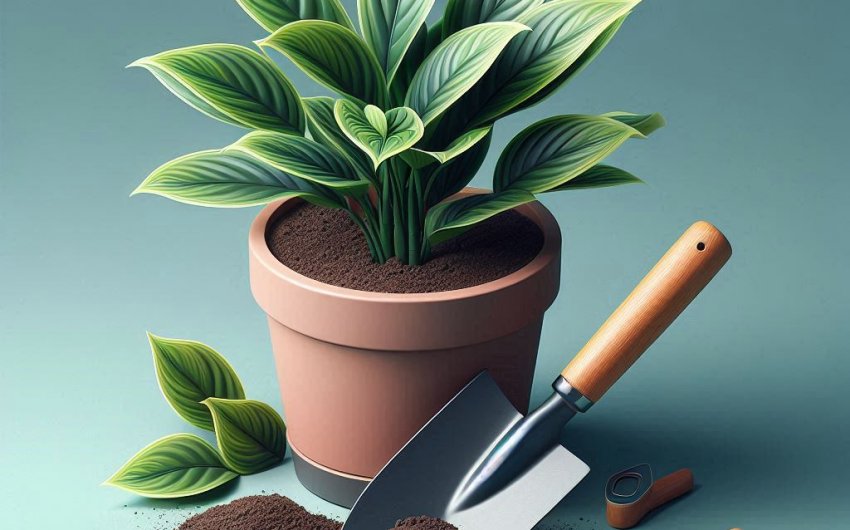
The ZZ plant, scientifically known as Zamioculcas zamiifolia, is a popular houseplant celebrated for its striking, waxy, dark green leaves and incredibly low-maintenance nature. It's a favorite among busy individuals and those new to plant care because of its remarkable ability to tolerate neglect, including infrequent watering and low light conditions. Despite its resilience, even the hardiest plants eventually outgrow their homes or benefit from a refresh. Learning how to repot a ZZ plant is a straightforward process that ensures its continued health and allows it to flourish for many years in your care.
Repotting isn't just about giving your ZZ plant a bigger space; it's an opportunity to provide fresh nutrients, improve drainage, and inspect its unique root system. Unlike many houseplants with fibrous roots, the ZZ plant develops thick, potato-like rhizomes that store water, making it incredibly drought-tolerant. These rhizomes are key to its survival and need to be handled carefully during the repotting process. By following a few simple steps, you can confidently undertake this essential task, setting your Zamioculcas zamiifolia up for continued success and vibrant growth.
Why Do I Need to Repot My ZZ Plant?
Even though ZZ plants are low-maintenance and don't need frequent repotting, there comes a time when it's essential for their continued health. So, why do you need to repot a ZZ plant?
The main reason is that your plant will eventually outgrow its current pot. ZZ plants grow from underground structures called rhizomes. These are thick, potato-like organs that store water and nutrients. As the plant grows, these rhizomes multiply and expand, filling up the pot. When the pot becomes too crowded with roots and rhizomes, the plant becomes "pot-bound." This means there's not enough room for new growth, and the plant can't access enough soil to get the water and nutrients it needs.
Another reason is to refresh the soil. Over time, the potting mix in any container plant breaks down. It loses its airy structure, becomes compacted, and can lose nutrients. When the soil becomes too dense, it doesn't drain as well, which is especially bad for a ZZ plant that hates wet feet. Repotting gives you the chance to provide fresh, well-draining soil full of good stuff for your plant.
Sometimes, you might need to repot if the plant is showing signs of stress or root rot. If you notice yellowing leaves, mushy stems, or a foul smell from the soil, it could be a sign of root rot, often caused by overwatering. In this case, repotting allows you to inspect the roots, trim away any diseased parts, and put the plant in fresh, dry soil to give it a chance to recover.
Finally, you might want to divide your plant. If your ZZ plant has gotten very large and bushy, you can divide the rhizomes during repotting to create multiple new plants. This is a great way to propagate your ZZ plant and share it with friends!
Overall, repotting is a necessary step in the long-term care of your ZZ plant to ensure it continues to thrive and look its best.
What Are the Signs My ZZ Plant Needs Repotting?
Knowing when your ZZ plant needs a new home is key. Unlike some fast-growing plants, ZZ plants are slow growers and generally prefer to be a bit pot-bound, so you won't be repotting them very often. But watch for these clear signs:
Roots growing out of drainage holes: This is one of the most obvious signs. If you see roots peeking out from the bottom of the pot, it means the plant has filled its current container and is looking for more space.
Rhizomes pushing up: ZZ plants grow from thick, potato-like rhizomes. If these rhizomes are pushing up against the sides of the pot or even deforming a plastic pot, it's a sure sign they need more room. You might even see the rhizomes breaking through the soil surface.
Slowed or stopped growth: If your ZZ plant, which is already a slow grower, completely stops producing new stems or leaves, it might be root-bound and unable to access enough resources for new growth. While they go through natural dormant periods, a prolonged lack of growth can indicate a need for repotting.
Water draining too quickly or sitting on top: If water rushes straight through the pot without seemingly soaking into the soil, it means the pot is mostly roots and very little soil. Conversely, if water sits on top for a long time before draining, the soil might be heavily compacted or degraded, signaling a need for fresh potting mix.
Plant becoming top-heavy and unstable: As ZZ plants grow larger, they can become quite heavy. If your plant is constantly tipping over because its top growth is too big for its pot, it's definitely time for a larger, more stable container.
Soil degradation: Even if you don't see roots, if the potting mix looks old, crusty, compacted, or smells off, it's probably time for a refresh. Old soil loses its good drainage and aeration properties.
If you observe one or more of these signs, it's likely time to plan for repotting your beloved ZZ plant.
When Is the Best Time to Repot a ZZ Plant?
Choosing the right time to repot your ZZ plant can help minimize stress on the plant and ensure it settles into its new home smoothly.
The absolute best time to repot a ZZ plant is during its active growing season. For most indoor ZZ plants, this means spring or early summer. During these months, temperatures are warmer, and there's more daylight. This provides the plant with ample energy to recover from the stress of repotting and quickly establish new roots in its new soil. Its natural growth hormones are more active, helping it bounce back faster.
Repotting outside of the growing season, such as in fall or winter, is generally not recommended unless it's an emergency (like severe root rot). During these colder, darker months, the ZZ plant enters a period of dormancy or slower growth. Its metabolism slows down, and it has less energy to deal with the shock of repotting. Attempting to repot then can cause prolonged stress, leading to stalled growth, yellowing leaves, or even decline.
However, if you're dealing with a plant that has severe root rot or is completely falling out of its pot due to being extremely root-bound, you might need to repot regardless of the season. In emergency situations, it's better to repot to save the plant, even if it's not the ideal time. Just be extra gentle and provide consistent, stable conditions (like good light and consistent temperatures) afterwards to help it recover.
Remember, ZZ plants are slow growers and don't like to be disturbed often. You typically only need to repot them every 2-3 years, or even longer if it's still thriving in its current pot and not showing the signs of needing a new home. So, wait for those clear signals and plan your repotting for the spring or early summer for the best results.
How Often Does a ZZ Plant Need Repotting?
The good news about the ZZ plant is that it's not a demanding repotter! Unlike some houseplants that seem to need a new pot every year, ZZ plants are quite content to be a bit pot-bound and generally don't mind staying in the same container for a while.
You typically only need to repot your ZZ plant every 2 to 3 years. Some very slow-growing ZZ plants, especially if they are kept in lower light conditions, might even be happy in the same pot for 4 or 5 years.
The key is to pay attention to the signs your plant gives you, rather than sticking to a strict schedule. If you don't see roots coming out of the drainage holes, the rhizomes aren't deforming the pot, and the plant is still putting out new growth, then it's probably happy where it is. Remember, ZZ plants actually prefer to be slightly snug in their pots.
Repotting too often can stress the plant unnecessarily. Each time you repot, the plant experiences some shock as its root system is disturbed. Since ZZ plants are slow to recover, frequent repotting can lead to stalled growth or yellowing leaves.
So, for most ZZ plants, a good rule of thumb is to check for repotting signs every 2-3 years during the spring or early summer. If you see those signs, go ahead and repot. If not, let it be! It's one of the many reasons ZZ plants are so popular for busy plant parents – they don't demand a lot of attention in this regard.
What Supplies Do I Need to Repot a ZZ Plant?
Gathering all your supplies before you start will make the repotting process smooth and stress-free for both you and your ZZ plant. Here's a list of what you'll need:
New Pot: Choose a pot that's only 1-2 inches larger in diameter than the current pot. For example, if your ZZ plant is in a 6-inch pot, go up to an 8-inch pot. ZZ plants like to be a bit snug, and too large a pot can lead to overwatering issues. Make sure the new pot has drainage holes! This is non-negotiable for a ZZ plant. You can pick up a stylish yet practical Plant Pot with Drainage online.
Well-Draining Potting Mix: This is crucial for ZZ plants. They absolutely hate soggy soil. Look for a mix designed for cacti, succulents, or aroids. These mixes typically contain ingredients like perlite, pumice, or bark chips to ensure excellent drainage and aeration. You can also mix your own by adding extra perlite or bark to a regular indoor potting mix. A good choice would be Miracle-Gro Cactus, Palm & Citrus Potting Mix.
Gloves: ZZ plant sap contains calcium oxalate crystals, which can cause skin irritation. It's wise to wear garden gloves to protect your hands during repotting, especially if you have sensitive skin or any cuts. A comfortable pair of Gardening Gloves is always a good investment.
Trowel or small shovel: To help scoop soil and loosen the plant from its old pot. A simple Hand Trowel works well.
Pruning Shears or sharp knife: For trimming any rotten roots or for dividing the plant if you choose to. Make sure they are clean and sharp to make clean cuts. Sterilize them with rubbing alcohol before and after use. These Bypass Pruning Shears are perfect for the job.
Watering Can: For watering the plant after repotting.
Newspaper or Tarp: To protect your work surface from spilled soil.
Having everything ready before you start will make the process much smoother and less messy, ensuring your ZZ plant gets the best possible transition to its new home.
How to Choose the Right Pot Size?
Choosing the right pot size when you repot a ZZ plant is crucial. It's a common mistake to go too big, and for a ZZ plant, that can be a death sentence!
The general rule of thumb for ZZ plants is to increase the pot size by only 1 to 2 inches in diameter. For example:
- If your ZZ plant is currently in a 6-inch pot, choose a new 7-inch or 8-inch pot.
- If it's in a 10-inch pot, go for an 11-inch or 12-inch pot.
Here's why this "small step up" approach is so important for your ZZ plant:
Prevents overwatering: ZZ plants store water in their thick rhizomes and do not like to sit in soggy soil. If you place a small ZZ plant with a relatively small root ball into a much larger pot, there will be a vast amount of excess soil around the roots. This extra soil will hold onto water for a long time, leading to constantly damp conditions and greatly increasing the risk of root rot.
Favors their root structure: ZZ plants actually prefer to be a bit pot-bound. Their rhizomes expand and put pressure on the sides of the pot, which can actually encourage more vigorous top growth. A super-sized pot won't provide this snugness, and the plant might put all its energy into developing a massive root system before producing new leaves.
Stability: While going too large is bad, you also need enough size to prevent the plant from becoming top-heavy and tipping over as it grows taller. The 1-2 inch jump usually provides enough stability without creating too much excess soil.
Always, always, always ensure your new pot has drainage holes. A lack of drainage holes, combined with an oversized pot, is the quickest way to kill a ZZ plant. If you find a beautiful decorative pot without holes, use it as a cachepot (an outer decorative pot) and keep your ZZ plant in a slightly smaller plastic nursery pot with drainage inside it. This allows you to easily remove the plant for watering and ensures proper drainage. You can find many options for Plant Pots with Drainage to suit your style.
What is the Right Potting Mix for a ZZ Plant?
The right potting mix is perhaps the most important supply when you repot a ZZ plant. These plants are incredibly sensitive to overwatering, and the soil is your primary defense against it.
A ZZ plant absolutely requires a well-draining, airy potting mix. This means the soil needs to allow water to flow through easily and quickly, rather than holding onto it and becoming waterlogged. It also needs to have plenty of air pockets so the roots can breathe. If the soil stays wet for too long, the thick, fleshy rhizomes and roots of your ZZ plant are very prone to root rot.
You should look for a potting mix that's specifically formulated for plants that prefer dry conditions. Options include:
- Cactus and Succulent Mix: These mixes are typically designed for excellent drainage. They often contain a higher percentage of inorganic materials like sand, perlite, or pumice.
- Aroid Mix: Since ZZ plants are part of the aroid family (like philos and monsteras), a specialized aroid mix can also work well. These mixes often include coco coir, perlite, and bark chunks.
You can also create your own well-draining mix by amending a standard indoor potting mix. A good general recipe for a ZZ plant would be:
- 2 parts regular indoor potting mix (a good quality one, not dense garden soil)
- 1 part perlite (or pumice)
- 1 part coarse sand or small bark chips (like orchid bark fines)
The perlite and bark are crucial because they create those essential air pockets and ensure rapid drainage. The regular potting mix or coco coir will retain just enough moisture for the plant without suffocating the roots.
Avoid:
- Heavy garden soil or topsoil, which compacts easily and retains too much water.
- Standard all-purpose potting mixes that are very fine and dense, as they can hold too much moisture for a ZZ.
Using a chunky, airy, and fast-draining mix is the foundation for a healthy ZZ plant and will greatly reduce the risk of overwatering issues. You can find excellent quality Cactus and Succulent Soil Mix online.
Can I Use Garden Soil?
No, you should never use garden soil to repot your ZZ plant, or most other houseplants for that matter. While it might seem convenient, garden soil (also known as topsoil or dirt from your yard) is completely unsuitable for plants growing in pots, especially for a ZZ plant.
Here's why garden soil is a bad choice for your ZZ plant:
Poor Drainage: Garden soil is designed for outdoor use, where natural processes like worms, rain, and large soil volumes contribute to drainage. In a confined pot, garden soil becomes extremely dense and compacted. It holds too much water for too long, leading to a waterlogged environment around the roots. For a ZZ plant, which is highly susceptible to root rot, this is a death sentence.
Lacks Aeration: Because it's so dense, garden soil doesn't have enough air pockets. Plant roots need oxygen to breathe and function properly. Without adequate aeration, the roots effectively drown and die.
Contains Pests and Diseases: Garden soil can harbor various outdoor pests (like slugs, grubs, or insects), weed seeds, and harmful fungi or bacteria that thrive outdoors but can cause problems in an indoor environment. Introducing these into your home can be disastrous for your houseplants.
Nutrient Imbalance: Garden soil's nutrient composition is often not balanced for potted plants, and it can contain pathogens or other undesirable elements.
Instead, always use a high-quality, well-draining potting mix that is specifically designed for indoor plants, and ideally, for succulents or cacti. These specialized mixes are lightweight, provide excellent drainage and aeration, and are sterilized to prevent the introduction of pests and diseases. This will give your ZZ plant the best chance to thrive. You can find a dedicated Succulent Potting Mix which is perfect for ZZ plants.
How Do I Repot My ZZ Plant Step-by-Step?
Repotting a ZZ plant is straightforward, but handling its unique rhizomes carefully is key. Follow these steps for a successful repotting process:
Step 1: Prepare Your Work Area Lay down newspaper, a tarp, or a plastic sheet to protect your surface from spilled soil. Gather all your supplies: new pot (1-2 inches larger, with drainage), fresh well-draining potting mix, gloves, trowel, and pruning shears. Don a pair of gardening gloves to protect your hands from the ZZ plant's sap.
Step 2: Prepare the New Pot Add a layer of your fresh, well-draining potting mix to the bottom of the new pot. The amount depends on how deep your plant's root ball is, but you want to ensure the top of the ZZ plant's root ball will sit about 1 inch below the rim of the new pot once it's in. This leaves room for watering.
Step 3: Carefully Remove the ZZ Plant from Its Old Pot This is where you need to be gentle. If the plant is very pot-bound, you might need to coax it out. Lay the pot on its side. Gently hold the base of the plant with one hand and try to slide the pot off with the other. If it's stuck, you might need to use your trowel to carefully loosen the soil around the edges, or even gently tap the sides of the pot. For plastic pots, you can sometimes gently squeeze the sides to loosen the root ball. Be patient! Don't pull forcefully on the stems, as they can break.
Step 4: Inspect and Prepare the Roots Once the plant is out, gently remove as much of the old soil as possible from around the root ball and rhizomes. Be very careful with the rhizomes; they are sensitive.
- Inspect for root rot: Look for any mushy, dark brown or black roots that smell foul. Healthy roots are usually firm and white or light tan.
- Trim rotten roots: If you find any rotten roots, use your clean, sharp pruning shears to carefully cut them away. Make clean cuts back to healthy tissue.
- Loosen roots: If the roots are very tightly coiled at the bottom (root-bound), gently tease them apart a little with your fingers to encourage them to spread into the new soil.
- Divide (Optional): If your ZZ plant has multiple large rhizome clumps and you want to make more plants, you can gently pull or cut them apart into separate sections. Make sure each section has at least one stem and a healthy clump of rhizomes.
Step 5: Place the Plant in the New Pot Center the ZZ plant in the new pot on top of the fresh layer of soil. Ensure the top of the root ball is still about 1 inch below the rim.
Step 6: Add Fresh Potting Mix Begin filling the rest of the pot with your fresh, well-draining potting mix. Gently tap the sides of the pot to help the soil settle around the rhizomes and roots, filling any air pockets. Don't pack the soil down too tightly, as this can reduce aeration.
Step 7: Water Thoroughly After repotting, give your ZZ plant a good, thorough watering. Water until you see water draining from the bottom holes. This helps settle the soil and provides initial hydration.
Step 8: Place in Its Spot Return your repotted ZZ plant to its usual spot, or a location with similar light conditions. Avoid direct, intense sunlight immediately after repotting, as this can add to transplant shock. Give it a few weeks to settle into its new home. You can ensure precise watering after repotting with a Long Spout Watering Can.
Should I Water After Repotting?
Yes, you should definitely water your ZZ plant after repotting, but with an important consideration.
Watering immediately after repotting serves a few crucial purposes:
Settles the soil: When you add fresh potting mix, there will inevitably be some air pockets around the roots and rhizomes. Watering helps the soil settle evenly, filling those gaps and ensuring good contact between the roots and the new soil. This is important for the plant to absorb water and nutrients efficiently.
Provides initial hydration: Even though ZZ plants are drought-tolerant, they still need water. A good drink right after repotting gives them the initial hydration they need to recover from the stress of being moved and to begin establishing themselves in their new environment.
Washes away excess nutrients: Some new potting mixes can be quite rich in nutrients. A thorough watering helps wash away any initial excess, which can prevent "fertilizer burn" on sensitive roots.
The important consideration: While you water thoroughly immediately after repotting, you then need to adjust your future watering schedule. The fresh potting mix will be much more aerated and drain better than the old, compacted soil. Also, the plant has been disturbed and might be in a bit of shock, meaning its water uptake could be slower than usual.
So, after that initial good watering, you should wait longer than usual before watering again. Do not water on a schedule. Instead, revert to the "finger test" or use a soil moisture meter. Allow the top 2-3 inches (or even more, depending on pot size) of the soil to dry out completely before you water again. This period of drying helps prevent root rot as the plant adjusts to its new home. Many experienced gardeners recommend waiting a week or even two after that initial watering before checking the soil again.
By watering thoroughly once and then exercising patience, you give your ZZ plant the best chance to recover and thrive in its newly repotted home. A reliable Soil Moisture Meter will be your best friend during this transition period.
What is Transplant Shock and How Can I Avoid It?
Transplant shock is a common reaction that plants experience after being moved from one pot to another, or from a pot to the ground. It's essentially the plant's stress response to the disturbance of its root system and the change in its environment. For a ZZ plant, which is generally resilient, transplant shock can still occur, leading to temporary setbacks in its growth and appearance.
When a plant is repotted, some of its delicate feeder roots (the tiny ones that absorb water and nutrients) inevitably get damaged or broken. The plant then has to put energy into repairing these roots and growing new ones in its new soil. This takes energy away from growing new leaves or stems, and it can temporarily affect its ability to absorb water efficiently.
Symptoms of transplant shock in a ZZ plant can include:
- Stalled growth: The plant stops producing new stems or leaves for a period.
- Yellowing leaves: Especially lower leaves, as the plant sacrifices older foliage to conserve energy.
- Drooping or wilting leaves: Even if the soil moisture is adequate, the damaged roots might not be able to supply enough water to the leaves.
- General appearance of stress: The plant just doesn't look as vibrant and healthy as it did before repotting.
How to avoid or minimize transplant shock when repotting your ZZ plant:
Repot at the right time: As discussed, the best time is during its active growing season (spring or early summer). The plant has more energy and is better equipped to recover quickly.
Choose the right pot size: Do not go too big! Stick to a pot that's only 1-2 inches larger in diameter. An oversized pot holds too much excess moisture, stressing the roots and making it harder for them to establish.
Use the correct potting mix: A well-draining, airy mix (like a cactus/succulent or aroid mix) is crucial. This ensures good aeration and prevents waterlogging, which is vital for root health during recovery.
Be gentle with the roots: When removing the plant from its old pot and cleaning off old soil, be as gentle as possible with the rhizomes and roots. Avoid tearing or unnecessary damage. Use clean, sharp shears if you need to trim any rotten roots.
Water thoroughly after repotting, then be patient: Give the plant a good drink immediately to settle the soil. Then, resist the urge to water again until the soil has dried out significantly (top 2-3 inches or more). Overwatering during recovery is a common mistake.
Provide stable conditions: After repotting, place your ZZ plant back in its usual spot. Avoid sudden changes in light, temperature, or humidity. Don't put it in direct, scorching sunlight right away, even if it normally tolerates it. Let it rest and adapt.
By following these tips, you can significantly reduce the severity of transplant shock, allowing your ZZ plant to smoothly transition into its new home and continue its robust growth.
What if My ZZ Plant Looks Sad After Repotting?
It's completely normal for your ZZ plant to look a little sad or stressed after repotting. This is usually a sign of transplant shock, and it doesn't necessarily mean you did anything wrong. Your plant is simply adjusting to its new environment and recovering from the disturbance to its root system.
Here's what to do if your ZZ plant looks sad after repotting:
Be patient: This is the most important advice. ZZ plants are slow growers and can take several weeks, or even a couple of months, to fully recover from repotting shock. Avoid constantly checking it or making sudden changes.
Resist the urge to overwater: This is where many people make a critical mistake. Seeing drooping or yellowing leaves might make you think the plant needs more water, but it's often the opposite. The roots are stressed and can't absorb water efficiently. Adding more water will only increase the risk of root rot. Stick to the "finger test" (or moisture meter) and let the soil dry out significantly (top 2-3 inches) before watering again.
Ensure good drainage: Double-check that your new pot has drainage holes and that water isn't collecting in the saucer. Empty any excess water after watering.
Provide consistent, moderate conditions: Place your ZZ plant back in its usual spot with the light it's accustomed to. Avoid putting it in direct, harsh sunlight immediately after repotting, as this can add more stress. Keep temperatures stable; avoid drastic temperature swings. ZZ plants are generally tolerant of average room humidity, so extra humidity usually isn't necessary for recovery unless your home is exceptionally dry.
Avoid fertilizing: Do not fertilize your ZZ plant immediately after repotting. The fresh potting mix likely contains enough nutrients for a while, and adding more can burn the already stressed roots. Wait until you see signs of new growth (typically a few weeks to a couple of months) before considering light fertilization. A general houseplant fertilizer will be suitable once it's recovered, such as Miracle-Gro Indoor Plant Food.
Don't panic if a few leaves yellow or drop: It's common for a ZZ plant to shed some older, lower leaves during transplant shock as it conserves energy. This is usually normal. Only worry if many leaves are rapidly yellowing or if the stems start to become mushy.
By providing stable conditions and allowing your ZZ plant time to rest and recover, it will eventually bounce back and continue its impressive growth. Patience is truly a virtue when caring for a recently repotted ZZ plant.