
How Can You Use Aloe Vera for Skin Care?
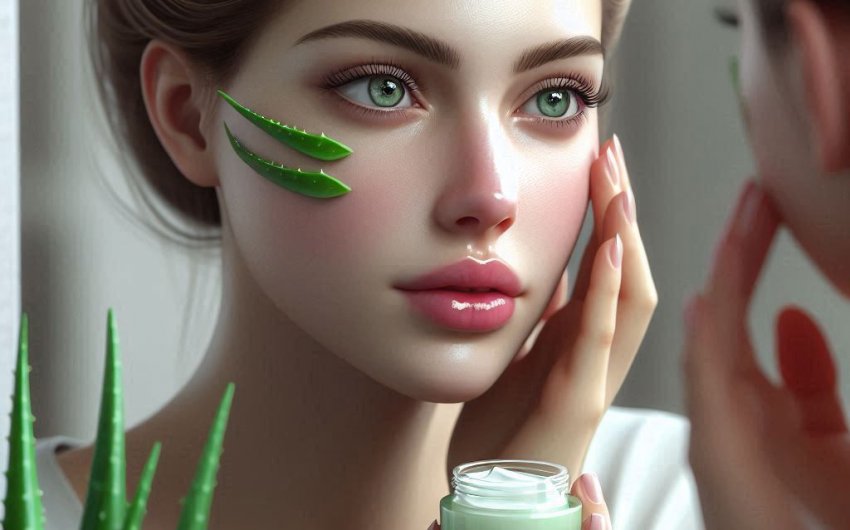
For centuries, people have turned to the humble aloe vera plant for its amazing healing properties. This succulent, with its thick, fleshy leaves, holds a clear gel that's packed with benefits, especially for your skin. It's like a natural first-aid kit, ready to soothe, hydrate, and protect. Whether it's a minor burn, a persistent dry patch, or just a desire for healthier skin, aloe vera has likely been a part of the solution for generations.
The power of aloe vera lies in its rich composition. The gel contains a mix of vitamins, enzymes, minerals, sugars, amino acids, and salicylic acids. Together, these components work wonders, offering anti-inflammatory, antimicrobial, and antioxidant effects. This means it can help calm irritated skin, fight off certain germs, and protect your skin from damage. Because it's so gentle and effective, aloe vera has become a staple in countless skincare routines and products worldwide.
What Makes Aloe Vera So Good for Your Skin?
The clear, gooey gel inside an aloe vera leaf is like a powerhouse of good stuff for your skin. It's not just water; it's a complex mix of many different natural ingredients that work together to heal and protect. Think of it as a natural cocktail designed to make your skin happy. Understanding what's inside this remarkable plant helps explain why it's been a trusted skincare remedy for thousands of years.
From soothing sunburns to fighting blemishes, the benefits of aloe vera are wide-ranging. It's often called a "miracle plant" for a reason, and much of that miracle lies in its unique chemical makeup. Let's break down some of the key components that give aloe vera its impressive skincare reputation.
Rich in Vitamins, Minerals, and Enzymes
The aloe vera gel is surprisingly rich in nutrients that are vital for skin health. It contains a good supply of vitamins, which are like tiny helpers for your body's functions. For example, it has Vitamin A (beta-carotene), which is good for skin repair; Vitamin C, a powerful antioxidant that helps protect skin from damage; and Vitamin E, another antioxidant that's great for moisturizing and healing. These three vitamins are often found together in many high-end skincare products because they work so well.
Beyond vitamins, aloe vera is packed with important minerals like zinc, calcium, magnesium, and copper. These minerals play roles in everything from skin cell growth to helping protect against environmental damage. It also contains several enzymes, which are special proteins that help speed up chemical reactions. Some of these enzymes, like bradykinase, can help reduce inflammation when applied to the skin, making it feel less red and swollen. All these tiny components work together to give aloe vera its amazing healing and nourishing abilities.
Anti-Inflammatory Properties
One of the most well-known benefits of aloe vera for skin is its ability to reduce inflammation. Inflammation is your body's response to injury or irritation, and it often shows up as redness, swelling, and pain. Think about a sunburn – that hot, red, uncomfortable feeling is inflammation at work.
Aloe vera contains compounds like aloin and bradykinase, which have natural anti-inflammatory effects. When you apply aloe vera gel to inflamed skin, these compounds help calm the skin's response. They can reduce the swelling and redness, making the skin feel much more comfortable. This is why aloe vera is a go-to remedy for sunburn relief. It helps cool down the skin and reduce the angry red appearance.
This anti-inflammatory action also makes aloe vera useful for other skin conditions where inflammation is a problem, such as mild rashes, bug bites, or even conditions like eczema or psoriasis. While it won't cure these serious conditions, it can help manage the discomfort by calming the skin. Many soothing aloe vera gels like Seven Minerals Organic Aloe Vera Gel are popular for this very reason.
Antimicrobial and Antiseptic Qualities
Aloe vera isn't just about soothing; it also has properties that can help fight off certain germs. This means it has antimicrobial and antiseptic qualities. Antimicrobial means it can help stop the growth of tiny living things like bacteria and fungi. Antiseptic means it can help prevent infections, especially in small cuts or scrapes.
These properties come from compounds found in the gel, such as saponins and anthraquinones. Saponins, for example, have natural cleansing and antiseptic effects. While aloe vera isn't a substitute for medical-grade disinfectants, its gentle antiseptic action can be helpful for minor skin issues.
For instance, if you have a small cut, a scratch, or a pimple, applying aloe vera might help keep it clean and prevent certain bacteria from thriving, which could otherwise lead to infection. This protective layer also helps create a better environment for the skin to heal naturally. This makes it a good addition to your first-aid kit for minor skin irritations or breaks in the skin.
Hydrating and Moisturizing Effects
One of the most immediate and noticeable benefits of using aloe vera on your skin is its incredible ability to hydrate and moisturize. The gel is mostly water, but it's not just plain water. It has a high water content combined with special compounds called polysaccharides.
Polysaccharides are complex sugars that act like sponges, drawing moisture from the air and locking it into your skin. This helps to make your skin feel plump, soft, and supple. When you apply aloe vera, it forms a light, non-greasy layer on the skin's surface. This layer helps to reduce transepidermal water loss (TEWL), which is just a fancy way of saying it prevents water from evaporating too quickly from your skin.
This hydrating effect is beneficial for all skin types, but especially for dry skin. It can quickly relieve feelings of tightness and flakiness. Because it's so lightweight and non-comedogenic (meaning it doesn't tend to clog pores), aloe vera is also a great moisturizer for oily and acne-prone skin that still needs hydration without feeling heavy. Many aloe vera lotions and creams are designed to maximize this moisturizing power, like Fruit of the Earth Aloe Vera Gel.
Healing and Regenerative Qualities
Aloe vera is famously known for its ability to help the skin heal and regenerate itself. This means it can help damaged skin repair more quickly and encourage the growth of new, healthy skin cells. This isn't just an old wives' tale; scientific studies have looked into how aloe vera works its magic on wounds and burns.
The gel contains compounds called glycoproteins and polysaccharides, which are thought to be key players in this healing process. Glycoproteins can help reduce pain and inflammation and speed up cell recovery. Polysaccharides, on the other hand, encourage collagen production. Collagen is like the scaffolding of your skin; it's a protein that provides structure and strength. When your skin is damaged, it needs to produce new collagen to mend itself.
Furthermore, aloe vera improves blood circulation to the injured area. Better blood flow brings more oxygen and nutrients to the damaged cells, which are essential for healing. This combination of anti-inflammatory action, moisturizing, and cell stimulation makes aloe vera highly effective for treating minor cuts, abrasions, and particularly burns, including sunburn. It helps the skin recover more smoothly and can potentially reduce scarring.
How Can You Use Aloe Vera Gel for Different Skin Conditions?
The versatility of aloe vera gel is truly remarkable. From soothing accidental burns to tackling chronic skin issues, its natural properties make it a valuable addition to your skincare arsenal. The key is knowing how to apply it and what to combine it with for specific concerns. Because it's generally well-tolerated, you can use it in many ways without worrying too much about adverse reactions, although a patch test is always a good idea.
Whether you're looking for quick relief or a long-term solution, aloe vera offers a gentle yet effective approach. Let's explore some of the most common ways to harness its power for various skin conditions.
Sunburn Relief
This is perhaps the most famous use of aloe vera. If you've ever spent too long in the sun and ended up with red, hot, and painful skin, you know how uncomfortable a sunburn can be. Aloe vera is your best friend in this situation. Its anti-inflammatory compounds, like aloin, help to reduce the redness and swelling, providing immediate relief.
The high water content of the gel also delivers a cooling sensation, which further helps to soothe the burning feeling. Plus, its hydrating properties prevent the skin from drying out and peeling excessively, promoting a smoother recovery.
To use for sunburn:
- Cleanse the Area: Gently wash the affected skin with cool water and a mild soap.
- Apply Pure Aloe Vera Gel: For best results, use pure aloe vera gel directly from the plant or a high-quality, 99-100% pure aloe vera gel like Lily of the Desert Organic Aloe Vera Gel. Apply a generous layer to the sunburned area.
- Reapply as Needed: Reapply every few hours or whenever the skin feels hot and uncomfortable. Do not rub it in completely; let it sit on the surface.
- Avoid Heavy Creams: Stay away from thick, oil-based creams immediately after a sunburn, as they can trap heat.
Aloe vera works to calm the immediate symptoms of sunburn and supports the skin's natural healing process.
Acne Treatment
Acne is a common skin problem caused by clogged pores, excess oil, bacteria, and inflammation. Aloe vera can be a helpful natural remedy for mild to moderate acne due to several of its properties.
Here's how aloe vera can assist with acne:
- Anti-inflammatory: It helps reduce the redness and swelling around pimples, making them look less noticeable and feel less painful.
- Antimicrobial: Its antiseptic properties can help fight off the Propionibacterium acnes bacteria, which is a main culprit in acne development. This can help prevent new breakouts and reduce the severity of existing ones.
- Non-Greasy Hydration: Unlike some heavy creams that can clog pores, aloe vera gel provides lightweight hydration without adding excess oil, which is crucial for acne-prone skin. This helps keep the skin balanced.
- Healing: It supports the skin's healing process, which can help prevent or reduce the appearance of acne scars over time, especially the post-inflammatory hyperpigmentation (dark spots) that often follow breakouts.
To use aloe vera for acne:
- Cleanse: Wash your face with a gentle acne cleanser.
- Apply Directly: Apply a thin layer of pure aloe vera gel directly to affected areas or all over your face as a light moisturizer.
- Spot Treatment: For individual pimples, you can apply a thicker dab of gel as a spot treatment before bed.
- Mix with Other Ingredients: You can also mix aloe vera with other acne-fighting ingredients like a tiny bit of tea tree oil (diluted) or honey for an DIY mask. Always dilute essential oils properly, for example, a few drops of tea tree essential oil mixed into a tablespoon of aloe gel.
Remember that severe acne may require professional medical treatment, but aloe vera can be a good natural addition to your routine for managing breakouts.
Dry and Irritated Skin
If your skin feels dry, itchy, or irritated, aloe vera can provide much-needed relief and hydration. Its high water content and polysaccharides make it an excellent natural moisturizer, helping to lock in moisture and create a protective barrier on the skin.
For dryness:
- Daily Moisturizer: Apply aloe vera gel as a daily moisturizer after cleansing. It's especially good for oily skin that still needs hydration without heavy creams.
- Mix with Oils: For very dry skin, you can mix a few drops of a nourishing oil, like jojoba oil or sweet almond oil, into the aloe vera gel before applying. This creates a more occlusive (sealing) barrier.
- After-Shower Routine: Apply it to damp skin right after a shower to lock in extra moisture.
For irritation (like mild rashes, bug bites, or shaving irritation):
- Cooling Compress: For irritated skin, apply a thick, cool layer of aloe vera gel and let it sit for 15-20 minutes like a mask.
- Post-Shave Soother: After shaving, apply aloe vera to prevent razor burn and soothe any redness.
- Bug Bite Relief: Dab a small amount onto itchy bug bites for immediate calming.
Aloe vera's soothing properties help calm inflamed and itchy skin, while its hydrating effects restore moisture balance, making it feel softer and more comfortable. It’s a gentle solution for a variety of everyday skin annoyances.
Minor Burns and Wounds
Aloe vera has been used for centuries to treat minor burns and small wounds, and for good reason. Its combined anti-inflammatory, antimicrobial, and healing properties make it an effective natural remedy.
For minor burns (like a kitchen burn or a very mild scald – not severe burns that blister or are widespread):
- Cool Immediately: First, hold the burn under cool (not cold) running water for several minutes to reduce the heat.
- Apply Aloe Vera: Once the skin has cooled down, apply a generous amount of pure aloe vera gel directly to the burn.
- Don't Rub: Gently spread the gel; don't rub it in. Let it form a soothing layer.
- Reapply: Reapply several times a day as needed. The aloe vera will help reduce pain, inflammation, and prevent infection while speeding up healing.
For minor cuts and scrapes:
- Cleanse the Wound: Gently wash the cut or scrape with mild soap and water.
- Apply Aloe Vera: Dab a small amount of aloe vera gel onto the clean wound.
- Bandage (Optional): If needed, cover with a clean bandage.
- Reapply Daily: Continue to apply aloe vera daily to help keep the wound clean and support faster healing.
Aloe vera helps by increasing blood circulation to the injured area, providing oxygen and nutrients essential for cell repair. It also moisturizes the area, which can help reduce the appearance of scars. Remember, for severe burns or deep wounds, always seek professional medical attention immediately.
Anti-Aging and Skin Elasticity
While aloe vera isn't a miracle cure for wrinkles, its rich array of nutrients and hydrating power can contribute to a more youthful and radiant complexion, helping with anti-aging and skin elasticity.
Here's how it plays a role:
- Antioxidant Power: Aloe vera contains antioxidants like Vitamin C and Vitamin E. These powerful compounds fight against free radicals, which are unstable molecules that can damage skin cells and contribute to premature aging (like wrinkles and fine lines) caused by environmental factors like pollution and UV rays.
- Collagen Production: As mentioned earlier, aloe vera can stimulate the production of collagen and elastin fibers in the skin. Collagen provides firmness and structure, while elastin gives skin its stretch and bounce. As we age, our natural production of these proteins slows down, leading to sagging skin and wrinkles. By encouraging their production, aloe vera can help improve skin elasticity and firmness, making it appear plumper and smoother.
- Hydration: Well-hydrated skin always looks younger and healthier. Dry skin tends to emphasize fine lines and appear dull. Aloe vera's deep hydrating properties plump up skin cells, reducing the appearance of dehydration lines and giving the skin a more supple look.
- Reducing Inflammation: Chronic low-grade inflammation can also contribute to skin aging. By keeping the skin calm and reducing inflammation, aloe vera helps maintain a healthier, more resilient skin barrier.
To use for anti-aging:
- Daily Moisturizer: Incorporate pure aloe vera gel into your daily skincare routine as a light, hydrating serum or moisturizer before your heavier creams.
- Face Masks: Create a DIY face mask by mixing aloe vera gel with other anti-aging ingredients like a dash of turmeric (for brightening) or a few drops of rosehip oil (for regeneration). You can find pure rosehip oil for this purpose.
- Night Treatment: Apply a thin layer before bed as an overnight hydrating and regenerating treatment.
Consistent use, combined with sun protection, can help maintain youthful-looking skin and improve its overall resilience.
How to Get Aloe Vera for Skincare?
You have a few options when it comes to getting aloe vera for your skincare needs. Each method has its pros and cons, depending on your convenience and preference for purity. Whether you prefer to grow your own plant or buy ready-made products, understanding the differences will help you make the best choice for your skin.
The goal is to get the most effective and beneficial aloe vera possible, free from unnecessary additives that might irritate your skin or reduce its potency. Let's look at the main ways to source this amazing gel.
Extracting Gel from a Live Plant
This is the most natural and arguably the purest way to get aloe vera gel. If you have an aloe vera plant at home, you have a fresh, powerful source of gel readily available. Growing your own aloe vera plant is quite easy, as they are very forgiving succulents. You can usually find small aloe vera plants at garden centers or even grocery stores, sometimes even an aloe vera plant for sale online.
Here’s how to extract the gel:
- Choose a Mature Leaf: Select a thick, fleshy outer leaf from the base of the plant. These older leaves have more concentrated gel.
- Cut Carefully: Use a clean, sharp knife to cut the leaf close to the stem.
- Drain the Aloin: Place the cut end of the leaf downwards in a cup for about 10-15 minutes. A yellowish liquid, called aloin, will ooze out. Aloin is a laxative and can be irritating to some skin types, so it's best to let it drain away. This step is important!
- Wash the Leaf: Rinse the leaf under cool water.
- Peel the Skin: Lay the leaf flat and carefully slice off the spiky edges. Then, use the knife or a vegetable peeler to gently remove the green outer skin from one side of the leaf, exposing the clear gel.
- Scoop the Gel: Use a spoon to scoop out the clear, slimy gel into a clean bowl.
- Store: You can use the gel directly or store it in an airtight container in the refrigerator for up to a week. For longer storage, you can blend it and freeze it in ice cube trays.
The fresh gel is potent and contains all the natural benefits without any added chemicals. However, it's a bit messier to extract and has a shorter shelf life.
Buying Pure Aloe Vera Gel Products
If growing your own aloe vera plant isn't an option, or if you prefer the convenience, there are many pure aloe vera gel products available on the market. However, it's crucial to be a smart shopper and read labels carefully. Not all "aloe vera gels" are created equal.
When buying aloe vera gel, look for:
- High Purity: Aim for products that state "99% pure aloe vera" or "100% pure aloe vera." The higher the percentage, the less likely it is to contain unnecessary fillers.
- Minimal Ingredients: The ingredient list should be short. The main ingredient should be Aloe Barbadensis Leaf Juice. Avoid products with lots of artificial colors (especially green dyes!), fragrances, alcohol, or parabens. While some preservatives are necessary for shelf life, look for natural ones if possible.
- No Sticky Residue: Good quality aloe vera gel should absorb well into the skin without leaving a sticky or tacky feeling.
- Certifications: Look for organic certifications or seals that indicate quality and ethical sourcing.
Popular and trusted brands include Seven Minerals Organic Aloe Vera Gel, Lily of the Desert Organic Aloe Vera Gel, and Natura Republic Aloe Vera Gel. These often come in larger tubs or bottles for easy dispensing. Keep the gel in a cool, dark place or even in the refrigerator for an extra cooling effect.
Aloe Vera Infused Skincare Products
Beyond pure gels, aloe vera is a popular ingredient in a vast array of skincare products, from cleansers and toners to moisturizers and masks. These products combine the benefits of aloe vera with other ingredients to target specific skin concerns.
When considering aloe vera-infused products:
- Check Ingredient List: Just like with pure gels, check the ingredient list. Ensure aloe vera (listed as Aloe Barbadensis Leaf Juice) is high up on the list, meaning it's a significant component, not just a tiny amount.
- Purpose-Driven: These products are often formulated for specific needs. For instance, an aloe vera and salicylic acid cleanser might be good for acne-prone skin, while an aloe vera and hyaluronic acid serum would be excellent for deep hydration.
- Complementary Ingredients: Look for products where aloe vera is paired with other beneficial ingredients that align with your skincare goals. For example, a moisturizer with aloe vera and ceramides would be great for repairing a damaged skin barrier.
- Patch Test: Always perform a patch test, especially with new products that contain multiple ingredients, to ensure you don't have any sensitivities.
Examples of such products might include an aloe vera facial cleanser for sensitive skin or an aloe vera and hyaluronic acid serum for added hydration. While convenient, remember that the concentration of aloe vera itself will be lower than in a pure gel.
Important Considerations When Using Aloe Vera for Skin
While aloe vera is generally safe and incredibly beneficial for most people, there are a few important things to keep in mind to ensure you get the best results and avoid any potential issues. Like any natural remedy or skincare ingredient, a little caution and common sense go a long way.
Understanding these considerations will help you use aloe vera effectively and safely, making it a truly valuable part of your skincare routine.
Patch Testing is Crucial
Even though aloe vera is widely considered gentle, it's always smart to do a patch test before applying it generously to a large area of your skin, especially if you have sensitive skin or are prone to allergies. Just because it's natural doesn't mean it can't cause a reaction in some individuals.
Here's how to do a patch test:
- Choose a Small Area: Select a small, discreet area of skin, such as behind your ear, on your inner forearm, or in a hidden spot on your neck.
- Apply a Small Amount: Apply a tiny amount of the aloe vera gel (or product) to that area.
- Wait and Observe: Leave it on for at least 24 hours. Some people even prefer to wait 48 hours for a more thorough test.
- Check for Reaction: During this time, look for any signs of redness, itching, swelling, stinging, or irritation.
- Proceed if Clear: If you don't experience any reaction, it's generally safe to use on larger areas. If you do notice a reaction, wash it off immediately and avoid using the product.
This simple step can save you from widespread skin irritation or an allergic reaction. It's a quick and easy way to ensure aloe vera is a good fit for your skin.
Allergic Reactions and Sensitivities
While rare, some individuals can experience allergic reactions or sensitivities to aloe vera. These reactions are more likely if you have existing allergies to plants in the Liliaceae family, which includes garlic, onions, and tulips.
Signs of an allergic reaction can include:
- Redness
- Itching
- Burning sensation
- Hives or rash
- Swelling (especially if applied near the eyes)
If you experience any of these symptoms after using aloe vera, stop using it immediately and wash the area thoroughly with cool water. If the reaction is severe or persistent, seek medical advice.
Also, be aware of the aloin (the yellowish latex) that drains from a freshly cut aloe vera leaf. This substance can be irritating to the skin for some people and is also a laxative if consumed internally. This is why it's recommended to drain it when using fresh gel from the plant. Commercial aloe vera gels are usually processed to remove aloin, but it's another reason to choose high-quality, pure products.
Storage and Shelf Life
How you store your aloe vera can significantly impact its effectiveness and safety. Proper storage ensures that the beneficial compounds remain stable and that the gel doesn't spoil or grow unwanted bacteria.
Fresh Aloe Vera Gel (from plant):
- This is the most perishable.
- Store in an airtight container in the refrigerator.
- It typically lasts for about 5-7 days.
- You can extend its life by blending it with a small amount of a natural preservative like Vitamin E oil or citric acid (though this changes its "pure" state). For longer storage, freeze it in ice cube trays. These silicone ice cube trays are perfect for this.
Commercially Prepared Aloe Vera Gel:
- These products contain preservatives to give them a much longer shelf life, usually several months to a year or more.
- Store in a cool, dark place, away from direct sunlight and heat. The bathroom cabinet or a drawer is usually fine.
- Many people prefer to keep it in the refrigerator for an extra cooling and soothing effect, especially for sunburn relief.
- Always check the expiration date on the packaging.
- Look for opaque packaging (not clear bottles) as light can degrade some of the active compounds.
If your aloe vera gel (fresh or commercial) changes color, develops a strange smell, or shows any signs of mold, discard it immediately. It's better to be safe than sorry when it comes to applying products to your skin.