
Why Are the Tips of My Spider Plant Turning Brown?
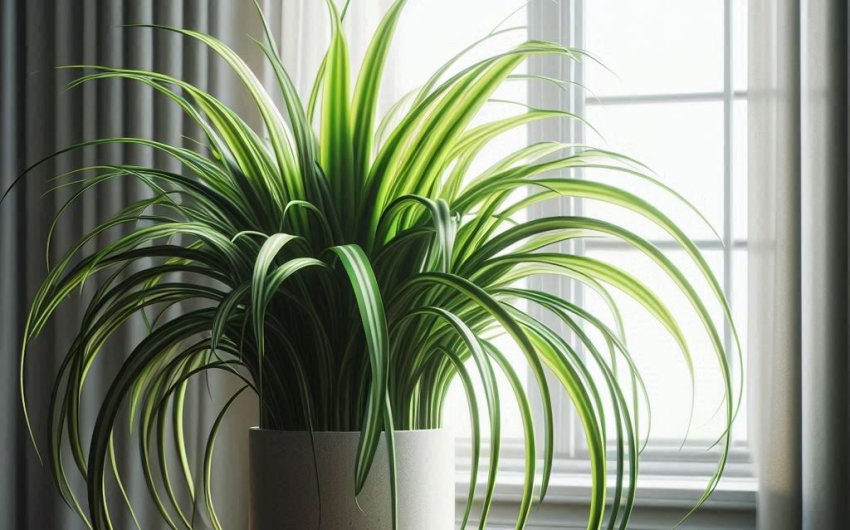
Few houseplants are as iconic and easy to love as the spider plant (Chlorophytum comosum). With their cheerful striped leaves and charming "spiderettes" dangling like green chandeliers, they're a popular choice for beginners and experienced plant parents alike. They're often celebrated for their hardiness and air-purifying qualities, making them a staple in many indoor spaces. However, even these resilient green companions can occasionally present a common puzzle: browning leaf tips.
Witnessing the vibrant green of your spider plant's foliage give way to crispy, brown edges can be perplexing and disheartening. While it's a common issue, it's also a clear signal that something in the plant's environment isn't quite right. Unlocking the mystery behind these brown tips is key to restoring your spider plant to its full, lush glory. Dive into the various culprits behind this common problem and discover simple, effective solutions to keep your spider plant healthy and happy.
What is Causing Brown Tips on My Spider Plant?
The phenomenon of brown tips on spider plants is one of the most frequently asked questions by houseplant owners. It's rarely a sign of serious disease or imminent death, but rather a strong indicator that one or more environmental factors need adjusting. Think of it as your plant's way of telling you it's a little uncomfortable. Most often, the issue boils down to factors related to water, humidity, or mineral buildup.
1. Water Quality and Mineral Buildup: The Most Common Culprit
This is by far the leading cause of brown tips on spider plants.
- Fluoride Toxicity: Spider plants are particularly sensitive to fluoride, a common additive in municipal tap water. Fluoride accumulates in the leaf tips, causing them to turn brown and crispy.
- Chlorine and Chloramines: While less damaging than fluoride, high levels of chlorine and chloramines in tap water can also contribute to leaf tip burn over time.
- Excess Salts/Minerals: Beyond fluoride and chlorine, tap water contains various other dissolved salts and minerals (calcium, magnesium, etc.). Over time, these can accumulate in the soil and concentrate in the leaf tips as the plant transpires (evaporates water). Fertilizer salts can also contribute to this buildup.
2. Low Humidity: Dry Air Stress
Spider plants are native to the tropical and subtropical regions of Africa, where humidity is naturally high. Most indoor environments, especially in heated homes during winter or air-conditioned spaces in summer, have much lower humidity levels.
- Transpiration Stress: In dry air, plants lose moisture through their leaves more quickly (transpiration). If the plant cannot absorb enough water through its roots to keep up with this loss, the leaf tips, being the furthest point from the water source, are the first to dry out and turn brown.
3. Underwatering: Thirsty Roots
While spider plants are forgiving, consistent underwatering will eventually lead to stress and leaf tip burn.
- Insufficient Moisture: If the soil is allowed to dry out completely too often or for too long, the plant's roots cannot take up enough water to supply the entire leaf, and the tips will be the first to suffer.
4. Overwatering: Root Suffocation
Though it might seem counterintuitive, overwatering can also lead to brown tips.
- Root Rot: Constantly soggy soil deprives roots of oxygen, leading to root rot. Damaged roots cannot effectively absorb water and nutrients, causing the leaves (especially the tips) to show drought-like symptoms despite the wet soil. This is often accompanied by mushy stems and overall wilting.
5. Too Much Direct Sunlight: Sun Scorch
While spider plants need bright, indirect light, prolonged exposure to harsh, direct sunlight can scorch their delicate leaves.
- Leaf Burn: This usually manifests as broad patches of brown or white on the leaves, but severe tip burn can also occur.
6. Nutrient Issues (Less Common for Tips):
- Over-fertilization: Too much fertilizer can lead to salt buildup in the soil, which then accumulates in the leaf tips, causing browning.
- Nutrient Deficiency: While rarer for just brown tips (deficiencies often show broader leaf yellowing or discoloration), chronic lack of nutrients can stress a plant, making it more susceptible to other issues, including tip burn.
Understanding these potential causes allows you to systematically troubleshoot the problem. Start with the most common culprits (water quality/humidity) and work your way through the list to pinpoint the exact issue affecting your spider plant.
How Can You Improve Water Quality for Your Spider Plant?
Addressing water quality and mineral buildup is often the most effective step in preventing and solving brown tips on spider plants. Since these plants are notably sensitive to fluoride, chlorine, and other dissolved salts found in tap water, making adjustments here can yield significant results.
1. Use Alternative Water Sources:
This is the most direct way to eliminate problematic minerals.
- Distilled Water: This water has been purified to remove minerals, chemicals, and contaminants. It's an excellent choice but can be expensive for large plants. You can buy distilled water in gallon jugs at grocery stores.
- Rainwater: If you have access to clean rainwater, it's a fantastic, free, and natural option. It's naturally soft and free of chlorine and fluoride. Collect it in a rain barrel or any clean container.
- Reverse Osmosis (RO) Water: An RO filtration system removes most dissolved solids from tap water. If you have an RO system for drinking water, it's perfect for your plants too.
2. Treat Your Tap Water:
If alternative water sources aren't feasible, you can take steps to improve your tap water.
- Let Water Sit Out: For chlorine (not chloramines), simply fill your watering can or open containers with tap water and let it sit out for 24-48 hours. The chlorine gas will evaporate.
- Activated Carbon Filter: For both chlorine and chloramines (which don't evaporate), you'll need an activated carbon filter. Many standard pitcher filters or faucet filters contain activated carbon. A carbon water filter for plants attached to your tap can make a big difference.
- Consider Bottled Spring Water: While not as pure as distilled or RO, bottled spring water is generally free of harsh chemicals and can be a decent option if tap water is causing issues.
3. Flush the Soil Regularly:
Even with good water, mineral salts can build up in the soil over time from both tap water and fertilizers.
- Leaching: Every 2-3 months (or more often if you see a white crust on the soil surface), thoroughly flush the soil with plain, room-temperature, purified water (distilled, rainwater, or filtered).
- Place the potted plant in a sink or tub.
- Slowly pour a large volume of water through the soil (at least 2-3 times the volume of the pot). Let it drain completely.
- This washes away accumulated salts from the potting mix.
- Signs of Salt Buildup: A white, crusty residue on the rim of the pot or on the soil surface is a clear indicator of salt buildup.
4. Fertilize Sparingly and Diluted:
- Less is More: Spider plants are not heavy feeders. If you are fertilizing, use a balanced houseplant fertilizer at half or even quarter strength of the recommended dose.
- Frequency: Fertilize only during the active growing season (spring and summer), typically once a month or every other month. Avoid fertilizing in fall and winter when growth slows.
- Organic Options: Some gardeners prefer organic houseplant fertilizers which tend to be gentler and less likely to cause salt buildup.
By making a conscious effort to improve your water quality and manage mineral buildup in the soil, you can significantly reduce and often eliminate the problem of brown tips on your spider plant, allowing its vibrant green foliage to truly shine.
How Can You Increase Humidity for Your Spider Plant?
Low humidity is a significant contributor to brown tips on spider plants, especially in indoor environments where heated or air-conditioned air can be very dry. Mimicking their naturally humid habitat is crucial for their health and preventing those crispy leaf edges.
1. Use a Room Humidifier:
- Most Effective Method: A room humidifier is by far the most effective way to significantly increase and maintain consistent humidity levels around your spider plant, especially if you have multiple plants or a generally dry home.
- Placement: Place the humidifier near your spider plant, but not so close that the plant gets directly soaked or develops condensation on its leaves for long periods.
- Types: Both cool mist and warm mist humidifiers work. An ultrasonic humidifier for plants is often a quiet and efficient choice.
- Monitor Humidity: Use an indoor hygrometer to monitor the humidity levels in the room. Aim for 50-60% humidity.
2. Pebble Trays: Simple and Effective
- How it Works: This method creates a humid microclimate directly around the plant. Fill a shallow tray or saucer with a layer of pebbles (or small stones). Add water to just below the top of the pebbles. Place your potted spider plant on top of the pebbles (ensure the bottom of the pot is not sitting directly in the water).
- Evaporation: As the water in the tray evaporates, it increases the humidity directly around the plant's foliage. You can use a dedicated plant humidity tray.
- Replenish Water: Remember to refill the water in the pebble tray as it evaporates.
3. Grouping Plants Together: Creating a Microclimate
- Mutual Benefit: Plants naturally release moisture into the air through a process called transpiration. By grouping several spider plants or other humidity-loving houseplants close together, you create a small, localized area where the collective transpiration raises the ambient humidity.
- Placement: Place your spider plant amongst other plants that appreciate similar conditions.
4. Avoid Misting (Generally):
- Short-Lived Effect: While misting leaves with water might seem like a good idea, its effect on humidity is very short-lived (minutes, not hours). The water quickly evaporates.
- Disease Risk: More importantly, leaving water droplets sitting on the fuzzy leaves of a spider plant for prolonged periods, especially in low airflow, can encourage fungal diseases or leaf spot. It's generally best to avoid misting spider plants.
5. Terrariums or Enclosures (for Spiderettes or Small Plants):
- For very small spider plants or propagating spiderettes, placing them in a terrarium or under a clear plastic dome can create a high-humidity environment for faster rooting and growth. This is usually too much for a mature plant.
By actively working to increase the humidity around your spider plant, you'll alleviate the stress caused by dry indoor air, which is a major factor in preventing and reversing those annoying brown leaf tips. Your plant will thank you with lush, vibrant foliage.
What is the Correct Watering Frequency for Spider Plants?
Getting the watering frequency right for your spider plant is crucial for preventing brown tips and ensuring overall health. Both underwatering and overwatering can lead to tip burn, but for different reasons. The key is to be consistent and to water based on the plant's needs, not a strict schedule.
1. Water When the Top Few Inches of Soil are Dry:
- Feel the Soil: This is the most reliable method. Stick your finger 1-2 inches (2.5-5 cm) deep into the potting mix. If it feels dry to the touch, it's time to water. If it still feels moist, wait a day or two and check again.
- Lifting the Pot: You'll also learn to judge by the weight of the pot. A dry pot feels significantly lighter than a well-watered one.
- Moisture Meter: A plant moisture meter can provide a precise reading of soil moisture levels. Aim for a reading in the "moist" but not "wet" range.
2. Water Thoroughly Until It Drains:
- When you do water, water generously until you see water flowing freely out of the drainage holes at the bottom of the pot. This ensures that the entire root ball is saturated.
- Do Not Let Sit in Water: Always empty any excess water from the saucer or cachepot within 15-30 minutes after watering. Allowing the pot to sit in standing water leads to soggy soil and root rot.
3. Adjust Watering Based on Environmental Factors:
Your watering frequency will naturally change depending on several conditions:
- Season: Spider plants need more water during their active growing season (spring and summer) and less during their slower, dormant period (fall and winter). In winter, reduce frequency, but still check the soil.
- Temperature: Higher indoor temperatures will cause the soil to dry out faster, requiring more frequent watering.
- Humidity: Lower humidity levels (as discussed) cause plants to lose water more quickly through their leaves, leading to faster soil drying.
- Light Levels: Plants in brighter light photosynthesize more and use more water than those in lower light.
- Pot Size and Material: Smaller pots dry out faster than larger ones. Terracotta pots dry out faster than plastic or glazed ceramic pots due to their porous nature.
- Plant Size: A larger, more mature spider plant with a bigger root system will drink more water than a small spiderette.
4. Signs of Improper Watering:
- Underwatering:
- Brown, crispy tips: Yes, this is a symptom!
- Overall wilting or drooping of leaves.
- Soil pulling away from the edges of the pot.
- Overwatering (More Dangerous):
- Brown, mushy tips: As opposed to dry and crispy.
- Yellowing leaves: Especially lower leaves.
- Mushy stems or base of the plant.
- Foul smell from the soil: A sign of root rot.
- Leaves dropping with green stems: The plant is shedding leaves because its roots are dying and can't supply water.
By practicing the correct watering frequency (checking the soil first, watering thoroughly, and draining excess), you'll provide your spider plant with the consistent moisture it needs to prevent those frustrating brown leaf tips and encourage lush, vibrant growth.
How Can You Optimize Soil and Light for Spider Plants?
Beyond watering and humidity, the potting mix and light conditions play a significant role in preventing brown tips on spider plants and promoting overall vitality. Providing the right foundation and adequate light ensures your plant has a stable environment to thrive.
1. Potting Mix: Well-Draining and Aerated
- Avoid Heavy Soil: Spider plants do not like heavy, compacted soil that retains too much moisture. This leads to poor aeration and can suffocate roots, causing root rot (which, as we know, also leads to brown tips).
- Well-Draining Mix: Use a high-quality well-draining potting mix for houseplants. Look for mixes that contain:
- Peat moss or coco coir: For moisture retention.
- Perlite or vermiculite: Crucial for aeration and drainage.
- Coarse sand (optional): Can further improve drainage.
- DIY Mix: A good basic mix is two parts potting soil, one part perlite, and one part peat moss or coco coir. You can buy perlite for plants separately to amend your soil.
- Repotting: Repot your spider plant every 1-2 years, or when it becomes severely root-bound, to refresh the soil and provide new nutrients. Use a pot that is only slightly larger (1-2 inches in diameter) than the current one, as spider plants prefer to be a bit snug. Always ensure the new pot has drainage holes.
2. Light: Bright, Indirect is Best
While spider plants are tolerant, they will perform best and produce the most spiderettes in the right light.
- Bright, Indirect Light: This is the ideal condition. Think of a spot near a window that receives bright light but not direct, harsh sunlight for prolonged periods, especially afternoon sun.
- East-facing windows are often perfect, providing gentle morning sun.
- South or West-facing windows can work if the plant is set back a few feet, or if there's a sheer curtain to diffuse the light.
- Avoid Direct, Intense Sun: Harsh, direct sunlight can scorch the leaves, leading to large brown or bleached patches, not just tips. The variegated (striped) varieties are more susceptible to sunburn.
- Avoid Low Light: While spider plants can tolerate lower light conditions, they won't thrive. In low light, their growth will be leggy, the variegation may fade, and they will produce fewer spiderettes. This stress can also make them more prone to brown tips from other factors.
- Signs of Incorrect Light:
- Too Much Light: Faded variegation, scorched or bleached patches, general browning (not just tips).
- Too Little Light: Pale color, long stretched-out leaves (etiolation), reduced spiderette production.
- Supplemental Lighting (if needed): If your home lacks sufficient natural light, a full-spectrum LED grow light can provide the necessary intensity for healthy growth and vibrant variegation. Position it about 12-24 inches (30-60 cm) above the plant for 10-12 hours a day.
By providing a well-draining potting mix and consistent bright, indirect light, you create the optimal growing environment that supports robust root health and efficient photosynthesis, which are fundamental to preventing brown tips on your spider plant and encouraging its characteristic lush growth.