
How to Restore a Lawn Affected by Rusty Water Stains?
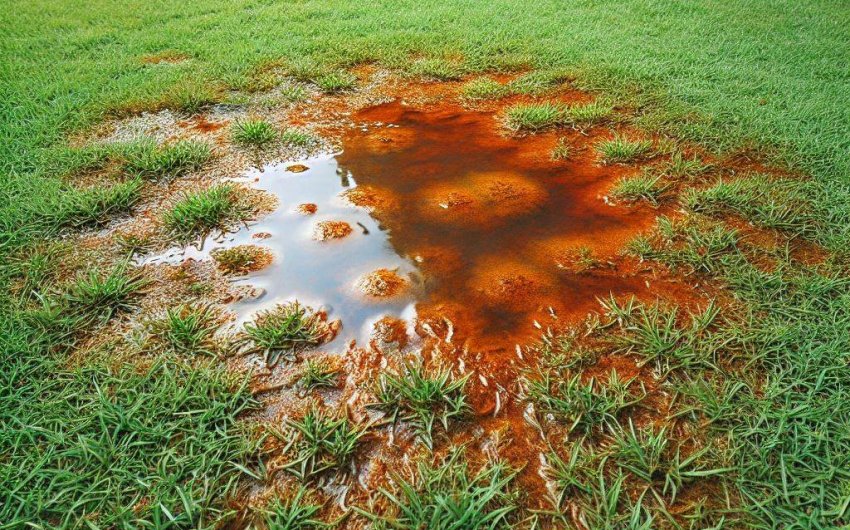
Unsightly orange or reddish-brown marks can mar the pristine green of a lawn, leading many homeowners to wonder, "How to restore a lawn affected by rusty water stains?" These common blemishes typically result from high iron content in irrigation water, which oxidizes upon contact with air and surfaces, leaving behind stubborn, discolored residues. Effectively tackling these stains requires a multi-pronged approach, focusing on both removing existing marks and, crucially, preventing their recurrence to maintain a vibrant, healthy turf.
What causes rusty water stains on a lawn?
Rusty water stains on a lawn are primarily caused by the presence of iron in your irrigation water. While iron is an essential nutrient for grass in very small amounts, high concentrations, particularly of dissolved iron, can lead to visible and often stubborn orange or reddish-brown discoloration when the water comes into contact with grass blades, concrete, or other surfaces. This phenomenon is a chemical reaction that's quite common in certain regions.
The issue arises because iron exists in water in different forms. When dissolved iron (often in its clear, ferrous state) is exposed to oxygen in the air, it undergoes a process called oxidation. This chemical reaction converts the dissolved iron into its oxidized, insoluble form, typically ferric oxide – which is essentially rust. This rust then precipitates out of the water and settles onto whatever surface it lands on, leaving behind those characteristic orange or reddish-brown stains. This is the same process that causes rust on metal.
What are the sources of iron-rich irrigation water?
Understanding the source of the iron in your water is the first step toward addressing the staining problem.
- Well Water: The most common culprit for rusty water stains on lawns is well water. Many wells, especially those drawing from aquifers with high mineral content, naturally contain elevated levels of dissolved iron. As this water is pumped from the ground and sprayed onto your lawn, the iron oxidizes upon exposure to air, causing the staining. The amount of iron can vary significantly even between wells in the same area.
- Municipal Water with Iron Pipes: While less common than well water issues, some municipal water supplies, particularly those with older iron or galvanized pipes in their distribution system, can pick up iron particles. If these pipes corrode, or if there's a disruption in the water main (like a repair causing rust to dislodge), the water delivered to your home might temporarily or consistently contain enough iron to cause staining. This is usually more noticeable when using a garden hose directly from the tap for extended periods.
- Runoff from Rusty Structures: Less frequently, rusty water stains might not come from the irrigation source itself but from runoff from rusty metal structures (e.g., old fences, sheds, or outdoor fixtures) that drain onto the lawn after rain or watering.
- High Iron Content in Soil: In some rare cases, exceptionally high iron content in the topsoil itself, combined with certain watering conditions, might contribute to localized staining if iron is leaching out. However, the primary cause is almost always the irrigation water.
How does iron affect grass and soil?
While iron is an essential micronutrient for grass (a lack of iron can cause chlorosis, or yellowing), too much iron from water can lead to aesthetic problems rather than direct harm to the grass's health.
- Staining: The most obvious effect is the unsightly orange or reddish-brown discoloration of the grass blades. This doesn't necessarily kill the grass, but it makes the lawn look unhealthy and unappealing. The stain primarily sits on the surface of the blades.
- Nutrient Imbalance (indirect): While excess iron from water typically causes surface staining and isn't directly absorbed in harmful amounts, extremely high iron levels in the soil (not just water) can sometimes interfere with the uptake of other essential micronutrients like manganese or zinc, leading to other deficiencies. However, this is less common than the staining issue from irrigation.
- Hard Water Deposits: Iron-rich water often also contains other minerals, leading to hard water deposits on grass or sprinklers, which can further compound the discoloration or clog irrigation heads over time.
Understanding that your water source is likely the culprit is crucial. Before attempting to remove stains, addressing the source of the iron in your water is key to a long-term solution and preventing future discoloration. A water test kit (water quality test kit for well water) can confirm the presence and concentration of iron in your irrigation water.
How can I remove existing rusty water stains from my lawn?
Removing existing rusty water stains from your lawn requires a careful approach to avoid damaging the grass while effectively lifting the orange discoloration. Traditional rust removers designed for concrete or metal are often too harsh for turf and can kill the grass. The key is to use mild acids that can dissolve the iron oxide without harming the plant. Patience and repeated applications might be necessary for stubborn stains.
Always test any stain removal method on a small, inconspicuous area of your lawn first to ensure it doesn't cause adverse effects before treating the entire affected area.
What mild acid solutions can I use?
Mild acids are effective because they chemically react with and dissolve iron oxide (rust), allowing it to be washed away.
- White Vinegar: White vinegar (distilled white vinegar) is a popular and safe choice due to its acetic acid content.
- Application: Mix equal parts white vinegar and water in a spray bottle. Lightly mist the stained grass blades, ensuring even coverage without soaking the soil.
- Wait and Rinse: Let the solution sit for 15-30 minutes. Do not let it dry on the grass, especially in hot sun, as concentrated acid can damage turf. After the waiting period, thoroughly rinse the area with clear water from a garden hose.
- Repeat: For stubborn stains, you may need to repeat the process over several days. The vinegar helps to loosen the iron particles from the grass blades.
- Citric Acid: Citric acid (food-grade citric acid powder) is another effective and relatively safe option. It's found naturally in citrus fruits.
- Application: Dissolve 2-4 tablespoons of citric acid powder in 1 gallon of water. Apply this solution directly to the stained areas using a watering can or spray bottle.
- Wait and Rinse: Let it sit for 15-30 minutes, then rinse thoroughly with clear water.
- Benefits: Citric acid is often favored as it's a bit more powerful than vinegar for rust, yet still relatively gentle on plants when used correctly.
- Lemon Juice: Fresh lemon juice can be used as a spot treatment for small, light stains due to its natural citric acid content.
- Application: Squeeze fresh lemon juice directly onto the stain.
- Wait and Rinse: Let it sit for a short period (10-15 minutes), then rinse well. Its effectiveness may be limited for widespread or heavy stains.
What about oxalic acid-based rust removers?
Some commercial rust removers designed for laundry or concrete contain oxalic acid (oxalic acid powder). While very effective at dissolving rust, they should be used with extreme caution, if at all, on grass.
- High Potency: Oxalic acid is stronger than vinegar or citric acid and can potentially burn or kill grass if applied in too high a concentration or left on too long.
- Risk vs. Reward: Given the risks, it's generally recommended to stick to the milder vinegar or citric acid solutions for lawn stains unless you have a very stubborn spot and are willing to risk some grass damage. If you do use an oxalic acid product, ensure it's specifically labeled as safe for lawns (which is rare for strong concentrations), dilute it heavily, and rinse extremely thoroughly and quickly. Always wear protective gloves and safety glasses.
What alternative methods can I try?
- Iron Chelate (for nutrient deficiency, not stain removal): Do not confuse the application of iron chelate (often marketed for "green up") as a rust stain remover. Iron chelate products are for addressing iron deficiency in the grass plant, causing yellowing, not for removing surface rust stains from high-iron water. Applying more iron won't remove iron stains.
- Physical Removal (Leaf Blowers/Brushes): For very recent, light dusting of rust (before it truly sets), sometimes a strong leaf blower (electric leaf blower) or gently brushing the grass blades with a stiff broom can dislodge some loose particles. This is a first-resort, low-impact option.
After stain removal, ensure the grass recovers. If any areas are significantly damaged, you may need to overseed (lawn grass seed) in the affected patches in the next appropriate growing season to encourage new, healthy growth. The most important step, however, is to prevent the stains from returning by addressing the water source.
How can I prevent future rusty water stains?
Preventing future rusty water stains is the most crucial step in long-term lawn care when dealing with iron-rich irrigation water. While removing existing stains improves the current appearance, addressing the source of the iron is the only way to ensure your lawn remains free of discoloration. This typically involves modifying your irrigation system or treating your water.
The goal is to prevent the dissolved iron in your water from oxidizing and settling onto your grass blades. This can be achieved through various methods, from simple adjustments to more complex water treatment systems.
Can I adjust my irrigation practices?
Simple adjustments to how and when you water your lawn can significantly reduce staining, especially if the iron content in your water is moderate.
- Watering Time: Avoid watering in the evening or at night. The best time to water a lawn is in the early morning (before 10 AM). This allows the grass blades to dry quickly in the sun and circulating air, minimizing the contact time between the iron-rich water and the grass surface, thus reducing the opportunity for oxidation and staining. Watering at night leaves moisture on the blades for too long, exacerbating the problem.
- Deep and Infrequent Watering: Water deeply but less frequently. This encourages deeper root growth, making your lawn more resilient. It also means less frequent exposure of the grass blades to the iron-rich water, reducing overall staining.
- Adjust Sprinkler Heads: Ensure your sprinkler heads are properly adjusted and spraying only onto the lawn, not onto concrete driveways, sidewalks, or house foundations. Staining on hard surfaces can be even more noticeable and difficult to remove. Use sprinkler adjustment tools to fine-tune spray patterns.
- Check for Leaks/Pooling: Repair any leaky sprinkler heads or pipes that might be causing water to pool in certain areas, as prolonged contact leads to heavier staining.
What are in-line water treatment options?
For more persistent or severe iron staining, treating the water before it reaches your sprinklers is the most effective long-term solution. These methods prevent the iron from oxidizing.
- Polyphosphate Injector Systems: This is a common and effective solution for preventing iron stains. A polyphosphate injector system (polyphosphate irrigation filter) is installed in your irrigation line. It slowly releases food-grade polyphosphate crystals into the water. Polyphosphates act as chelating agents, binding to the dissolved iron particles and preventing them from oxidizing and precipitating as rust. The iron remains suspended in the water, which then dries without leaving a stain. These systems are relatively low-maintenance, requiring only periodic refilling of the polyphosphate crystals.
- Iron Filters/Greensand Filters: For very high concentrations of iron, a dedicated iron filter (often a greensand filter or manganese greensand filter) can be installed at the well head or main water line. These filters are designed to physically remove iron, manganese, and hydrogen sulfide from the water. They are typically larger, more expensive to install, and require periodic backwashing to flush out the trapped iron, but they offer a comprehensive solution for significant iron problems.
- Aeration and Filtration Systems: In some cases, aerating the well water (exposing it to oxygen) to cause the iron to precipitate, followed by filtration, can be an effective solution. This is a more complex system, often part of a whole-house water treatment plan.
Can I use a sacrificial anode?
A sacrificial anode is a less common solution for lawn staining itself, but it's important in the context of well pump and pipe protection. This method is more about preventing corrosion of your pump and piping system (which might release iron) than directly treating water for lawn staining.
- Principle: A sacrificial anode (typically magnesium or zinc) is a highly reactive metal that is intentionally put in contact with less reactive metals (like steel well casings or pump parts) in the presence of an electrolyte (water). The anode corrodes (oxidizes) preferentially, "sacrificing" itself to protect the other metals from rust and corrosion.
- Relevance to Lawn Stains: While it prevents your equipment from rusting and releasing iron particles, it won't remove dissolved iron already present in the water from the geological formation itself. Therefore, it's not a direct solution for the type of dissolved iron staining that impacts lawns from well water, but it's part of a broader strategy for well water quality.
Before investing in a water treatment system, it's highly recommended to get a professional water analysis (well water testing kit) to determine the exact type and concentration of iron in your water. A water treatment specialist can then recommend the most appropriate and cost-effective solution for your specific situation, ensuring a long-term fix for your rusty water stains and maintaining a healthy, vibrant lawn.